Two days in Montana’s wilderness demand careful timing to align with the landscape’s shifting moods. From dawn hikes that skirt alpine lakes to afternoon riverwalks tempered by mountain weather, this guide prepares you to turn a short trip into a full Montana outdoor experience.
Start Early to Beat Crowds and Heat
Begin your hikes at sunrise to avoid midday sun and gatherings, making your days cooler and quieter.
Pack Hydration Strategically
Carry at least 2 liters of water per day and refill at reliable sources to keep up with Montana’s dry mountain air.
Layer Up for Sudden Weather Changes
Weather in the mountains can shift abruptly; pack a waterproof jacket and thermal layer even in summer months.
Use Sturdy Footwear for Mixed Terrain
Trails range from rocky switchbacks to forest paths; strong hiking boots provide grip and ankle support.
Perfect Timing: How to Maximize Your 2-Day Outdoor Adventure in Montana

2 Day Camping Rentals
Ages 18+ to Rent • Camping Packages Available
Discover the thrill of off-road adventure with a 2-day camping rental in Missoula, Montana. Explore scenic trails, enjoy comfortable camping setups, and immerse yourself in the stunning Montana outdoors in this exciting UTV experience.
Montana’s rugged outdoors command respect. With just 48 hours, every moment matters—the early light, midday warmth, and fading twilight each have a role in your adventure.
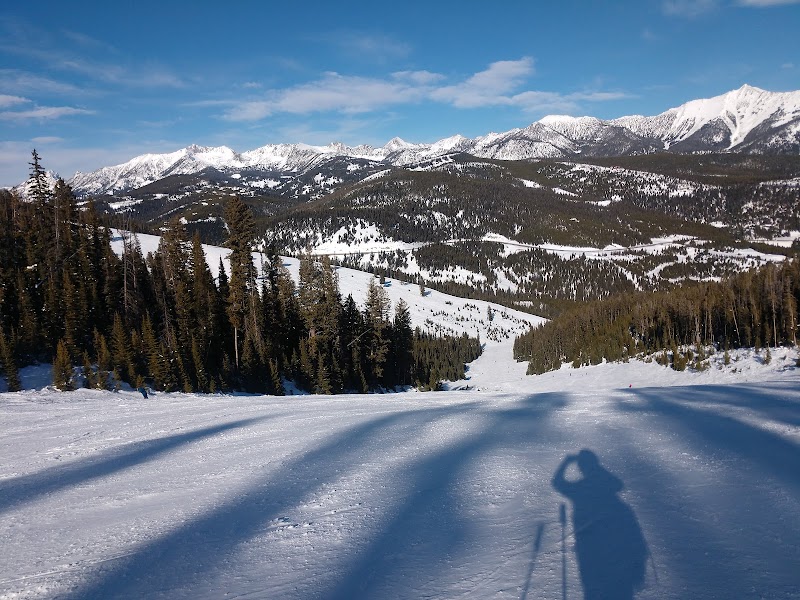
Start your first day at dawn to beat the heat and crowds. Head to trails like the Beehive Basin Trail near Big Sky, where a 7-mile round trip carries 1,300 feet of elevation gain. The trail’s forested stretches push you upward, trees brushing past as the clear mountain air dares you onward. Reach the alpine lakes by mid-morning, their still waters mirroring the surrounding peaks, rewarding effort with serene views.
Reserve your afternoon for a lower-elevation hike or an exploration of the nearby Gallatin River, where currents pull relentlessly and invite those who want to feel Montana's wild pulse. Pack a light lunch and hydrate well before you take the riverbank paths, paying attention to the sun’s angle to stay cool and safe.
On day two, rise just after sunrise to catch the valley bathed in soft amber. A shorter, steeper hike like the Mystic Lake Trail—about 4 miles with 1,000 feet vertical—will give you panoramic views that change with the warming day. Wear sturdy boots; the trail’s rocky patches and switchbacks test steady footing.
Plan your hikes around daylight to avoid the pitfalls of swift Montana weather. Afternoon storms are common in summer; they gather with sudden authority, demanding shelter and sharp judgment. Keep practical gear handy—layers, water, and a map—to manage the unpredictable landscape that’s fiercely itself.
Maximizing your two days means balancing ambition with preparation. Start strong, hydrate consistently, respect the rhythm of each trail, and pause to listen—whether it’s the whisper of the wind through pines or the river’s bold call.
This isn’t just a quick trip. It’s an invitation to engage fully with a Montana that moves at its own pace, inviting those who come prepared and willing to move deliberately. Timing your climbs with care turns every hour outside into a measured, tangible victory against the mountain’s steady, quiet challenge.
Nearby Trips
All Adventures
Boat Charters
Water Activities
Adventures near Big Sky
Discover the unique and memorable adventures that make Big Sky special.
Frequently Asked Questions
What time of day is best for hiking in Montana’s mountains?
Morning hours, ideally just after sunrise, offer the most stable weather and comfortable temperatures. Afternoon brings the risk of thunderstorms, especially in summer, so plan to finish hikes before noon when possible.
Are there any lesser-known viewpoints in the Big Sky area?
Yes, the hidden overlook near Beehive Basin presents sweeping views without the usual crowd. Reachable by a short detour off the main trail, it provides a quieter panorama of alpine lakes and ridgelines.
What wildlife should I watch for during my hikes?
Elk and mule deer are common, along with marmots and pika around rocky outcrops. Depending on the season, watch for bears and mountain lions; always follow safety protocols for wildlife encounters.
Is it necessary to have technical climbing skills for recommended trails?
No, the trails suggested are mostly well-marked and do not require technical climbing skills, but they do demand good hiking proficiency and careful footing on uneven ground.
How do I handle Montana’s sudden weather changes?
Carry layered clothing, keep an eye on weather forecasts, and be prepared to turn back or seek shelter if dark clouds or strong winds gather. Avoid exposed ridges during storms.
Are there any cultural or historic sites on or near the trails?
The Gallatin Valley was historically a corridor for Native American tribes and early trappers. Along some trails, you can find interpretive signage recounting this history, offering context to the land’s longstanding connection to people before modern recreation.
Recommended Gear
Water Bottle or Hydration Pack
Staying hydrated is critical; Montana’s dry mountain air accelerates fluid loss.
Waterproof Jacket
Protects against sudden rain and wind common in mountain weather.
Hiking Boots
Offers needed traction on rocky, uneven trails and ankle support.
Headlamp or Flashlight
Useful during shorter daylight conditions for early starts or late returns.
Local Insights
Hidden Gems
- "Beehive Basin Overlook"
- "Gallatin River Hidden Loops"
Wildlife
- "Elk"
- "Mule Deer"
- "Black Bear"
- "Marmot"
- "Mountain Lion"
History
"This area served as a seasonal hunting and trading ground for Crow and Blackfeet tribes long before the arrival of settlers. Trails often traverse areas once used in historic fur trade routes."