
Discover how the time of day reshapes paddling adventures on Oregon’s lakes and rivers. This guide offers practical insights to help you choose morning calm or afternoon challenge for your next paddle trip near Bend.
Hydrate Early and Often
Water demand grows with temperature; start hydrating before your paddle and keep sipping, especially in the afternoon heat where exertion spikes.
Dress in Layers
Mornings can start cool, requiring gloves or windbreakers, while afternoons heat up quickly—opt for breathable, sun-protective layers you can adjust on the water.
Check Wind and Current Forecasts
Before heading out, confirm local water and weather conditions. Afternoon winds often pick up unpredictably, while rivers can swell with temperature-driven flows.
Bring Navigation and Safety Gear
Carry a map, whistle, and first aid kit. Whether you're paddling calm lakes or faster rivers, preparedness adds confidence and safety.
Timing Your Paddle: Mastering Lakes and Rivers Morning Versus Afternoon

Single Kayak
All ages • 7 hours
Discover the tranquil waters of Grand Traverse Bay on a private solo kayak adventure with Bayfront Beach and Bike. Perfect for beginners and seasoned paddlers alike, this experience offers stunning scenery and peaceful solitude. Keep reading to learn more!
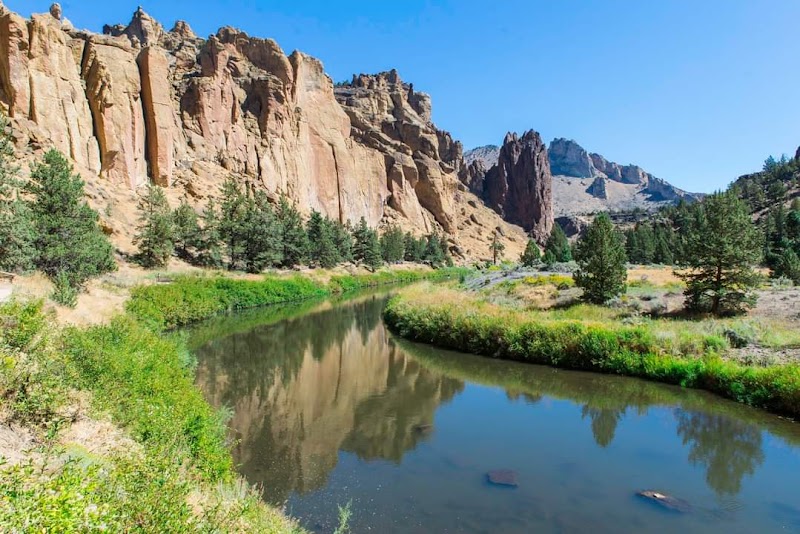
Paddling at first light or mid-afternoon presents entirely different experiences on lakes and rivers. Morning waters tend to lie still, the day’s breath yet to stir the currents, offering calm surfaces perfect for smooth, steady strokes and reflections as clear as glass. Rivers, daring and quiet early on, invite a patient approach when currents are gentle. In contrast, afternoons bring a livelier rhythm—winds gather, stirring ripples into waves that challenge your balance and boost your adrenaline. The river's currents, pushed and pulled by the sun’s heat, may quicken, asking for sharper reflexes and active navigation.
Choosing your time hinges on your aim. Early starts prioritize tranquility and observation: wildlife wakes, birds call from timbered banks, and mist lifts like a curtain from the surface. Expect cooler air, making hydration and layering crucial, even in summer. Paddling gear needs to adapt: gloves and windbreakers serve well. Your muscles will thank you for the gentler pace, and the day feels expansive.
Afternoon paddling tests your edge. Winds will challenge your course on open lakes, and rivers may surge where shadows fade. The sun’s warmth brings energy but demands more water and sun protection. Afternoon sessions can dovetail with evening camps or lakeside relaxation, extending your day’s adventure. Timing your breaks for shaded beaches or forested coves helps you manage heat and fatigue.
Planning distances alongside timing enhances your trip’s success. A typical 5-mile paddle on a placid lake can take 1.5 to 2 hours if you enjoy steady, reflective breaks in the morning. In the afternoon, the same trip may stretch as you battle crosswinds or gusty gusts. Rivers up to 8 miles require closer attention: currents and water levels shift with sun exposure, so check local flow reports. Elevation gain rarely factors in flat water, but if portaging or moving into sloped shorelines, pack footwear with solid grip.
Whatever the hour, respect the water’s mood—the lake’s mirror or the river’s push—both fiercely themselves and quick to remind of their force. Packing essentials like water, a whistle, first aid, and a map offers safety through unpredictability. Carry layers, sunglasses, and a waterproof bag to guard your gear.
Morning or afternoon, your paddle is an engagement with nature’s tempo—a push, a glide, a pause, a challenge. Select the time that suits your goals, gear well, and let the river or lake meet you on equal terms.
Nearby Trips
All Adventures
Boat Charters
Water Activities
Adventures near Bend
Discover the unique and memorable adventures that make Bend special.
Frequently Asked Questions
What is the best time of day to paddle for beginners?
Morning paddles are ideal for beginners due to calmer waters and cooler temperatures, reducing the challenge of wind and faster currents found in afternoons.
How do wind conditions typically change throughout the day?
Winds are usually lightest in the morning, allowing smooth paddling. By afternoon, thermal effects often increase wind speed, especially on open lakes, which can complicate navigation.
Are there safety concerns unique to afternoon paddling?
Yes, stronger winds and currents in the afternoon can increase tipping risks and fatigue. Wearing a PFD, staying close to shore, and being aware of weather changes improves safety.
What wildlife might I encounter during morning paddling?
Early hours bring sightings of waterfowl, otters, and deer along riverbanks. The quiet scene invites animals out before midday heat sends them into cover.
Should I expect significant water level changes during the day?
Water levels in rivers may rise or fall with snowmelt and rain but usually move more slowly within a day. Some lakes experience slight fluctuations due to inflow and evaporation influenced by temperature.
How can I best prepare for sudden weather changes on the water?
Check forecast updates before launch, dress in layers, carry waterproof gear, and have an emergency plan. Morning trips reduce exposure, but afternoon paddlers should be ready for quick shifts.
Recommended Gear
Performance PFD (Personal Flotation Device)
A properly fitted PFD is non-negotiable for safety on any paddle trip in lakes or rivers.
Waterproof Dry Bags
Protect your essentials and electronics from splashes and unexpected swells.
Layered Clothing with UV Protection
Lightweight, breathable, and sun-protective fabrics keep paddlers comfortable during bright, sunny afternoons.
Water Shoes or Secure Footwear
Grip and protection for portaging or maneuvering rocky shores are critical for safety and comfort.
Local Insights
Hidden Gems
- "Benham Falls viewpoint offers unique river rapids within 5 miles east of the city"
- "Tumalo Creek's quiet inlet near the Deschutes River is often overlooked for paddle starts"
Wildlife
- "Osprey and bald eagles patrol fish-rich waters"
- "River otters and beavers are frequently spotted in wetter, wooded areas"
History
"The Deschutes River corridor played a role in early Native American trade routes and later downstream lumber transport, making adjacent trails rich with cultural stories."