
Bend, Oregon challenges cyclists to adapt with its ever-shifting seasons—from sun-drenched summer rides to crisp winter trails. This guide maps out how to tailor your cycling routine year-round, blending practical tips with the thrill of riding through Bend’s rugged landscapes.
Start Early During Summer
Beat the heat and dry air by starting rides before 8 a.m. to avoid midday sun and dehydration.
Adjust Tire Pressure by Season
Lower tire pressure slightly in wet or snowy conditions for better traction; higher pressure works best on dry pavement.
Layer Up in Fall and Spring
Mornings and evenings can be chilly; breathable layers allow quick adaptation to temperature changes.
Bring Repair Kits Year-Round
Seasonal terrain shifts increase risk of flats and mechanicals—pack essentials to handle common issues on the trail.
Riding Through the Seasons: Adapting Cycling Routines for Year-Round Success in Bend, Oregon

Bike with Child Seat
All Ages • Hourly, Daily & Weekly Rental Options!
Discover the joy of exploring Newport Beach on two wheels with your child safely seated in a bike seat. Perfect for families, this activity offers scenic rides along the coast and easy access to local attractions. Keep reading to find out how to make the most of your bike adventure in sunny California!
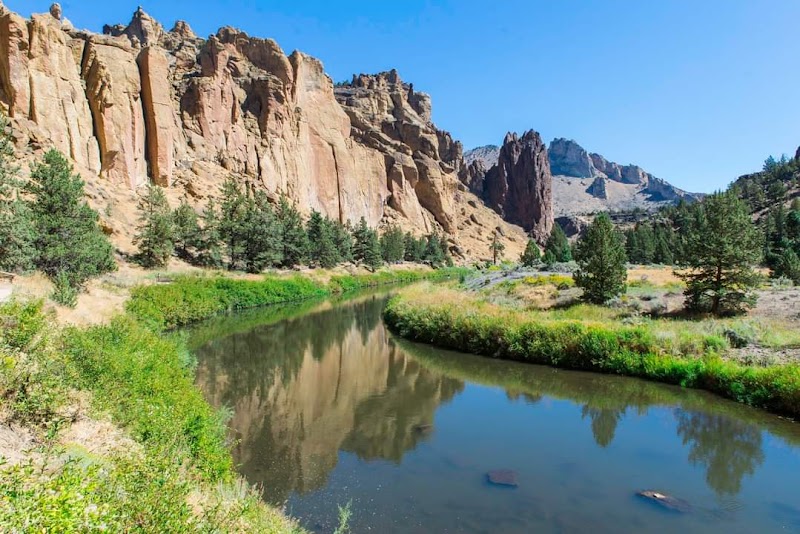
Bend, Oregon offers cyclists a dynamic playground where every season brings a distinct face to the trails and roads. This high-desert city tightropes between sunlit, dry summers and crisp, snowy winters, demanding you adjust your pedals and pace as the environment shifts. The Deschutes River meanders alongside some routes, tempting riders to keep pace against its currents, while volcanic ridges dare cyclists to push harder up steep gains.
Summer rides typically stretch 20 to 40 miles on mostly dry pavement or packed dirt, with elevation gains around 800 to 1,200 feet. Temperatures can soar past 85°F, so early starts and plenty of hydration are crucial. Open stretches invite the sun to challenge your endurance, while light forested paths shade you just enough to stay comfortable.
When fall arrives, cooling air and rustling leaves mark perfect conditions for longer rides. Expect cooler mornings and faster winds; layers become a priority. The terrain softens with fallen pine needles over singletrack and bike paths, requiring careful traction management. This season’s clear skies reward riders with sweeping views over the Cascade foothills.
Winter demands a shift from speed to control. Snow and ice coat many trails around Bend, especially at higher elevations. Fat bikes or studded tires help maintain grip where roads gloss over with frost or compact snow. Daylight shrinks drastically; visibility and reflective gear protect you from sudden weather turns. An average winter ride might shrink to 10–15 miles but offers raw encounters with Oregon’s winter wilderness.
Spring embodies transition. Muddy patches crop up as snowmelt feeds the river and saturates trails. This season tests your bike’s resilience and your patience. Fix-it kits become essential, and timing your ride around thaw windows mitigates damage to fragile paths. Budding green branches lightly brush the trail edges, nodding to new life stirring.
Practical hydration, layered clothing, and seasonal-appropriate tires anchor your routine through Bend’s ups and downs. Ready your bike for each phase—adjust tire pressure, pack safety gear, and tune brakes to handle the slick clay and gravel. The thrill here lies not just in chasing miles, but in reading Bend’s seasonal script and riding in rhythm with it, meeting the landscape fiercely as it reveals itself anew.
Nearby Trips
All Adventures
Boat Charters
Water Activities
Adventures near Bend
Discover the unique and memorable adventures that make Bend special.
Frequently Asked Questions
What are the best cycling routes in Bend for beginners?
The Tumalo Creek Trail offers a flat, scenic ride of around 8 miles, perfect for beginners seeking low elevation gain and forested paths.
How do I prepare my bike for Bend’s winter conditions?
Equip your bike with wider or studded tires, lower tire pressure for grip, and ensure brakes and chain are cleaned regularly to prevent ice buildup.
Are there any safety concerns cycling near the Deschutes River?
River-adjacent trails can have slippery rocks and mud patches, especially in spring. Stay alert for sudden water level changes and avoid riding too close to the edge.
When is the best time of day to cycle to avoid heat in summer?
Ride early morning, ideally starting before 7:30 a.m., as temperatures rise quickly and midday sun can dehydrate riders fast.
Can I cycle year-round in Bend?
Yes, but winter requires specialized equipment like fat bikes and winter gear, while spring can bring muddy conditions that demand patience and proper timing.
What local wildlife might I encounter while cycling in Bend?
Riders often spot mule deer, red foxes, and a variety of birds including western meadowlarks; always give wildlife space and respect their habitat.
Recommended Gear
Hydration Pack
Keeps fluids accessible for long rides, especially critical in Bend’s dry climate.
Layered Clothing
Breathable, insulating layers help regulate body temperature with shifting fall temperatures.
Studded or Wide Tires
Provides traction on snow and ice, essential for safer winter cycling.
Portable Bike Repair Kit
Essential to address punctures or mechanical issues caused by debris or rough trails.
Local Insights
Hidden Gems
- "Pilot Butte offers panoramic views not far from central Bend, ideal for a short climb and a rewarding look below."
- "Shevlin Park’s lesser-used singletrack trails provide quiet, shaded rides away from busier routes."
Wildlife
- "Keep an eye out for black-tailed deer at dawn and dusk along forest edges."
- "Great horned owls inhabit many of the pine groves and may call out after sunset."
History
"Bend’s cycling culture is intertwined with its logging past; many trails repurpose old logging roads, echoing an industrial heritage that shaped the landscape."