Oregon’s Deschutes River pulses with life and challenge, perfect for swimmers and rapid explorers ready to engage with its dynamic currents. This guide offers practical safety tips to prepare you for an exhilarating yet secure adventure on one of Oregon’s most spirited waterways.
Wear a Personal Flotation Device (PFD)
Always wear a properly fitted PFD when swimming or navigating rapids, regardless of your experience. The current can shift unexpectedly, making flotation your first line of defense.
Scout Rapids Before Entering
Never jump into rapids without first checking the route from the shore. Identify hazards like rocks, strainers, and drop-offs to plan a safer passage.
Hydrate and Protect Against Sun Exposure
Long hours in the sun and physical effort increase dehydration risks. Carry water, wear sunscreen, and use UV-protective clothing during your outings.
Use Appropriate Footwear
Waterproof shoes with good traction protect your feet on slippery rocks and uneven riverbeds. Avoid bare feet to reduce the chance of injury.
Navigating the Rapids: Essential Safety Protocols for Swimming and Exploring Oregon’s Deschutes River

Lower Deschutes Classic Full Day Rafting Trip
Ages 5+ • Class II-III Rapids • 14 miles long • 7 hours total
Experience the thrill of whitewater rafting on Oregon's Deschutes River with Nate's Rogue Adventures. This full-day trip offers stunning canyon views, exciting rapids, and opportunities to spot local wildlife, making it a perfect outdoor adventure for everyone.
Oregon’s Deschutes River is a playground for thrill-seekers and nature lovers alike, but its spirited currents and rock-strewn rapids demand respect and preparation. Whether you’re slipping into the cool water for a swim or challenging the rapids in a kayak, the river doesn’t just invite you — it dares you to match its pace without underestimating its power.
Before you wade in, understand the river’s personality: the Deschutes is fiercely itself, constantly shifting, flowing with energy that can push and pull even the strong swimmer. The rapids vary in difficulty but can surprise with sudden drops or submerged obstacles. Start with calm stretches to gauge the current and wear a personal flotation device (PFD) no matter your skill level.
When planning a river swim or rapid exploration, timing is critical. Spring snowmelt turns the river into a relentless force, while summer’s low flows create safer, but not risk-free, conditions. Check current water levels with the U.S. Geological Survey or local outfitters before heading out.
Navigating rapids calls for spot-on equipment and techniques. Don’t dive into unknown waters—scout from shore whenever possible and learn to read the river’s cues: swirling eddies, visible rocks, and the roar of whitewater indicate the challenges ahead. Move with intention; swim parallel to the riverbank to escape strong currents, and avoid standing on slippery rocks that can betray your footing.
Hydration and sun protection matter here as much as waterproof gear. The Deschutes hikes and swims often involve long sun exposure combined with physical exertion. Wear sturdy, water-friendly shoes with good traction to protect against sharp rocks and uneven riverbeds.
Launching from nearby spots like Benham Falls or Dillon Falls offers varied terrain and technical demands—plan your route based on ability and always share your itinerary with someone off-site. If you’re kayaking or rafting, a helmet is not negotiable. Even experienced paddlers find rapids on the Deschutes humbling, a reminder that this river writes the rules.
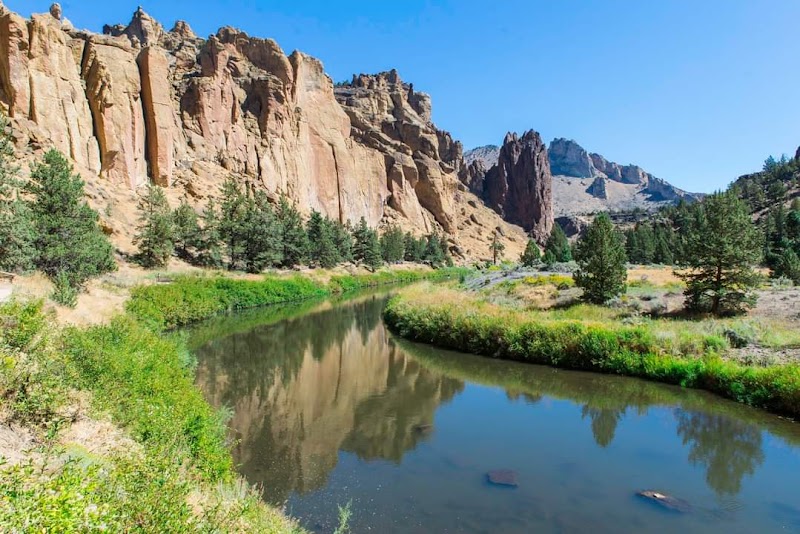
Respect the river’s ecosystem too. Avoid disturbing spawning areas and pack out all trash. The Deschutes’ clear water and towering canyon walls create a stunning backdrop, but the true reward is in the dance between skill and nature—never conquering, only engaging.
With preparation, respect, and awareness, swimming and rapid exploration on the Deschutes offers not just an adventure but a dynamic encounter with a wilderness that remains actively alive—ready to challenge and thrill those who dare to enter.
Nearby Trips
All Adventures
Boat Charters
Water Activities
Adventures near Bend
Discover the unique and memorable adventures that make Bend special.
Frequently Asked Questions
What is the safest way to swim in the Deschutes River?
Always wear a PFD and avoid swimming near rapids or fast currents. Swim parallel to the riverbank to exit swiftly if caught in a current, and never swim alone.
Can beginners safely explore rapids on the Deschutes?
Beginners should start in calm sections before attempting rapids and consider guided tours with professional outfitters who know the river’s challenges.
Are there reliable exit points along the Deschutes for swimmers and kayakers?
Yes, established access points like Benham Falls, Dillon Falls, and Tumalo State Park provide safe staging and exit locations with parking and amenities.
What wildlife should swimmers and explorers keep an eye out for?
Visitors often spot river otters, kingfishers, and occasionally bald eagles. Always observe from a distance and avoid disturbing their habitat.
What local regulations should visitors be aware of when swimming or rafting?
Fishing regulations, wildlife protections, and Leave No Trace principles are strictly enforced. Motorized watercraft have restrictions in certain sections to protect the river ecosystem.
Is it necessary to bring a guide for river exploration?
While experienced local adventurers may navigate alone, hiring a guide is strongly recommended to understand rapid classifications, local hazards, and emergency procedures.
Recommended Gear
Personal Flotation Device (PFD)
Critical for safety in swimming or boating; provides buoyancy and increases survival chances in rapid waters.
Waterproof Footwear
Shoes with good traction protect feet from sharp rocks and slippery surfaces around rapids.
Hydration Pack or Water Bottle
Keeping well-hydrated is essential in the dry Oregon sun and during physical exertion.
Helmet
A must-have for kayakers or rafters, protecting against head injuries in rocky, fast-moving water.
Local Insights
Hidden Gems
- "Tumalo Falls viewpoint for panoramic river canyon views"
- "Little Lava Lake for calmer water adventures nearby"
- "Railroad Bridge access for spotting wildlife and quiet fishing spots"
Wildlife
- "Northwestern pond turtles frequent slower river bends"
- "River otters actively play in calmer pools"
- "Various bird species including osprey and kingfishers patrol the water"
History
"The Deschutes River has long served as a vital waterway for Native American tribes and early settlers, shaping the cultural landscape of central Oregon. Historical logging remnants still mark some riverbanks today."