Paddle with purpose by timing your river trip to match flow conditions while absorbing the historical echoes along the banks. This guide offers practical insight for adventurers ready to engage river currents and uncover stories etched in water and land.
Check River Flow Reports Before You Launch
Visit local river monitoring websites or outfitters to get up-to-date information on river levels and flow speeds to gauge safety and difficulty.
Wear Durable, Quick-Drying Footwear
Riverbeds vary from slippery stones to sharp gravel; shoes with good grip and drainage protect your feet and increase comfort.
Plan for Variable Weather Conditions
Water and weather shift rapidly; always carry layered clothing and sun protection to adjust for cold mornings or intense afternoon sun.
Bring a Repair Kit and Emergency Supplies
Paddling gear can fail unexpectedly. A kit with paddle tape, spare rope, and a basic first-aid kit can keep you on the water safely.
Mastering River Timing: Paddling Adventures Aligned with Current and History

Single Kayak Rental: Tailrace Marina
2hr, Half day or Full Day Rentals • Fits one person
Discover the peaceful waters of the Catawba River with a solo kayak rental at Tailrace Marina. Perfect for beginners and seasoned paddlers alike, this experience offers stunning views and a chance to reconnect with nature just outside of Mt Holly.
Paddling down a river is an invitation to engage with a force fiercely itself — water that moves, pushes, and sometimes dares you to keep pace. But timing your trip right can shape everything from the thrill of swift currents to the calm moments where historical stories surface with the landscape. Understanding river conditions and the histories etched in their banks offers a fuller, richer adventure.
Rivers are living pathways, shifting with seasons and weather. Low water levels expose rocky shoals and reveal artifacts long hidden beneath. High water seasons might open routes otherwise inaccessible but demand respect for faster flows and stronger currents. Planning around these conditions is critical: a 10-mile paddle with moderate flow can suddenly become a whitewater challenge during peak runoff.
Historical views along river corridors add layers to your voyage. Many rivers trace routes used by indigenous peoples, settlers, and traders. The marks of long-ago mills, bridges, and dugout canoes sometimes linger, visible from shorelines or mapped in local archives. Combining practical timing with an eye for these relics turns your paddling journey into a moving classroom.
Start by scouting current river reports from local outfitters or government sites. Check flow rates, water levels, and weather forecasts. Early spring or late summer often offers the best mix of navigable water and approachable conditions, but this varies widely by region. Your footwear should be sturdy and quick-drying — riverbeds can shift from soft mud to sharp gravel fast. Pack hydration, sun protection, and a basic repair kit.
Distances can be flexible, but remember that river currents help or hinder your speed. A typical day might cover 8 to 15 miles, with times varying depending on your paddling experience and the water conditions. Early mornings often yield glass-like surfaces and calmer winds — perfect for photos or quiet reflection. Midday currents may quicken, testing stamina and focus.
Respect for the river’s moods keeps the adventure practical. When the current is in command, position yourself to work with it, not fight. Navigation skills aren’t just about maps but reading water: eddies, ripples, and debris hint at what’s ahead.
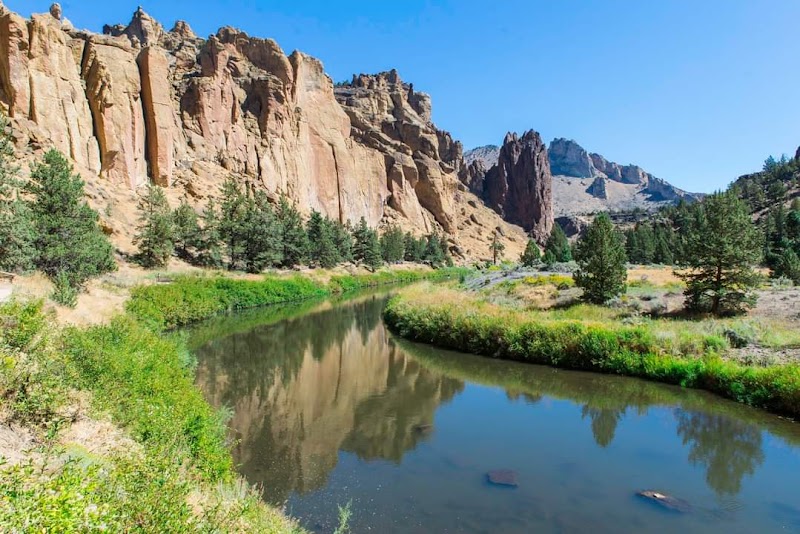
Every bend opens a new scene: verdant wooded banks, sweeping views of cliffs shaped over centuries, or patches of wildflowers where early voyagers might have camped. Pausing to absorb these moments enriches the physical effort with mental rest and wonder.
Ultimately, successful paddling marries timing, respect for the river’s pulse, and openness to the stories it carries. When planned well, the adventure transforms beyond a journey from one point to another — it becomes a dialogue with history and nature, telling a story told by water itself.
Nearby Trips
All Adventures
Boat Charters
Water Activities
Adventures near Bend
Discover the unique and memorable adventures that make Bend special.
Frequently Asked Questions
How do I know if river conditions are safe for paddling?
Check real-time river flow data from official sources or local outfitters, assess weather forecasts, and consider your skill level relative to reported current speeds and water levels.
What historical features can I expect to see along rivers in Oregon near Bend?
The rivers often pass remnants of old mills, trading posts, Native American heritage sites, and historic bridges, many marked with interpretive signage or documented in local guides.
Will the river be accessible year-round?
Water levels fluctuate seasonally; spring and summer typically offer the best paddling windows, while winter may bring ice or obstruction limiting access.
How difficult is it to navigate changing currents?
Moderate skill is required to read water patterns, such as eddies and ripples. Beginners should consider guided trips or easy stretches before tackling more dynamic flows.
Are there any environmental concerns paddlers should be aware of?
Yes, invasive species monitoring, fragile riverbank vegetation, and sensitive wildlife habitats require paddlers to stick to established routes and minimize disturbance.
Can I camp along the riverbanks during multi-day paddling trips?
Designated campsites are available, but it’s important to verify local regulations and practice Leave No Trace principles to preserve natural and cultural integrity.
Recommended Gear
PFD (Personal Flotation Device)
Mandatory for safety, a well-fitting PFD supports buoyancy across all river conditions.
Quick-Drying Footwear
Protects feet and improves traction on wet and rocky riverbeds.
Hydration Pack
Staying hydrated during the paddle is critical, especially when temperatures rise.
Dry Bag
Keeps electronics, clothing, and supplies dry throughout the journey.
Local Insights
Hidden Gems
- "A quiet bend near Tumalo Falls with panoramic views of volcanic rock formations"
- "A lesser-known Native American fishing platform site accessible by shallow waters"
Wildlife
- "Osprey and bald eagles frequently perch along riverbanks"
- "River otters are often spotted during early morning paddles"
History
"The rivers around Bend trace ancestral pathways of the Northern Paiute tribes and were crucial trade and transportation routes during early pioneer settlement, reflected in scattered artifacts and historic structures."