
The Deschutes River challenges and invites with its powerful rapids, offering an unforgettable adventure for paddlers of all levels. This guide cuts through the noise, detailing essential gear selections to ensure both comfort and safety on Oregon’s iconic river.
Choose Footwear with Secure Grip
Sturdy neoprene booties or river sandals with adjustable straps offer essential traction on slippery, rocky riverbeds, reducing injury risk.
Layer for Variable Weather
Use moisture-wicking base layers topped with a waterproof splash jacket to stay warm and dry against the river’s spray and wind.
Pack Hydration Strategically
Bring an insulated hydration pack to ensure water stays cool and accessible during your trip, especially in warmer months.
Plan for Morning Launches
Start early to take advantage of cooler temperatures and calmer winds, improving paddling control and comfort.
Essential Gear Choices for Comfort on Oregon's Deschutes Rapids

Lower Deschutes Classic Full Day Rafting Trip
Ages 5+ • Class II-III Rapids • 14 miles long • 7 hours total
Experience the thrill of whitewater rafting on Oregon's Deschutes River with Nate's Rogue Adventures. This full-day trip offers stunning canyon views, exciting rapids, and opportunities to spot local wildlife, making it a perfect outdoor adventure for everyone.
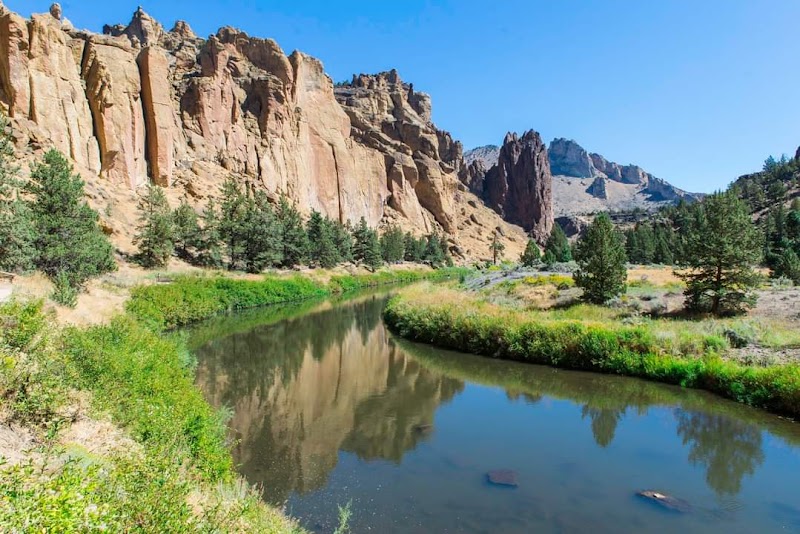
The Deschutes River doesn't just flow—it challenges with currents that twist and roar, daring you to move in rhythm with its pulse. Navigating these rapids is an adventure grounded in respect and preparation. Comfort on the water hinges on what you bring along: gear that shields, supports, and adapts to the river’s temperament.
Start with your footwear. The rocky riverbed beneath the churning water demands shoes with firm soles and secure straps—neoprene booties or lightweight river sandals with good tread will prevent slips and bruises. Your feet must feel protected but flexible enough to adjust as the river pushes forward.
A quick-drying wetsuit or splash jacket responds to the cold spray and changing weather; the Deschutes can cool even in mild summer heat. Layering is practical here—synthetic base layers wick moisture, while a durable outer shell blocks wind and water.
Don’t underestimate your personal flotation device (PFD). It should fit snugly without restricting arm movement, and offer sufficient buoyancy for swift currents. Consider a model with added pockets for waterproof storage—keeping essentials dry means staying ready for whatever the current throws your way.
Hydration and sun protection gear are your unseen allies. The sun looms overhead, especially in open canyon sections, so wear a brimmed hat coupled with polarized sunglasses to reduce glare. A hydration pack with an insulated reservoir both holds water and shields it from warming, crucial during summer descents.
For paddlers, gloves designed for gripping wet paddles prevent blisters while maintaining dexterity. A compact dry bag secured in the craft guards your phone, map, and snacks.
When planning the trip, note that the popular Deschutes stretch from Bend to Maupin covers roughly 20 miles with rapid classes ranging from II to IV. Water levels fluctuate seasonally; mid-June through early August offer more predictable flows. Early mornings bring cooler temperatures and calmer winds, making start times strategic.
In each dip and surge, the river remains fiercely itself—offering both thrill and a clear message: gear up thoughtfully, respect the current, and the rapids will reward your venture with an adventure that’s as comfortable as it is exhilarating.
Nearby Trips
All Adventures
Boat Charters
Water Activities
Adventures near Bend
Discover the unique and memorable adventures that make Bend special.
Frequently Asked Questions
What level of experience is required for paddling Deschutes rapids?
Portions of the Deschutes River, particularly between Bend and Maupin, feature Class II to Class IV rapids. Paddlers should be comfortable with reading river currents and performing basic swift water rescue techniques. Beginners should consider guided trips or start on milder stretches.
Are there any lesser-known launch points or viewpoints to explore?
Beyond the popular launch sites near Tumalo State Park, try the Warm Springs River Access for quieter put-in points with fewer crowds. The nearby Bridge Creek Viewpoint offers sweeping views of the river as it carves through canyon walls.
What wildlife might I encounter along the Deschutes River?
River otters are commonly spotted near calmer pools, and bald eagles patrol the skies. In the quieter forest edges, keep an eye out for mule deer and occasional black bears, especially during early morning or dusk.
How does the history of the Deschutes River influence current recreational use?
Historically, the Deschutes served as a corridor for Indigenous tribes and later settlers, shaping local culture. Modern use balances recreation with respect for archaeological sites and Native heritage, highlighting the importance of Leave No Trace principles.
What environmental considerations should paddlers keep in mind?
The river’s ecosystem is sensitive to pollutants and erosion. Stick to established trails and launch points, avoid disturbing wildlife, and never introduce non-native species via gear. Staying informed on current river conditions also helps protect fragile habitats.
When is the best time of day for photography along the Deschutes rapids?
Early morning offers soft light and often calmer winds, ideal for capturing reflections and wildlife activity. Late afternoon creates warmer tones and dramatic shadows on the rocky canyon walls, perfect for dynamic riverscapes.
Recommended Gear
Personal Flotation Device (PFD)
A snug-fitting PFD is mandatory for safety and mobility, and models with water-resistant storage pockets help keep essentials dry.
Neoprene Booties or River Sandals
Protects feet from sharp rocks and cold water while providing grip on slippery surfaces.
Quick-Drying Splash Jacket
Blocks wind and spray and maintains body warmth without weighing you down.
Hydration Pack with Insulated Reservoir
Keeps water accessible and cool, critical for hydration under hot, open canyon sun.
Local Insights
Hidden Gems
- "Warm Springs River Access - a less crowded put-in with rich birdlife"
- "Bridge Creek Viewpoint - panoramic views of winding river bends"
Wildlife
- "River otters"
- "Bald eagles"
- "Mule deer"
- "Occasional black bears at dawn/dusk"
History
"The Deschutes River has long been vital for local Indigenous tribes, serving as a travel route and resource hub. Its name comes from the French 'Rivière des Chutes,' meaning 'River of the Falls,' reflecting early settler impressions of its powerful currents."