
Essential Snacks and Drinks for Your Lowcountry Salt Marsh Cruise
Experience the Lowcountry salt marshes with ease by preparing the right snacks and drinks to keep you comfortable. This guide offers practical tips to stay hydrated and energized while you float through one of South Carolina's most vibrant coastal ecosystems.
Hydration Comes First
Bring at least 1 liter of water per person in an insulated bottle to stay cool and hydrated amid salty, drying winds.
Choose Non-Perishable Snacks
Pack snacks like nuts, jerky, and whole fruit that withstand heat and won’t crumble or spill in the boat.
Minimize Waste
Use reusable or biodegradable containers and always pack out your trash to protect the marsh's delicate ecosystem.
Time Your Breaks
Plan snack breaks during slow river stretches or wildlife sightings to avoid missing key moments on your cruise.
Essential Snacks and Drinks for Your Lowcountry Salt Marsh Cruise
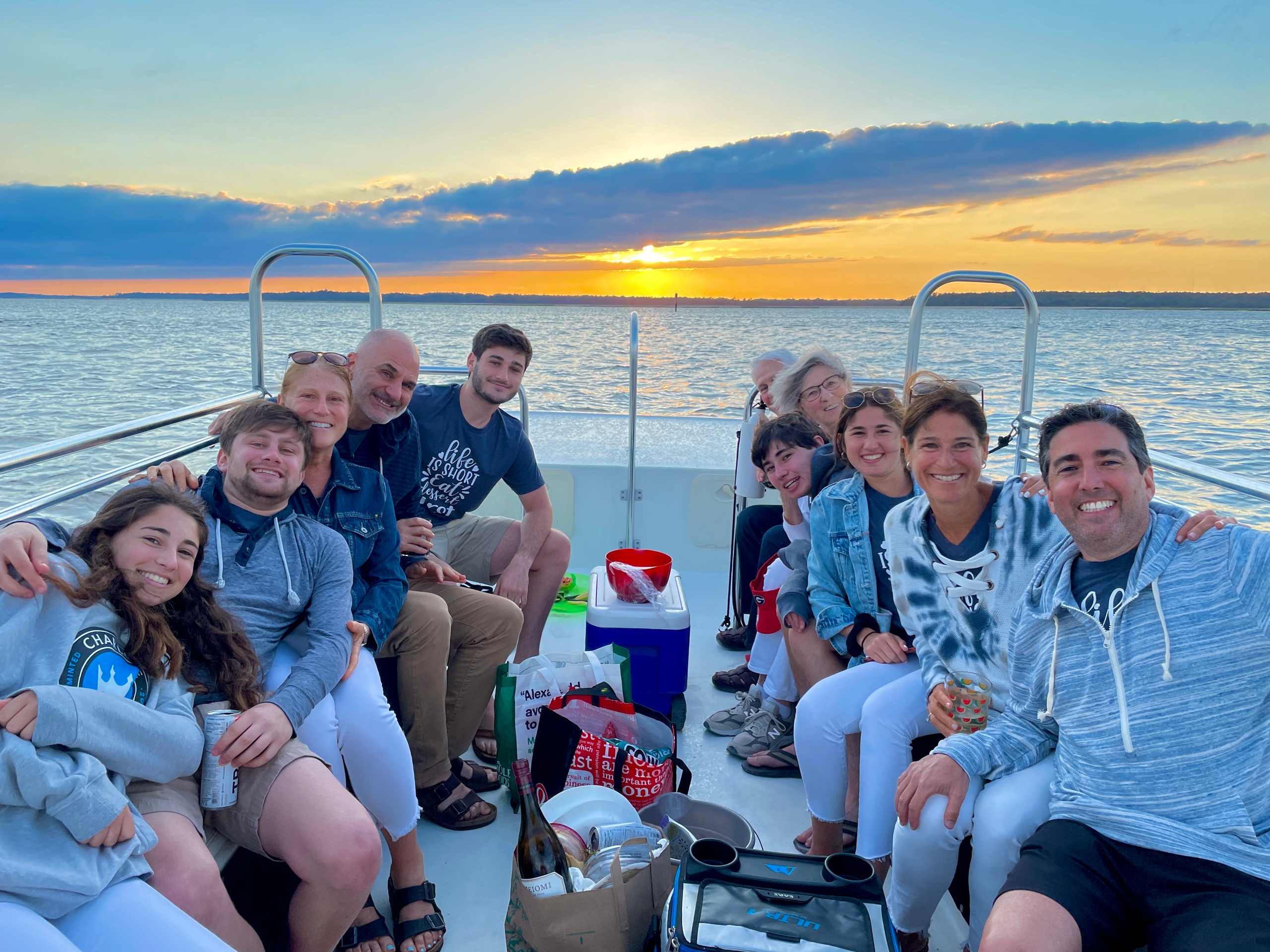
Sunset Dolphin Cruise
Dolphins and a Sunset: The Perfect Combination!
Discover the magic of South Carolina’s coastline on a private Sunset Dolphin Cruise in Hilton Head. Perfect for relaxing evenings, this boat tour combines scenic sunset views with playful dolphin encounters—an experience not to be missed.
A Lowcountry salt marsh cruise offers more than scenic waterways—it invites you into a living, breathing world where tides nudge your boat and wading birds patrol the grassy edges with purposeful ease. To make your journey comfortable and focused, preparing the right snacks and drinks is crucial. The marsh’s salty breeze stirs appetite and thirst alike, so pack smart.
First, hydration is your priority. The sun can sit high and heavy above the open water; a reusable water bottle with at least a liter capacity is a must. Consider insulated bottles to keep water cool over the hours the boat drifts and currents push you along. Adding electrolyte tablets can ward off any unexpected fatigue from heat and salt exposure.
For snacks, think practical and energizing—items that won’t spoil easily in the heat or crumble into the boat's woodwork. Trail mix with nuts, dried fruits, and seeds delivers warmth, crunch, and slow-burning energy. Beef jerky or turkey sticks offer protein to help keep you stable, especially on longer trips.
Fresh fruit like apples or oranges stand up better than berries or cut fruit, which get messy and fragile on a rocking vessel. Wrap sandwiches in parchment or reusable wraps to avoid excess waste and mess. Avoid anything greasy or heavily seasoned—the salt marsh air magnifies spices and can make you thirstier.
Keep drinks varied but simple. Besides water, light herbal teas or flavored waters work well; avoid sugary sodas or alcohol, as they can dehydrate and distract from the delicate balance of salt and freshwater around you. A thermos with hot tea or coffee is a nice touch for early morning cruises when mist still clings to the marsh grasses.
Consider portion sizes and packaging—the less bulk and trash, the better. Biodegradable or reusable containers maintain the cleanliness of the fragile salt marsh ecosystem. Always carry a small bag to pack out your trash, no matter how minimal.
Finally, think about timing your snack breaks with natural pauses in the cruise. When the boat slows near an egret stalking the mudflats or a family of dolphins slips through the channel, these offer perfect windows to refuel without missing a beat.
By preparing thoughtfully, your Lowcountry salt marsh cruise can stay comfortable, focused, and connected to this fiercely alive landscape—a place that won’t wait, but invites you to move respectfully alongside it.
Nearby Trips
All Adventures
Boat Charters
Water Activities
Adventures near Beaufort
Discover the unique and memorable adventures that make Beaufort special.
Frequently Asked Questions
Can I bring my own food and drinks on a salt marsh cruise?
Most tours allow light snacks and non-alcoholic drinks, but it's best to confirm with the operator. Pack foods that are easy to handle and avoid anything messy to protect the environment.
What kind of wildlife might I see during the cruise?
Expect to spot great egrets, herons, fiddler crabs, and sometimes dolphins or marsh rabbits. Spring and fall migrations increase the number of birds passing through.
Are there shaded areas on the boat where I can rest?
Many boats offer partial canopy coverage, but shading may be limited. Bringing a wide-brimmed hat and sunscreen is recommended to protect against UV exposure.
How long should I plan to stay out on the water?
Cruises typically range from 2 to 4 hours depending on the route and tide. Pack snacks and drinks to cover this duration comfortably.
Is the salt marsh cruise suitable for children?
Yes, most salt marsh cruises are family-friendly but children should be supervised near the water. Bringing gentle snacks and hydrating drinks helps keep young adventurers comfortable.
What should I do with my trash during the trip?
Bring a small bag to collect all your waste and pack it out. The salt marsh is a sensitive environment; leaving no trace is crucial to protecting its vitality.
Recommended Gear
Insulated Water Bottle
Keeps water cool and prevents overheating during hot, humid marsh days.
Reusable Snack Containers
Protects snacks from sand and saltwater while reducing single-use packaging waste.
Lightweight Hat and Sunglasses
Shields your face and eyes from strong coastal sunlight and reflected glare off the water.
Insect Repellent Wipes
Helpful for managing mosquitoes during warm evenings or when vegetation thickens.
Local Insights
Hidden Gems
- "The Rose Island Inlet offers less-traveled views of sprawling spartina grasslands just beyond Beaufort's busy waterways."
- "Hidden oyster beds near the marsh tides reveal marine life thriving beneath the surface."
Wildlife
- "Look for the shy marsh rabbit darting beneath grasses, and listen for the staccato calls of clapper rails."
- "Horseshoe crabs can be spotted during early summer spawning seasons along muddy shores."
History
"This region's salt marshes have long supported local Gullah communities and were strategic sites during the Revolutionary and Civil Wars, with tidal creeks used for transportation and trade."