Winter transforms Death Valley into an ideal stage for hot air balloon flights, offering cool, calm mornings perfect for soaring above iconic desert landscapes. This guide helps you navigate timing and weather considerations to ensure your flight is both safe and spectacular.
Book Early Morning Flights
Schedule flights just after sunrise when winds are typically lowest and the air is firm, creating optimal flying conditions.
Dress in Warm Layers
Temperatures can be chilly pre-dawn but warm quickly; layering lets you adapt to the desert’s variable climate during flight.
Stay Hydrated
Desert air dries you out fast, even in winter. Bring water before and after the flight to maintain energy and comfort.
Check Weather Updates Often
Death Valley’s wind conditions can shift rapidly; rely on balloon operators and meteorological reports to know if flights are go or no-go.
Winter Winds and Clear Skies: Timing Your Death Valley Hot Air Balloon Flight

Sunset Private Flight
Book your private basket and pilot
Take a winter helicopter flight with Sunset Private Flight over Death Valley’s iconic canyons and salt flats, with a champagne toast on landing.
Death Valley’s winter mornings hold a special invitation for hot air balloon enthusiasts—calm air, crisp temperatures, and sweeping visibility. The desert’s notorious heat subsides, leaving behind clear skies and stable atmospheric layers that are crucial for a safe, serene ascent. Timing your flight in the colder months isn’t just a comfort choice; it’s a matter of weather physics. Early morning flights, typically between sunrise and mid-morning, benefit from cooler ground temperatures and minimal wind, increasing your chances for a smooth, extended drift over the valley.
Winters here aren’t cold like other deserts; they hover between 40–65°F (4–18°C), warming quickly with the rising sun, which you’ll feel during mid-flight. Winds tend to be gentler before dawn as the air settles overnight, but Death Valley’s geography can shift that calm quickly as the sun heats the basin floor, causing eddies and gusts that dare the balloon to hold course. Operators often monitor local weather stations and wind shear reports closely—unexpected gusts can push the flight off schedule or shorten its duration.
Planning your balloon ride means aligning your adventure with the weather window. Late November through February is the safest bet. Beyond that, springs and falls can bring unstable wind patterns; summers are too hot, risking turbulence and thermals aggressive enough to challenge pilots. Dew point, humidity, and barometric pressure play subtle but pivotal roles—high humidity can obscure visibility, while low pressure shifts the balloon’s buoyancy.
Be prepared for desert thermal swings. Dress in layers: a warm jacket for the pre-flight chill, gloves to keep hands nimble during launch and landing, and sunglasses to shield your eyes from the sun's glare reflecting off salt flats. Footwear should be sturdy and closed-toe; the launch zones often scatter with gravel and uneven earth, and landing sites can be rough—the terrain itself acts like a stern host, demanding respect.
Hydration is crucial. The desert air, even in winter, zips moisture away quickly. Bring water to sip before and after your flight. Avoid heavy meals on the morning of your flight to keep your body light and agile. Check with your balloon company for their policies on cancellations or delays—wind shifts can change course in minutes.
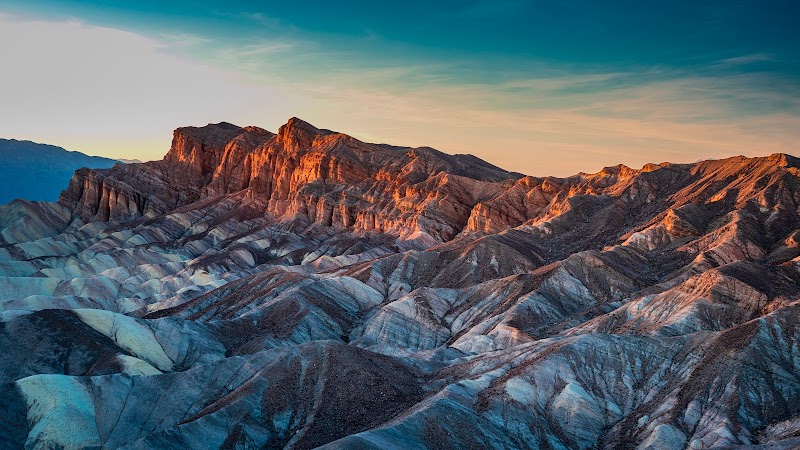
Your reward is the valley’s vast personalities unfolding beneath you—the sand dunes laying like golden waves, salt flats stretching crystalline and white, mountains presiding silently in the distance. The wind and cold measure the moment, pressing you to move with care amid an environment that’s fiercely itself, where every second in the air tests the pilot’s skill, and every sight is a reminder that Death Valley in winter is alive with subtle motion.
In summary, pick your dates between late fall and winter, aim for early morning slots, watch the weather forecasts with a keen eye, layer your clothing, and prepare to greet a landscape that challenges and thrills equally. Hot air ballooning here is a blend of technical timing and raw natural beauty, perfectly balanced for those ready to meet the desert on its own terms.
Nearby Trips
All Adventures
Boat Charters
Water Activities
Adventures near Beatty
Discover the unique and memorable adventures that make Beatty special.
Frequently Asked Questions
Why is winter the best season for hot air balloon flights in Death Valley?
Winter brings cooler temperatures and more stable air conditions, reducing thermal turbulence that can disrupt balloon flights. Early morning calm winds also increase flight safety and enjoyment.
What weather conditions can cancel a hot air balloon flight in Death Valley?
Strong winds exceeding safety thresholds, gusty turbulence, and storms are primary causes. Sudden changes in wind direction and speed near the ground can also lead to cancellations to ensure passenger safety.
How long does a typical winter balloon flight last in Death Valley?
Flights usually last between 45 and 90 minutes, with total outing time including setup and recovery spanning about 2 to 3 hours.
Can I expect to feel cold during the flight?
Pre-dawn temperatures can be chilly, especially when standing still on the ground. Once airborne, the sun warms the air and the breeze eases the chill, but layering is recommended to stay comfortable.
Are there any wildlife sightings from the balloon in winter?
While animals are more elusive in the winter, you might spot birds like ravens and hawks riding air currents, plus occasional desert mammals visible from higher vantage points.
What should I wear and bring for a winter balloon flight in Death Valley?
Wear layers including a warm jacket and gloves, sturdy shoes for uneven terrain, and bring sunglasses and water to stay hydrated and protected.
Recommended Gear
Layered Clothing
Allows adjustment to pre-flight cold temps and mid-flight warmth.
Sturdy Closed-Toe Shoes
Protects feet on uneven, rocky launch and landing terrain.
Sunglasses
Shields eyes from sun glare reflecting off desert surfaces.
Water Bottle
Prevents dehydration in dry desert air, even in cooler months.
Local Insights
Hidden Gems
- "Fly over the Mesquite Flat Sand Dunes at sunrise for soft shadows molding the sand."
- "Glide past Salt Creek’s rare desert oasis, a vital habitat often missed by ground tours."
Wildlife
- "Desert bighorn sheep occasionally appear on mountain slopes."
- "Golden eagles and red-tailed hawks soar the thermals, offering striking views from above."
History
"Death Valley’s balloon landscape hovers above a place once traversed by miners and pioneers, with abandoned ghost towns below telling tales of early exploration and survival."