
Navigating Louisiana Plantation Regulations and Preservation Etiquette
Visiting Louisiana plantations is an immersive journey into American history, shaped by rich culture and deep sensitivities. Learn how regulations protect these landmarks and discover the etiquette required to respectfully explore and preserve their stories for future generations.
Follow Designated Paths
Stay on marked walkways to protect fragile landscapes and historic structures. Wandering off can damage grounds and disrupt restoration efforts.
Respect Photography Rules
Some interior spaces may restrict flash or photography altogether. Always check signage or ask guides before taking photos.
Wear Appropriate Footwear
Uneven terrain, gravel paths, and damp surfaces require solid walking shoes with grip to ensure safety and comfort during your visit.
Hydrate and Time Your Visit Wisely
Louisiana humidity can be taxing. Bring water and plan tours during early or late hours to avoid heat and crowds.
Navigating Louisiana Plantation Regulations and Preservation Etiquette

Laura Plantation
Laura Plantation
Discover the compelling history of Laura Plantation with a private guided tour in New Orleans. Experience personalized insights into Louisiana's rich cultural heritage while exploring stunning historic grounds.
Exploring Louisiana's plantations introduces visitors to a landscape fiercely holding onto its complex past. These historic sites are not only places of tourism but also protected cultural landmarks governed by strict preservation laws designed to honor their significance and maintain their structural integrity. Understanding the regulations surrounding plantation visits is essential to an engaged and respectful experience.
Louisiana plantations fall under various local, state, and federal guidelines that dictate what visitors can and cannot do. Most plantations are protected under historic preservation laws that restrict alterations, prohibit unauthorized photography in certain areas, and ban the removal or damage of artifacts and structures. These require visitors to stay on designated paths and observe signage carefully—taking nothing but photos and leaving no trace.
Preservation etiquette in this context means more than just following rules; it’s an active stance of respect. Plantations are homes to history, sometimes painful, sometimes enlightening, but always sacred ground for the stories of hundreds of lives. By adhering to guidelines such as no flash photography inside buildings, keeping noise levels low, and asking permission before touching or photographing delicate details, you ensure the site remains intact for future explorers.
Planning your visit should include checking official websites or visitor centers for any seasonal closures or special rules tied to restoration work. Many plantations also offer guided tours, which provide deeper insights while helping manage foot traffic and group size. This balances preservation with accessibility, making the experience both informed and sustainable.
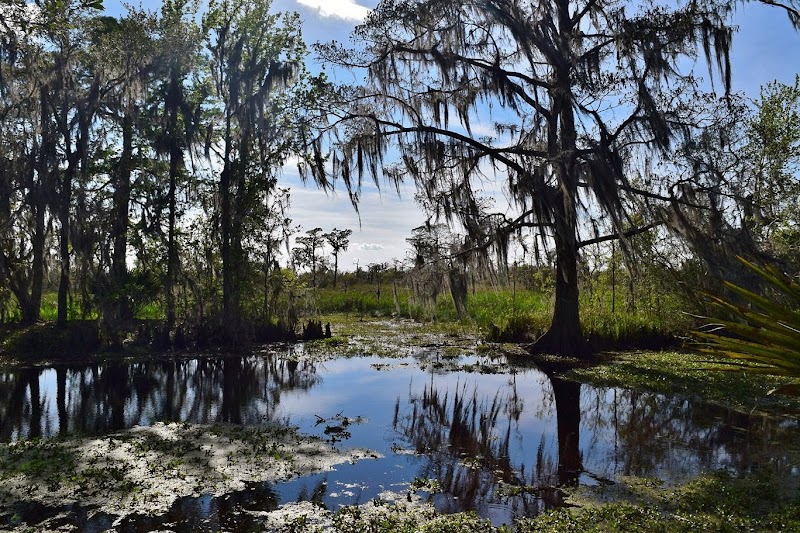
On the ground, terrain varies: gravel walkways, moss-covered gardens, and centuries-old oak trees draped with live oak and Spanish moss that seem to lean in, witnessing each footstep. The air is often thick with the Louisiana humidity, carrying sounds of nearby rivers that dare you closer with their subtle rush. Comfortable footwear with good grip is important, as some areas can be uneven or slick after rain.
Timing your visit early morning or late afternoon enhances the experience, avoiding midday heat and crowds. Bring water and plan for rest stops—in many cases, plantations have limited facilities. Photography enthusiasts will appreciate soft morning light that breathes dimension into wrought iron gates and brick facades coated in ivy.
Most importantly, approach your visit as an encounter with something fiercely itself: a landscape shaped by history, environment, and human hands, demanding respect and understanding rather than domination. Follow the rules, absorb the stories, and leave the site as you found it, ready for the next adventurer.
Nearby Trips
All Adventures
Boat Charters
Water Activities
Adventures near Baton Rouge
Discover the unique and memorable adventures that make Baton Rouge special.
Frequently Asked Questions
Are visitors allowed inside all buildings on plantations?
Access varies by plantation. Many offer guided tours inside main house areas, but some outbuildings or private sections may be off-limits. Always follow posted rules and tour guides’ instructions.
Can I touch or pick plants from the plantation gardens?
No. Plantations preserve their gardens as living exhibits. Touching or removing plants can disrupt meticulously maintained landscapes and disturb ecosystems.
Are there restrictions on drone photography at plantation sites?
Yes. Due to privacy concerns and preservation regulations, drone use is usually prohibited unless special permits are granted. Check local rules before planning drone photography.
What wildlife might I encounter at Louisiana plantations?
Expect typical Southern wildlife such as herons wading in nearby wetlands, ibis fluttering among trees, and occasional sightings of armadillos or squirrels. These inhabitants add life to the grounds but should not be disturbed.
Is there public transportation to plantations from nearby cities?
Public transportation options are very limited. Most visitors rely on personal vehicles or organized tours departing from cities like Baton Rouge or New Orleans.
How can I contribute to preservation while visiting?
Follow all site rules, support official tours and gift shops, and consider donations or memberships if available. Your respect and contributions help maintain these historic places.
Recommended Gear
Comfortable Walking Shoes
Ensure safe footing on gravel paths and uneven terrain typical of plantation grounds.
Water Bottle
Stay hydrated, especially in hotter months when humidity can dehydrate quickly.
Lightweight Rain Jacket
Spring rains can be frequent; a compact rain jacket keeps you dry without weighing you down.
Insect Repellent
Mosquitoes and bugs can be persistent in warm months; repellent improves comfort on outdoor tours.
Local Insights
Hidden Gems
- "Tranquil back-garden paths shaded by ancient oak trees"
- "Lesser-known slave quarters preserved for interpretive tours"
- "Riverside views where the Mississippi quietly defies the bounds"
- "Underground cisterns revealing early plantation water management"
Wildlife
- "Great blue herons stalking water edges"
- "Southern brown recluse spiders lurking in quiet corners"
- "Northern cardinals flashing red through the moss"
- "Box turtles crossing shaded woodland floors"
History
"Many plantations were sites of significant cultural and economic activity before and after the Civil War, reflecting both the wealth of their owners and the forced labor of enslaved people. Preservation efforts aim to fully acknowledge this history alongside architectural beauty."