
Mastering Kayaking in Louisiana: Adapting Techniques for Seasonal Weather Shifts
Louisiana’s waterways shift dramatically with the seasons, challenging kayakers to adapt their techniques to changing currents, water levels, and temperatures. This guide offers practical tips for paddling through spring floods, summer heat, fall low waters, and winter chills—arming you with knowledge to experience these dynamic environments safely and confidently.
Check Water Levels Before Launch
Water levels can rise or fall rapidly in Louisiana’s bayous; consult local sources and apps to avoid unsafe conditions.
Hydrate Often, Especially in Summer
High humidity accelerates dehydration—bring ample water, electrolytes, and plan breaks in shaded spots.
Wear Layered, Quick-Dry Clothing
Weather and temperatures can fluctuate—choose layers that dry quickly and protect against sun and cold.
Understand Local Wildlife Habits
Respect nesting sites and animal territories to minimize disruption and stay safe around aggressive or protective species.
Mastering Kayaking in Louisiana: Adapting Techniques for Seasonal Weather Shifts

Single Pelican Bandit Kayak Rental
Age 18+ to book • 4 or 8 Hours • Fits 1 Person Per Kayak
Discover the calm, coastal waters of Largo with a beginner-friendly kayak rental from Downstream Kayak Rentals. Wade into gentle estuaries and spot local wildlife with ease—perfect for a relaxed day on the water.
Louisiana's waterways are alive with motion, daring kayakers to navigate currents that shift with the seasons. The bayous pulse differently depending on the time of year—spring rains push water levels higher, while summer brings still, humid heat that demands patience and precision. As autumn cools the air, the river slows, inviting a steady, explorative stroke, and winter chills set a brisk tempo that tests endurance. Each season in Louisiana challenges your technique as much as it reveals the state's rugged, fiercely authentic landscape.
In spring, paddle strokes must adjust to faster currents after heavy downpours. Kayakers should lean into the flow, reading the water's surges and respecting its unpredictability, especially along the Atchafalaya Basin, where floodwaters can transform familiar channels overnight. Gear up with waterproof bags and a reliable bilge pump; riverbanks may be slippery and deceptive with fresh mud and overgrown brush. Timing your trips mid-morning ensures calmer winds and safer navigation.
Summer demands a tactical approach to heat and humidity that can sap even the most experienced paddler’s energy. The Mississippi River's calm stretches mirror a glassy surface, but beneath, a slow current nudges your kayak onward. Hydration becomes a critical factor—carry at least two liters of water and cover up with UV-protective clothing. Early morning and late afternoon launches beat the heat and avoid swarms of insects that come alive as the sun peaks. Techniques here favor longer, steady paddling bursts punctuated by purposeful rests in shaded bayous.
Fall’s cooler temperatures usher in a smoother rhythm. The water levels recede, revealing hard-packed mudflats and oyster beds along the coast. Kayak navigation morphs into a more exploratory venture, where bow sweeps and precise edging help maneuver shallow inlet systems without grounding. Wildlife chatter becomes your companion as migratory birds, like herons and egrets, stake their winter territories. Autumn is optimal for multi-day trips, with lower humidity and balanced winds providing a safer, more enjoyable experience.
When winter arrives, the chilling fog skims the water’s surface like a whispered challenge. Paddling Louisiana’s waterways requires layering with quick-dry thermal gear and a drysuit if temperatures dip below 50°F. Though the water runs colder and currents slow, fatigue sets in faster. Short, powerful strokes maintain momentum, while frequent resets ensure balance amid unseen debris or floating vegetation. Winter kayakers discover a quieter world where fog blankets the bayou and silence dominates. These moments reward with raw scenery undisturbed by crowds.
Adapting your technique across seasons means reading the river’s mood, respecting its power, and preparing accordingly. Whether managing spring floods, summer stillness, fall’s intricate waterways, or winter’s cold quiet, Louisiana promises a dynamic kayaking experience unlike any other in the South. Embrace the push and pull of nature’s rhythm, and your paddle will find its place in the flow.
Nearby Trips
All Adventures
Boat Charters
Water Activities
Adventures near Baton Rouge
Discover the unique and memorable adventures that make Baton Rouge special.
Frequently Asked Questions
How do spring floods affect kayak routes in Louisiana?
Spring floods can alter familiar waterways overnight—channels widen, currents quicken, and new debris can appear. It’s essential to check up-to-date local water level reports and adjust routes accordingly to avoid being caught in hazardous conditions.
What wildlife might I encounter on a fall kayaking trip?
In fall, migratory birds like great blue herons and snowy egrets populate the marshes. You may also spot river otters and turtles basking on logs. This season offers high wildlife visibility as animals prepare for winter.
Are there any cultural sites accessible by kayak?
Yes. Certain areas near Baton Rouge allow access to historic Native American mounds and old plantation waterways, offering a glimpse of the region’s deep history intertwined with its rivers.
What environmental concerns should kayakers be aware of?
Avoid disturbing nesting sites and fragile marsh plants, particularly in protected areas. Dispose of waste responsibly and be cautious to prevent the spread of invasive species by cleaning your kayak between trips.
Are guided kayak tours recommended for beginners?
Absolutely. Especially in seasons with volatile water conditions, experienced guides provide local knowledge, safety support, and route optimization that can make the difference between a challenging trip and an unsafe one.
What local features can provide unique photo opportunities while kayaking?
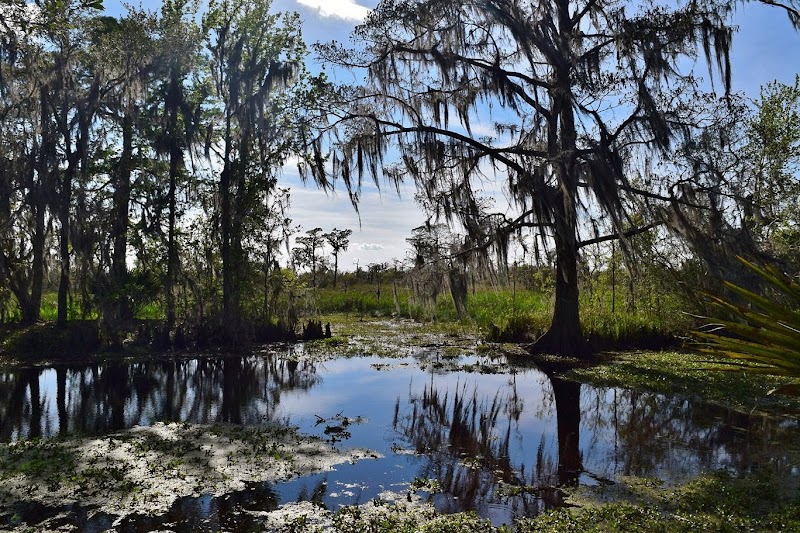
The early morning fog over the Atchafalaya Basin paints ethereal scenes. Elevated cypress knees and sprawling Spanish moss provide textured land-water contrasts perfect for capturing the wild mood of a Louisiana bayou.
Recommended Gear
PFD (Personal Flotation Device)
Always required for safety; a comfortable, fit PFD allows freedom of movement and emergency buoyancy.
Dry Bag
Imperative to keep essentials dry due to frequent splashes and rainy conditions, especially in spring and fall.
UV-Protective Clothing
Reflects harmful rays during intense Louisiana sun and reduces overheating during long paddles.
Thermal Layers or Drysuit
Critical for cold-weather paddling to maintain core warmth and prevent hypothermia.
Local Insights
Hidden Gems
- "Driftwood-strewn side channels in the Maurepas Swamp Wildlife Management Area offer quiet paddling with close wildlife encounters."
- "The barely marked Bayou Manchac trail, known locally as a peaceful shortcut, reveals untouched shoreline ecosystems."
Wildlife
- "Louisiana black bears occasionally make appearances in swampy areas—kayakers should keep distance and avoid startling these elusive creatures."
- "Rare songbirds like the Prothonotary warbler thrive in flooded forests, especially in spring and fall."
History
"The bayous of Louisiana hold layers of history from Native American tribes to French colonial traders, reflected in water routes that once served as trade and travel arteries."