
Flatlands on Two Wheels: Essential Safety Gear, Hydration, and Etiquette for Extended Biking in Louisiana
Louisiana’s unique flat terrain offers an inviting challenge for long-distance cyclists, where endurance meets the steady rhythm of bayous and open fields. Discover essential gear choices, hydration strategies, and trail etiquette to confidently navigate the landscape’s fierce yet calm character.
Prioritize Hydration with Electrolytes
Carry at least two liters of water and supplement with electrolytes to balance sweat loss in Louisiana's humid climate.
Use UV-Protective Apparel
Long rides under an unrelenting sun require breathable, UV-blocking clothing to prevent heat exhaustion and sunburn.
Respect Multi-Use Trails
Share the path with walkers and fishermen by signaling clearly and yielding when appropriate to keep everyone safe.
Carry a Basic Repair Kit
Plan for flats or mechanical issues with tubes, tire levers, and a pump; remote stretches may lack quick assistance.
Flatlands on Two Wheels: Essential Safety Gear, Hydration, and Etiquette for Extended Biking in Louisiana

Down By the River Bike Ride
Join us for a bike ride in Norco, LA
Discover the stories of environmental justice and local history along River Road with Louisiana Bucket Brigade’s engaging bike tour in New Orleans. A perfect blend of scenery, activism, and active fun, this ride offers a unique way to experience the city’s cultural landscape.
Louisiana’s flat terrain invites long-distance cyclists to engage with a landscape that is deceptively dynamic. The endless horizon challenges endurance rather than elevation, with winding bayous and open fields testing your stamina under the southern sun. To tackle these long rides, you need more than just a roadworthy bicycle; you must prepare for the environment that is fiercely itself—still, humid, sun-drenched, and alive with subtle movement.
Start with gear that focuses on practicality and protection. A lightweight, breathable helmet with ample ventilation is non-negotiable. Flat roads mean long stretches without natural shade, so UV-protective clothing layered with moisture-wicking fabrics keeps you cool and shields your skin. Cycling gloves protect your hands from prolonged grip fatigue while padded cycling shorts reduce saddle soreness for the miles ahead.
Hydration in Louisiana’s flatscape demands serious attention. The air holds moisture like a sponge, making sweat less noticeable but no less draining. Carry multiple water bottles or a hydration pack capable of holding at least two liters. Electrolyte supplements are essential to replace salts lost during the ride, especially when temperatures climb above 80°F. Plan your route around refill stations if possible; rural stretches can test your supply. Early morning or late afternoon rides reduce exposure to the day's heat pulse, when the sun dares to assert its dominance across the flat expanse.
Respect for the landscape and fellow riders is key. Louisiana’s slow-moving rivers and bayous push their own rhythms, and local trails invite you to share the path with others, including walkers and fishermen. Signal turns and stops clearly. Yield to foot traffic as the terrain offers little time or space to recover from sudden braking. Noise carries easily across flatlands, so moderate your volume to keep the environment’s subtle sounds—birdcalls, rustling leaves—intact.
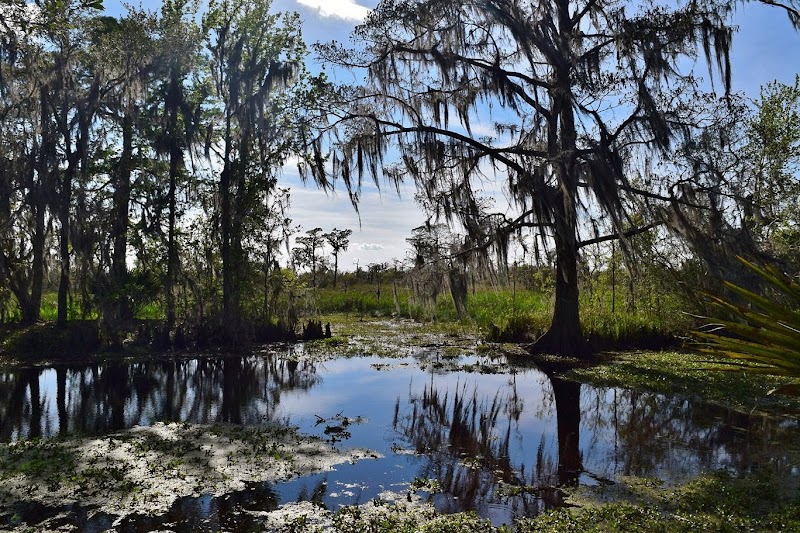
Expect 20 to 50 miles per ride on primarily paved or crushed gravel surfaces, with elevation gain rarely exceeding 200 feet. The terrain moves beneath your tires like a steady heartbeat, demanding endurance over technical skill but rewarding you with scenic views of cypress-lined waterways and dew-draped fields. Nature here is patient but insistent; mosquitoes and heat remind you that the wildness is present even in gentleness.
Timing your trip and preparation will enhance the practical pleasure of this cycling adventure. Pack sunscreen, organize regular hydration stops, and bring a basic repair kit with spare tubes and a pump. These elements keep you connected to the ride without interruptions that pull you out of rhythm. With these essentials, you can confidently engage with Louisiana’s flat landscape—a setting fiercely itself, waiting for the steady push of your pedals.
Nearby Trips
All Adventures
Boat Charters
Water Activities
Adventures near Baton Rouge
Discover the unique and memorable adventures that make Baton Rouge special.
Frequently Asked Questions
What are the best times of day to bike in Louisiana’s flatlands?
Early mornings and late afternoons are ideal due to cooler temperatures and reduced sun intensity. Midday rides expose you to intense heat, increasing risk of dehydration and sunburn.
Are there specific local etiquette rules for shared bike trails?
Yes, always signal turns and stops, reduce your speed when passing walkers, and avoid loud noises to maintain the tranquility of natural spaces valued by other users.
What local wildlife might I encounter during extended rides?
Expect to see great blue herons, kingfishers near waterways, and sometimes turtles crossing trail edges. Mosquitoes and dragonflies are also common, especially near standing water.
Is technical bike skill necessary for the flat terrain of Louisiana?
While elevation changes are minimal, good bike handling skills are important for managing turns, varying road surfaces like gravel, and sudden wildlife crossings.
How do I stay safe from weather-related hazards during my ride?
Carry a weather app, pack rain-resistant gear, avoid exposed routes during thunderstorms, and bring layers for temperature changes—especially in the early spring and late fall.
Are there any cultural or historical points of interest along popular biking routes?
Yes, some routes pass near historic plantations and small towns where you can glimpse Louisiana's deep cultural roots. Plan stops to appreciate local art, cuisine, and heritage markers.
Recommended Gear
Ventilated Cycling Helmet
Protects your head while offering air flow to reduce overheating on long rides.
Hydration Pack with Electrolyte Tablets
Enables continuous hydration and replenishment of minerals lost through sweat in Louisiana's humid summers.
UV-Protective Cycling Jersey
Blocks sun rays while promoting breathability to keep skin safe and body temperature regulated.
Compact Repair Kit
Includes tools and spares necessary for fixing flats or minor mechanical issues during extended rides.
Local Insights
Hidden Gems
- "Peaceful levee trails alongside the Amite River"
- "Secluded backroads with views of old oak stands"
- "Quiet fishing piers revealing unique ecosystems"
Wildlife
- "Prothonotary warblers"
- "Louisiana black bear (rare sightings)"
- "River otters playing near bayous"
History
"The flatlands trace a legacy of plantations and indigenous settlements, echoing centuries of human-environment interaction visible in levees and old brick paths."