
Essential Gear Selection for Beginner Kayaking on Louisiana’s Lakes
Local lakes in Louisiana provide beginner kayakers with calm water and captivating natural scenery. This guide breaks down the essential gear needed to paddle confidently, offering practical tips to prepare you for a safe and enjoyable experience on these inviting waterways.
Choose a Stable Sit-On-Top Kayak
Select a kayak at least 8 feet long and 30 inches wide for beginner stability and easy balance on calm lake waters.
Wear a Coast Guard-Approved PFD
Always wear a personal flotation device that fits snugly and allows free movement to ensure safety during your paddle.
Check Weather and Water Conditions
Monitor local weather forecasts and wind patterns; mornings usually offer calmer waters perfect for beginners.
Pack Hydration and Sun Protection
Bring a water bottle and apply waterproof sunscreen to stay hydrated and shielded from the southern sun’s intensity.
Essential Gear Selection for Beginner Kayaking on Louisiana’s Lakes

Single Pelican Bandit Kayak Rental
Age 18+ to book • 4 or 8 Hours • Fits 1 Person Per Kayak
Discover the calm, coastal waters of Largo with a beginner-friendly kayak rental from Downstream Kayak Rentals. Wade into gentle estuaries and spot local wildlife with ease—perfect for a relaxed day on the water.
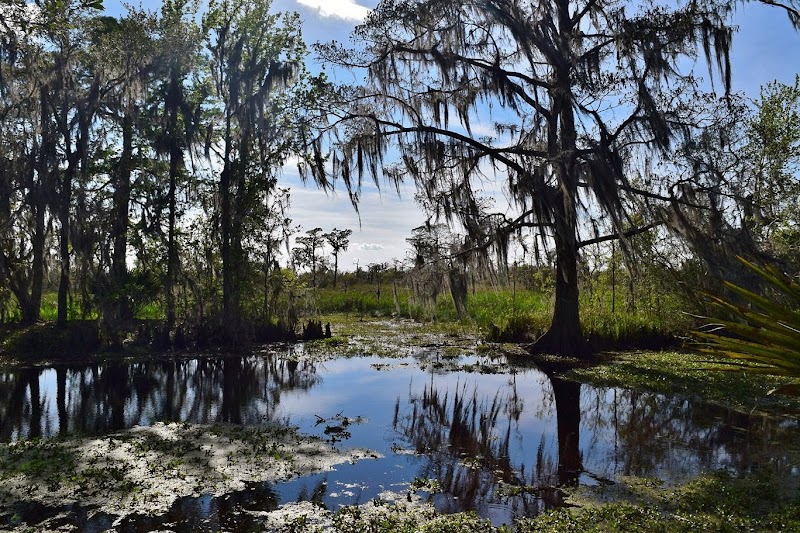
Louisiana’s local lakes offer an inviting playground for beginner kayakers seeking calm waters and easy access. The slow-moving water bodies, bordered by cypress knees and tall reeds, encourage a focused connection with the environment—currents move steadily, inviting rather than challenging, perfect for first-timers. To navigate these tranquil waters confidently, choosing the right gear is crucial to stay safe and comfortable.
Start with a stable kayak designed for flatwater. A wider sit-on-top model provides balance and easy entry and exit, ideal for new paddlers. When scouting for your kayak, check length and width—8 to 10 feet and at least 30 inches wide hit the sweet spot for confidence and control on calm lake surfaces.
Don’t overlook the paddle. A lightweight, mid-sized paddle around 210 to 230 cm works well for average heights and ensures steady progress without exhausting your arms. Look for a paddle with a comfortable grip and durable shaft, preferably fiberglass or reinforced plastic.
The personal flotation device (PFD) is non-negotiable. A snug, Coast Guard-approved life jacket ensures safety without restricting movement. Opt for one with pockets to stash essentials like a whistle or sunscreen.
Dress for the weather and water. Moisture-wicking, quick-drying clothes keep you comfortable. Water shoes or sturdy sandals with straps protect your feet when launching or exploring shorelines. Don’t forget a wide-brimmed hat and polarized sunglasses to cut the glare from the water’s surface.
Consider extras: a dry bag for snacks and phone, a small first aid kit, and a whistle for signaling. A water bottle in a bungee-corded holder will keep hydration handy as the southern sun pushes down.
Before setting out, check wind and weather reports—Louisiana afternoons tend to bring gusts, and sudden weather changes can ripple through the waterways. Morning paddles often offer the calmest waters and cooler temperatures.
Familiarize yourself with the lake’s layout: many local lakes have marked trails or designated launch points. Understanding the shape and any natural obstacles like submerged logs or tangled vegetation helps avoid surprises. These lakes are fiercely themselves—respect the quiet currents and wildlife like herons or turtles that inhabit them.
Selecting the right gear makes the difference between a tentative dip and an enjoyable glide. Ready your kayak, paddle, and safety essentials, and you’ll be poised to meet Louisiana’s lakes on their terms—steady, serene, and welcoming.
Nearby Trips
All Adventures
Boat Charters
Water Activities
Adventures near Baton Rouge
Discover the unique and memorable adventures that make Baton Rouge special.
Frequently Asked Questions
What water conditions should beginners expect on Louisiana’s lakes?
Most local lakes feature calm to mildly flowing water, with gentle currents that rarely exceed beginner paddling difficulty. Expect slow-moving water, occasional wind gusts, and natural debris like fallen branches or reeds.
Are there any dangerous wildlife I should be aware of while kayaking?
Alligators inhabit many Louisiana lakes but typically avoid human interaction. Stay alert, avoid paddling near alligator nests, and maintain respectful distance from any wildlife.
Where are the best launch points near Baton Rouge for beginner kayakers?
Local parks such as Highland Park and Perkins Rowe provide gentle launch sites with accessible parking and facilities, designed with beginners in mind.
How can I protect my gear from Louisiana’s humid climate?
Use waterproof dry bags and silicone-treated paddles or gear to prevent damage. After each outing, rinse equipment with fresh water and dry properly to avoid mildew.
Can I rent kayaking gear locally, or should I bring my own?
Several outfitters around Baton Rouge offer beginner kayak rentals and guided tours, ideal for those without gear or looking for on-site advice.
What safety precautions are recommended for first-time kayakers?
Always wear a PFD, carry a whistle to signal if needed, paddle with a buddy, and review the weather forecast before heading out. Stay close to shore and avoid paddling alone on unfamiliar waters.
Recommended Gear
Sit-On-Top Kayak
Provides stability and easy entry for flatwater kayaking on Louisiana lakes.
Personal Flotation Device (PFD)
Essential safety gear to stay buoyant and protected while on the water.
Lightweight Paddle
A paddle between 210-230 cm helps maintain efficient strokes without fatigue.
Water Shoes
Protect your feet during launch and shoreline exploration while providing traction on slippery surfaces.
Local Insights
Hidden Gems
- "The lesser-used back channels of Lake Sherwood provide quiet paddling away from the main boat traffic."
- "Look for quiet stands of bald cypress trees with their twisted knees rising above the water."
Wildlife
- "Great blue herons and anhingas are frequent visitors, often striking striking silhouettes over the water."
- "Turtles bask on floating logs while muskrats stir along the marshy edges."
History
"Local lakes were once vital waterways for Native American tribes and later settlers, with bayous and channels serving as quiet trade and travel routes."