Mastering Timing Strategies to Navigate Desert Weather in Mojave Adventures
Navigating the Mojave Desert's extremes requires precise timing and preparation. This guide equips adventurers with practical strategies to engage the desert on its terms—early starts, hydration focus, and mindful pacing—ensuring every hike is both thrilling and safe.
Start at First Light
Begin hikes before sunrise to take advantage of cooler, calm desert mornings and avoid midday heat spikes.
Hydrate Proactively
Carry at least 3 liters of water for hikes under 7 miles and drink regularly before you feel thirsty to prevent dehydration.
Dress in Layers
Wear lightweight, moisture-wicking layers to adjust as temperatures swing sharply from day heat to night chill.
Check Weather and Wind
Desert winds can pick up unexpectedly, affecting temperature and comfort; keep an eye on weather forecasts before setting out.
Mastering Timing Strategies to Navigate Desert Weather in Mojave Adventures

Multi Day 2 Seater Rental
2-7 Days
Join Mojave Offroad Adventures for a multi-day 2-seater off-road journey through California’s stunning Mojave Desert. Discover alien landscapes, territorial landmarks, and endless adventure opportunities that let you steer into the wild. Read on to find out why this experience is a must for desert lovers and off-road enthusiasts alike.
The Mojave Desert presents a landscape fiercely itself, a terrain both dazzling and demanding. Its extremes—scorching days paired with brisk nights—craft a living environment that tests the timing of every adventurer's move. Planning your hike or exploration here requires more than just ambition; it demands a clear understanding of when to engage with the heat, the sun, and the desert’s shifting moods.
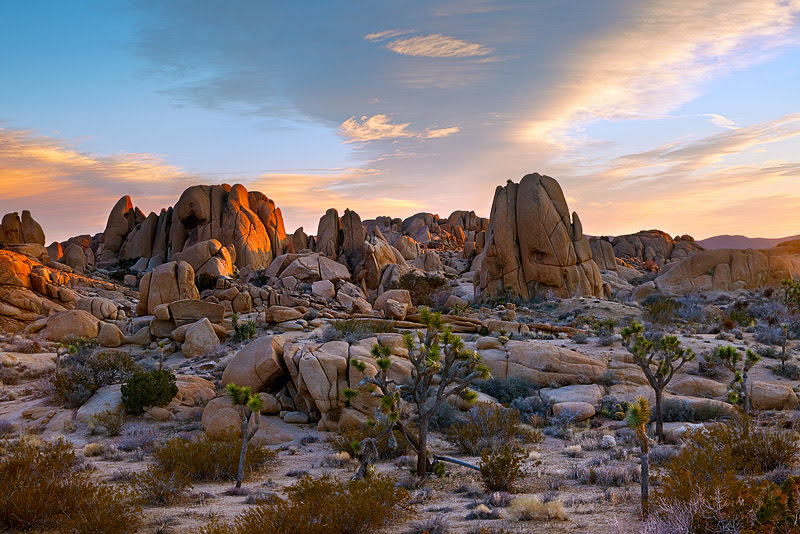
Start early. The desert dawn, with its soft golden light spilling over jagged rock formations, offers a window of cooler temperatures—typically between 5 a.m. and 9 a.m.—ideal for covering ground without the oven-like heat pushing against you. Midday is when the desert sun claims dominance, temperatures often soaring above 100°F, daring you to hold back and find shade or shelter. Afternoon hikes risk water depletion and heat exhaustion, making timing a critical survival strategy.
Terrain in the Mojave varies from sandy washes and slender canyons to rocky hills with elevation gains of up to 1,500 feet in popular routes such as the Kelso Dunes or the hikes near Joshua Tree’s northern edges. The earth radiates heat and the air thins as you climb, pulling heavier on the lungs and challenging your pace. Expect stretches where sparse vegetation—creosote bushes and Joshua trees—cast thin shadows, each willing you to move steadily but wisely.
Preparation is key. Hydration isn’t a suggestion, it’s a mandate. Equip yourself with at least 3 liters of water for a half-day hike, more if the trail extends beyond 6–7 miles. Lightweight, breathable clothing layered for sudden temperature drops after sunset helps you adapt swiftly. Reliable footwear—sturdy yet flexible—grips the hot sand and uneven rock alike. Timing also means reading the sky: watch for cloud cover that might ease the sun’s charge or wind that whispers through the mesquite.
Evening descents come with their own challenge. Temperatures can fall sharply once the sun dips below the horizon, chilling the air to 50°F or less. This calendar of temperature swings demands layers and a mindset ready to engage with the desert’s full scope—not to conquer it but to move harmoniously within it.
Embarking on a Mojave adventure is an exercise in respect and strategy. By moving early and timing breaks for midday rest, you work with the landscape’s rhythms rather than against them. The reward: a dynamic interaction where sand, sun, and sky align to offer experiences that are vivid, memorable, and safely navigated.
Nearby Trips
All Adventures
Boat Charters
Water Activities
Adventures near Barstow
Discover the unique and memorable adventures that make Barstow special.
Frequently Asked Questions
When is the safest time to hike in the Mojave Desert?
Early mornings between 5 a.m. and 9 a.m. provide the coolest conditions. Avoid hiking during midday, especially in summer months when temperatures can become dangerously high.
How much water should I carry for a day hike?
A minimum of 3 liters is recommended for hikes up to 7 miles. Increase water volume for longer excursions or hotter conditions to stay ahead of dehydration.
What footwear works best for Mojave desert trails?
Choose lightweight, breathable hiking boots with strong grip and ankle support. Sandals and running shoes lack protection in rocky and uneven terrain.
Are there any local desert hazards I should be aware of?
Be cautious of rattlesnakes and scorpions, especially in shaded or rocky areas. Also, sudden weather changes like wind gusts or flash storms can catch hikers off guard.
What wildlife might I see during a Mojave hike?
Expect to spot desert tortoises, coyotes, various lizards, and birds such as roadrunners. Dawn and dusk are peak wildlife activity times.
Is there cell phone coverage on Mojave trails?
Coverage is spotty to nonexistent in most remote areas. Always inform someone of your plans and carry a GPS device or map for navigation.
Recommended Gear
Hydration Pack or Water Bottles
To maintain hydration in dry, arid conditions where water sources are scarce.
Sun-Protective Clothing and Hat
Essential to shield skin from intense UV radiation and help manage heat.
Light Layered Jacket
To combat significant temperature drops, especially at dusk and dawn.
Sturdy Hiking Boots
Provides traction and ankle support on rocky, sandy, and uneven desert terrain.
Local Insights
Hidden Gems
- "The Kelso Dunes' shifting sands offer quiet solitude with unique acoustics that 'sing' underfoot."
- "Bristlecone Forest off the beaten path reveals ancient trees clinging to life near remote desert outcrops."
Wildlife
- "Desert bighorn sheep patrol steep cliffs, moving stealthily between rocky ledges."
- "The Mojave rattlesnake, mostly nocturnal, rests during hot parts of the day but is a key predator in the ecosystem."
History
"The Mojave Desert has long been a corridor for Native American tribes and later pioneers. Historic mining ruins and remnants of old railroad towns tell stories of survival and grit."