Mastering the Clock: Timing Your Mojave Desert Off-Road Adventure for Safety and Visibility
Timing your off-road adventure in the Mojave Desert is critical for both safety and enjoying its stark beauty. This guide walks you through the best times to hit the trails, practical gear tips, and what terrain challenges await, helping you prepare for a thrilling yet manageable journey.
Start Before Sunrise
Begin your off-road trip early in the morning to avoid extreme heat and take advantage of the best natural light for visibility.
Carry Extra Water
The Mojave’s dry air dehydrates quickly—bring at least one gallon of water per person to stay properly hydrated.
Use Layered Clothing
Temperatures vary drastically; pack lightweight layers for sun protection and warmer layers for the cooler early mornings and evenings.
Check Weather and Wind
Wind can reduce visibility and make driving hazardous; always review the latest forecast and wind advisories before your trip.
Mastering the Clock: Timing Your Mojave Desert Off-Road Adventure for Safety and Visibility

Full Day Adventure
7 Hour Desert Adventure!
Join Mojave Offroad Adventures for a 7-hour, adrenaline-packed journey across California’s Mojave Desert. Feel the power of a top-tier off-road vehicle as you navigate rugged trails and discover stunning desert landscapes in this full-day experience.
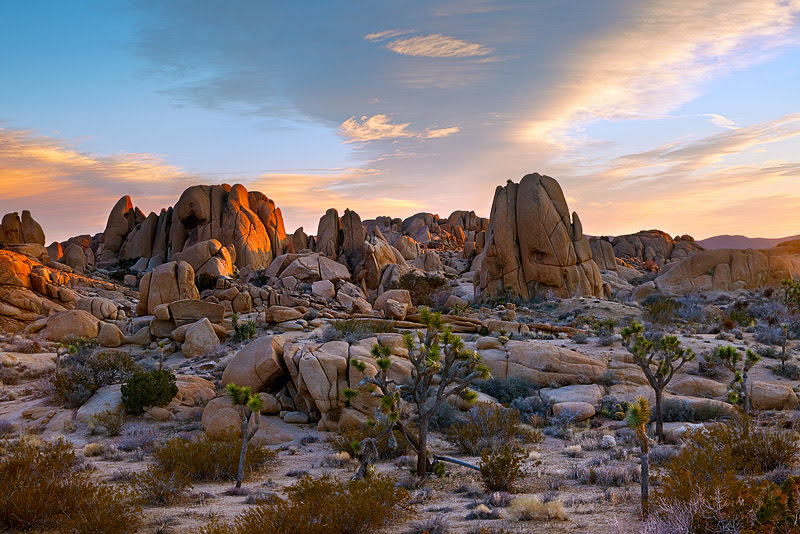
The Mojave Desert's off-road trails pulse with life when the sun is low, shadows stretching long across rugged dunes and rock-strewn paths that invite exploration. But timing is everything in this fiercely raw environment. Daring and demands come alive with the sun’s arc, making planning your departure window crucial for both safety and clear visibility.
Start early—before dawn if possible—to catch the desert as it cools from its intense night chill and before temperatures climb into their blistering peak. The terrain here can vary sharply: loose sand, rocky climbs, and jagged washes all challenge your vehicle and skill. Visibility fades quickly when the sun is overhead or dips low behind canyons, obscuring crucial footings and trail markers. Aim to finish your route with at least an hour of daylight left to navigate the trickier stretches safely.
Elevation changes aren't extreme but pay attention—losing 500 to 800 feet across 10 miles, the trails push on rolling hills and stubborn arroyos that whisper their resistance. The desert itself tests your endurance with open vistas and the sparse shade that trees and scrub offer sporadically. Each plant and clawing wind seems to have its own agenda, nudging you forward but demanding respect.
Hydration is key: the dry air robs moisture relentlessly. Carry at least a gallon per person, and know where refill points lie. Footwear should provide solid grip and protection against sharp stones and sudden sand drifts. Light but layered clothing guards against the early chill and midday blaze. Pack a headlamp or reliable flashlight for the rare nightfall scenarios.
Short bursts of wind can turn dust into swirling challenges; your timing can mean the difference between clarity and a blinding sandstorm dance. Check local weather patterns before you roll out. Spring and fall provide the best balance of comfort and daylight hours, while summer demands very early starts and winter introduces colder mornings with crisp, clear air.
This isn’t casual stroll territory—each mile asks something of your planning and equipment, but the payoff is a raw connection with a landscape vigorously itself. The Mojave’s trails don’t just wait; they engage, pushing you to move smart and stay aware as the desert watches, always ready to surprise. When you time it right, it reveals its rugged character and undeniable allure like nowhere else.
Nearby Trips
All Adventures
Boat Charters
Water Activities
Adventures near Barstow
Discover the unique and memorable adventures that make Barstow special.
Frequently Asked Questions
When is the safest time of day to start my Mojave off-road adventure?
The safest time to begin is just before sunrise when temperatures are cool and visibility is increasing. Starting early helps you avoid midday heat and allows ample daylight to complete your trip.
How much water should I carry for a half-day off-road trip here?
Plan for at least one gallon of water per person for a half-day trip to compensate for the high desert's dry air and physical activity.
Are there any hidden viewpoints worth seeking during the trip?
Yes, the Whispering Sands Overlook offers sweeping views of shifting dunes and distant mountain ranges. It’s less frequented but rewards those who take the detour.
What wildlife might I encounter on these trails?
Look out for kit foxes, desert tortoises, and a variety of birds like the roadrunner. Early morning and dusk are prime times for spotting wildlife active before the heat sets in.
What technical skills should I have before attempting this adventure?
Basic off-road driving skills, including navigating loose sand, rocky terrain, and understanding vehicle recovery techniques in case of getting stuck, are recommended.
Are there environmental considerations I should know about?
Stay on established trails to protect fragile desert ecosystems and avoid disturbing habitats, especially of the desert tortoise, a protected species in the region.
Recommended Gear
All-Terrain Tires
Tires designed to grip rocky, sandy, and uneven surfaces improve safety and vehicle control on Mojave trails.
Hydration Packs or Water Containers
Carrying ample water is essential due to the desert’s dry air and physical exertion.
Layered Clothing
Layering helps manage temperature swings between early morning cold and afternoon heat.
Reliable Navigation Device
GPS or physical maps ensure you stay on course where trail markers can be sparse or obscured.
Local Insights
Hidden Gems
- "Whispering Sands Overlook"
- "Silver Bell Canyon"
Wildlife
- "kit fox"
- "desert tortoise"
- "roadrunner"
History
"The Mojave Desert roads trace routes once used by indigenous tribes and early miners, with scattered artifacts and old mining structures adding historical depth."