
Essential Gear for Prepping Desert Off-Road Trips in the Mojave
The Mojave Desert offers an exhilarating playground for off-road adventurers ready to test their skills and gear against its rugged terrain and scorching sun. This guide breaks down the essential equipment and practical tips to help you safely navigate and embrace the fiercely raw beauty of the Mojave wilderness.
Prioritize Vehicle Prep and Recovery Tools
Ensure your 4x4 is equipped with high-clearance tires, air compressor, recovery tracks, and a tow strap to tackle the shifting sands and rocky surfaces common in the Mojave.
Plan Hydration Carefully
Carry at least one gallon of water per day per person, stored in insulated containers to maintain temperature and avoid dehydration in the dry desert environment.
Choose the Right Clothing and Footwear
Opt for moisture-wicking layers with UV protection, sturdy hiking boots with ankle support, and sun protection gear like hats and sunglasses to shield from extreme heat and thorny terrain.
Schedule Your Off-Road Runs Wisely
Avoid the midday heat by planning travel during early mornings or late afternoons to reduce risk of heat exhaustion and maximize comfort on the trail.
Essential Gear for Prepping Desert Off-Road Trips in the Mojave

Multi Day 2 Seater Rental
2-7 Days
Join Mojave Offroad Adventures for a multi-day 2-seater off-road journey through California’s stunning Mojave Desert. Discover alien landscapes, territorial landmarks, and endless adventure opportunities that let you steer into the wild. Read on to find out why this experience is a must for desert lovers and off-road enthusiasts alike.
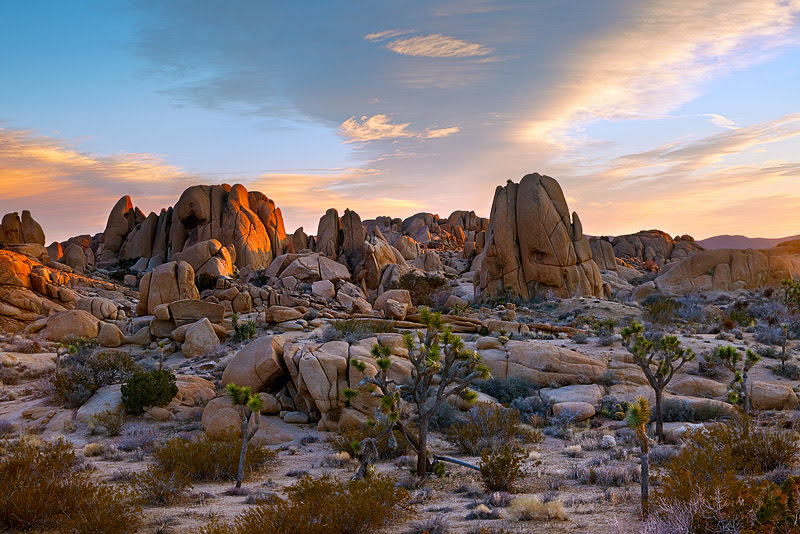
The Mojave Desert challenges adventurers with its unyielding sun, jagged rock formations, and vast open spaces that dare every off-road traveler to prepare fully. Stretching across southern California, this desert tests both gear and grit across rugged trails peppered with sharp cactus clusters and dry washes that like to shift underfoot. When planning an off-road trip through the Mojave, your gear becomes your lifeline—each item selected as a shield and tool against the harsh, fiercely independent environment.
Start with a 4x4 vehicle equipped to handle rocky terrain, steep ascents, and sandy dunes—the Mojave’s surface is a patchwork of coarse gravel, packed sand, and fractured basalt. Reliable tires with strong tread and air compressors are non-negotiable; the desert’s surface will push your wheels to the edge. Navigation tools like GPS with offline maps and a physical desert atlas prevent you from becoming lost in the maze of ridges and dry creek beds that the desert scrabbles over.
Hydration ranks atop your checklist: carry at least one gallon of water per person, per day. The desert air, hungry and dry, drains moisture relentlessly. Storing water in thermal containers keeps it palatable through hot days and cool nights. Lightweight, breathable clothing with UV protection is essential—temperatures can scale from the high 90s in midday to chilling lows after sunset. Don’t forget a wide-brimmed hat and quality sunglasses; the sun here strikes hard and fast.
Footwear demands sturdy, closed-toe hiking boots with good ankle support to negotiate the uneven lava-rock terrain and thorny brush. A compact first aid kit must include treatments for scrapes, snake bites, and heat exhaustion, while a multi-tool knife and sturdy gloves offer practical defense against thorn-covered plants and surprise obstacles.
Essentials like a foldable shovel, recovery tracks, and tow straps empower you against inevitable vehicle stalls or sand traps—the desert insists on respect and readiness. Do not underestimate the power of a well-built shade canopy and portable camping stove for midday refuge and meals. Planning your trip for the cooler dawn or late afternoon ensures you move while the desert cools, using midday for rest and recovery.
Every piece of gear carries a purpose in the vast Mojave, where the desert isn’t just a backdrop but an active participant—weathering, shifting, and urging you to move thoughtfully, prepared for the unexpected. Prepare well, respect the land's raw forces, and the Mojave's rugged wilderness promises a rich and rewarding adventure.
Nearby Trips
All Adventures
Boat Charters
Water Activities
Adventures near Barstow
Discover the unique and memorable adventures that make Barstow special.
Frequently Asked Questions
What are safe practices for traveling in Mojave’s remote desert?
Always inform someone of your route and expected return. Carry extra water, food, and emergency gear. Use GPS plus a traditional map and compass. Avoid solo trips if possible, and watch the weather for flash flood warnings during rainy seasons.
Are there any permits required for off-road activities in the Mojave?
Yes, specific areas within Mojave National Preserve or designated BLM lands may require permits. Check with local ranger stations and BLM offices for current regulations and permit requirements before your trip.
What wildlife can I expect to see during my trip?
Look for desert tortoises crossing trails at dusk, coyotes calling across the ridges, and hawks soaring overhead. Springtime brings blooming desert wildflowers that draw pollinators like bees and butterflies.
When is the best time of day for off-roading in the Mojave?
Early morning and late afternoon offer cooler temperatures and better lighting. Midday heat can be extreme, increasing dehydration and mechanical strain on vehicles.
What are lesser-known spots worth visiting nearby?
Hidden viewpoints such as Phantom Ranch overlook and Kelso Dunes give sweeping panoramas without heavy foot traffic. Exploring old mining ruins near Goffs provides a glimpse into Mojave’s rugged history.
How can I minimize my environmental impact when off-roading?
Stay on designated trails to protect fragile desert soil and plant root systems. Pack out all trash, avoid disturbing wildlife, and respect seasonal closures designed to protect sensitive habitats.
Recommended Gear
4x4 Vehicle with High-Clearance Tires
The backbone of desert off-roading, capable of handling sand, rocks, and washes while maintaining traction on uneven surfaces.
Hydration System with at Least 1 Gallon Per Person
Maintains hydration under the relentless dry air; insulated containers help keep water cold in warm weather.
UV-Protective Clothing and Wide-Brim Hat
Protects skin from intense sun exposure and prevents heat exhaustion, crucial during the hottest months.
Recovery Tracks and Air Compressor
Essential for extricating your vehicle from sand traps or rocky spots where traction is lost.
Local Insights
Hidden Gems
- "Phantom Ranch overlook"
- "Kelso Dunes sand sweep"
- "Historic mining ruins near Goffs"
Wildlife
- "Desert tortoise"
- "coyote"
- "red-tailed hawk"
- "Mojave rattlesnake"
History
"The Mojave Desert’s routes were once vital corridors for Native American tribes and later miners; remnants of early 20th-century railroads and mining camps peel back the curtain on the region’s harsher past."