
Essential Gear Preparation for Rugged Mojave Off-Roading
Off-roading through the Mojave Desert demands more than courage—it requires precise preparation and the right gear to match the land’s fierce nature. This guide covers the essentials to help you conquer the rugged terrain safely and confidently.
Adjust Tire Pressure for Terrain
Lower your tire pressure when traversing sandy washes to increase traction and reduce the risk of sinking.
Water Is Non-Negotiable
Carry at least one gallon of water per person daily and have extra stored for emergencies—dehydration is swift in the desert.
Start Early or Late
Plan your off-road trip during morning or late afternoon to avoid the midday heat and maximize vehicle and personal endurance.
Pack Recovery Gear
Include a tow strap, shackles, and a winch to get unstuck in tight sandy or rocky spots; the Mojave doesn’t forgive unpreparedness.
Essential Gear Preparation for Rugged Mojave Off-Roading

Full Day Adventure
7 Hour Desert Adventure!
Join Mojave Offroad Adventures for a 7-hour, adrenaline-packed journey across California’s Mojave Desert. Feel the power of a top-tier off-road vehicle as you navigate rugged trails and discover stunning desert landscapes in this full-day experience.
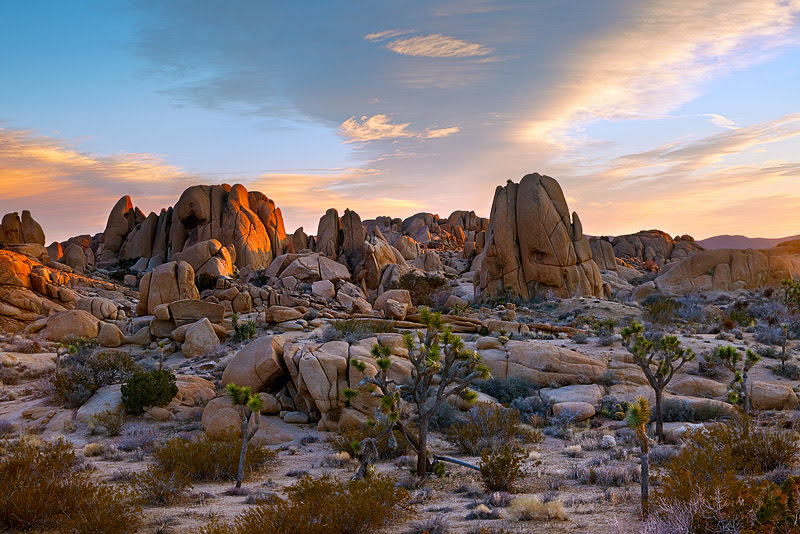
The Mojave Desert stands fiercely itself, raw and relentless. Off-roading here is a test of grit and gear—every piece counts when the landscape refuses to soften. Before you roll wheels onto its rocky veins and sand-choked washes, assembling the right equipment is less a luxury and more a necessity.
Start with your vehicle: a high-clearance 4x4 with robust tires, ideally all-terrain or mud-terrain models. Tires grip the shifting sands and unforgiving rocks, pushing back against the desert’s challenge. Carry a reliable tire pressure gauge and an inflator; pressure adjustments on the fly mean the difference between a smooth traverse and becoming a distant question in dusty tracks.
Pack recovery gear with intention—a strong tow strap, shackles, and a portable winch because the Mojave, with its hidden sandy pockets and thorny brush, can trap even the savviest driver. A sturdy jack and shovel will wrestle loose earth, but your ingenuity and patience are your best tools.
Hydration is your lifeline. The desert sun dares you to forget the dry bite in the air. Bring at least a gallon of water per person for daily use, plus extra for emergencies. Store it in insulated bottles to keep it cool amid soaring daytime temps.
Tools and spares matter: a comprehensive kit including wrenches, screwdrivers, duct tape, and extra fuses should ride shotgun. Fuel extra gas in certified jerry cans as stations are sparse and solitary. Your navigation won’t depend solely on gadgets; carry printed maps and a compass because signals drop as the desert stars take charge.
Dress smart: lightweight, breathable, sun-resistant clothes and gloves protect against prickly vegetation. Footwear with sturdy tread will anchor your steps on broken terrain, whether on foot or around the vehicle. Sunglasses and a wide-brim hat guard against glare—the sun here is relentless and calibrated.
Timing your trip around cooler morning or late afternoon hours lets you engage with the Mojave when it’s a formidable host, not an untamable beast. Nights cool drastically, so layered insulation is crucial if you camp.
In the Mojave, every rock and gust of wind participates actively. The landscape tests your readiness, rewarding respect with wide-open vistas and rare wildlife glimpses. Prepare with care, pack with wisdom, and let the desert’s raw spirit meet your own.
Nearby Trips
All Adventures
Boat Charters
Water Activities
Adventures near Barstow
Discover the unique and memorable adventures that make Barstow special.
Frequently Asked Questions
What type of vehicle is best for Mojave off-roading?
A high-clearance 4x4 with durable all-terrain or mud-terrain tires is preferred. Features like locking differentials and skid plates increase capability and protection against rugged conditions.
How much water should I bring for a day-long off-road trip in the Mojave?
At least one gallon per person per day, plus an additional emergency supply. Water requirements increase with heat and exertion, so always err on the side of extra.
Are cell phones reliable for navigation in the Mojave Desert?
Cell signals are often weak or absent. Use printed maps and a compass as backups. GPS devices designed for off-road use with offline maps are ideal.
What wildlife might I encounter on Mojave off-road trails?
Look for desert bighorn sheep, coyotes, roadrunners, and various reptiles like the Mojave rattlesnake, all adapting cleverly to the harsh environment.
Should I expect to see unique viewpoints or landmarks during my trip?
Yes. Lesser-known spots like the Kelso Dunes offer sweeping sand vistas, while ghost towns and dry lake beds provide historic and photographic interest.
How can I minimize my environmental impact while off-roading?
Stick to established trails, avoid disturbing native plants and wildlife, pack out all trash, and respect seasonal closures designed to protect sensitive habitats.
Recommended Gear
All-Terrain Tires
Provide traction and durability over rocky and sandy surfaces critical for Mojave terrain.
Portable Air Compressor and Tire Gauge
Allows you to adjust tire pressure for different surfaces, improving grip and vehicle control.
Hydration System (Insulated Bottles or Packs)
Keeps water cool and accessible during intense heat, preventing dehydration.
Recovery Kit (Tow Straps, Shackles, Winch)
Equips you to recover your vehicle in sandy or rocky traps where chances of getting stuck are high.
Local Insights
Hidden Gems
- "Kelso Dunes - towering sand dunes with panoramic desert views"
- "Cinder Cone Lava Beds - dark volcanic formations contrasting with sand"
- "Ghost Town of Calico - historic mining town ruins south of Barstow"
Wildlife
- "Desert Tortoise"
- "Greater Roadrunner"
- "Mojave Rattlesnake"
- "Bighorn Sheep"
History
"The Mojave has a rich mining legacy stretching back to the 19th century, with ghost towns and abandoned mines marking the determination of early settlers. Native American tribes such as the Mojave people have ancestral ties to this land."