
Timing the Whitewater Experience: Best Conditions on the American River near Lotus, CA
The American River near Lotus, CA, challenges adventurers with dynamic rapids shaped by seasonal flows. This guide helps you plan the ideal timing for whitewater runs, balancing exhilarating currents with practical preparation for a safe and memorable trip.
Know the River Flow Before You Go
Check current water flow levels at USGS gauges or local outfitters; flows above 4000cfs mean technical rapids requiring advanced skill.
Wear Appropriate Footwear
Choose durable, quick-drying shoes with strong grip to navigate rocky riverbanks and slip-prone trails safely.
Hydrate and Pack for Temperature Swings
Carry at least 2 liters of water and dress in breathable layers to handle cool mornings and warmer afternoons.
Plan for Quick Weather Changes
Keep rain gear handy and monitor weather forecasts, especially in fall when storms can rapidly increase river hazards.
Timing the Whitewater Experience: Best Conditions on the American River near Lotus, CA

The Gorge Whitewater Rafting Trip
Ages 8+ • 6 hours • Lunch included!
Looking for an adrenaline rush amid California's breathtaking scenery? The Gorge Whitewater Rafting Trip offers an exciting day on the water with expert guides and stunning views. Discover why this adventure is a top choice for outdoor enthusiasts visiting Placerville.
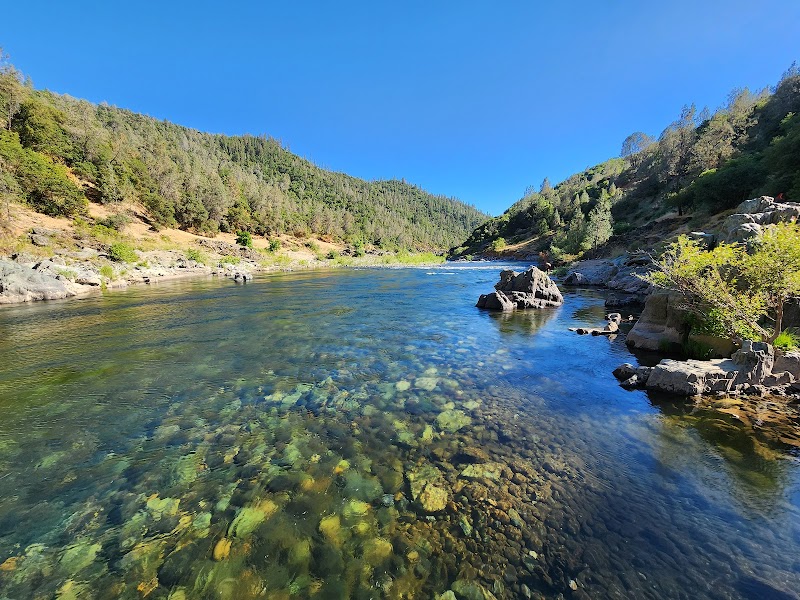
The American River near Lotus, California, offers a whitewater experience that challenges and excites in equal measure. This stretch of the river dares you to match its dynamic currents, which fluctuate seasonally with the mountain snowmelt and rainfall. Whether you're planning a run through the Class III and IV rapids or a scenic paddle on calmer segments, understanding the river's timing is critical for a safe and rewarding adventure.
Spring, from late March to early June, is peak whitewater season when snowed-in mountains release their winter load. The river swells aggressively, transforming into a powerhouse that pushes strong and steady. Expect a surge of energy forcing every stroke and maneuver to be deliberate—this is a time when the river is fiercely itself, and respect is mandatory. The surrounding forested slopes stand lush and vibrant, and the cool water keeps the atmosphere fresh. Conditions here mean technical skill is a must; watercraft and gear need to be suited for swift currents and sudden drop-offs.
Summer offers a calmer, warmer alternative. Water levels drop, revealing more riverbed features and calmer stretches that invite paddlers with moderate skills. The heat settles over the landscape, coaxing out wildlife like hawks circling above and deer along the banks. Days are longer and dry, essential for hydration strategies as the sun can bear down relentlessly.
Fall brings cooling temps and occasional rainstorms that spike flow unpredictably. Anglers and photographers find this season appealing for crisp light and fewer crowds. But the river’s moods change rapidly; just after storms, currents strengthen and debris increases, so timing and local observation are essential.
Winter’s flow is typically the lowest, sometimes turning the river into a gentle drift rather than raw whitewater. It’s a time for reflection and scouting—wading sections for upcoming seasons or rehearsing lines—but cold and wet conditions require preparation.
Understanding the American River’s seasonal pulses near Lotus is more than timing the adrenaline rush—it’s a conversation with a natural force that demands attentiveness and preparation. The terrain around the river offers moderate elevation changes, mostly ranging from 2000 to 3000 feet, with trails and access points that alternate between rocky banks and gentle forested paths. Distances for common put-in to take-out runs span 6 to 12 miles, depending on your route and skill level.
Prepare with sturdy, quick-drying footwear and layered clothing to manage varying temperatures. Hydration packs and water purification methods are recommended since cold water from mountain runoff can hide exposure risks. And remember, the river does not bow to bravado; it challenges those wise enough to respect its timing and character.
In essence, the best whitewater adventure on the American River at Lotus is not just about catching waves; it’s about syncing with the river’s pulse to push your limits safely while soaking in the surrounding wilderness where every rapid feels alive, every bend speaks, and every current moves forward with intent.
Nearby Trips
All Adventures
Boat Charters
Water Activities
Adventures near Auburn
Discover the unique and memorable adventures that make Auburn special.
Frequently Asked Questions
When is the best time to experience the most thrilling rapids on the American River near Lotus?
Late spring, especially April through early June, is the prime window for high-flow whitewater due to snowmelt. This period creates powerful Class III and IV rapids, offering the most dynamic paddling challenges.
Are there beginner-friendly sections of the river near Lotus for less experienced paddlers?
Yes, summer months lower the river flow to calmer levels on certain stretches, making them accessible for intermediate paddlers. However, beginners should still familiarize themselves with river conditions and consider guided trips.
What local wildlife might paddlers encounter on the American River in this area?
River otters, osprey, and black-tailed deer are common sights along quieter parts of the river. Migratory birds also frequent the area during spring and fall.
Are there any hidden viewpoints or trails worth exploring near the whitewater sections?
The Red Star Ridge Trail offers an excellent vantage point to watch rapids from above without getting wet. It runs about 3 miles with moderate elevation gain and provides sweeping views of the river corridor.
What environmental considerations should visitors keep in mind when visiting the American River near Lotus?
Pack out all trash, stay on established trails to protect riverbanks, and avoid disturbing wildlife habitats. The river ecosystem is sensitive, especially during spawning seasons for local fish species.
How can I best prepare for sudden weather changes while on the river?
Monitor local forecasts closely before your trip, carry a compact waterproof jacket, and have an emergency plan that includes nearby access points to exit the river quickly if conditions deteriorate.
Recommended Gear
PFD (Personal Flotation Device)
Mandatory safety gear that keeps you afloat during intense rapids.
Helmet
Protects against rock strikes and unexpected impacts in turbulent water.
Dry Suit or Splash Jacket
Insulates and shields from cold spray, especially during high-flow seasons.
Hydration System
Keeps you hydrated in warm weather when exertion and heat increase fluid loss.
Local Insights
Hidden Gems
- "Spring-fed tributaries feeding into the American River with crystal-clear pools ideal for quick cooling off."
- "The seldom-visited Spirit Bar, a calm sandy beach perfect for resting between rapids."
Wildlife
- "American bald eagles in winter"
- "River otters along shaded backwaters"
- "Migratory songbirds in early spring"
History
"The American River corridor was historically a vital route through the Sierra Nevada foothills used by indigenous Nisenan people and later saw a gold rush influx that shaped California’s development."