
Timing Your Mt. Rainier Adventure for Perfect Light and Conditions
Mt. Rainier offers an ever-changing canvas where light and weather craft a powerful narrative. This guide helps hikers time their visit for the best lighting and trail conditions, balancing practical advice with vivid descriptions to prepare you for the mountain’s demanding yet rewarding character.
Start Early for Sunrise Views
Begin your hike before dawn to catch the mountain’s first light and enjoy quieter trails.
Bring Layers for Variable Weather
Temperatures and wind conditions shift quickly—dress in layers that can adapt to sun, rain, and chill.
Protect Against Sun at Midday
Above treeline, UV exposure intensifies. Wear sunscreen and a hat to prevent sunburns.
Monitor Afternoon Storms
Thunderstorms commonly build later in the day during summer; plan to descend before the weather turns.
Timing Your Mt. Rainier Adventure for Perfect Light and Conditions

Private SUV Mt. Rainier Tour
10 Hours • Visit Mt. Rainier with our professional, enthusiastic and informative guides
Discover the wild beauty of Mount Rainier in comfort with a private, customizable 10-hour SUV tour. From waterfalls to wildflower meadows, craft your perfect adventure in this stunning national park near Seattle.
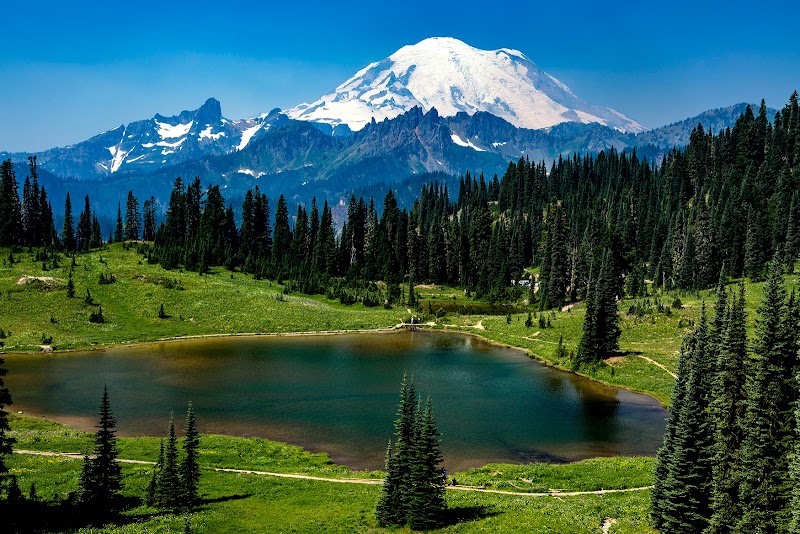
Mt. Rainier commands attention with its towering presence and ever-shifting moods. To experience this mountain at its most striking, timing is everything. Dawn and dusk paint the sky with colors that mirror the ruggedness of Rainier’s slopes while mid-morning offers a crisp clarity ideal for panoramic views. Understanding how light and weather evolve throughout the day helps you capture moments where the mountain feels not just seen, but alive.
Start your hike early—ideally before sunrise—to catch the first light spilling into the valleys. Trails like Skyline Trail from Paradise require about 5.5 miles roundtrip with a 1,700-foot elevation gain, winding through forested stretches and open meadows. The crisp air at dawn seems to breathe life into the alpine flowers and glaciers, while the stillness of morning often means fewer crowds.
Midday, the sun climbs relentlessly, casting sharper shadows but also bringing warmth. Hikers should prepare for increased exposure, especially above treeline, where the terrain shifts from soft forest floor to rocky outcrops that dare you forward. Use this time for steady progress rather than long pauses—hydratation and sun protection become critical.
Late afternoon shifts the mountain into a softer glow, with shadows creeping over ridges and new colors emerging. The dynamic light accentuates the contrast between the snowfields and dark evergreens. This is also a window to watch the weather, as thunderstorms have a way of gathering in these hours during summer months. A quick descent before dusk ensures you avoid heading back in low light or sudden storms.
Weather plays its own role; Mt. Rainier’s fierce personality means conditions can change within minutes. Spring and early summer offer the clearest skies but may hold lingering snow patches and muddy paths, requiring waterproof boots and caution. Fall brings dramatic skies and cooler temps, perfect for photography but demanding layered clothing.
Plan your hike with flexible timing, stay alert to the mountain’s changing face, and your experience will move beyond a simple walk to an active dialogue with one of the Pacific Northwest’s most formidable giants. Hydrate often, layer smartly, and keep pace with the mountain’s rhythm—outpacing neither the light nor the weather, but harmonizing with both.
Nearby Trips
All Adventures
Boat Charters
Water Activities
Adventures near Ashford
Discover the unique and memorable adventures that make Ashford special.
Frequently Asked Questions
When is the best time to photograph Mt. Rainier?
Early morning and late afternoon offer the most dynamic lighting with soft, golden hues. Midday tends to produce harsh shadows but can provide clear, vibrant views if skies are clear.
Which trails provide the best combination of light and views?
Skyline Trail from Paradise is top-rated for varied lighting and sweeping panoramas, especially near Panorama Point. Sunrise Trail also offers stellar morning light and glacier views.
What weather should I be prepared for during summer hikes?
Expect warm mornings with increasing sun exposure, but be ready for sudden afternoon thunderstorms—pack rain gear and monitor National Park alerts closely.
Are there any less crowded spots for catching good lighting?
Try the Nile Valley Trail or the Spray Park area for fewer hikers and beautiful dawn lighting along forested, lower-elevation paths.
What wildlife might I encounter while hiking at Mt. Rainier?
Black bears, marmots, and mountain goats are native to the area. Early mornings and cooler times reduce encounters, but always hike cautiously and respect wildlife space.
How should I prepare for changing light and weather conditions?
Start early, layer clothing, carry sun protection, and keep a close eye on weather updates. Descend before storms gather to avoid hazards in low light or wet conditions.
Recommended Gear
Hiking Boots
Supportive, waterproof boots handle variable terrain from forest floors to rocky ridges.
Layered Clothing
Smart layering adapts to quick weather changes and temperature shifts at elevation.
Sun Protection
Sunscreen, a wide-brimmed hat, and sunglasses shield skin and eyes from intense high-altitude sun.
Hydration System
Water bottles or hydration packs keep you adequately hydrated on long, exposed sections.
Local Insights
Hidden Gems
- "Narada Falls viewpoint—less crowded in morning light with mist that adds depth to photos"
- "Myrtle Falls area—a quick stop with dramatic framing of the mountain peak behind cascading water"
Wildlife
- "mountain goats"
- "marmots"
- "black bears"
- "varied bird species including Clark’s nutcracker"
History
"Mt. Rainier has served as a sacred site for Native American tribes for centuries; it remains a cultural landmark with ongoing conservation efforts honoring these connections."