
Mastering Comfort and Safety on Your Mt. Rainier Farm Tour Adventure
Experience the rugged charm of Mt. Rainier’s nearby farms through immersive tours that blend light hiking with agricultural discovery. Learn how to prepare for shifting terrains, variable weather, and close encounters with farm life to make your visit both exhilarating and safe.
Choose sturdy, waterproof footwear
Trails include dirt, gravel, and often damp grass. Durable shoes prevent slips and protect from varied ground conditions.
Bring sufficient water
Plan for at least two liters per person; water sources may be limited or unsuitable for direct consumption.
Dress in layers with rain protection
Morning chill gives way to midday warmth, but showers can hit unexpectedly. Quick-change layers keep you comfortable throughout.
Follow farm safety rules
Stay on designated paths, avoid entering fields without permission, and maintain a safe distance from animals and machinery.
Mastering Comfort and Safety on Your Mt. Rainier Farm Tour Adventure

Faithful Hands' Farm Tour
90 Minutes • All Ages Welcome • March 2 - October 31
Discover the charm of working farm life with a hands-on tour at Faithful Hands' Farm. Engage with animals, learn about sustainable practices, and enjoy breathtaking views of Mt. Rainier in this family-friendly outdoor experience near Graham, WA.
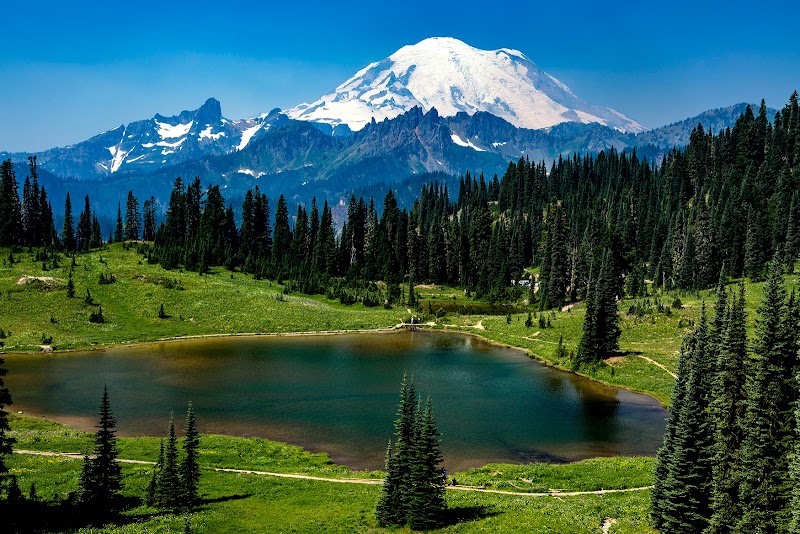
Exploring the working farms around Mt. Rainier offers a fresh slice of Pacific Northwest life where agriculture meets adventure. These farm tours invite you to walk paths bordered by grazing fields and orchards, with the mountain’s formidable silhouette watching overhead. This experience blends gentle hikes with hands-on discovery, making preparation crucial to staying comfortable and safe.
Plan for a route that typically spans 3 to 5 miles with modest elevation gains around 400 feet. Trails wind through mixed terrain—dirt roads that can turn slick with morning dew, grassy meadows, and forest edges where trees seem to lean in, whispering stories of the land. The ground beneath your boots will change; expect firm dirt, scattered roots, and occasional patches of gravel. These shifts encourage a focused pace that honors both terrain and surroundings.
Footwear is your frontline defense. Opt for sturdy hiking shoes with good tread and waterproofing. Wet grass and farm soil can conspire against slippery soles, and damp conditions aren’t rare, especially in spring and fall. Layering your clothing offers flexibility—mornings start cool, but the sun quickly coaxes warmth from the earth. Lightweight rain gear tucked away can be a lifesaver against sudden showers.
Hydration should be a priority. Carry at least two liters per person, as access to water outside the farm facilities varies. Farms are generous hosts, but self-sufficiency keeps your options open. Timing your visit in mid-morning helps avoid peak sun and gives you a chance to witness farmworkers at their hands-on best without the rush.
Safety also means respect: farms are living spaces with animals, machinery, and fields that demand caution. Stay on marked paths, heed signage, and maintain a safe distance from livestock. Many farms welcome questions but always check before approaching animals.
Sensory richness enhances the hike: wildflowers pepper the edges, bees hum a steady rhythm, and rivers near the farms dare you with currents that cut clear, cold, and insistent. Watch for the subtle sound shifts as you move between open fields and shady groves—the environment itself pulse with vigilance and life.
Your tour connects you with something fiercely itself; it’s agriculture sustained by the mountain’s moods, seasons unfolding with an honest rhythm. With attentive preparation and steady respect, your farm tour becomes not only a walk but a shared dialogue with the land and its caretakers.
Nearby Trips
All Adventures
Boat Charters
Water Activities
Adventures near Ashford
Discover the unique and memorable adventures that make Ashford special.
Frequently Asked Questions
Are farm tours suitable for children and older adults?
Yes, most farm tours near Mt. Rainier are family-friendly and accommodate varied ages. Trails are moderate with some uneven terrain, so appropriate pacing and footwear are recommended for older adults and kids.
Can I interact with the animals during the tour?
Interaction depends on the farm's rules. Some farms allow supervised visits within certain areas, but it’s important to follow guidelines for animal safety and personal protection.
What should I do if the weather turns bad during my visit?
Pack rain gear and check weather forecasts before heading out. In case of heavy rain or thunderstorms, seek shelter immediately and postpone risky sections. Farm facilities often have safe zones or indoor areas.
Are there restroom or food facilities on the farms?
Some farms provide basic restrooms and small farm stands or cafes, but availability varies. It’s wise to use facilities in nearby towns and bring snacks and water.
Is there cell phone coverage at the farms?
Coverage can be spotty due to geography and forest density. Prepare by downloading maps offline and informing someone of your itinerary.
Can I visit farms year-round?
Yes, but seasonal conditions greatly affect accessibility and activities. Winter visits require more preparation, while summer and fall offer the fullest farm experiences.
Recommended Gear
Hiking shoes with grip
Supports your feet over a variety of slippery and uneven surfaces encountered on farm trails.
Layered clothing
Allows adjustment between cool mornings and warmer afternoons, as well as protection from rain.
Hydration pack or bottles
Ensures you have access to enough water without relying on farm spigots.
Compact rain jacket
Essential for staying dry during unexpected showers or mist common around Mt. Rainier.
Local Insights
Hidden Gems
- "The lesser-known viewpoint at Twin Creek lookout offers unobstructed views of Mt. Rainier framed by fruit orchards."
- "Early morning visits reveal bustling bird activity near the river edges, including spotted towhees and kingfishers."
Wildlife
- "Watch for black-tailed deer grazing in early mornings and late afternoons."
- "Raptors like red-tailed hawks soar above fields, scanning for small mammals."
History
"Farms in the Mt. Rainier foothills trace back to early 20th-century homesteaders who cleared dense forest to build the agricultural landscape visible today."