
Mastering Log Size And Split Orientation For Your Mount Rainier Adventure
Mastering log size and split orientation can make or break your wood gathering experience in Mount Rainier National Park. This guide blends practical advice with the rugged charm of the park’s forests, helping you prepare smartly and enjoy every step of your adventure.
Pack Light and Smart
Choose mid-sized logs (8-12 inches diameter) split vertically for easier transport and more efficient drying.
Timing Matters
Collect wood in the early morning when moisture levels are lowest to improve dryness and ease of splitting.
Wear Protective Gear
Use gloves and eye protection to guard against splinters and unexpected shifts during splitting.
Respect Park Regulations
Only gather downed wood from designated areas; cutting live trees or unauthorized wood is prohibited.
Mastering Log Size And Split Orientation For Your Mount Rainier Adventure

Vertical Log Splitter Rentals
Daily - Weeklong Rentals
Discover efficient firewood preparation with Vertical Log Splitter Rentals in Bozeman. Perfect for outdoor DIY projects, this activity offers safety, convenience, and reliable equipment to make splitting logs easier than ever.
Choosing the right log size and split orientation isn’t often the first thing on a hiker’s mind when planning a trip to Mount Rainier National Park, but it can be a game-changer for anyone collecting firewood or crafting camp essentials from fallen timber within this vast wilderness. The towering forests here challenge you with an abundance of wood, but not all logs are created equal. The size and way you split your wood affects not only how easy it is to carry or process but how well it burns during cold mountain nights.
Start by assessing the log size. Larger logs — about 16 to 24 inches in diameter — pack more heat but demand heavy lifting and can be tough to split on rugged, uneven ground. Smaller logs, closer to 8 to 12 inches, split more easily and dry quicker, making them better for kindling or overnight fires. Remember, Mount Rainier’s high-altitude moisture can keep wood damp, so your split orientation affects drying time significantly.
Split orientation refers to how you cleave the log: vertically along the grain or horizontally across. Vertical splits follow the natural fibers, creating longer, more uniform pieces that stack well and ignite predictably. Horizontal splits can produce irregular, chunkier sections prone to uneven burning but useful if you’re improvising tools or camp furniture. In Mount Rainier’s lush forests, logs often soak up moisture on flat, horizontal surfaces; splitting vertically exposes more end grain, hastening evaporation.
The terrain influences your choice too. On steep or mossy trails near the Wonderland Trail, heavier logs slow you and risk injury. Opt for manageable sizes with vertical splits to keep your pack weight down and reduce slip hazards. When gathering wood near riverbanks where fallen logs challenge you with their slick, unpredictable positions, focus on dry, smaller logs from stable areas.
Keep tools sharp and stable. A splitting axe or heavy-duty hatchet with a sturdy handle serves best here, backed up by gloves and eye protection. Weather can shift fast — an afternoon sun warming damp logs can turn into evening fog that chills the air. Prepare accordingly by scheduling wood collection in the morning when moisture content is lower.
By choosing the right log size and split orientation, you respect Mount Rainier as a fiercely self-contained force, working with the forest’s rhythm rather than against it. This approach helps you not only carry the practical load but aligns with the park’s conservation ethos, allowing you to enjoy campfires that complement your mountain adventure safely and sustainably.
Whether it’s your first trip or your tenth, these considerations offer you a practical edge, empowering your experience in one of America’s most iconic wild places.
Nearby Trips
All Adventures
Boat Charters
Water Activities
Adventures near Ashford
Discover the unique and memorable adventures that make Ashford special.
Frequently Asked Questions
Can I collect any fallen wood inside Mount Rainier National Park?
Only dead, downed wood in designated areas may be gathered. Cutting live trees or collecting wood without a permit is prohibited to protect forest health.
What is the best way to split logs for campfires here?
Splitting vertically along the grain exposes the end fibers to drying air, allowing the wood to season quicker and produce a steadier burn.
How heavy can logs get when collecting for campfire use?
Logs 16-24 inches across can weigh 30 pounds or more; smaller logs under 12 inches are easier to handle, especially on steep or mossy terrain.
Are there any ecological considerations when collecting wood in this park?
Yes, gathering wood should minimize disturbance. Stick to fallen logs, avoid stripping bark from standing trees, and follow park guidelines to maintain habitat balance.
What tools are recommended for wood splitting in Mount Rainier’s environment?
A splitting axe or heavy-duty hatchet with a sharp edge and a durable handle is ideal, backed by gloves and eye protection for safety.
When is the best time of day to collect and split wood at Mount Rainier?
Morning hours are best as moisture levels in wood are generally lower, aiding in easier splitting and faster drying.
Recommended Gear
Splitting Axe
The primary tool for splitting logs along the grain, providing leverage and efficiency on all terrain.
Gloves
Protect your hands from splinters, blisters, and cold during wood handling.
Sturdy Hiking Boots
Footwear with good traction and ankle support is crucial on Mount Rainier’s uneven, sometimes slippery trails.
Hydration Pack
Staying hydrated while exerting yourself in forested terrain is essential, especially when carrying heavy logs.
Local Insights
Hidden Gems
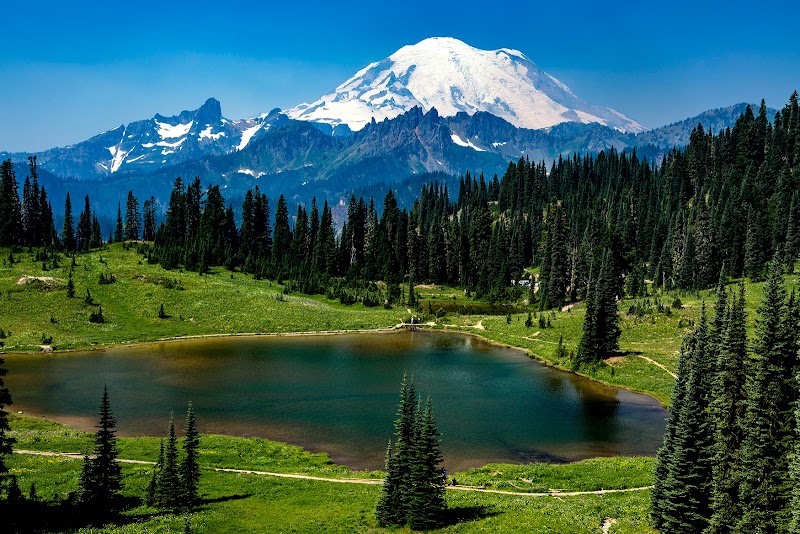
- "Tipsoo Lake viewpoint for unobstructed views of waterfalls and Mount Rainier’s southern flank."
- "Ohanapecosh Grove for ancient Douglas firs and quiet, moss-draped scenery."
Wildlife
- "Black-tailed deer often graze near lower-elevation meadows."
- "Varied thrushes and woodpeckers call the dense forested areas home."
History
"Mount Rainier National Park holds cultural significance for Native American tribes who regarded the mountain as sacred, using forest resources sustainably long before the park's establishment."