Navigating Seasonal Riding Conditions and Gear Choices on the Blue Ridge Parkway
The Blue Ridge Parkway twists through changing seasons that test riders with shifting weather and terrain. With practical gear tips and clear seasonal insights, this guide helps you prepare for safe, scenic adventures year-round.
Check Weather Forecasts Before Heading Out
Mountain weather changes quickly; knowing expected conditions helps you dress appropriately and prepare for road hazards like wet leaves or frost.
Layer Your Clothing
Temperatures vary widely along the route, especially with elevation changes. A modular jacket system offers flexibility for warming up or cooling down.
Carry Hydration Year-Round
Dehydration can sneak up even in cooler months; pack water or electrolyte drinks to stay alert and energized throughout your ride.
Plan for Reduced Daylight in Fall and Winter
Shorter days mean starting rides earlier and prepping lights or reflective gear to stay visible and safe on dusk roads.
Navigating Seasonal Riding Conditions and Gear Choices on the Blue Ridge Parkway

Boss Seven Speed
1-30 Day Rentals • All Ages • Riders 5’-2’ to 6’-5”
Discover Marco Island’s natural beauty with hassle-free bike rentals and the Boss Seven Speed activity. Perfect for all riders, this experience offers a fresh way to see the island at your own pace.
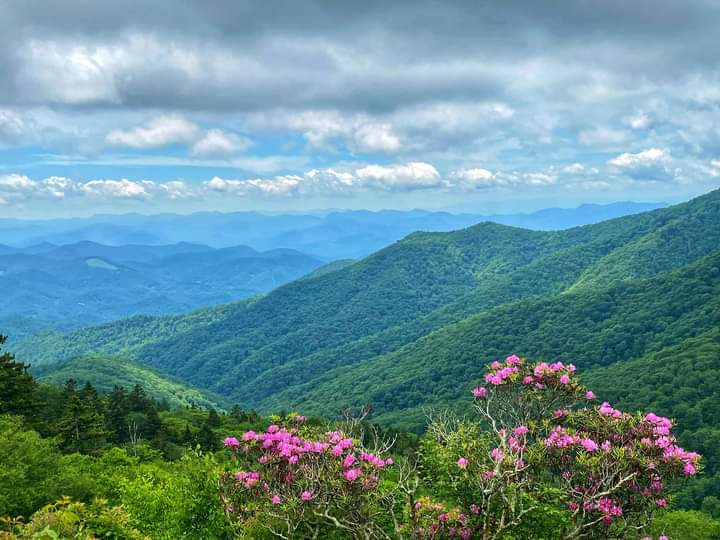
Riding the Blue Ridge Parkway offers an immersive experience where nature seems alive—trees lean into bends, streams casually crossing under rustic bridges dare you to pause and absorb. This 469-mile stretch winds through the Appalachian Highlands, challenging riders with seasonally shifting conditions that demand respect and readiness.
Spring unfurls fresh growth and sneaky mud patches, especially along the forested sections where runoff trickles beneath early blooms. Temperatures climb from brisk to mild, making layered gear essential. Summer heats up mountain curves with sun-flecked stretches and sudden rain showers that slick the pavement without warning. Fall transforms the parkway into a canvas of fiery reds and golds, but cooler nights drop temperatures sharply, and leaf litter on roads can become slippery hazards. Winter’s grip tightens on the highest elevations, with frost and occasional snow turning the route into a technical ride where careful traction control is your best ally.
Planning your gear starts with footwear—sturdy, waterproof riding boots that also breathe. Jackets with modular liners and ventilation strike the balance between chill and heat, adapting quickly to elevation and temperature swings. Gloves with reinforced palms protect when gripping tightly around sharp curves, compensating for cold or wet conditions. Hydration systems aren’t just for summer; crisp air can be equally demanding if you’re pushing through long distances.
Route-wise, expect elevation changes that reach up to 6,000 feet in some sections, with up-and-down climbs averaging 1,500 feet in shorter stints. The terrain ranges from smooth asphalt to paved sections edged with leaves and stones. Time your rides to avoid early morning fog, particularly in spring and fall, where visibility shrinks suddenly, turning quiet curves into unexpected tests.
Along the way, creeks chatter quietly beneath bridges, enticing glimpses of wildlife—deer watch as you approach, alert and ready to vanish into the woods. The wind often carries the scent of pine and earth, a persistent reminder that the parkway is fiercely itself. Riding here demands respect for the elements, readiness to adapt on the fly, and an eye for the shifting moods of each season.
Preparation tips include multi-layered clothing, reliable hydration, and an awareness of weather patterns forecasted for the day. Early season riders should carry a compact tire repair kit due to increased debris on the road, while autumn explorers need to be mindful of shortened daylight hours that can sneak up mid-ride. Winter requires tire chains or studded tires for the most exposed patches—never underestimate mountain cold.
Whether you’re chasing the vibrancy of the leaf change or the quiet solitude of winter’s hush, the Blue Ridge Parkway invites with open curves and challenges alike. Gear smart, respect the seasons, and the ride will reward with views and moments that linger long after the road fades behind you.
Nearby Trips
All Adventures
Boat Charters
Water Activities
Adventures near Asheville
Discover the unique and memorable adventures that make Asheville special.
Frequently Asked Questions
When is the best time to ride the Blue Ridge Parkway for fall colors?
Mid-October to early November usually offers peak fall colors. Weather can be unpredictable with cooling temperatures, so prepare for chilly mornings and evenings.
Are there any wildlife concerns riders should be aware of?
Deer crossing is common, especially at dawn and dusk. Black bears are present but rarely pose a threat if observed from a distance. Stay alert and reduce speeds accordingly.
What are some lesser-known scenic stops along the parkway?
Craggy Gardens overlook provides stunning mountain vistas with fewer crowds. Linville Falls offers a quieter, powerful waterfall experience. Both locations reward riders willing to pause and explore.
How should I prepare for sudden weather changes on the parkway?
Bring layered clothing, waterproof gear, and check weather forecasts frequently. Be ready to adjust your pace or seek shelter if storms or fog reduce visibility.
Is the Blue Ridge Parkway open year-round for riding?
Generally yes, but winter closures can affect sections above 5,000 feet due to snow and ice. Check current conditions before planning your ride in winter months.
Can I find food and fuel along the parkway?
Services are limited along large stretches. Plan stops in nearby towns like Asheville or Boone for fuel, food, and restocking supplies.
Recommended Gear
Waterproof Riding Boots
Protect feet from wet roads and debris while maintaining grip and comfort over long rides.
Modular Riding Jacket with Liners
Allows adjusting insulation for shifting temperatures common on mountain routes.
Hydration Backpack or Bottles
Ensures consistent fluid intake, critical to maintain focus and energy.
Reflective Vest or Striping
Enhances visibility in low light conditions and foggy environments.
Local Insights
Hidden Gems
- "Tomkins Knob Overlook – quieter spot with panoramic views eastward"
- "Mosquito Falls Trailhead – short, lesser-trafficked path revealing cascading waters"
Wildlife
- "White-tailed deer often seen near road edges"
- "Eastern wild turkey flocks in open meadows"
- "Occasional black bear sightings in dense forest areas"
History
"The Parkway was built during the Great Depression, combining scenic landscape design with economically transformative infrastructure, blending natural beauty with American heritage."