Choosing the Right Full-Suspension Mountain Bike for East Coast Trails
East Coast mountain trails demand bikes that balance rugged toughness with nimble control. This guide helps you choose the perfect full-suspension mountain bike tailored for the region's diverse terrain and unpredictable conditions, ensuring you’re ready to tackle roots, rocks, and climbs with confidence.
Match Suspension Travel to Trail Type
Opt for 130-150mm travel for versatile handling on mixed terrain common on East Coast trails, balancing comfort with pedaling efficiency.
Use Hydraulic Disc Brakes
Secure stopping power is critical on wet, leaf-covered paths and steep descents, common in this region.
Check Local Trail Conditions Before Riding
Rain and humidity can quickly alter trail surfaces; assess conditions to avoid hazardous sections.
Carry a Hydration Pack
East Coast trails often involve sustained climbs and variable weather; consistent hydration supports endurance.
Choosing the Right Full-Suspension Mountain Bike for East Coast Trails
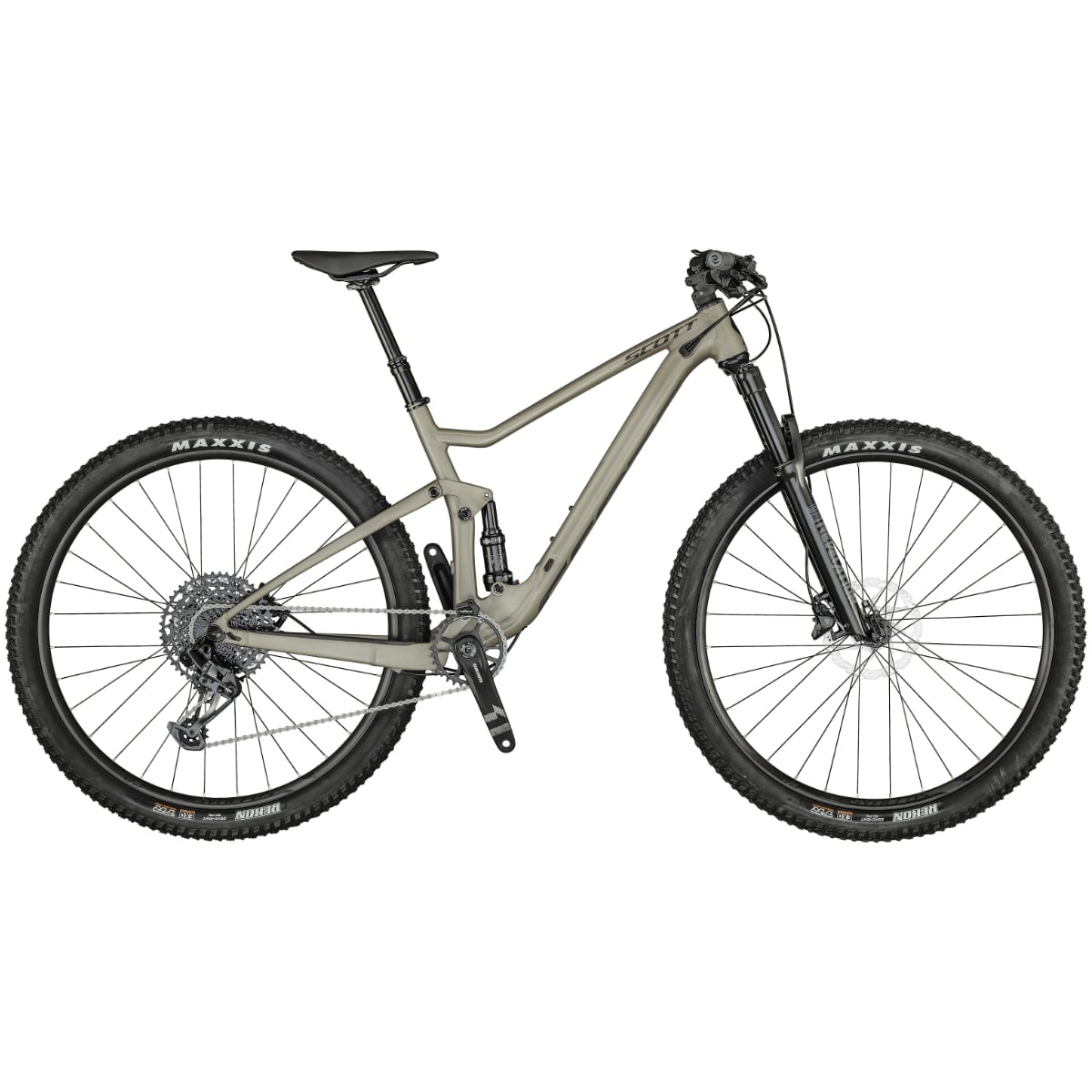
Full-Suspension Mountain Bike Rental
1 Day to 1 Week rentals
Discover Boston on two wheels with a full-suspension mountain bike rental from Urban Adventours. Explore scenic trails and urban parks with expert guidance for an unforgettable outdoor experience in Massachusetts.
East Coast mountain biking demands a bike that can handle unpredictability—roots that twist like a coiled spring, rocks that dare you to stay balanced, and climbs that test your stamina. Full-suspension mountain bikes bring the advantage here: they soak up the trail's sharp edges and rocky chatter, giving you better control and comfort over demanding terrain.
When selecting your full-suspension bike for East Coast trails, start with the suspension travel. Trails like those in the Appalachian Mountains feature tight switchbacks, technical root sections, and occasional drops. A bike with 130-150mm of travel strikes a practical balance, absorbing jolts without compromising pedaling efficiency. More travel suits aggressive downhill runs, while less travel favors climbing efficiency.
Frame material matters too. Aluminum frames offer durability and a moderate price point—ideal if you're tackling rocky trail sections around places like Pisgah or the Mid-Atlantic. Carbon frames save weight and dampen trail noise but come with a higher cost. Choose based on your budget and how often you anticipate riding rugged or mixed terrain.
Geometry drives how your bike handles the trail’s changing moods. Steeper head angles (around 65-68 degrees) provide sharp handling for technical descents common in the Catskills and Blue Ridge regions. A longer wheelbase increases stability at speed, useful when trails open up or drop off.
Drivetrain and braking systems also deserve consideration. East Coast trails push your endurance and demand reliability. Opt for a 1x drivetrain with a wide gear range to simplify shifting and improve chain retention. Hydraulic disc brakes give you confident stopping power on wet leaves or muddy descents, crucial for safety and control.
Don’t forget tires. Volume and tread pattern should match the trail conditions you expect. Wider tires (2.3"-2.6") with aggressive tread grip loose dirt and roots better, common in many East Coast forested bike paths.
Practical tips before hitting your favorite trailhead: always check trail conditions beforehand—rain quickly transforms dirt paths into slick challenges. Time your rides to avoid midday heat and crowd peaks, especially in popular trail systems near cities like Asheville or Richmond.
Hydration packs, layered clothing, and well-fitted helmets complete the package. Most East Coast trails reward patience and respect—the landscape is fiercely itself, and your bike should be ready to engage, adapt, and support your ride from first pedal stroke to last mile.
Choosing the right full-suspension mountain bike isn’t just about specs—it’s about syncing with the trail’s pulse and your personal riding style. With the right gear, you’ll ride smoother, climb smarter, and descend with confidence, experiencing East Coast mountain biking at its best.
Nearby Trips
All Adventures
Boat Charters
Water Activities
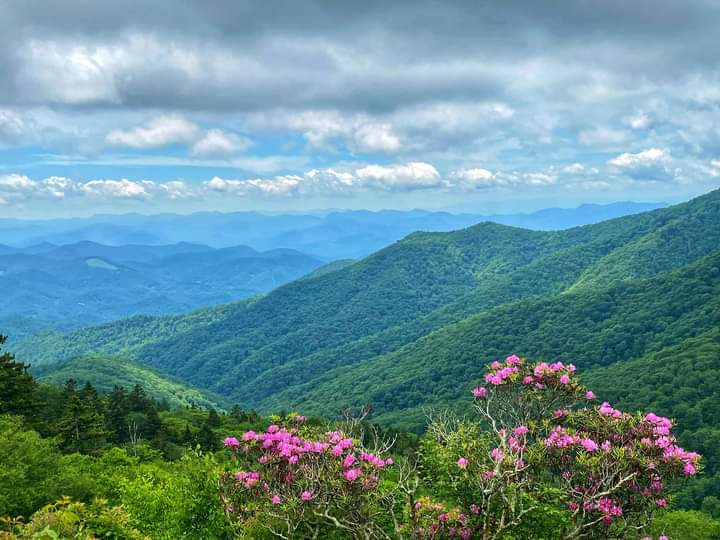
Adventures near Asheville
Discover the unique and memorable adventures that make Asheville special.
Frequently Asked Questions
Why choose a full-suspension bike for East Coast trails?
Full-suspension bikes absorb impacts from rocks, roots, and uneven terrain typical of East Coast trails, offering more control, reduced rider fatigue, and better traction on technical descents.
What suspension travel is best for mixed East Coast terrain?
Around 130-150mm of suspension travel provides a balance of comfort on rough descents while maintaining efficient pedaling for moderate climbs commonly encountered.
Are wider tires necessary for these trails?
Wider tires (2.3"-2.6") with aggressive tread improve grip on loose dirt and rooty sections, enhancing stability and reducing puncture risk on East Coast forested trails.
How important is bike geometry for handling these trails?
Geometry affects handling—slacker head angles favor control on steep descents, while a balanced wheelbase improves stability and confidence on fast or technical sections.
What gear should I bring aside from my bike?
Hydration is critical, so bring a hydration pack; wear layered clothing to manage temperature swings; carry tools for repairs; and use a helmet and protective gloves for safety.
Can beginners use full-suspension bikes on East Coast trails?
Yes, full-suspension bikes can help beginners by smoothing the trail’s roughness, but riders should start on easier trails and build skills gradually to handle technical sections safely.
Recommended Gear
Full-Suspension Mountain Bike
Designed to absorb trail impacts, providing control and comfort on technical East Coast terrain.
Hydraulic Disc Brakes
Reliable stopping power essential for wet leaves and steep descents.
Hydration Pack
Keeps you hydrated on longer rides especially when summer heat presses down.
Layered Clothing
Adaptable clothing helps manage temperature shifts from cool mornings to warmer afternoons.
Local Insights
Hidden Gems
- "Hidden overlooks along the Blue Ridge Parkway offering quiet views away from crowds"
- "Secret rock gardens in the Pisgah National Forest not marked on general trail maps"
Wildlife
- "Watch for white-tailed deer that often cross early morning trails"
- "Listen for the distinctive call of the barred owl at dusk"
History
"Many East Coast mountain bike trails repurpose old logging roads from the 19th century, giving riders a glimpse into the region’s industrial past and how the landscape has reclaimed those paths."