
Lost River Valley in Idaho presents off-road and hiking trails where timing is crucial for smooth and safe adventures. From rocky terrain to forested paths, understanding seasonal trail conditions helps you navigate this rugged landscape with confidence and ease.
Start Early to Beat the Heat
Begin your hike or off-road trip before 8 a.m. to avoid the afternoon sun and reduce exposure to sudden thunderstorms common during summer.
Pack Adequate Hydration
Carry at least two liters of water per person; the dry air and exertion will dehydrate you faster than you expect.
Use Sturdy, Water-Resistant Footwear
Trails include sharp shale and muddy patches; boots with solid ankle support and grip will prevent slips and injury.
Check Weather and Trail Conditions Ahead
Sudden weather shifts and leftover spring runoff can make trails muddy or impassable; local ranger stations or trail apps provide up-to-date info.
Timing and Trail Conditions for Off-Road Adventures in Idaho's Lost River Valley

Full Day Polaris UTV Rentals
Must be 21+ to rent or operate • 9 Hours • 2-4 seater options
Discover Idaho's rugged beauty with a private Polaris UTV rental in Mackay. Explore remote trails, enjoy stunning views, and create unforgettable adventures tailored just for you.
Idaho’s Lost River Valley offers off-road and hiking adventures that feel alive with the land’s untamed spirit. Here, trails wind through rugged peaks, ancient forests, and rocky riverbeds that challenge and invite in equal measure. Knowing when to hit these routes is more than a convenience—it’s the difference between a seamless journey and a day wrestling with unexpected trail conditions.
The prime window for off-road excursions runs from late June through early September, when the snowmelt has settled and the ground firms under tire and boot alike. Trail distances in the valley range from short 4-mile loops to more ambitious 15-mile routes, each featuring elevation gains between 800 to 2,500 feet. These shifts put your endurance and technical sense to the test, but reward you with standout views—the Lost River’s current dares you to cross where the waters sparkle colder, while aspen groves seem to whisper encouragement with every breeze.
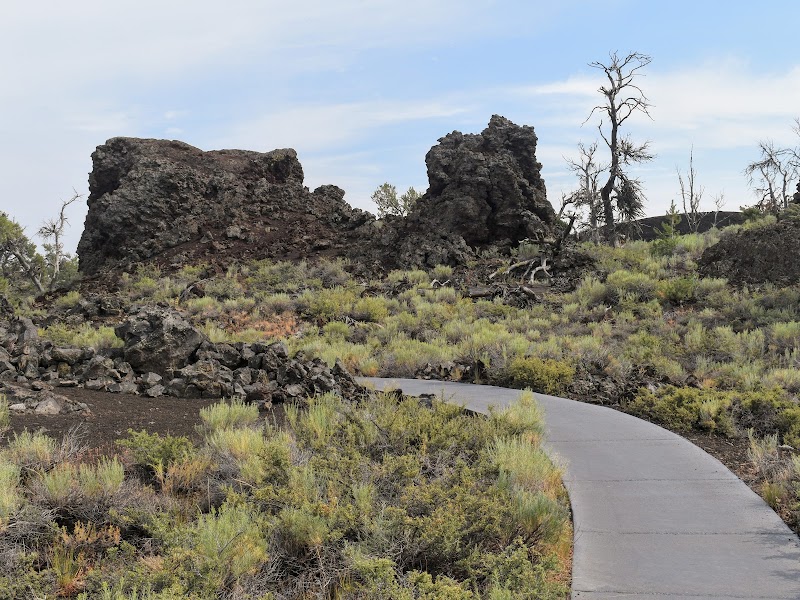
Trail surfaces vary widely. Expect a mix of gravel, shale, and packed dirt, sometimes slick with residual mud after late spring rains. Rocks occasionally rise sharply, sending up a silent challenge to your vehicle’s suspension or your hiking boots’ grip. Sections shaded by pines maintain coolness but hold moisture longer; bring footwear that handles moisture without sacrificing support.
Start your trips early to avoid afternoon heat spikes and sudden thunderstorms, especially in mid-summer when the valley can swell with quick-changing weather. Carry at least two liters of water per person, more if you plan extended off-road exploration. Layers are your best friend—mornings bring crisp air, afternoon climbs radiate heat, and evening breezes can drop temperature fast.
Wildlife encounters are common but unpredictable. Watch for deer and elk grazing near trail edges—they move with deliberate caution, like old guardians of the woods. Ravens monitor from above, their calls marking your progress and reminding you of the valley’s watchful presence.
Maintaining respect for this fiercely independent terrain means anticipating trail conditions, recognizing the valley’s moods, and preparing accordingly. A well-timed adventure here plays out like a conversation with a landscape that is no mere backdrop but a protagonist itself. Equipped with knowledge and vigilance, each mile offers not just a journey through Idaho’s wilderness but a lively engagement with a land that refuses to be tamed.
Nearby Trips
All Adventures
Boat Charters
Water Activities
Adventures near Arco
Discover the unique and memorable adventures that make Arco special.
Frequently Asked Questions
When is the best time to avoid muddy trails in Lost River Valley?
Late June through early September is ideal for dry, firm trail conditions. Spring can leave trails saturated and slippery due to snowmelt.
Are off-road vehicles permitted on all trails in Lost River Valley?
Not all trails allow off-road vehicles. Check local forest service maps and regulations beforehand to identify designated roads and trails.
What wildlife should hikers expect to see?
Deer, elk, and occasionally moose frequent the valley. Birdwatchers can find ravens, hawks, and a variety of songbirds. Always maintain respectful distance to wildlife.
Are there any cultural or historical sites along the trails?
The area contains Native American petroglyphs and historic mining remnants. Some trail guides highlight these spots, so consider a guided hike for deeper context.
How reliable is cellphone reception on the trails?
Reception is spotty to non-existent deep in the valley. Plan accordingly with offline maps and inform someone of your itinerary before heading out.
Is it safe to cross the Lost River during the hike?
River crossings can be dangerous, especially post-snowmelt when currents are stronger. Use designated crossings and avoid crossing after heavy rain or during spring runoff.
Recommended Gear
Waterproof Hiking Boots
Protect feet from mud, water, and uneven terrain common after snowmelt and spring rains.
Hydration Pack
Ensures steady water supply during long summer days where dehydration risk is high.
Layered Clothing
Allows adjustment for fluctuating temperatures from cool mornings to warm afternoons.
Compact Rain Jacket
Lightweight protection from sudden spring showers and chill.
Local Insights
Hidden Gems
- "Pettit Creek Overlook, offering quiet views of narrow canyons away from main trails"
- "Abandoned miner’s cabin ruins accessible via a side trail near Shoshone Peak"
Wildlife
- "Elk herds frequently graze near river edges at dawn and dusk"
- "Ravens actively follow trail users, often swooping nearby to investigate"
History
"Lost River Valley was a corridor for Shoshone tribes and later saw a mining boom in the early 1900s. Artifacts and subtle remains still appear along less-traveled paths."