
The Lost River Valley in Idaho offers rugged, ever-changing terrain for UTV riders eager to explore dynamic landscapes shaped by the seasons. Understanding trail conditions throughout the year helps adventurers plan safer, more exhilarating rides amid sweeping views and challenging terrains.
Check Trail Reports Before You Ride
Trail conditions can change rapidly in the Lost River Valley, especially after heavy rains or snowmelt. Use local ranger reports or online forums to get current info before heading out.
Wear Sturdy, Weather-Appropriate Footwear
Trails range from rocky to muddy based on season. Durable boots with good grip protect against slips and debris when navigating on or off your UTV.
Hydrate and Dress in Layers
Temperatures can swing quickly; pack water and wear breathable, layered clothing to regulate your comfort from cold mornings to hot afternoons.
Protect Your Vehicle Against Rough Terrain
Inspect tires and suspension regularly, and carry basic repair tools. Rocky stretches and sudden elevation changes demand a well-maintained UTV.
Navigating Seasonal Trail Conditions for UTV Rides in Idaho’s Lost River Valley

Two Day Polaris UTV Rentals
5% OFF SECOND DAY! Must be 21+ to rent or operate • 2-4 seater options
Discover Idaho's rugged beauty with a two-day Polaris UTV rental from Lost River Adventures. Perfect for thrill-seekers and outdoor lovers, this private tour offers breathtaking scenery, wildlife encounters, and off-road fun in Mackay, Idaho.
Idaho’s Lost River Valley offers a rugged playground for UTV enthusiasts, where every season delivers a distinct experience shaped by the valley’s fierce natural rhythms. Here, trails shift with the weather—from spring’s melting snows that coax the earth into muddy challenges, to autumn’s crisp air unveiling rocky paths framed by golden foliage. Understanding these seasonal changes is key to making your ride not just thrilling but safe and well-prepared.
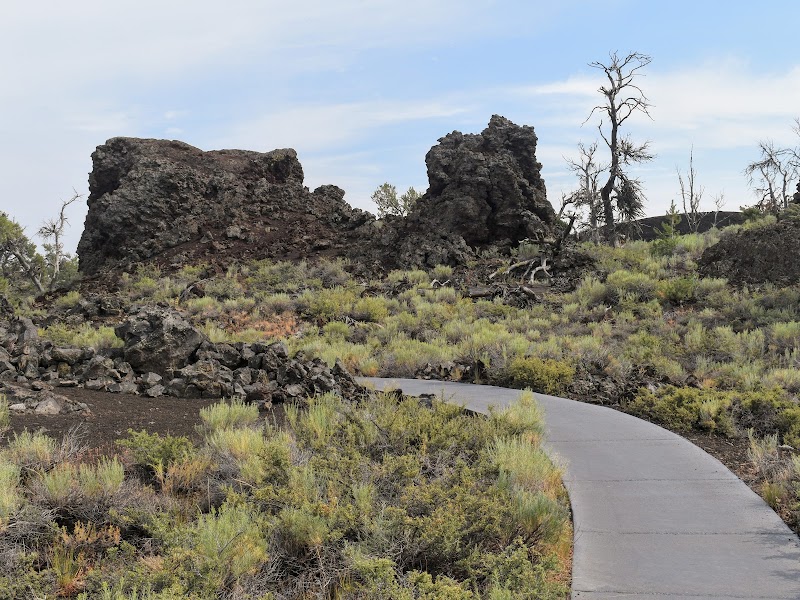
The Lost River Valley trails range from 10 to 25 miles, with elevation gains anywhere between 2,000 to 4,500 feet depending on your chosen route. Terrain varies from forested lanes shielded by towering pines, to exposed ridges with sweeping views of the Lemhi Range. Early summer presents firm ground and clearer skies, inviting you to push your machine over rocky benches where the wind dares you forward. Come fall, trails loosen with leaf litter, demanding sharper attention—unpredictable traction mingles with the valley’s autumn colors.
Spring introduces its own character. Snowmelt channels rivers that surge and shove against banks, testing your ability to cross rocky streams. Trails turn slick, requiring slow precision and tactical maneuvering. By late summer, the terrain hardens, dust rising behind your wheels, and heat pressing down like a silent force to be respected. Nights grow colder with each fall day, and frost begins to reclaim the trails, hinting at winter’s imminent arrival.
Because the Lost River Valley is fiercely itself, not all seasons welcome lightweight UTVs without preparation. Before you ride, inspect your vehicle’s tires and suspension for resilience against sharp basalt and loose gravel. Hydration is non-negotiable—carrying at least two liters per person is smart, alongside layered clothing that adapts swiftly to the valley’s quick weather shifts. Plan your timing to avoid mid-day heat in summer or unpredictable snow in spring and fall.
Familiarity with seasonal trail conditions transforms your ride from a gamble into a calculated adventure. When you approach the Lost River Valley, respect the land’s ever-changing mood. It challenges you but also rewards with wide-open skies, deep pine scents, and the thrilling knowledge that you are moving through a living, breathing landscape.
Nearby Trips
All Adventures
Boat Charters
Water Activities
Adventures near Arco
Discover the unique and memorable adventures that make Arco special.
Frequently Asked Questions
What’s the best time of day for UTV riding in Lost River Valley?
Early mornings and late afternoons are best to avoid midday heat in summer and arid conditions that can fatigue both rider and machine. These times also provide softer light for better visibility on tricky terrain.
Are there any safety concerns unique to riding in Lost River Valley?
Yes. Rapid weather changes can make trails slick or limit visibility. Rivers and streams swell quickly after spring thaw or rainfall, posing crossing hazards. Always carry communication devices and ride in groups when possible.
How accessible are the trails during winter?
Most trails are snow-covered and largely inaccessible for standard UTVs during winter. Only experienced riders with snow-capable vehicles should attempt winter rides, and even then, routes are limited.
Is there wildlife to watch for along Lost River Valley trails?
The valley hosts mule deer, elk, and occasionally mountain lions. Early mornings and evenings increase chances of spotting deer or birds of prey soaring along ridges.
Are there lesser-known viewpoints worth exploring on the trails?
Yes, the Hidden Bench overlook east of the Main Trail rewards riders with panoramic views of the Lemhi Range. It’s less traveled but accessible via a short side route.
What environmental practices should riders observe here?
Stick to marked trails to minimize erosion, pack out all trash, avoid disturbing wildlife, and be mindful of wet areas especially in spring to prevent trail damage.
Recommended Gear
All-terrain tires
Provides grip in muddy and loose soil conditions common in spring and early summer.
Hydration pack
Keeps you hydrated over long rides under hot and dry conditions.
Layered clothing
Adjusts for rapidly changing temperatures from chilly mornings to warm afternoons.
Basic repair kit
Essential for trail side fixes to tires or mechanical issues in this remote and rugged terrain.
Local Insights
Hidden Gems
- "Hidden Bench Overlook"
- "East Fork Trail sections with natural rock formations"
Wildlife
- "Mule deer"
- "Elk"
- "Golden eagles"
- "Mountain lions (rare)"
History
"The Lost River Valley has roots in Shoshone-Bannock culture and later mining, with several abandoned mining sites accessible by trail, offering a glimpse into Idaho’s rugged past."