
Maximizing Wildlife Sightings on Ecology Tours in Arcata, California
Explore the diverse ecosystems around Arcata, California, where early morning mists and dense forests create prime conditions for wildlife observation. This guide lays out how to prepare for ecology tours that maximize your chances of spotting elk, river otters, and migratory birds while navigating practical trail challenges.
Begin Early for Active Wildlife
Wildlife in Arcata is most active at dawn and dusk. Plan your tours to start early to catch elk grazing or birds feeding before the midday heat drives them into cover.
Wear Traction-Ready Footwear
Trails can be muddy and slippery, especially after coastal rain. Boots with solid tread will keep you steady on uneven surfaces.
Use a Quiet, Steady Pace
Move deliberately and quietly. Avoid sudden movements or loud noises to keep wildlife from fleeing.
Bring Adequate Hydration
Even in cool, foggy conditions, maintaining hydration keeps you alert and energetic during longer hikes that may exceed two hours.
Maximizing Wildlife Sightings on Ecology Tours in Arcata, California

Eco Tour
3 Hours • Ages 5+ • Up to 6 people • Private Tour
Discover the natural wonder of Florida’s coast on a 3-hour Eco Tour with Summer School Charters in St. Augustine. Dive into local ecosystems, see wildlife, and learn about conservation efforts—an immersive experience for nature lovers.
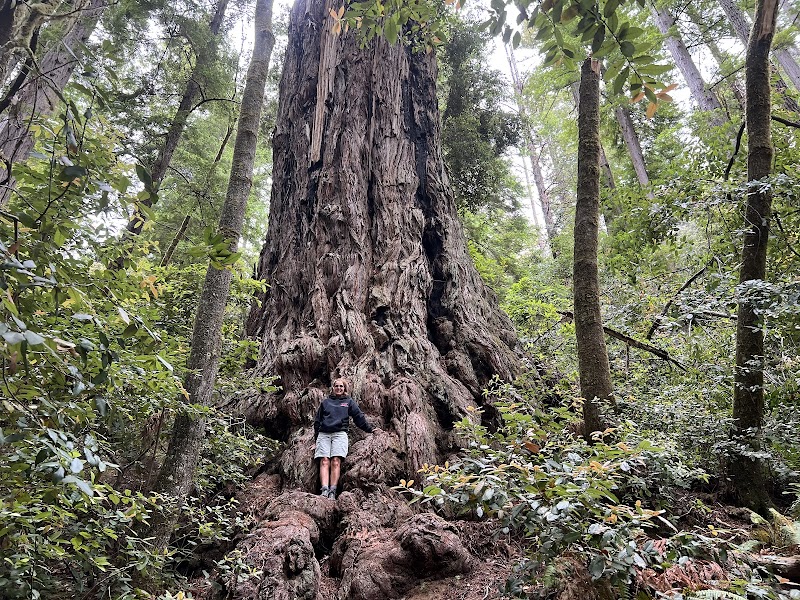
Arcata’s shifting coastal mists and ancient redwood groves shape a landscape that challenges and rewards those eager for wildlife encounters. Here, ecology tours cut through towering trees and damp meadows where Roosevelt elk graze cautiously and river otters slip silently through fresh-water creeks. To maximize sightings, timing and quiet observation are your greatest tools.
Start your adventure early along the Arcata Community Forest Trail, a 5-mile loop with an elevation gain of just 400 feet, weaving through dense Douglas fir and Sitka spruce that shelter migrating birds and black-tailed deer. The terrain is uneven, with exposed roots and occasional muddy patches, so solid footing and patient pacing help you move close without disturbance. Let the wind guide your approach—the whisper of leaves often reveals where wildlife waits.
Hydration is key as the forest’s cool dampness can mask exertion; bring a hydration pack to stay ready for longer, deliberate pauses. Footwear with good traction is essential since trails can become slick with coastal rain. Choose your tour times with care: dawn and dusk reveal animals in their most active hours, while midday’s brighter conditions tend to drive them into cover.
Keep in mind, the landscape is not a backdrop but a living participant—rivers dare you to sidestep boulders, their currents pushing forward, while gulls linger on wind currents overhead. Respect their rhythm; move deliberately but with the quiet eagerness of a thoughtful guest.
Beyond the trail, local guides often point visitors toward lesser-known features: the salt marshes where migratory shorebirds gather, or hidden ponds favored by the elusive Pacific giant salamander. Prepare for unpredictable conditions, from sudden fog bank roll-ins to brisk coastal breezes. Good gear and a sense of immersion will unlock the wildlife spectacle Arcata fiercely guards.
In practical terms, a wildlife-focused ecology tour here is a balance of steady observation and environmental adaptability. Expect to cover 3-6 miles in 2-4 hours depending on your pace and how often you pause. This measured rhythm lets nature lead the encounter without rushing the scene.
The payoff? Sightings of bald eagles circling thermals, river otters hunting beneath fallen logs, the rustle of lichen-heavy branches as a gray fox slips through shadows. Arcata’s ecology tours reward those prepared to meet it as a force—wild, alive, and demanding respect.
Nearby Trips
All Adventures
Boat Charters
Water Activities
Adventures near Arcata
Discover the unique and memorable adventures that make Arcata special.
Frequently Asked Questions
What time of day offers the best chances for wildlife sightings?
Dawn and dusk are the most active periods for most wildlife species in Arcata. Tread quietly during these times for optimal observation opportunities.
Are guided tours necessary to see wildlife, or can I hike independently?
Both offer benefits. Guided tours increase the chances of spotting elusive animals thanks to local knowledge. Independent hikes provide flexibility but require better preparation.
Which wildlife species are most commonly seen on ecology tours here?
Look for Roosevelt elk, black-tailed deer, river otters, bald eagles, and an array of migratory shorebirds.
How should I prepare for changing weather on the trails?
Layer clothing and carry rain gear. Coastal weather shifts rapidly, so be ready for fog, light rain, and sun exposure all in the same outing.
Are there any restrictions or guidelines to protect the local wildlife during tours?
Maintain distance from all animals, avoid feeding wildlife, stay on established trails, and follow any local park regulations to minimize disturbance.
Is it common to encounter poisonous plants or dangerous animals?
Poison oak is common, so wear long sleeves and pants. There are no large predators commonly encountered, but occasional black bears are possible—stay alert and make noise on the trail.
Recommended Gear
Water-resistant Hiking Boots
Keep feet dry and provide sturdy traction on slippery and uneven forest paths.
Hydration Pack
Hands-free hydration option encourages regular fluid intake over extended tours.
Lightweight Rain Jacket
Protection from coastal rain and fog is key to staying comfortable and dry during unpredictable weather.
Binoculars
Allows detailed viewing of distant wildlife without disturbing their natural behavior.
Local Insights
Hidden Gems
- "Arcata Marsh overlook for waterfowl views"
- "Hidden pond in the Community Forest favored by Pacific giant salamanders"
Wildlife
- "Roosevelt elk herds"
- "River otters in freshwater creeks"
- "Rare sightings of gray foxes near forest edges"
History
"Arcata’s forests have been managed with conservation efforts since the early 20th century, blending city green space with biodiversity preservation."