
Rock Springs Run’s Emerald Cut is a lively paddle route that challenges and rewards with its twisting currents and forest-lined banks. This guide leads you through essential gear and safety tips to help you prepare, ensuring your experience is both thrilling and secure.
Wear a Proper Personal Flotation Device
Always equip a well-fitted, Coast Guard-approved PFD designed for paddling to enhance safety in changing currents.
Check Water Levels Before You Paddle
Water flow can vary significantly; verify local water conditions to avoid unexpectedly strong currents or low water.
Pack a Dry Bag for Essentials
Keep phones, maps, and snacks dry and secure in a waterproof bag to avoid damage and maintain easy access.
Start Early to Avoid Heat and Crowds
Morning hours bring cooler temperatures and calmer waters, enhancing both comfort and safety on the run.
Essential Gear and Safety Tips for Paddling Rock Springs Run’s Emerald Cut

Emerald Cut Kayak Adventure
Ages 2+ • About 2 Hours • Great for any Paddlers!
Discover the stunning waters of Lake Apopka with King's Landing's private Emerald Cut Kayak Adventure. Enjoy peaceful paddling through clear waters, wildlife viewing, and personalized guidance in this exclusive outdoor experience.
Paddling Rock Springs Run’s Emerald Cut offers an engaging mix of lush terrain and spirited currents that test your skills without overwhelming danger. Stretching roughly 5 miles, the Emerald Cut section is a natural corridor framed by tall cypress and dense hardwood forests, where the water challenges and rewards with equal measure. The run teases your paddling instincts, with a waterway both inviting and insistent: it dares you to read its bends and respect its flow.
Before you launch, gear must serve more than convenience—it needs to guarantee safety and comfort amid shifting weather and water conditions. A sturdy, well-fitted personal flotation device (PFD) is non-negotiable; it’s your lifeline should the current pull unexpectedly. Opt for lightweight, breathable materials that won’t bog you down when wet.
Footwear demands sharp attention. The riverbed isn’t forgiving—rocks and submerged branches lurk just beneath the surface. Water shoes or neoprene booties deliver grip and protection without trading mobility. Combine these with quick-dry clothes layered to match Florida's fickle weather, typically warm and humid but prone to sudden chills especially in early mornings or late evenings.
Hydration packs or water bottles are crucial; Rock Springs Run can drain your reserves faster than you expect. Sunscreen and a wide-brimmed hat fend off relentless sun exposure filtered through the forest canopy. Don’t forget a dry bag to secure essentials—phone, maps, snacks—ensuring they remain accessible and dry.
Safety goes beyond equipment. Study the route. The Emerald Cut flows with mild rapids and varying depths, making it suitable for intermediate paddlers with basic maneuvering skills. Weather conditions and water levels fluctuate, so check local forecasts and recent river reports before heading out.
Start early to avoid midday heat spikes and enjoy calmer waters at dawn. The trailhead near Wekiwa Springs is well marked, but once on the water, navigation demands attention. The run pushes you forward with a personality distinct from calmer lakes—a river fiercely itself, always in motion.
Keeping a plan shared with someone onshore adds a vital layer of security. An emergency whistle and a compact first-aid kit should ride along. Mobile reception may falter deep in the run, so personal vigilance and preparedness form your best defense.
Emerald Cut offers more than just a paddle—it’s an encounter where gear and awareness blend to meet a powerful natural element. Ready your paddling vessel accordingly and respect the run’s tempo. Gear up well, embrace the river’s dialogue, and this adventure unfolds with both thrill and safety.
Nearby Trips
All Adventures
Boat Charters
Water Activities
Adventures near Apopka
Discover the unique and memorable adventures that make Apopka special.
Frequently Asked Questions
What level of paddling skill is needed for Emerald Cut?
The route suits paddlers with basic to moderate skills. You should be comfortable maneuvering mild currents and avoiding low-hanging branches or shallow rocks.
Are there any hazards to be particularly aware of?
Watch for submerged branches, fluctuating water levels, and sudden weather changes. Wildlife encounters with snakes or alligators are rare but possible—keep distance and avoid provoking animals.
Can I rent gear nearby or do I need to bring my own?
Local outfitters in Apopka offer kayak and canoe rentals, along with safety gear, removing the need to transport equipment long distances.
Is Rock Springs Run accessible year-round?
Yes, but conditions vary seasonally. Heavy rains in summer can raise water levels quickly, while fall and winter offer calmer, more predictable flows.
Are permits required for paddling Emerald Cut?
A state park entrance fee applies to Rock Springs Run State Reserve areas. No additional permits are usually required for day paddling.
What wildlife might I see along the run?
Expect to spot wading birds like herons and egrets, turtles sunning on logs, and if lucky, glimpses of deer and otters slipping quietly through the underbrush.
Recommended Gear
Personal Flotation Device (PFD)
Critical for safety in moving water, providing buoyancy and visibility.
Water Shoes or Neoprene Booties
Protect feet from rocky, submerged surfaces and offer traction when entering or exiting the water.
Dry Bag
Keeps valuables and electronics dry and secure during the paddle.
Hydration Pack or Water Bottle
Maintains hydration in Florida’s warm climate, crucial for endurance and alertness.
Local Insights
Hidden Gems
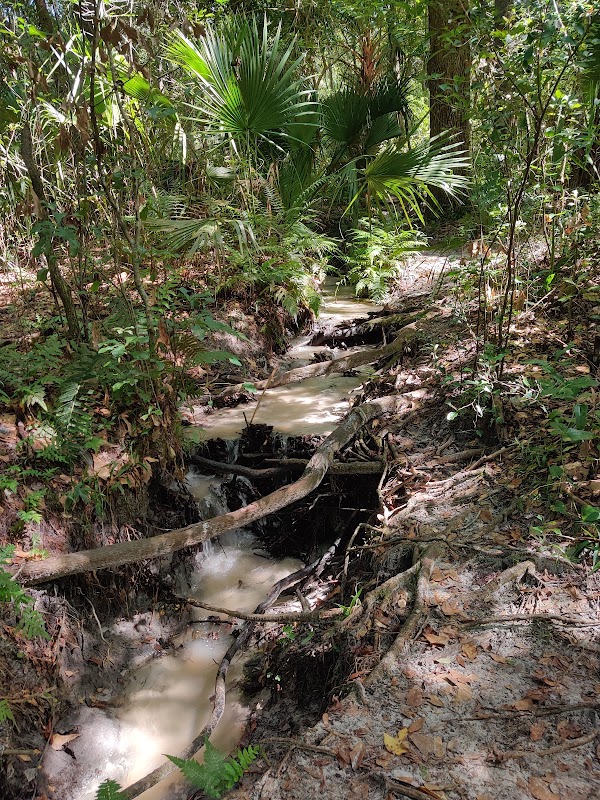
- "A small waterfall near the mid-point that’s ideal for a short rest and photo break."
- "A dry hammock area toward the run’s end, perfect for picnics away from typical crowds."
Wildlife
- "Florida softshell turtles"
- "American alligator (observe from a distance)"
- "River otters"
- "Wading birds like great blue heron"
History
"The Rock Springs area was historically a vital pathway for Native American tribes and later settlers; remnants of old footpaths and campsites exist along the shorelines."