
Experience Alaska’s volcanic might and thriving wildlife at their best by visiting between late spring and early fall. From dense forests to volcanic ash fields, this guide helps you plan your adventure with practical tips and key seasonal insights for an unforgettable journey.
Wear Layered, Waterproof Footwear
Choose boots that handle rocky volcano terrain and soggy forest trails with ease; waterproofing helps when mud and streams challenge your footing.
Plan for Variable Weather
Alaska’s weather shifts rapidly; pack rain gear and sun protection to stay comfortable through sun, wind, and sudden showers.
Carry a Reliable Hydration System
Long hikes on volcanic slopes and forest paths demand steady hydration—use reusable bottles or hydration packs to stay fueled.
Respect Wildlife Viewing Distance
Maintain safe distances from bears and other animals; use binoculars and cameras with zoom lenses to avoid disturbance while capturing moments.
Timing Your Alaska Visit for Optimal Volcano and Wildlife Viewing

Bluff-View RV Site
Daily Rates-up to 4 people!
Discover the dramatic volcanic vistas of Ninilchik from the Bluff-View RV Site. This scenic spot offers comfortable amenities and awe-inspiring views, making it a perfect base for your Alaskan adventure.
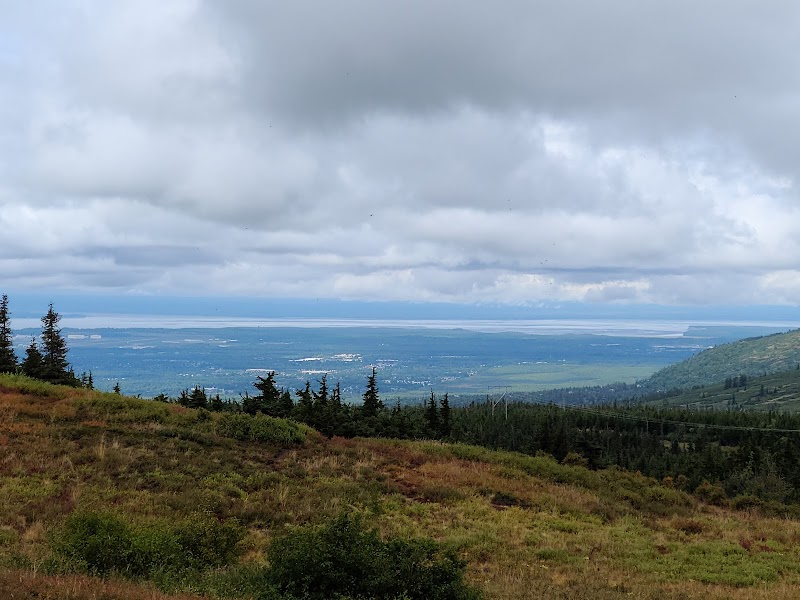
Alaska’s volcanic landscapes and abundant wildlife offer an unmatched wilderness experience, but timing your visit right is key to encountering both at their prime. Volcanoes like Mount Redoubt and Augustine Island pulse with geological energy, daring explorers to witness their raw power alongside forests and tidewaters where bears, eagles, and otters roam.
Plan your trip between late May and early September for stable weather, extended daylight, and peak wildlife activity. Spring trails are bandaged in thawing snow and mud, while summer offers easier footing on forested paths and exposes vulcanic ash deserts in bold contrast with blooming alpine meadows. Fall introduces crisp, cool air and migrating animals but quickens daylight’s retreat.
Popular volcano hikes vary in intensity. The Mount Redoubt area, accessible via guided trips from Anchorage (approximately 120 miles south), challenges trekkers with rugged terrain, roughly 5 to 7 miles round trip, and elevation gains near 2,500 feet. The trail carves through spruce forests and cedar groves, where rivers murmur, daring you forward. Clearings open into sweeping views of crater rims and steaming fumaroles that remind you how fiercely nature shapes this land.
Bear viewing near Katmai National Park and Preserve benefits from late summer salmon runs. Visiting between July and September increases your chances of spotting these powerful creatures fishing along riverbanks, juxtaposed with the volcanic backdrop. Consider guided tours that respect animal habitats and terrain hazards.
Prepare practically: sturdy waterproof boots with good traction, layered clothing to adjust to sudden weather changes, and ample hydration. Unpredictable weather, ranging from sun to sudden thawing rain, demands flexibility in gear. Bring binoculars for spotting distant wildlife and a reliable camera setup to capture the landscape’s vast contrasts.
Volcanic terrain can be unstable—cracks, loose rock, and hot steam vents demand attention and respect without haste. Wildlife encounters teach patience and prudence. Whether standing quietly below an active vent or watching a bear slip silently along a creek, the essence of adventure is an exchange; nature remains fiercely itself, inviting you to observe, not conquer.
Optimal timing amplifies your experience. Arrive early morning to catch sunrise lighting volcanic peaks in soft amber, or linger late afternoon when golden hues warm rugged ridges and wildlife emerges from secretive cover. This balance of preparation and presence grants both a safe and inspiring connection to Alaska’s elemental wilds.
Nearby Trips
All Adventures
Boat Charters
Water Activities
Adventures near Anchorage
Discover the unique and memorable adventures that make Anchorage special.
Frequently Asked Questions
When is the best time to see bears near Alaska’s volcanoes?
Late July through September aligns with salmon spawning runs, attracting bears to rivers and streams around volcanic areas like Katmai National Park.
Are guided tours necessary for volcano hikes in Alaska?
While some trails are accessible independently, guided tours offer safety through unstable volcanic terrain and provide expert wildlife spotting and culturally informed experiences.
What wildlife can I expect to see besides bears?
Expect to see bald eagles soaring overhead, river otters frolicking in streams, and occasionally moose browsing nearby forest edges, especially in summer months.
How do I prepare for rapidly changing weather on volcano hikes?
Carry layered, weatherproof clothing, check local forecasts, and start early to avoid afternoon rain or fog which reduce visibility on exposed ridges.
Are there any restricted zones near active volcanoes?
Yes, some areas around active volcanic vents are off-limits for safety and conservation; always follow posted signs and ranger instructions.
Can I photograph volcanic activity and wildlife on the same day?
Yes, early mornings provide soft light for geological features while mid to late day is ideal for animal activity around water sources, maximizing your photography opportunities.
Recommended Gear
Waterproof Hiking Boots
Crucial for handling wet, muddy conditions and rocky volcanic surfaces.
Layered Clothing
Allows quick adaptation to changing temperatures and weather.
Binoculars
Helps to safely view distant wildlife and volcanic features.
Hydration Pack
Keeps you hydrated during long hikes in remote volcanic and forest areas.
Local Insights
Hidden Gems
- "The Hurdygurdy Creek viewpoint offers intimate views of volcanic steam vents rarely visited by tourists."
- "Along the Virgin Creek Trail, subtle wildflower patches contrast rugged volcanic ash, great for quiet reflection."
Wildlife
- "Look for river otters near salmon-bearing streams, often visible early morning or dusk."
- "Brown bears dominate salmon runs, but keep an eye out for elusive wolverines which patrol volcanic slopes."
History
"The volcanic activity in the region shaped indigenous cultures, who revered volcanoes as powerful spirits; many trails trace paths used for centuries by native Alaskans."