Table Top Mountain near Anchorage offers a challenging yet rewarding hike with steep ascents and stunning views of Cook Inlet. This guide equips you with an essential gear checklist and practical tips to help you tackle the trail with confidence, whether you're a casual hiker or an experienced adventurer.
Start Early to Beat Weather Changes
Begin your hike in the morning when the weather is most stable and temperatures are cooler. Rapid changes in Alaska’s mountain weather can bring fog and rain by afternoon.
Trekking Poles for Steep Sections
Use trekking poles to maintain balance on steep, rocky terrain and reduce strain on knees during both ascent and descent.
Bring Extra Layers
Weather can shift quickly; pack moisture-wicking base layers, an insulating mid-layer, and a waterproof shell.
Hydrate Consistently
Drink water regularly and consider a filter if you plan to refill from alpine streams, but approach water sources cautiously.
Gear Up Right: Essential Checklist for Alaska’s Table Top Mountain Hike

Table Top Mountain Hike
$250 • All Ages • 3.5 Miles Loop Trail • 6 Hours • Capacity 2-4 people • Moderately Challenging
Join Tundra Trekkers for a private 3.5-mile hike through Alaska’s stunning landscapes. Reach the summit for breathtaking views of boreal forests and tundra, led by friendly guides in a small-group setting. Experience the rugged beauty of Alaska’s wilderness with this moderate trek that combines scenic driving, wildlife sightings, and spectacular vistas. Perfect for outdoor lovers seeking a personalized adventure in Fairbanks.
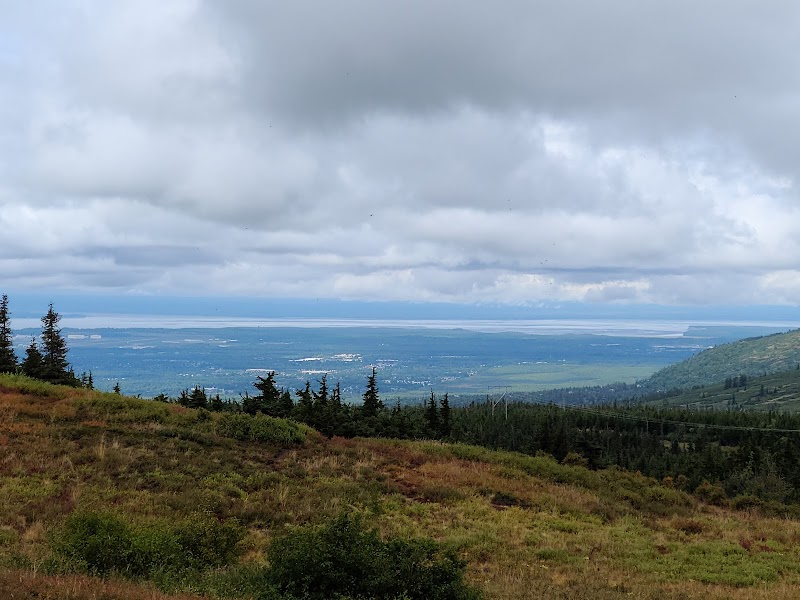
Table Top Mountain commands attention from its base near Anchorage, Alaska, with a steep, rugged trail that challenges and rewards equally. Covering just under 5 miles round trip with an elevation gain of approximately 3,300 feet, this hike demands respect—not from a distance but through preparation and sturdy resolve. The terrain shifts quickly from dense spruce and birch forests, which seem to hum with the restless winds of the north, to exposed alpine ridges where the mountain meets Arctic sky. Here, the air is sharp, and every sweeping view of Cook Inlet and distant glaciers reminds hikers why they came.
Starting early is key—the Alaska daylight stretches long in summer, but weather and temperatures can change fast. Your boots will press into rocky soil and wet patches where streams cross, testing waterproof durability. The trail climbs steeply, so bring trekking poles to keep your balance as the mountain’s roots and rocks dare you to steady your footing.
Hydration is non-negotiable. Carry at least two liters of water, filtered if you plan on refilling from natural sources, as brisk streams snake down the slope inviting but often carry unexpected mineral loads. Layering is your ally: morning chill gives way to midday warmth, but wind and sudden rainfall remind you that Table Top Mountain plays by its own rules.
Aside from physical gear, pack a map and compass. GPS signals can falter beneath dense canopy or cloud coverage that creeps in. A first aid kit tailored for blisters and minor scrapes keeps common trail risks in check.
In short, this hike doesn’t ask you to conquer—it invites you to engage with a terrain that is fiercely itself. The mountain’s voice is found in the crunch of your boots on gravel, the brush of wind through branches, and the horizon that pulls you up, step after rigorous step. Prepare with care and move forward with intention, and Table Top Mountain will deliver an unforgettable chapter for any outdoor enthusiast’s logbook.
Nearby Trips
All Adventures
Boat Charters
Water Activities
Adventures near Anchorage
Discover the unique and memorable adventures that make Anchorage special.
Frequently Asked Questions
How difficult is the trail compared to other Anchorage-area hikes?
Table Top Mountain is one of the steeper hikes within reasonable driving distance from Anchorage, featuring a vigorous ascent over a short distance. It's more strenuous than popular local trails like Flattop but offers unmatched views and a rewarding physical challenge.
Are there any water sources along the trail?
Several small streams cross the trail, mainly in the lower sections and at snowmelt season. While these streams invite you to refill, always use a water filter or purification method to avoid natural contaminants.
Is the trail well-marked and easy to follow?
The trail is marked but can be obscured in dense forest or wet conditions. A map and compass or GPS device are recommended, especially during shoulder seasons when snowfall or fog can reduce visibility.
What wildlife should I watch for on the hike?
Black bears and moose inhabit the region. Early morning or late dusk sightings are most common, so stay alert, make noise to announce your presence, and know how to respond to encounters.
Can I do this hike year-round?
The trail is accessible year-round but requires snowshoeing or skis in winter with proper equipment and experience. Summer is best for standard hiking conditions with stable trails.
Are dogs allowed on the trail?
Dogs are permitted but should be kept on a leash due to wildlife and steep terrain. Bring ample water and be prepared for a challenging climb alongside your canine companion.
Recommended Gear
Waterproof Hiking Boots
Protect feet from wet terrain and provide stable traction on rocky, uneven trails.
Layered Clothing System
Adapts to fluctuating temperatures and unpredictable weather, from cool mornings to windy ridges.
Trekking Poles
Assist with balance and reduce impact on knees during steep climbs and descents.
Water Filtration Device
Enables safe refills from mountain streams, essential on longer hikes during warmer months.
Local Insights
Hidden Gems
- "A small, less-traveled viewpoint near the tree line offers quiet panoramas of the Alaska Range beyond the main summit."
- "The moss-covered fallen logs along the mid-trail create natural rest spots where the forest hush deepens."
Wildlife
- "black bears"
- "moose"
- "marmots"
- "golden eagles"
History
"Table Top Mountain has served as a natural landmark for indigenous peoples and gold prospectors in the early 20th century, marking a gateway to Alaska's wilderness."