
Yosemite adventure guide
Find your way into Yosemite.
Granite cathedrals, plunging waterfalls, and wide meadow bowls define Yosemite. This guide helps you weave waterfall hikes, classic rock approaches, and quiet valley paddles into realistic day plans—whether you have an afternoon or a long weekend. Expect granite slabs warmed by sun, rivers that sing in spring runoff, and a seasonality that shapes access: water-activities and fishing peak with snowmelt, while walking tours and wildlife viewing reward the shoulder seasons.
Three ways into the city
Pick a landscape. Build a day around it.
Yosemite is less a single destination than a collection of neighboring worlds. Start with the version of the city that matches your pace, then use the ranked guide below to fill in the details.

Begin where the city meets the sea.
Surf breaks, sheltered harbors, whale routes, and long beach paths make the coast LA’s most immediate outdoor playground.
Explore water activities →
Let a local connect the landmarks.
Use a guided city, walking, or sightseeing tour to turn LA’s sprawl into a coherent story.
Explore boat tour →
Ride the coast and the city.
Beach paths, river corridors, e-bikes, and ridge climbs reveal a more connected Los Angeles.
Explore wildlife →Choose your way into Yosemite
The top 15 Yosemite adventures.
Ranked by the number of currently listed trips. Each panel opens the complete local activity collection.
1Water Activities
Granite cathedrals, thunderous waterfalls and ribboned rivers make Yosemite an uncommon setting for water-based adventures. From placid alpine lakes framed by domes to the searing corridors of late-spring runoff, the park offers canoeing, SUP, guided rafting, swimming at designated spots, and seasonal whitewater downstream of the valley. This guide focuses on how to experience Yosemite’s water—when to go, what’s safe, and how to layer water-based outings with hiking, climbing viewpoints and wildlife watching.
Explore water activities →2Boat Tour
Boat tours in Yosemite are a quieter kind of reverence: slow-moving hours on glassy water, the canyon walls and granite monoliths reflected like a folded map. Whether you drift in a rented canoe at dawn, glide on a ranger-led pontoon under Bridalveil Fall’s spray, or tackle springtime whitewater on the Merced, the park’s water-based experiences reframe familiar landmarks and open access to wildlife, geology, and the slow mathematics of light on stone.
Explore boat tour →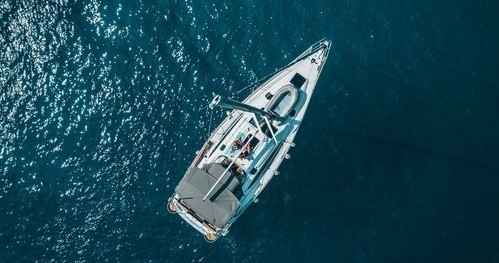 3
3Sailing
Sailing in Yosemite is less about ocean swells and more about a particular, crystalline quiet: sails drawing in alpine air above glacial basins, skimming water that reflects granite walls and sky. Whether you’re catching thermals across Tenaya Lake or piloting a small daysailer on a nearby reservoir, the experience is intimate, elemental, and closely tied to seasonal access and mountain weather.
Explore sailing → 4
4Sightseeing Tour
Yosemite's sightseeing tours are a study in scale—granite monoliths loomed close enough to feel, waterfalls that announce themselves with spray and thunder, and alpine meadows threaded by roads that climb into a different climate. These tours range from short narrated valley-loops suited to families to sunrise photography trips and immersive full-day circuits that take in Glacier Point, Tuolumne, and the lesser-known high country. Whether you want an accessible shuttle experience or a customized small-group exploration, Yosemite sightseeing is less about checking boxes and more about choreographing the moments: quiet vistas at dawn, a sudden rainbow in Yosemite Falls, or the hush under giant sequoias.
Explore sightseeing tour → 5
5Boat Rental
Yosemite's granite walls and alpine lakes make for some of the most cinematic paddling and small-boat experiences in California. From glassy early-morning crossings on Tenaya Lake to calm stretches along lower Merced River runs, renting a canoe, kayak, or small motorboat is a fulfilling way to place yourself inside Yosemite's iconic scenery without hours of hiking. This guide focuses strictly on boat rental options, on-water etiquette, seasonal access, and practical planning to help you pick the right craft for your trip.
Explore boat rental → 6
6Scuba
Scuba in Yosemite is an offbeat, freshwater experience carved into glacial basins and mountain reservoirs—far from the salt of coastal dives but full of alpine clarity, submerged granite, and a quiet intimacy with Sierra aquatic landscapes. Divers who chase unusual entries—cold-water lake dives, submerged rock gardens, and high-altitude skill-building—will find Yosemite’s waterbodies a place to practice technique, shoot unique underwater landscapes, and pair surface activities like kayaking and hiking with short immersive dives.
Explore scuba → 7
7City Tour
Beyond granite cathedrals and winding trails, Yosemite’s small towns and park villages offer a distinctly human side of the high country: century-old post cards, shuttered stagecoach inns reborn as bakeries, and resident naturalists who read the weather like scripture. City tours here are compact, story-rich walks and drives that fold cultural history and contemporary outdoor access into half-day itineraries—perfect for travelers who want to understand how communities shaped, and were shaped by, the national-park experiment.
Explore city tour → 8
8Fishing
Yosemite’s fishing is a study in contrasts: cold, clear mountain creeks that thread through granite canyons, broad meadow rivers that flow slow under open skies, and a constellation of high-elevation lakes reached by day hikes. Anglers come for wild-trout water, classic fly-fishing runs, and the kind of quiet that lets you hear a strike before daylight fractures the canyon walls. This guide focuses on where to fish, when to go, what to expect on the water, and how to plan respectful, safe trips that honor both the fish and the place.
Explore fishing → 9
9Surf
Yosemite is a cathedral of granite, waterfalls, and high-country trails—not a surf town. For travelers who base themselves in the park or the Sierra foothills and crave saltwater waves, surfing becomes a road-trip decision. This guide centers on the practical reality: Yosemite offers no ocean breaks, but it sits within a day's drive of some of Central California's classic surf. Read on for how to plan a surf-focused side trip from Yosemite, what to expect on the coast, safer alternatives on rivers and lakes, and how to combine high-country adventures with a few days chasing swell.
Explore surf → 10
10Walking Tour
Walking tours in Yosemite compress geological time into a single afternoon and turn well-trodden paths into stories. From gentle valley-floor nature walks that deliver iconic views of El Capitan and Bridalveil Fall to high-country meadow ambles where subalpine blooms crowd the trail edge, guided and self-guided walking tours let you slow down and read the landscape—its granite, rivers, and human histories—at walking pace.
Explore walking tour →11Wildlife
Yosemite is as much an animal kingdom as it is a granite cathedral. From the quiet pulse of meadows at dawn to the cliff-side acrobatics of falcons, wildlife watching here pairs dramatic scenery with intimate moments—bear sows teaching cubs, mule deer grazing at the river's edge, and pika high on talus fields. This guide focuses on where, when, and how to see wildlife responsibly across the valley, meadows, and high country.
Explore wildlife → 12
12Whale Watch
Yosemite is cathedral cliffs, thunderous waterfalls, and inland wilderness—stunning, but far from the pelagic realm where whales roam. True whale watching requires a coastal staging ground: from Yosemite that means a day trip or overnight drive to Monterey, Santa Cruz, or San Francisco. This guide explains why whale watching doesn't happen inside the park, maps the nearest ports and seasons, and lays out practical planning for pairing Yosemite’s granite drama with coastal cetacean encounters.
Explore whale watch → 13
13Bike Rental
Yosemite's bike rentals turn the park's iconic valley floor, serene roads, and accessible multi-use paths into a simple, immediate way to feel the landscape. Renting a bike here isn’t just about covering ground faster—it's a different tempo for the park: long afternoon cruises beneath granite monoliths, quick rides between meadows and waterfalls, and quiet dawn loops before the parking lots fill. Options range from sturdy cruisers and hybrid bikes for casual sightseeing to e-bikes and fat-tire models for chillier trails and light off-road exploration. Whether you want to pedal past El Capitan with the wind in your face or take a family-friendly loop to Bridalveil Fall, rentals remove the friction of logistics and unlock more active hours in Yosemite.
Explore bike rental → 14
14Bus Tour
Bus tours in Yosemite concentrate the park’s grandeur into a moving, narrated frame: granite monoliths slide past panoramic windows, and a guide’s steady voice threads together geology, human history, and natural lore. For travelers who want the story without the logistics—no parking blocks, no shuttle transfers, just a seat and the scenery—bus tours are the most accessible way to experience Yosemite’s major highlights and deeper, lesser-driven corridors alike.
Explore bus tour → 15
15Kayak
Kayaking in Yosemite is a study in contrasts: glassy alpine basins rimmed by granite, quiet lowland river stretches threaded through valley meadows, and fast-moving upland runs that demand technical skill. This guide focuses on where to launch a kayak inside and near the park, when water levels make sense, and how to pair paddling with classic Yosemite experiences—short hikes to granite overlooks, wildflower meadows onshore, or evening stargazing after a day on the water.
Explore kayak →The city and the sea
Why Yosemite Belongs on Your Adventure Shortlist
Variety without surrendering the day to long transfers.
Yosemite reads large: high granite walls that catch the sunrise, glacial meadows that hold wildflower carpets, and rivers that carve the valley into a near-primordial theater. Arrive and you’ll feel the scale immediately—El Capitan’s face is a test of perspective, Yosemite Falls is a vertical orchestra in spring, and Tuolumne Meadows trades the valley’s drama for a quiet, high-country optimism. That drama is matched by variety. Hikers come for classic day rambles and steep summit pitches; families find mellow loops and accessible waterfalls; water-lovers can time visits to chase full rivers for fishing, scenic boat or raft outings, or calmer lake paddles. The region’s activity mix—water activities, boat tour and kayak options in nearby reservoirs, fishing along riffles, wildlife viewing at dawn, and walking tours through cultural and natural history—means you can stack culturally rich experiences and pure outdoor time without doubling back. Practical access matters here. Some of Yosemite’s most cinematic moments require only a short walk from a well-marked lot; others need planning, permits, or a shuttle. Peak season swells the valley floor, so early starts, midweek travel, or shifting your priorities to High Sierra destinations like Tuolumne or Mariposa Grove can preserve a sense of solitude. Outfitters and guide services cover sailing and boat-rental style experiences on nearby reservoirs, kayak trips on calmer waters, and specialized trips like guided wildlife or photography walks—helpful if you want local logistics handled. Finally, Yosemite rewards layering. Mornings often demand a light shell, midday opens for a shirt, and evenings pull back to a crisp valley cool. That variability, and the concentrated intensity of the scenery, makes Yosemite a place to plan around moments: dawn at Tunnel View, lunchtime by a creek, then a late-afternoon walk to watch cliffs shift color. The park’s mix of experiences—sightseeing tour viewpoints, guided walking or bus tours for context, and more active pursuits like fishing, surf (river surf informs among locals), and route-finding rock approaches—means you can design a trip that leans technical or leans wide-open and restorative.
Access is logistical: check Tioga Road and Glacier Point Road status seasonally, book valley lodging or campsites months ahead for summer, and consider shuttle or timed-entry options. When waterfalls run, lowland walks can be drenched in spray—bring traction-friendly shoes.
Yosemite pairs peak experiences with quiet edges. Head to lesser-known meadows for wildlife and wildflowers, use guided options for technical activities like rock climbing or backcountry lake kayak trips, and carve a day to simply stand on a granite shoulder and watch light move across the valley.
Conditions shape the day
The best time to visit Yosemite.
Spring brings the most dramatic waterfalls during snowmelt; summer opens high-country roads and trails but raises temperatures in the valley. Afternoon thunderstorms are possible in summer in the High Sierra. Fall cools quickly and can offer clear skies and quieter trails; winter brings snow and limited road access.
Best all-around window
Spring + fall
Comfortable mixed-itinerary weather, thinner crowds at beaches and lookouts, and more room to improvise.
Beach season
Late May through September—expect high visitation on weekends and holidays; book lodging and permits well in advance.
Surf + whales
Late fall through early spring offers solitude and snowscapes; focus on valley walks, snowshoeing, or lower-elevation driving when Tioga and Glacier Point roads are closed.
Coast to inland
Cool marine mornings often give way to warmer inland afternoons and breezy evenings.
Beginner
Short, well-marked trails and mellow valley loops offer iconic views without technical demands—ideal for families and casual walkers.
- Lower Yosemite Falls Loop (easy, iconic viewpoint)
- Walking tour of Yosemite Valley meadows and cultural sites
- Gentle creekside fishing or simple water-activities near calm pools
Intermediate
Longer day hikes, moderate elevation gain, and basic water outings define this level—be prepared for variable footing and longer exposure to sun and elevation.
- Rim trail sections or the Vernal Fall and Nevada Fall scramble
- Kayak or boat-rental on nearby reservoirs and calmer lakes
- Guided wildlife viewing and mid-distance walking tours
Advanced
Technical climbing, full-day high-country traverses, and whitewater or backcountry routes require planning, permits, and often a guide or specialized skills.
- Multi-pitch routes on El Capitan with a certified guide
- Backcountry trekking across Tuolumne with glacier-formed terrain and route-finding
- Technical river runs and extended kayak trips on full runoff (with appropriate experience or guide)
Field kit
What to bring.
Pack for sun, salt water, walking, and a meaningful temperature swing between coast and inland Yosemite.
Essential
Start here
- Layered clothing for big diurnal swings (base layer, insulating midlayer, weather shell)
- Sturdy footwear with good traction for wet granite and trail rock
- Water, snacks, and a daypack with first-aid essentials
- Sun protection—high UV at elevation (hat, SPF 30+, sunglasses)
- Park map, permits or reservation confirmations, and a charged phone with offline maps
Water days
Keep it dry
- Light rain shell and a packable insulating layer for sudden high-country weather
- Trekking poles for steep approaches and wet root sections
- Dry bag or waterproof case for electronics around waterfalls and river activities
- Binoculars for wildlife viewing and birding
Long days
Stay flexible
- Compact spotting scope for distant granite faces
- Lightweight kayak accessories (paddle leash, personal floatation device) if planning lake or calm-water paddling
- Camera gear with protective cases and extra batteries
Insider note
Start early, then keep the geography tight.
Beat crowds by starting at dawn and favoring weekdays. When waterfalls are at peak, expect spray on valley trails—pack quick-dry layers and protect electronics. Tioga Road and Glacier Point Road open late spring depending on snowpack; plan alternate days if high-country access is delayed. For water-activities like kayak or quiet boat trips, consider nearby reservoirs for predictable conditions; hire local outfitters for guided fishing, kayak launches, or scenic boat experiences. Respect wildlife by keeping distance and storing food properly. Finally, leave no trace: fragile meadow soils and high-country flora recover slowly—stick to durable surfaces and pack out what you bring.
Good to know
Frequently asked questions.
Can I do most activities without a guide?
Yes for many hikes, valley sightseeing, and basic fishing; choose guides for technical rock climbing, backcountry navigation, river running, or specialized wildlife and photography tours.
Are waterfalls safe for swimming?
Not always. Many pool areas have strong currents, cold water, and slippery granite. Use designated swim areas where posted and respect seasonal warnings.
How early should I start during peak season?
Start at or before sunrise for major viewpoints and trailheads to avoid crowds and secure parking, especially at Tunnel View, Yosemite Falls, and Glacier Point.
Ready when you are
Find the trip that fits your Yosemite day.
Compare bookable experiences across the coast, city, and mountains—then save the ones that belong in your plan.
Explore all Yosemite adventures ↗