
Wolcott adventure guide
Find your way into Wolcott.
Wolcott sits where the high Rockies begin to spill into river valleys—a small waypoint with outsized access to rafting, skiing, and alpine solitude. This guide maps practical routes from morning hikes along river corridors to afternoon paddles and late-winter snowmobile runs, pairing local walking and city tours with the harder edges of climbing and ATV exploration. With hundreds of options in the surrounding county, Wolcott works best as a basecamp: rent a bike, shuttle into a talus-lined trail, trade a town walk for a guided whitewater day, or book a night at a riverside lodging to reset between adventures.
Three ways into the city
Pick a landscape. Build a day around it.
Wolcott is less a single destination than a collection of neighboring worlds. Start with the version of the city that matches your pace, then use the ranked guide below to fill in the details.

Begin where the city meets the sea.
Surf breaks, sheltered harbors, whale routes, and long beach paths make the coast LA’s most immediate outdoor playground.
Explore water activities →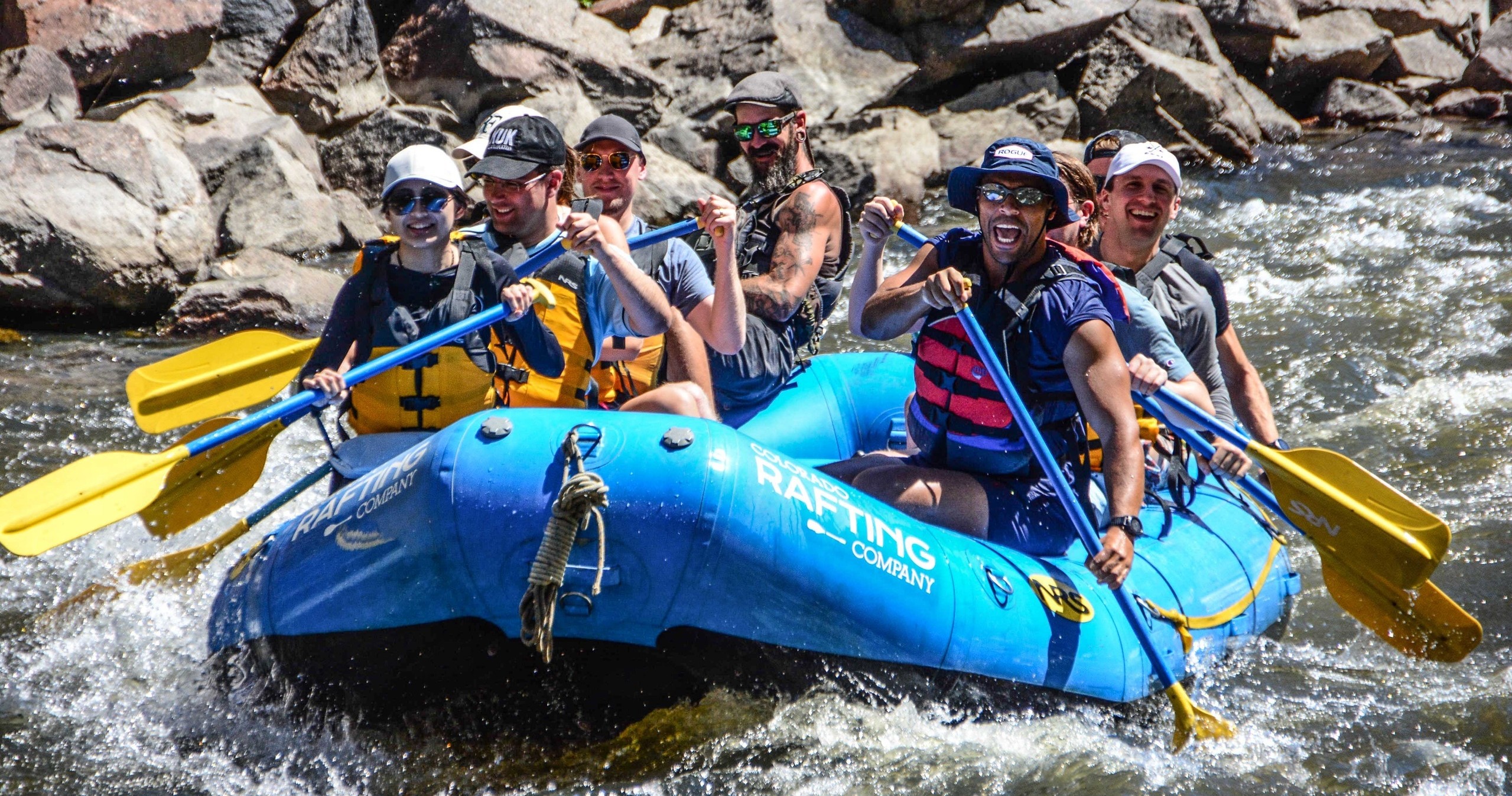
Let a local connect the landmarks.
Use a guided city, walking, or sightseeing tour to turn LA’s sprawl into a coherent story.
Explore walking tour →
Ride the coast and the city.
Beach paths, river corridors, e-bikes, and ridge climbs reveal a more connected Los Angeles.
Explore bike rental →Choose your way into Wolcott
The top 15 Wolcott adventures.
Ranked by the number of currently listed trips. Each panel opens the complete local activity collection.
1Walking Tour
Small, quietly situated in the Colorado River valley, Wolcott reveals itself best beneath a walking pace. Walking tours here thread riverbanks, cottonwood-lined streets, and fragments of mountain-industry history. Whether you favor interpretive self-guided loops through town, guided nature walks along the Eagle River, or short habitat strolls that turn up songbirds and trout—Wolcott's walks are compact, richly textured, and easy to combine with neighboring outdoor pursuits like fly-fishing, road cycling, and short hikes into surrounding foothills.
Explore walking tour → 2
2Rafting
Wolcott sits low in the Vail Valley as a practical launch point for rafting on the Eagle River and nearby stretches of the Colorado River. From calm, family-friendly floats to adrenaline-charged whitewater runs that swell with seasonal snowmelt, the water around Wolcott delivers a spectrum of commercial trips and guided expeditions. This guide focuses on rafting experiences—what to expect on the water, how seasons shape conditions, and how to plan a safe, memorable river day in the high country.
Explore rafting →3Water Activities
Wolcott sits at a confluence of rivers, reservoirs, and high-desert drains where alpine runoff becomes a playground: gentle floats that unfurl across broad river flats, technical creek lines sheltered by conifers, and long, reflective lakes for stand-up paddleboarding and early-morning fishing. This guide focuses on water activities centered on the Eagle River corridor and nearby waterways—where spring runoff sculpts whitewater, summer brings steady paddling, and autumn yields quiet, cold mornings that sharpen the light and slow the crowds.
Explore water activities → 4
4Snowmobile
Perched along the I‑70 corridor and shadowed by the Gore Range, Wolcott functions less like a town and more like a gateway: a short, practical stop between metro valleys and the wide snowfields of the White River National Forest. Snowmobiling around Wolcott means trading busy resort laps for open basins, groomed corridor runs, and direct access to backcountry bowls that reward riders with long runs and snow that holds cold and deep. Expect a mix of family-friendly groomers, guided day trips that explore high meadows and tree runs, and multi-day touring routes that push into quieter alpine terrain. The riding here is shaped by the valley geography—long approaches through sage and aspen, sudden ascents into wind-scoured ridgelines, and sheltered pockets where the snow stacks up like flour. For the practical traveler, Wolcott places you near rental shops, professional outfitters in nearby Eagle and Avon, and a constellation of service towns along the interstate, while giving you quick entry to the wide, powder-ready backcountry few hours from Denver.
Explore snowmobile →5Bike Rental
Wolcott sits quietly on the edge of the Vail Valley, a practical launching pad for every kind of pedal-powered outing—from flat riverside cruises to raw gravel and technical singletrack that climbs into the Gore Range. Local bike rentals cater to weekend explorers and committed riders alike, offering e-bikes for easy valley loops, hardtail and full-suspension mountain bikes for nearby trails, and gravel rigs for the network of ranch roads and county connectors.
Explore bike rental → 6
6Winter Activities
Wolcott sits at the crossroads of swift valley winds, high alpine basins, and easy access to some of Colorado’s best winter recreation corridors. This guide focuses tightly on winter activities — from mellow snowshoe loops beside frozen creeks to backcountry ski objectives above treeline — and lays out the terrain, access, hazards, and planning details you need to convert a cold-season curiosity into a safe, memorable outing.
Explore winter activities → 7
7Ski
Wolcott sits at the understated hinge between high alpine terrain and valley-access convenience, a practical launchpad for winter travelers who want to ski world-class resort groomers one day and probe unconsolidated backcountry slopes the next. This guide focuses exclusively on skiing from Wolcott—resort days, side-country runs, nordic outings, and backcountry tours—distilling the terrain, seasonal rhythms, and planning details you need to actually get out there.
Explore ski → 8
8Hiking
Tucked along I-70 between Eagle and Avon, Wolcott is a quietly strategic launch point for hiking in the high country. Trails here stitch valley riparian corridors into high alpine ridges: easy riverside rambles give way within a short drive to moraine fields, aspens, and exposed summits. This guide focuses on day hikes and loop options accessible from Wolcott that highlight the area's mix of river-bottom serenity and nearby alpine challenge.
Explore hiking → 9
9ATV/UTV
Wolcott sits where high mountain shadows give way to wide valley approaches — an ideal launching point for short technical runs and longer backcountry traverses on ATVs and UTVs. From gravel service roads that climb toward alpine meadows to river-side two-tracks and legal motorized routes that thread through public land, the area around Wolcott offers a compact but varied motorized playground. This guide focuses on how to experience that terrain responsibly and efficiently, with practical planning notes, seasonality, and safety information for both first-time riders and experienced wheelers.
Explore atv/utv → 10
10Climbing
Perched in the upper Eagle River valley and threaded by I‑70, Wolcott is a practical basecamp for climbers who want to swap highway minutes for granite, mixed alpine routes, and winter ice lines. Short approaches off the interstate lead to sport and trad crags, while nearby alpine ridges and the Holy Cross foothills open longer, less-crowded objectives. Expect quick transitions between roadside sport climbs and multi-pitch granite that feels far wilder than the town’s modest size suggests.
Explore climbing → 11
11Wildlife
Set in the broad, irrigated valley where the Eagle River slows and spreads, Wolcott is an understated base for intimate wildlife encounters. From riverfront songbirds and wintering waterfowl to elk and mule deer moving through hayfields and aspen-lined draws, this stretch of the valley compresses a cross-section of Colorado's high-montane ecology into easy reach of the highway. This guide zeroes in on where animals concentrate, when to watch, and how to plan responsible, rewarding wildlife trips that pair naturally with fishing, hiking, and quiet overnight stays.
Explore wildlife → 12
12City Tour
Wolcott is less a bustling downtown than a compact, lived-in corridor where ranch-country rhythms meet the edges of Colorado’s high mountain frontier. A city tour here is a slow study in scale: river-side viewpoints, unhurried streets, historic ranch infrastructure, and the occasional mural or rail relic that mark the town's working past. These tours are ideal for travelers who prize local texture over tourist gloss—half-day strolls that pair perfectly with nearby outdoor pursuits from river floats to short trail hikes.
Explore city tour → 13
13Kayak
Wolcott sits at a calm hinge point between the high peaks and the wide river valley — a place where paddlers can choose wind-dimpled reservoirs or flowing stretches of the Eagle River. Kayaking here reads like a compact Colorado primer: snowmelt-fed runs in late spring, mellow summer floats edged by cottonwood-lined banks, and small, sheltered lakes that reward exploration and wildlife watching. This guide focuses on what kayaking near Wolcott really feels like, how to plan around flows and seasons, and the practical details that turn a good day on the water into a sure one.
Explore kayak → 14
14Lodging
Wolcott sits quietly along the I‑70 corridor as a practical and pleasantly rustic base for Colorado mountain experiences. This guide focuses on the lodging options that make Wolcott useful and memorable: unpretentious riverfront cabins, ski‑season condos that trade lift lines for low-key evenings, and ranch-style retreats that pair wide skies with easy access to summer trails, fisheries, and scenic drives. Read on for where to stay, when to book, and how to choose the right basecamp for the outdoor pursuits surrounding Wolcott.
Explore lodging → 15
15Sightseeing Tour
Perched below the Gore Range and strung along the Colorado River, Wolcott is a gateway for low-key but richly scenic tours that showcase Colorado’s river corridors, ranchland panoramas, and dramatic mountain foothills. Sightseeing here is paced and particular: slow floats that make the river visible in a way a highway cannot, short guided drives into open ranch country, and camera-focused walk-and-talks that mine the junction between human history and wild landscape. The tours emphasize ease of access and high visual return—perfect for travelers who want vivid vistas without lengthy approaches.
Explore sightseeing tour →The city and the sea
Why Wolcott Belongs on Your Adventure Shortlist
Variety without surrendering the day to long transfers.
Wolcott is a quiet hinge between valley life and high-country motion: in the same day you can lace up for a morning hike along riparian trails, trade a walking tour of small-town lanes for an afternoon of whitewater rafting on the Eagle River, and still make a dinner reservation near a lodge with mountain views. The town itself is unpretentious—part river town, part access point—yet it unlocks a surprising variety of outdoor disciplines. Kayak and water activities feel at home here when summer flows pulse, while winter rearranges the landscape entirely, opening snowmobile corridors and ski opportunities in the surrounding ranges. Bike rental and casual sightseeing tours are ideal for low-stress days; for more kinetic pursuits, strap into an ATV/UTV for high-desert runs, clip into technical climbing routes on granite outcrops, or chase wildlife and big views up into the Gore Range. The practical appeal is equally compelling. Outfitters in and around Wolcott offer shuttle services that make singletrack outings and river runs straightforward: you can plan a half-day rafting trip or a guided kayak lesson without juggling logistics. Lodging options—from riverside inns to cabins a short drive away—let you calibrate comfort and proximity; early-season travelers often find better rates and quieter trails. For communities used to timing summer flows and winter snowpack, local guides will advise on water levels for rafting and kayak launches, avalanche forecasts for ski objectives, and legal access for ATVs and climbing zones. That local knowledge turns a good trip into a smart one. Culturally the region is layered with the soft traces of mining-era roads and the steady hum of modern outdoor commerce: tasting rooms and cafes have sprung up to serve the post-adventure crowd, and a well-planned day can balance adrenaline with moments to linger—people-watching on a sunny porch after a city tour, or watching osprey and mule deer move through the riparian edges. For families and less technical travelers, walking tours, wildlife watching, and easy water activities provide a low-stakes way to sample the landscape. For seasoned adventurers, the mix of ski terrain, climbing, and off-road options creates a playground for focused missions. Ultimately, Wolcott’s strength is variety and proximity: it’s a place where a single itinerary can stack a river run, a ridge scramble, and an evening sitting by a fire without losing the sense of travel that makes Colorado feel like an expedition rather than a weekend errand.
Access matters: Wolcott’s position in the Eagle River corridor keeps driving times short to major trailheads, shuttle pickup points, and winter staging areas. Outfitters and bike rental shops reduce friction for visitors who want single-day commitments with low equipment overhead.
Pick your season for the mood you want. Summer is river and mountain biking season; fall offers crisp hiking and quieter trails; winter focuses on skiing and snowmobiling with the highest energy at nearby resorts and backcountry gates.
Conditions shape the day
The best time to visit Wolcott.
Summers bring warm days and cool nights—ideal for rafting and hiking; afternoon thunderstorms are common at elevation. Winters are cold and snowy, opening ski and snowmobile seasons. Shoulder seasons reward quieter trails but can have variable conditions.
Best all-around window
Spring + fall
Comfortable mixed-itinerary weather, thinner crowds at beaches and lookouts, and more room to improvise.
Beach season
Summer for rafting and alpine hiking; winter holidays and powder months for skiing and snowmobiling—expect higher lodging demand.
Surf + whales
Late spring and late fall offer value pricing, quieter trails, and good wildlife viewing; check road and trail access as spring runoff and early snow can change conditions quickly.
Coast to inland
Cool marine mornings often give way to warmer inland afternoons and breezy evenings.
Beginner
Short, well-marked trails, guided river floats, and low-commitment sightseeing or city tours that require minimal technical gear.
- Guided walking tour of local corridors and town history
- Beginner rafting or calm kayak lessons
- Short wildlife viewing strolls and easy sightseeing tours
Intermediate
Longer hikes with moderate elevation gain, self-guided kayak paddles, gravel and singletrack rides, and half-day climbing routes.
- Day hikes into the Gore Range with established trail junctions
- Self-guided kayak trips and mixed water activities
- Mountain bike routes using bike rental and local shuttles
Advanced
Multi-pitch climbing, technical backcountry ski objectives, fast river running, and extended ATV/UTV traverses that require planning and specialist skills.
- Technical climbing pitches with route-finding and anchors
- Backcountry ski missions and guided snowmobile expeditions
- Full-day whitewater rafting and advanced ATV/UTV backcountry routes
Field kit
What to bring.
Pack for sun, salt water, walking, and a meaningful temperature swing between coast and inland Wolcott.
Essential
Start here
- Layered clothing for rapid temperature swings
- Footwear for wet rocks and muddy trails (trail runners or light boots)
- Daypack with water bladder or bottles and snacks
- Sun protection (hat, SPF 30+, sunglasses)
- Basic first-aid kit and map or offline navigation
Water days
Keep it dry
- Light rain shell and insulated mid-layer
- Dry bag for electronics on water activities
- Helmet for biking, climbing, or ATV/UTV use
- Microspikes in shoulder-season snow or ice
Long days
Stay flexible
- Binoculars for wildlife viewing
- Action camera or compact camera with spare batteries
- Compact camp chair or picnic kit for scenic pull-offs
Insider note
Start early, then keep the geography tight.
Start early to beat afternoon storms in summer and to secure parking near popular trailheads. Book guided rafting, kayak lessons, or snowmobile tours during peak windows—operators can sell out on short notice. When conditions are wet, favor gravel roads and avoid creating new tracks on soft soils. Respect private land: many access points sit near working ranches and seasonal gates. Carry a small trash bag—pack out what you carry in—and consider midweek travel for quieter trails and better rates on lodging. Finally, ask local guides about flow windows for rafting and kayak launches; a small change in river level can change the difficulty of a trip dramatically.
Good to know
Frequently asked questions.
Can I do most activities without a guide?
Yes for basic hikes, walking tours, and casual bike rides. Choose a guide for whitewater rafting, technical climbing, or backcountry ski trips—local operators have up-to-date info on flows, avalanche forecasts, and permitted routes.
Are water activities safe for beginners?
Many outfitters run beginner-friendly raft and kayak trips on calmer river sections; always check trip grading and book with a reputable provider who supplies life jackets and a safety briefing.
Is Wolcott a good base for day trips to major ski areas?
Yes—Wolcott’s proximity to nearby resorts and access corridors make it a practical base for pairing lodge stays with day ski or sightseeing missions, though peak-season travel times should be factored into planning.
Ready when you are
Find the trip that fits your Wolcott day.
Compare bookable experiences across the coast, city, and mountains—then save the ones that belong in your plan.
Explore all Wolcott adventures ↗