
Willow adventure guide
Find your way into Willow.
A small town with a big outdoors reputation, Willow punches well above its weight as a launch point for hiking, flightseeing, dogsled trips, and river fishing. This guide maps the 15 signature ways to fill long summer days and lucid winter nights—think ridge hikes at Hatcher Pass, float-fishing the Susitna, glacier-view flights, snowmobile loops, and quiet wildlife watches framed by tundra and spruce.
Three ways into the city
Pick a landscape. Build a day around it.
Willow is less a single destination than a collection of neighboring worlds. Start with the version of the city that matches your pace, then use the ranked guide below to fill in the details.

Begin where the city meets the sea.
Surf breaks, sheltered harbors, whale routes, and long beach paths make the coast LA’s most immediate outdoor playground.
Explore water activities →
Let a local connect the landmarks.
Use a guided city, walking, or sightseeing tour to turn LA’s sprawl into a coherent story.
Explore sightseeing tour →
Ride the coast and the city.
Beach paths, river corridors, e-bikes, and ridge climbs reveal a more connected Los Angeles.
Explore wildlife →Choose your way into Willow
The top 15 Willow adventures.
Ranked by the number of currently listed trips. Each panel opens the complete local activity collection.
 1
1Hiking
Framed by the broad Susitna Valley and the serrated ridgelines of the Talkeetna Mountains, Willow is a compact gateway to quintessential Alaska hiking—wildflower-dotted alpine meadows, glaciated passes, river-bottom spruce stands, and quiet lakes where loons still call. Trails range from short lakeside strolls to exposed talus routes and classic pass crossings; the honest scale of the landscape rewards both short outings and objective-driven day trips. This guide focuses on hiking in and around Willow: how the terrain shapes route choice, the seasonal rhythms that govern access, and the practical considerations—logistics, weather, wildlife, and gear—that make a Willow hike successful.
Explore hiking → 2
2Lodging
Willow is less a single destination than a constellation of places to lay your head: rustic cabins tucked beside braided rivers, wood-heated lodges with panoramic mountain views, short-term rentals that double as local homesteads, and true backcountry huts reachable by snowmachine or floatplane. Lodging here is an outdoor tool—set your base for fishing, dog mushing, cross-country skiing, northern lights watching, or simply a slow, woodstove-paced Alaskan weekend.
Explore lodging →3Sightseeing Tour
Willow sits at the edge of wide river flats and spruce-berried ridges—a small hub for experiencing Alaska’s big-sky landscapes. Sightseeing tours here range from short guided drives that thread the Susitna Valley to flightseeing and river floats that expand your field of view to snow-locked peaks and moose-lined banks. This guide focuses on the best ways to see Willow’s raw, season-driven scenery and how to plan a smooth, rewarding outing.
Explore sightseeing tour → 4
4Walking Tour
Willow's walking tours thread human stories through open tundra, birch-lined riparian corridors, and the low, volcanic shoulders of the Talkeetna Mountains. Here, a short town stroll can segue into a riverside birding walk, a gold-rush history jaunt, or a dusk odyssey beneath northern lights. This guide focuses on walking tours—self-guided and led—that help you decode Willow's landscape, culture, and seasonal rhythms with routes that suit a stroller, a nature-lover, or a short-day trekker.
Explore walking tour → 5
5Fishing
Willow sits at the edge of big-river country and a network of clear lakes and creeks that make it an outsized fishing hub for the Mat-Su Valley. Anglers come for salmon runs, Arctic grayling in quiet streams, trophy rainbows and lake trout in high alpine ponds, and the rare quiet of an ice-fishing hole under a wide northern sky. This guide focuses on how to get on the water, what to expect by season, and the practical choices—guides, gear, and access—that turn a day in Willow into a memorable catch.
Explore fishing → 6
6Dogsled
Willow is a winterstage for genuine Alaskan mushing: wide frozen river flats, lodge-based overnight runs, and a community of kennels that keep the tradition alive. This guide focuses on the dogsled experiences around Willow—day rides, multi-day expeditions, kennel visits, and complementary winter activities—so you can plan a trip that prioritizes the trail and the teams that run it.
Explore dogsled →7Water Activities
Willow is a quiet gateway to big-water experiences in Alaska: glacial-fed rivers that run cold and fast, sheltered lakes that reflect the Talkeetna ridgelines, and spring-fed creeks where trout and grayling turn a fishing rod into a patient conversation. This guide focuses on water-based ways to move slowly and fiercely across the landscape—paddling, floating, and casting—while paying attention to seasonality, safety, and the specific logistics that make late-spring and summer the prime window for water adventures here.
Explore water activities → 8
8Air Activities
Set amid the broad sweep of the Susitna Valley and within reach of the Alaska Range, Willow is a launch point for sky-born adventures. Here, the heart of the bush-plane tradition meets scenic flightseeing, heli-accessed glacier walks, and short-haul air charters to places roadless and remote. This guide breaks down the air-based experiences around Willow—what they feel like, when to go, and how to plan—so you can trade the windshield for a window seat and see Alaska from the perspective it was meant to be seen: from above.
Explore air activities → 9
9Snowmobile
Willow sits at the threshold of Alaska’s most rideable winter landscapes: wide river corridors, long groomed loops, and alpine bowls that call for long runs. From easy valley loops and groomed club trails to steep, wind-scoured alpine terrain, Willow is a launchpad for snowmachine itineraries that range from beginner-friendly circuits to full-throttle backcountry excursions. This guide focuses on snowmobiling in the Willow area—how to read the terrain, plan for weather and avalanche exposure, find rentals and guided outings, and blend your trip with complementary winter pursuits like ice fishing, heli-ski approaches, and evening aurora watching.
Explore snowmobile → 10
10Bus Tour
Willow is a place of long summer light and crisp winter nights, where the rolling Susitna valley meets the first foothills of the Alaska Range. Bus tours here are practical and poetic: they move slowly enough to notice the landscape’s small details—river braids, willow thickets, wandering moose—but fast enough to carry you between dramatic viewpoints, trailheads, and remote communities. Whether you’re after glacier panoramas, fall color, wildlife sightings, or a guided aurora chase, Willow’s bus-based adventures are a comfortable way to experience Alaska’s wide-open country without renting a 4x4 or navigating long gravel roads alone.
Explore bus tour → 11
11Winter Activities
Willow is a winter landscape written in broad, cold strokes: endless snowfields, birch and spruce ribs, and a horizon that blooms with northern lights. This guide focuses on the winter experiences that draw people here—cross-country skiing on groomed Iditarod corridors, snowmachine runs across wide valley floors, guided dog-sled outings, ice fishing on quiet lakes, and backcountry ski approaches into Hatcher Pass. Practical, boots-on-the-ground advice accompanies immersive description so you can imagine the trip and actually make it happen.
Explore winter activities →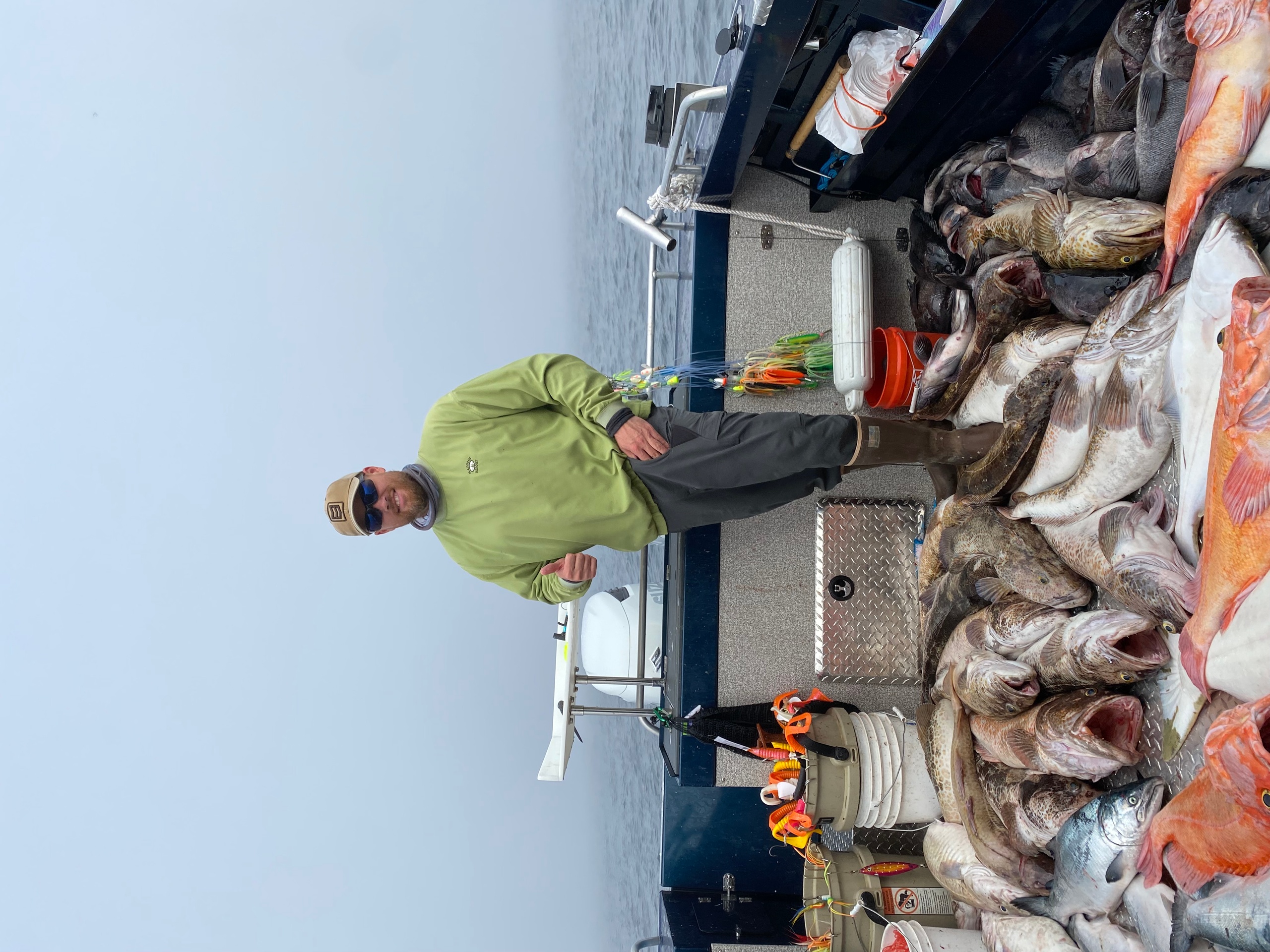 12
12Boat Tour
Willow’s boat tours fold the vastness of Interior Alaska into manageable, luminous hours on the water: slow floats that reveal bald eagles on cottonwood perches, adrenaline-rich river runs that thread braided channels, and glass-smooth lake cruises framed by distant peaks. This guide focuses on the boat-based ways to meet Willow’s landscape—river safaris, guided fishing charters, scenic lake rides, and combination tours that pair boating with hiking, birding, or flightseeing.
Explore boat tour →13Wildlife
Set beneath the high ridges of Hatcher Pass and along the broad Susitna flats, Willow is a quiet hub for boreal-wetland wildlife encounters. From bull moose feeding along willow-lined streams to spring skylines thick with migrating waterfowl, Willow offers short drives that lead to intimate, often solitary sightings. This guide focuses on where and when to find wildlife around Willow, how to read the seasons and terrain, and how to prepare for safe, low-impact viewing whether you’re on foot, in a raft, or on a small flightseeing trip.
Explore wildlife → 14
14City Tour
Willow is less a bustling downtown and more a living threshold: a tight cluster of services, trailheads, and cultural touchstones framed by birch-and-spruce forests and broad Alaskan sky. City tours here read like a series of short stories—Iditarod lore, bush pilot hangars, dog-mushing stables, and the quiet ripples of the Susitna valley—each stop a piece of the region's frontier identity. These tours are ideal for travelers who want an intimate, outdoors-forward look at small-town Alaska with easy access to trails, flightseeing, and winter-sports options.
Explore city tour → 15
15Bike Tour
Willow's wide skies and variable terrain make it a quiet but compelling base for bike tours that range from easy road rides along the Parks Highway to exposed gravel passes and singletrack through willow-draped tundra. Expect long daylight in summer, tundra panoramas, and the chance to shift into fat-bike mode when winter snow thickens.
Explore bike tour →The city and the sea
Why Willow Belongs on Your Alaska Itinerary
Variety without surrendering the day to long transfers.
There’s a peculiar gravity to Willow: a low-key gateway town on the edge of wide country, where the horizon opens and small decisions become grand itineraries. Less a single attraction than a network of doorways—trails that climb to serrated ridgelines, braided rivers that beg for a drift-fishing day, lakes quiet enough to hold a perfect reflection—Willow is the kind of place that rewards curiosity. Hatcher Pass, a handful of minutes from town, pushes high alpine meadows and gold-rush relics into sharp sunlight; the Susitna threads fast and changeable, offering salmon and trout runs alongside sweeping views. Winter recasts the landscape: dogsled teams spool out across snowfields, snowmobiles carve ribboned trails, and flightseeing turns the hidden folds of the Alaska Range into postcard panoramas. For travelers who balance appetite for experience with practical logistics, Willow is a keen compromise. There are outfitters and lodgings—small lodges, cabins, and seasonal camps—that make multi-day goals possible without needing a full expedition kit. Many of the top activities are modular: you can layer a morning hike with an afternoon boat tour, or swap a summer bike ride for a winter snowmobile loop. This flexibility is why the town pulls such a diverse activity mix: hiking, lodging, sightseeing tours, walking tours, fishing, dogsled trips, water activities, air activities, snowmobile excursions, bus and boat tours, winter activities, wildlife viewing, city- and bike-tours-style explorations adapted for a rural setting. There’s also an elemental clarity to planning trips here. Weather, daylight, and seasonal access shape outcomes, so efficient itineraries win. Book guided dogsled and flightseeing windows early in winter and shoulder season, and reserve fishing and watercraft on summer weekends. Trailheads in alpine areas can be snowbound well into late spring; conversely, bugs and peak foliage hours concentrate around mid-summer. The payoff is real: quiet vistas, frequent wildlife sightings—moose on the marsh edge, eagles on the river—and an intimacy with landscape that feels rare in larger hubs. For a traveler who wants both action and a place to recharge, Willow is equal parts adventure basecamp and quiet retreat.
Willow’s strength is access: a short drive to Hatcher Pass and dozens of trail options, river put-ins for fishing and boating, and local outfitters that offer everything from flightseeing to guided snowmobile tours. That means you can combine high-thrill days with low-effort evenings in a single itinerary.
The town pairs well with a regional loop—drive or fly to nearby hubs for additional services, then return to Willow for hands-on nature experiences. Bring local knowledge with you: seasonal trail and river conditions, guide recommendations, and wildlife advisories make for smoother days.
Conditions shape the day
The best time to visit Willow.
Long daylight and mild temperatures define summer—ideal for hiking, fishing, and water activities. Shoulder months (May and September) offer fewer crowds but variable weather. Winter is prime for dogsled, snowmobile, and flightseeing in cold, stable windows—expect short days and very cold temperatures. Bring layers and plan around rapidly changing conditions.
Best all-around window
Spring + fall
Comfortable mixed-itinerary weather, thinner crowds at beaches and lookouts, and more room to improvise.
Beach season
Mid-June through August for hiking, fishing, flightseeing, and water activities—book guided tours and lodging early.
Surf + whales
Late fall and early spring give quieter trails and lower prices; winter attracts snow-focused activities (guided dogsled and snowmobile tours) but requires more logistics and confirmed guide windows.
Coast to inland
Cool marine mornings often give way to warmer inland afternoons and breezy evenings.
Beginner
Accessible outdoor experiences with low technical demand—short hikes, guided sightseeing, gentle paddles, and wildlife viewing.
- Short ridge or meadow walks in lower Hatcher Pass
- Guided boat tour on a nearby lake
- Beginner fishing trip or float-fishing on a calm river section
Intermediate
Longer hikes, off-trail meadows, paddling in variable conditions, and guided air activities where weather windows matter.
- Full-day hike in alpine terrain with moderate elevation gain
- Guided flightseeing with glacier viewpoints (air activities)
- Stand-up paddle or canoe day trip on sheltered lakes
Advanced
Multi-day backcountry travel, technical winter trips, glacier approaches, and extended river or bike expeditions that require planning, navigation, and sometimes guide support.
- Winter dogsled or snowmobile backcountry loop with a guide
- Self-supported multi-day ridge traverse in Hatcher Pass terrain
- Technical fishing trips to remote tributaries requiring float skills
Field kit
What to bring.
Pack for sun, salt water, walking, and a meaningful temperature swing between coast and inland Willow.
Essential
Start here
- Layered clothing for big temperature swings and strong winds
- Waterproof shell and quick-dry base layers
- Sturdy hiking boots (alpine and tundra terrain can be rocky and wet)
- Bug protection (head net and DEET or picaridin) for summer
- Bear-aware safety items (bear spray where advised) and knowledge of local protocols
Water days
Keep it dry
- Lightweight daypack with rain cover
- Map and compass or offline GPS maps (cell service is intermittent)
- Wading shoes or hip boots for fishing and river access
- Sunglasses and high-SPF sun protection for reflective alpine snow and water
- Reservations or bookings for dogsled, flightseeing, and guided fishing during peak seasons
Long days
Stay flexible
- Binoculars for wildlife and birding
- Action camera with secure mounts for boats or snowmobiles
- Portable power bank for extended trips
- Trekking poles for uneven trails and stream crossings
Insider note
Start early, then keep the geography tight.
Plan bookings for dogsled teams, flightseeing, and guided fishing well in advance—these sell out on clear-weather windows. In summer, pack bug protection and start hikes early to avoid the thickest insect hours. For winter travel, confirm trail grooming and machine access, and check avalanche forecasts if you’ll be in avalanche terrain. Expect intermittent cell coverage—download maps and share plans with someone in town. Respect private lands and posted closures around historic mine areas in Hatcher Pass. Finally, treat wildlife sightings as a privilege: keep distance, minimize noise, and never feed animals.
Good to know
Frequently asked questions.
Can I do things in Willow without a guide?
Yes. Many trails, lakes, and basic fishing access points are doable on your own, especially in summer. For flightseeing, glacier access, technical ice travel, or multi-day snowmachine routes, a guide is strongly recommended.
Are there wildlife concerns I should plan for?
Yes. Moose are common near roads and trails; bears appear in summer. Keep a safe distance, store food properly, and carry bear spray where recommended. Check local advisories before heading into remote areas.
How do I get around—car or shuttle?
A vehicle is the most flexible option; many trailheads, lakes, and runways are spread out. Some outfitters provide shuttles or include transit in guided trips—coordinate ahead, especially for early-morning departures.
Ready when you are
Find the trip that fits your Willow day.
Compare bookable experiences across the coast, city, and mountains—then save the ones that belong in your plan.
Explore all Willow adventures ↗