
Waterford adventure guide
Find your way into Waterford.
A pocket of shoreline and salt marsh between New London and the Long Island Sound, Waterford frames small-town New England charm around big-water possibilities. Days here are measured in tides and light: low-tide mudflats rich with birds, sun-steeped beaches for SUP and swimming, and afternoons spent on fishing charters or slow boat tours that let the coastline's quiet histories unfurl. This guide stitches together the best water activities with short land-based escapes—bike and walking tours, eco trips through estuaries, and easy city- and sightseeing-style outings—so you can plan a weekend that balances salt air with practical logistics.
Three ways into the city
Pick a landscape. Build a day around it.
Waterford is less a single destination than a collection of neighboring worlds. Start with the version of the city that matches your pace, then use the ranked guide below to fill in the details.

Begin where the city meets the sea.
Surf breaks, sheltered harbors, whale routes, and long beach paths make the coast LA’s most immediate outdoor playground.
Explore water activities →
Let a local connect the landmarks.
Use a guided city, walking, or sightseeing tour to turn LA’s sprawl into a coherent story.
Explore boat tour →
Ride the coast and the city.
Beach paths, river corridors, e-bikes, and ridge climbs reveal a more connected Los Angeles.
Explore bike tour →Choose your way into Waterford
The top 15 Waterford adventures.
Ranked by the number of currently listed trips. Each panel opens the complete local activity collection.
1Water Activities
Stretching along the edge of Long Island Sound, Waterford is a quiet coastal town where tidal channels, protected coves, and open water meet in a compact, accessible shoreline. For paddlers, anglers, sailors, and anyone who reads better with salt on their lips, Waterford offers a mix of sheltered estuary travel and the option of open-sound crossings—day trips that feel robust and intimate at once. This guide focuses on how to experience the water here responsibly and well: where to launch, what conditions to mind, and how to craft days that balance exploration with safety.
Explore water activities →2Boat Tour
Waterford sits where tidal water meets working shoreline—an ideal launching point for short narrated cruises, wildlife-focused outings, and private charters on Long Island Sound. Boat tours here emphasize coastal ecology, seasonal bird and seal watching, lighthouse approaches, and the slow, readable rhythms of Connecticut’s saltwater edge.
Explore boat tour → 3
3Fishing
Nestled on the Thames River’s eastern flank and kissed by the Long Island Sound, Waterford delivers a compact but varied coastal fishing scene. From afternoon surfcasting along sandy beaches to estuary flats and weekend inshore charters, this small Connecticut town packs multiple marine environments into short drives —making it perfect for anglers who want options, quick launches, and the chance to chase striped bass, bluefish, flounder, and tautog on the same trip.
Explore fishing → 4
4Sightseeing Tour
Waterford’s shoreline and pocket parks distill Connecticut coastal life into walkable, filmic moments. Sightseeing here is less about skyline spectacles and more about layered stories: a turn-of-the-century estate set in formal gardens, a working harbor where lobstermen haul traps, a lighthouse guarding the sound, and quiet marshes where migratory birds wheel in spring and fall. This guide zeroes in on touring the town—the scenic drives, short walking loops, guided boat options, and museum stops that make Waterford an ideal half-day to full-day sightseeing destination.
Explore sightseeing tour → 5
5Sailing
Waterford sits on the cusp of Long Island Sound where tidal currents, lighthouse markers, and a patchwork of protected harbors create one of Connecticut’s most accessible sailing playgrounds. Whether you’re learning wind trim in a protected cove, clipping along a coastal reach under a full main and genoa, or navigating the tidal current windows into New London Harbor, the town offers short-day sails, sunset cruises, and longer Sound passages—in a landscape shaped as much by maritime industry and lighthouse lore as by beaches and parks.
Explore sailing → 6
6Ferry
Ferries around Waterford deliver a different kind of shoreline travel: a slow, salt-sprayed rhythm that turns transit into scenery. Short coastal crossings, harbor hops, and nearby island connections slice through tidal flats and under wide skies, offering both commuters and casual sightseers a chance to feel the Sound’s pulse. This guide focuses on making the most of ferry travel in and out of Waterford—what the crossings feel like, how they connect to other coastal adventures, and the practical details to plan a calm, scenic trip.
Explore ferry → 7
7Boat Rental
Waterford sits where Connecticut's coastline eases into the broad sweep of Long Island Sound, and for small-boat pilots that geography translates into a rare mix: calm protected bays, open-sound day sails, and short hops to charming seaside towns. This guide focuses on renting a boat in Waterford—what to expect on the water, when to go, how to plan, and how to pair a rental with fishing, paddling, and shoreline exploration for a full coastal day.
Explore boat rental →8Bike Tour
Waterford’s small coastal footprint hides a surprisingly varied palette for bike touring: flat seaside lanes, quiet country backroads, shoreline parkways, and snap-to-life summer villages. This guide focuses on bike tours—road, gravel, and family-friendly rides—that make the most of the town’s maritime light, tidal marshes, and easy access to neighboring Shoreline communities.
Explore bike tour → 9
9Walking Tour
On the southeastern edge of Connecticut, Waterford condenses coastal drama, cultivated gardens, and working-town history into short, highly rewarding walking tours. Trails thread salt-scented shorelines, manicured Edwardian gardens, and quiet inland preserves—each loop an intimate way to read the place: its maritime past, its seasonal tides, and the small-town rhythms that shape local life.
Explore walking tour →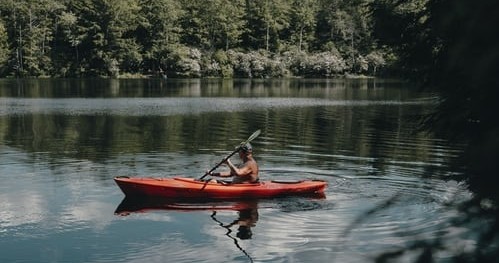 10
10Kayak
Waterford’s coastline compresses the best of Connecticut saltwater paddling into a compact, accessible playground: sheltered coves, tidal flats carpeted with eelgrass, and open water that rolls out to Long Island Sound. This guide focuses on kayak experiences — from calm estuary tours ideal for beginners to saltwater crossings and island scrambles for more seasoned paddlers.
Explore kayak →11Bike Rental
Waterford’s shoreline and stitched-together inland roads make it an ideal, low-key place to rent a bike and explore Connecticut’s quieter coast. From gentle seaside pedals along scenic parkland to gravel-ready loops through pastoral backroads, bike rentals unlock short family-friendly outings and longer rides that connect to neighboring coastal towns. This guide focuses on what to expect from renting a bike in Waterford—terrain, seasonality, where to pick up bikes, complementary activities, and practical tips for planning a safe, satisfying ride.
Explore bike rental →Eco Tour
Waterford's stretch of Long Island Sound and its adjacent marshes offer a compact, accessible place to study coastal ecology without long drives. Eco tours here prioritize hands-on, interpretive experiences—guided salt‑marsh walks, estuary kayak trips, shorebird surveys, and tidepool explorations—each one a lesson in how land and sea meet along Connecticut's coastline. These outings are ideal for travelers who want curiosity and context with their views: expect natural history woven with seasonal migration patterns, human stories of shoreline stewardship, and practical guidance for minimizing your footprint while learning from fragile coastal systems.
Explore eco tour → 13
13SUP
Stretching along a protected slice of Long Island Sound, Waterford offers paddleboarders a compact but richly varied coastal playground. Calm coves, tidal creeks, and broad bay views make it ideal for a relaxed morning glide, wildlife-focused excursions, or progressive shore-to-shore runs when the wind and tide cooperate. This guide focuses on stand-up paddleboarding (SUP) options within Waterford—where to launch, what to expect from the water, and how to plan trips that balance safety, comfort, and coastal discovery.
Explore sup → 14
14Bus Tour
Coastal lanes, salt-sweet air, and small-town histories define bus touring in Waterford. These curated drives fold the town’s shoreline estates, lighthouses glimpsed from the highway, and maritime neighborhoods into compact, comfortable sightseeing loops. Ideal for travelers who want the texture of Connecticut’s shoreline without the hassle of navigating narrow coastal roads or parking on busy summer weekends, Waterford’s bus tours pair slow narratives with easy logistics—perfect for families, photography-minded day-trippers, and older travelers seeking accessible outdoor experiences.
Explore bus tour → 15
15City Tour
Waterford’s city tours are intimate, shoreline-forward explorations that fold maritime history, grand Gilded Age gardens, and small-town coastal character into easy walks and short drives. These tours are less about crowded plazas and more about listening for harbor calls, tracing stone walls, and moving at a human pace: a lighthouse blink, a public garden in bloom, a harbor-front cafe. Expect mixed terrain—paved sidewalks, seaside promenades, and gravel paths—plus a mix of guided storytelling and self-guided discovery. Complement the urban strolls with birding along the Sound, a kayak on calm harbor waters, or a bike ride between historic sites for a rounded day on Connecticut’s shore.
Explore city tour →The city and the sea
Why Waterford Belongs on Your Coastal Itinerary
Variety without surrendering the day to long transfers.
There’s a small, practiced rhythm along this stretch of Connecticut coastline: tide tables, tack lines, and the easy geometry of bike lanes that end at sandy shoulders. Waterford rewards the traveler who wants maritime variety without the commuter crush of bigger ports. Here, a morning can begin on a quiet kayak paddle through the Niantic River estuary—oystercatchers and egrets skittering along marsh edges—then slide into a mid-day fishing trip, the taut line and leathered skipper teaching the patient work of catching local fluke and striped bass. In the softer hours of the afternoon, a sailing lesson or short boat tour frames the shoreline like a living map: bluffs, lighthouses glimpsed between trees, and the slow architecture of docks. Because Waterford’s top draws are water-centric—water activities, boat tour, fishing, sailing, ferry links, and boat rental—the logistics simplify what can otherwise be an intimidating coastal experience. Outfitters here lean practical: they fit PFDs, give tide- and wind-briefings, and point to the best protected coves for beginners on kayak or SUP. If you prefer land, bike tours and walking tours thread historic neighborhoods and waterfront promenades, while eco tours introduce the region’s tidal dynamics and migratory birds. Sightseeing and city tours tend to be compact and human-scaled, built around the deep local history of wharves, state parks, and maritime mills. The appeal is a kind of productive modesty: you don’t come to Waterford for a single superlative attraction; you come for stacking small, excellent activities into a weekend palette. Start with SUP at dawn in a sheltered cove, ride a rental bike between beaches and parks, then book an afternoon fishing charter or a sunset sailing session. For families, the gentle beach at Waterford Beach Park and the lawned, specimen-garden feel of Harkness Memorial State Park make for easy half-days. For couples or solo travelers seeking a reflective edge, a walking tour of the shoreline at low tide or a quiet kayak down the Niantic offers roomy, camera-ready stretches of light. Practical considerations matter: tides shape access, wind dictates whether a SUP or a kayak is the better choice for the day, and seasons alter the mood—from the high sun of July when boat rentals hum to the low-light hush of late fall when migratory birds refill the marshes. This guide pairs the romantic clarity of shoreline travel writing with pragmatic planning—what to bring, how to layer activities, and ways to read a short weather window—so you leave with a sense not only of place but of how to move within it. Whether you’re looking to reel in a Connecticut-stripe bass, learn to sail, or scope the coast from a slow boat tour, Waterford’s compact, water-forward character makes it an underrated base for a coastal New England weekend.
Outfitters are concentrated near launch points, which means quick transitions between boat rental, kayak put-ins, and guided eco tours. That tight geography turns logistical friction into an advantage: more time on the water, less time in the car.
Pairing water time with short on-land activities—bike rental to a state park, a walking tour of shoreline neighborhoods, or a late-afternoon picnic—keeps days flexible and weather-resistant. Shoulder seasons offer quieter waterways and lower prices, though wind and water temps will influence what activities are sensible.
Conditions shape the day
The best time to visit Waterford.
Late spring through early fall offers the warmest water and the most reliable rental services. Summer brings full-service boat rentals and guided fishing charters; shoulder seasons offer cooler air, good birding, and lighter crowds. Watch afternoon sea breezes in summer—they can strengthen quickly.
Best all-around window
Spring + fall
Comfortable mixed-itinerary weather, thinner crowds at beaches and lookouts, and more room to improvise.
Beach season
June–August for beach days, rentals, and family-friendly outings; book boat tours and fishing charters in advance.
Surf + whales
April–May and September–October are prime for quieter eco tours, migratory birdwatching, and surf-fishing.
Coast to inland
Cool marine mornings often give way to warmer inland afternoons and breezy evenings.
Beginner
Short, sheltered paddles, calm SUP bays, family-friendly beaches, and flat, well-marked bike routes. Guides and rentals are plentiful for first-time paddlers.
- Guided kayak eco tour of a protected estuary
- SUP in a sheltered cove at low wind
- Bike rental to a state-park loop and beach picnic
Intermediate
Longer paddles with tidal considerations, basic sailing lessons, and inshore fishing trips that require some local knowledge of currents and wind patterns.
- Half-day sailing session on the Long Island Sound
- Inshore charter for striped bass or fluke
- Self-guided kayak trip timed around the tide
Advanced
Offshore sailing, full-day fishing charters, and multi-day coastal bike tours that demand navigation skills, stamina, and experience with changing coastal weather.
- Full-day sportfishing charter
- Advanced coastal navigation sailing trip
- Multi-stop bike tour combining several shoreline parks
Field kit
What to bring.
Pack for sun, salt water, walking, and a meaningful temperature swing between coast and inland Waterford.
Essential
Start here
- Layered wind- and water-resistant jacket (coastal winds can be brisk)
- Personal flotation device or confirmation of PFD availability from your outfitter
- Waterproof phone case or dry bag for keys and electronics
- Sunscreen and a brimmed hat (reflective sunlight off the water intensifies exposure)
- Tide and wind app or printed tide chart for the day
Water days
Keep it dry
- Light neoprene booties for early- and late-season paddling
- Reusable water bottle and compact lunch for day trips
- Sunglasses with retainer strap for boating
- Binoculars for estuary and birdwatching
Long days
Stay flexible
- Action camera with float mount
- Small first-aid kit and blister prevention supplies for longer bike tours
- Compact windproof shell for sunset sails
Insider note
Start early, then keep the geography tight.
Start early to catch calm mornings for SUP and kayak trips—afternoon sea breezes often pick up in summer. Book popular slots for fishing charters and sailing lessons at least a week ahead during July and August. For birding and quiet paddles, target spring migration or September–October when many species pass through the estuaries. If you’re renting a boat, ask about preferred launch points to avoid busy docks and inquire about local no-wake zones to protect sensitive marsh areas.
Good to know
Frequently asked questions.
Can I launch my own kayak at public parks?
Yes—Waterford has public launch points suitable for kayaks and SUPs. Check tide schedules and posted regulations at parks like Harkness Memorial State Park and Waterford Beach Park before launching.
Do I need a license for fishing charters?
Most guided fishing charters include licensing information and provide a licensed captain; for shore or private boat fishing, state license requirements apply—verify Connecticut regulations before you go.
Are boat rentals and boat tours family-friendly?
Many are. Outfitters offer family-oriented options and PFDs for children, but age and size limits vary—confirm minimums and safety accommodations when booking.
Ready when you are
Find the trip that fits your Waterford day.
Compare bookable experiences across the coast, city, and mountains—then save the ones that belong in your plan.
Explore all Waterford adventures ↗