
Walnutport adventure guide
Find your way into Walnutport.
A compact gateway to the Lehigh River corridor, Walnutport is where easy river days and adrenaline-driven water runs intersect with quiet rails-to-trails stretches. This guide stitches together the town’s best boat rentals, paddling put-ins, riverside strolls, short train and sightseeing tours nearby, and seasonal diversions for winter and air-bound adventures.
Three ways into the city
Pick a landscape. Build a day around it.
Walnutport is less a single destination than a collection of neighboring worlds. Start with the version of the city that matches your pace, then use the ranked guide below to fill in the details.

Begin where the city meets the sea.
Surf breaks, sheltered harbors, whale routes, and long beach paths make the coast LA’s most immediate outdoor playground.
Explore water activities →
Let a local connect the landmarks.
Use a guided city, walking, or sightseeing tour to turn LA’s sprawl into a coherent story.
Explore boat tour →
Ride the coast and the city.
Beach paths, river corridors, e-bikes, and ridge climbs reveal a more connected Los Angeles.
Explore canoe →Choose your way into Walnutport
The top 15 Walnutport adventures.
Ranked by the number of currently listed trips. Each panel opens the complete local activity collection.
1Water Activities
Walnutport sits where the Lehigh River loosens its grip on the mountains, creating a compact and surprisingly varied playground for paddlers, anglers, and summer floaters. From mellow paddles and stand-up paddleboarding on slow runs to classed river stretches and scenic fishing holes, the water here is intimate, accessible, and shaped by the river valley’s geology and seasons.
Explore water activities →2Boat Tour
Walnutport sits where mill-era canals and a working river meet quiet forests and industrial archaeology—an intimate setting for short boat tours, guided paddles, and interpretive canal cruises. The area's boat tours range from gentle canal float trips that unpack 19th-century transport history to river excursions that track the Lehigh's riffles, old locks, and seasonal currents.
Explore boat tour →3Canoe
Walnutport sits where the Lehigh River slows into long, paddle-friendly reaches—an unexpectedly intimate corridor of water that threads industrial history, riparian forest, and easy access. Canoe trips here are tempered: think steady currents, broad bends that reveal herons and kingfishers, and frequent roadside put-ins that make one-way runs and short exploratory loops simple to plan. Whether you want a mellow two-hour float to clear your head, a half-day river expedition that brushes state park edges, or a twilight paddle timed to migratory birds, Walnutport’s canoeing feels accessible without being trivial—perfect for families, mixed-skill groups, and anyone who wants a waterborne lens on Lehigh Valley landscape and history.
Explore canoe → 4
4Kayak
Walnutport sits at a quiet seam where industrial history and folded river ecology meet. Kayakers here find accessible launch points, tree-lined flatwater, and short riffles that stitch together easy day paddles, wildlife scouting, and a direct connection to the Lehigh Canal’s towpath. The town is a practical base for paddlers seeking calm exploratory runs, photo-friendly wildlife corridors, and shuttle-friendly out-and-backs that suit beginner and intermediate skills alike.
Explore kayak → 5
5Rafting
Walnutport sits at a crossroads where winding river channel and steep gorge terrain combine to produce approachable whitewater and scenic float stretches. This guide focuses on rafting experiences: from family-friendly downstream floats to adrenalin-tinged class III runs released by dam flows. Expect tree-lined banks, a geology that tells an industrial past, and easy access to outfitters that run half- and full-day trips.
Explore rafting → 6
6Fishing
Walnutport sits small and steady on the banks of the Lehigh River, a compact hub for anglers who prize current, structure, and easy access. Whether you tie on a dry fly in the riffles, troll shaded pools for smallmouth bass, or cast from a kayak beneath old stone bridges, Walnutport condenses a variety of freshwater fishing styles into a short radius. This guide maps the best local launch points, seasonal rhythms, and practical considerations—so you can spend less time guessing and more time on the water.
Explore fishing → 7
7Zoo
Walnutport’s zoo and wildlife attractions offer a compact, accessible way to connect with animals both local and exotic, framed by riverfront woodlands and small‑town charm. These experiences emphasize close-up viewing, seasonal programs, and complementary outdoor activities—birding along the Lehigh, riverside strolls, and nearby farm visits—that make a half-day or full-day itinerary approachable for families and solo travelers alike.
Explore zoo → 8
8Air Activities
Walnutport sits where the Lehigh River has carved a narrow corridor through the landscape and where ridgelines funnel the winds that make the skies above the valley unusually lively. For travelers drawn to altitude—whether tethered beneath a balloon at sunrise, catching a ridge lift on a paraglider, or peering down from a small-plane scenic flight—this compact region packs experiences that feel expansive. Air activities here are defined by low-elevation thermals, dramatic river canyon light in the first hours of day, and easy access to complementary land- and water-based outdoor pursuits.
Explore air activities → 9
9Scuba
Walnutport sits where northeastern Pennsylvania’s limestone ridges meet a ribbon of river and abandoned quarries — an improbable but rewarding landscape for freshwater scuba. This guide concentrates on the region’s cold-water dives: river drift opportunities, submerged quarry walls, and exploratory freshwater sites within easy reach of the town. Expect changing visibility, cool thermoclines, and a focus on local conservation and safety protocols when planning trips here.
Explore scuba →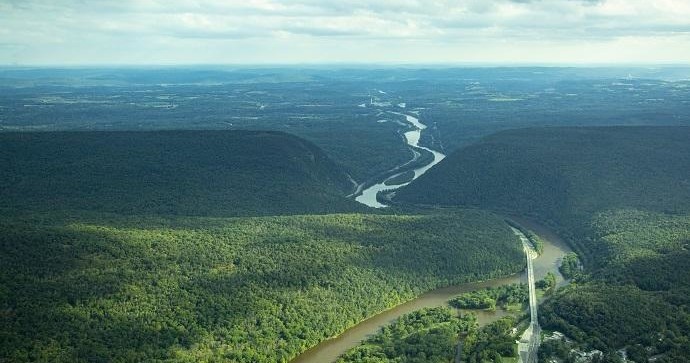 10
10Air Tour
Floating above the Lehigh River corridor, Walnutport's air tours offer an uncommonly intimate view of an industrially textured landscape—meandering waterways, canal remnants, historic mills, and the rising blue of the Pocono foothills. Short scenic flights, helicopter hops, and balloon launches connect the borough to the region's geology and history, turning a 20–40 minute ride into a carefully composed aerial film of valley, ridge, and river.
Explore air tour → 11
11Boat Rental
Walnutport sits where the Lehigh River tightens and the hills relax into the valley — a practical, low-key gateway to on-water time in northeastern Pennsylvania. Boat rental here is about options: short, reflective paddles on quiet backwaters; easy half-day floats past rocky bluffs and riverside woods; and lake afternoons where pontoons and small powerboats let families spread out and fish. This guide focuses on renting craft, launching with confidence, and choosing the right water for your group. Expect scenic river corridors, shallow launches, seasonal fluctuations in water level, and nearby parks that make a day on the water part of a larger outdoor itinerary.
Explore boat rental → 12
12River Tube
Walnutport is a compact launch point for leisurely to lively river tubing on the Lehigh River. Long stretches of calm glide alternate with riffles and modest drops, framed by wooded banks and limestone bluffs. This guide focuses on the practical — where to put in, what to expect on the water, and how to pair a float with nearby hiking, biking, and local eats for a full-day outdoor escape.
Explore river tube → 13
13Sightseeing Tour
Walnutport is a compact stage for slow, sensory sightseeing—river curves, canal locks, and a small-town Main Street that invites lingering. These tours emphasize landscape, history, and local characters: narrated river cruises and canal walks, cycling-friendly towpath outings, and short guided village strolls that connect natural features with industrial-era stories. Perfect for half-day discovery and for layering with paddling, birding, or nearby rail-trail rides.
Explore sightseeing tour → 14
14Train
Walnutport is a compact riverside borough where the rhythms of rail and river still shape the landscape. Trains here are less about long-distance transit and more about layered histories—industrial corridors, scenic gondolas of freight, and seasonal excursions that thread the Lehigh Gorge. This guide focuses on train-based experiences: scenic rides that frame river narrows and rail-cut cliffs, rail-adjacent explorations that combine with hiking and biking, and practical advice for planning an accessible, weather-minded outing.
Explore train → 15
15Winter Activities
Walnutport's winter is a quiet, textured season where the canal towpath, river corridor, and nearby ridgelines transform into a compact playground for cold-weather pursuits. This guide focuses on how to experience the borough and its immediate region on snowshoes, skis, fat bikes, and by the warmth of post-adventure cafés — practical, local advice for short winter escapes or day-trip itineraries.
Explore winter activities →The city and the sea
Why Walnutport Belongs on Your River-First Shortlist
Variety without surrendering the day to long transfers.
Walnutport sits like a hinge between mellow flatwater afternoons and the rock-strewn pulse of northeastern Pennsylvania’s river country. It’s not a big-name outdoor metropolis; it’s a place you discover by elbowing into a rental canoe, launching a kayak at a public put-in, or drifting in a tube down a sun-dimpled current while the shoreline folds past with old stone walls, rail corridors, and quick forested climbs. The Lehigh River is the spine here—an accessible ribbon for boat rentals, river tubing, fishing mornings, and a surprising slate of guided boat tours that reveal industrial-era histories and quiet wildlife pockets. For anyone who prizes proximity—short drives between put-ins, outfitters, and a handful of trailheads—Walnutport is efficient and eminently playable. Beyond flatwater, you can layer activities without long transfers. Inflatable rafts and guided whitewater trips are an easy shuttle away for those hunting edgier rapids; canoeing and kayaking are nearly plug-and-play for families and intermediate paddlers. If you want to leave the water for a bit, a sightseeing train or local heritage ride near the Lehigh Gorge makes for a cinematic reversal of perspective—the rails look down at the river instead of up. For the adventurous who prefer heights, regional air tours and small-plane operators run scenic loops over the valley in season; if your curiosity runs subaquatic, nearby quarries and reservoirs occasionally host scuba training and guided dives under controlled conditions. Winter softens the scene into low-angle light, thin crowds, and a different set of activities: crisp rail-trail walks, quiet fishing holes where trout show well, and small local events that stitch the community together. What makes Walnutport valuable to travelers is its blend of easy logistics and layered choices. You can spend a morning fishing a pocket below a bridge, an afternoon on a guided boat tour that folds in local history, and an evening at a small-town tavern swapping stories with other river people. Outfitters in the valley specialize in rentals—kayak, canoe, and tube—plus shuttle services, which means you don’t need to rig a car-top to get a full river day. For families, gentle stretches of the Lehigh provide safe swimming and tubing sections; for gearheads, the same corridor offers classed whitewater and access to longer multi-hour rafting runs with certified guides. The community scale makes it manageable: short walks from parking to put-in, visible shuttle arrangements, and straightforward signage at common access points. For planning, focus on water levels and weather. Late spring and early summer bring fuller flows; mid-summer often mellows flows but increases recreational traffic. Fall—especially September and October—adds leaf-color drama and cooler, clean water that favors paddling and clear sightlines for fishing. If you’re building an itinerary, stack a morning paddle, a mid-day boat rental or sightseeing tour, and a late afternoon short rail or hike across a riverside trail. That mix gives you a sense of the corridor’s contrasts: industrial heritage, riparian ecology, and authentic small-town stops where the map’s white space turns out to be the best part.
Proximity is a quiet advantage: local put-ins, boat rental shops, and trailheads cluster along short drives. Outfitters handle shuttles and gear so you can plan one-way floats without a second vehicle.
Walnutport’s activity mix rewards both the cautious and the committed. Families and beginners will find mellow canoe and kayak sections and river tubing; intermediates can parse longer paddle days and scenic boat tours; advanced paddlers and rafters can access whitewater runs and guided technical days within an easy drive.
Conditions shape the day
The best time to visit Walnutport.
Late spring brings higher flows and green banks; summer offers warmer water and more recreational traffic with afternoon thunderstorms possible; fall delivers crisp days, clear water, and leaf color. Winters are quiet—some trails and roadside access remain usable but water activities are limited.
Best all-around window
Spring + fall
Comfortable mixed-itinerary weather, thinner crowds at beaches and lookouts, and more room to improvise.
Beach season
Late May through September—expect highest demand for rentals, guided rafting, and sightseeing tours.
Surf + whales
Shoulder seasons offer lower prices and quieter trails for fisherman, short hikes, and train or heritage-touring experiences.
Coast to inland
Cool marine mornings often give way to warmer inland afternoons and breezy evenings.
Beginner
Short, flatwater floats, easy boat rentals, and calm fishing spots—low commitment and quick rewards.
- Leisurely canoe or kayak on a sheltered stretch of the Lehigh River
- Tube float on a designated calm section
- Half-day boat rental with a local outfitter
Intermediate
Longer paddle days, cast-and-wade fishing, and guided sightseeing tours—requires stamina and basic river skills.
- Multi-mile kayak downriver with a shuttle
- Guided boat tour that includes local history and wildlife viewing
- Targeted trout fishing on cooler tributaries
Advanced
Technical maneuvers, classed whitewater runs, and full-day multi-segment river trips that require planning and potentially a guide.
- Guided rafting on nearby whitewater stretches
- Full-day expedition-style paddling with portages
- High-adrenaline air tour or small-plane scenic flight over the valley
Field kit
What to bring.
Pack for sun, salt water, walking, and a meaningful temperature swing between coast and inland Walnutport.
Essential
Start here
- Quick-dry layers and a light insulating midlayer for variable river breezes
- Personal flotation device (PFD) or plan to rent one with your boat
- Waterproof phone case or dry bag
- Secure footwear for rocky put-ins (neoprene/river shoes recommended)
- Sunscreen and a brimmed hat
Water days
Keep it dry
- Light river gloves for long paddles
- Small first-aid kit and blister care
- Reusable water bottle and easy snacks
- Microfleece or light puffer for early-morning fishing or fall paddles
- Map screenshot or offline GPS of put-ins and take-outs
Long days
Stay flexible
- Binoculars for riverbank birding
- Action camera with float tether
- Compact repair kit for inflatable kayaks or tubes
Insider note
Start early, then keep the geography tight.
Beat the heat and the crowds by starting at dawn—morning paddles and fishing often reward calm water and active wildlife. Book popular rentals and guided raft runs in advance on summer weekends. After heavy rain, choose higher ground trails or postpone river plans—the same runoff that makes rapids exciting can make otherwise safe stretches hazardous. If you want a quieter sample of the corridor, aim for weekday paddles or early fall; leaf season is beautiful but busier. Finally, treat private access respectfully: use public take-outs, pack out trash, and give anglers and wildlife plenty of space.
Good to know
Frequently asked questions.
Can I rent kayaks, canoes, or tubes in Walnutport?
Yes—several outfitters in the Lehigh Valley offer boat rental and shuttle services for one-way floats and guided day trips. Reserve weekend rentals in peak months.
Are river sections safe for beginners and families?
Many reach segments are gentle and suitable for beginners when water levels are normal, but always wear a PFD and check local advisories. Choose guided trips for whitewater or unfamiliar stretches.
Do I need a guide for fishing, rafting, or scuba?
Fishing can be done unguided with a license and local water knowledge; guided trips speed learning and locate fish. Whitewater rafting and scuba (where available) are best with certified guides for safety and local expertise.
Ready when you are
Find the trip that fits your Walnutport day.
Compare bookable experiences across the coast, city, and mountains—then save the ones that belong in your plan.
Explore all Walnutport adventures ↗