
Volcano Village adventure guide
Find your way into Volcano Village.
Perched at the forested edge of Kīlauea, Volcano Village is a compact, volcanic-stage gateway where steam vents meet rainforest trails. This guide stitches together essential experiences—sightseeing tour routes that trace lava flows and overlooks, hiking into crater rims and rainforest valleys, and water activities along the nearby coast. Expect eco tours that explain a living landscape, photography tours that chase molten light and misty ferns, and quieter walking tours around native gardens and cultural sites. When you need a different rhythm, swap a land day for a boat tour or kayak trip along the coast, or book a scuba or snorkel outing to meet the underwater life that circles the islands. From bus tours for easy logistics to air activities for cinematic perspectives, Volcano Village is a small basecamp with outsized adventure options.
Three ways into the city
Pick a landscape. Build a day around it.
Volcano Village is less a single destination than a collection of neighboring worlds. Start with the version of the city that matches your pace, then use the ranked guide below to fill in the details.

Begin where the city meets the sea.
Surf breaks, sheltered harbors, whale routes, and long beach paths make the coast LA’s most immediate outdoor playground.
Explore water activities →
Let a local connect the landmarks.
Use a guided city, walking, or sightseeing tour to turn LA’s sprawl into a coherent story.
Explore sightseeing tour →Ride the coast and the city.
Beach paths, river corridors, e-bikes, and ridge climbs reveal a more connected Los Angeles.
Explore water activities →Choose your way into Volcano
The top 15 Volcano Village adventures.
Ranked by the number of currently listed trips. Each panel opens the complete local activity collection.
1Sightseeing Tour
Volcano Village is a small, contemplative hub perched on the flanks of Kīlauea—an ideal base for sightseeing tours that focus on geology, culture, and the shifting moods of the volcanic landscape. Tours range from sunrise drives and ranger-led walks through steam-scented forests to helicopter vantage trips and photographic night excursions that chase glowing rift lights. This guide focuses on the touring experiences you can plan from Volcano Village: what to expect, when to go, how to prepare, and how to pair tours with nearby outdoor activities for a fuller trip.
Explore sightseeing tour → 2
2Hiking
Volcano Village sits at the doorstep of raw earth and living fire. Hiking here is a study in contrasts: moss-draped rainforest one minute, blackened lava fields and steam vents the next. Trails range from short, otherworldly loops to full-day traverses across volcanic terrain and native forest—each route a lesson in geology, ecology, and cultural stewardship.
Explore hiking →3Water Activities
Perched on the cool slopes above Kīlauea, Volcano Village feels removed from the ocean, but it’s an ideal base for a surprising array of coastal water experiences. Within a short drive you can go tidepooling in geothermally warmed pools, slip on a snorkel to meet reef fish and honu (green sea turtles), or chase black-sand beaches that frame pounding surf and dramatic lava-sculpted shorelines. This guide focuses on the water-side adventures you can realistically plan from Volcano Village—what the coastline is like, seasonal sea conditions, how to prepare, and where to find quieter, locally meaningful spots for swimming, snorkeling, and paddling.
Explore water activities → 4
4Eco Tour
Volcano Village is a doorway to geological drama and fragile native ecosystems. Eco tours here frame the island's living geology—lava, native forest, endemic birds, and cultural land stewardship—into accessible experiences that pair science, conservation, and low-impact travel. From guided forest birdwalks and night-time lava glow viewings to guided cultural-ecology hikes and volunteer reforestation outings, the eco-tour scene balances adventure with environmental respect.
Explore eco tour →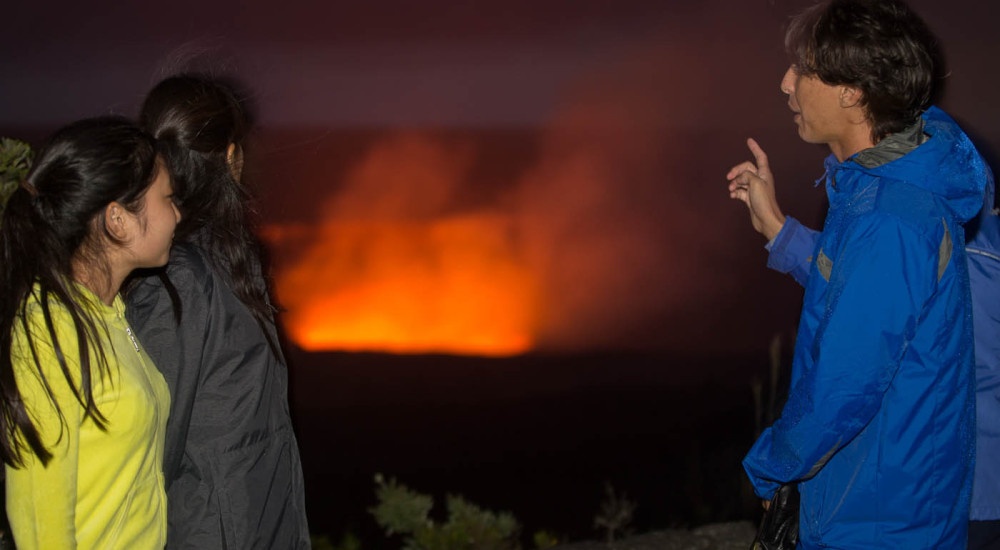 5
5Photography Tour
Volcano Village sits at the doorstep of one of the most dramatic photographic theaters on Earth: active volcanic landscapes framed by lush rainforest and a sky dark enough to reveal the Milky Way. Photography tours here tailor access, timing, and technical coaching to capture lava glow, steam-shrouded valleys, intimate botanical subjects, and long-exposure nightscapes. This guide focuses on tours and experiences that help you translate volcanic energy and tropical moods into memorable images—whether you’re a beginner learning composition or a pro chasing rare light.
Explore photography tour → 6
6Walking Tour
Volcano Village compresses the drama of volcanic landscapes, rainforest hush, and rich island culture into walking tours that range from gentle village strolls to interpretive geology loops. Expect close-up encounters with lava-sculpted terrain, fern-draped trails, and stories of Pele—perfect for travelers who want to move slowly and see deeply.
Explore walking tour → 7
7Boat Tour
Volcano Village sits inland but within easy reach of some of Hawaiʻi Island’s most dramatic marine landscapes. Boat tours accessible from the village—via short drives to coastal launch points—transform volcanic storylines into salt-spray experiences: coastal geology cruises that read cliffs like pages, wildlife excursions that bring whales and dolphins into view, and snorkeling charters that drop you into clear reefs born of recent lava flows. This guide focuses on boat-based experiences you can reasonably plan from Volcano Village, with practical seasonality, packing, and accessibility notes for travelers who want to pair forested hikes and crater rims with time on the water.
Explore boat tour → 8
8City Tour
Volcano Village is less a bustling town and more a concentrated gateway to one of the planet’s most dynamic landscapes. City tours here blend short, walkable streets with immediate access to volcanic landscapes, native rainforest pockets, art studios, and cultural markers. Whether you choose a guided village stroll, an interpretive park rim walk, or an evening lava-viewing shuttle, tours center on the interplay of human history and geological drama.
Explore city tour → 9
9Scuba
Perched in the shadow of a living caldera, Volcano Village is an unlikely but invigorating base for scuba adventures on Hawaiʻi Island. The village itself is an inland sanctuary of rainforest and volcanic landscapes; from there, a mosaic of coastlines—black-sand bays, rugged lava-formed shorelines, and fringing coral reefs—unfolds within reachable drives. This guide focuses on scuba options available to visitors using Volcano Village as their launch point: day boat trips, shore entries at Hilo and Puna, and must-do night dives like Kona’s manta experiences.
Explore scuba → 10
10Bus Tour
Volcano Village is a compact gateway to some of the most dramatic geological theater on Earth—where rainforest meets active volcano. Bus tours based here range from relaxed interpretive loops through the park to rugged off-road shuttles that bring passengers closer to lava viewing zones and coastal eruption sites when conditions permit. These guided rides combine storytelling, geology, and short on-foot excursions to make the island’s dynamic landscapes accessible to travelers who want high-impact views with low navigation stress.
Explore bus tour →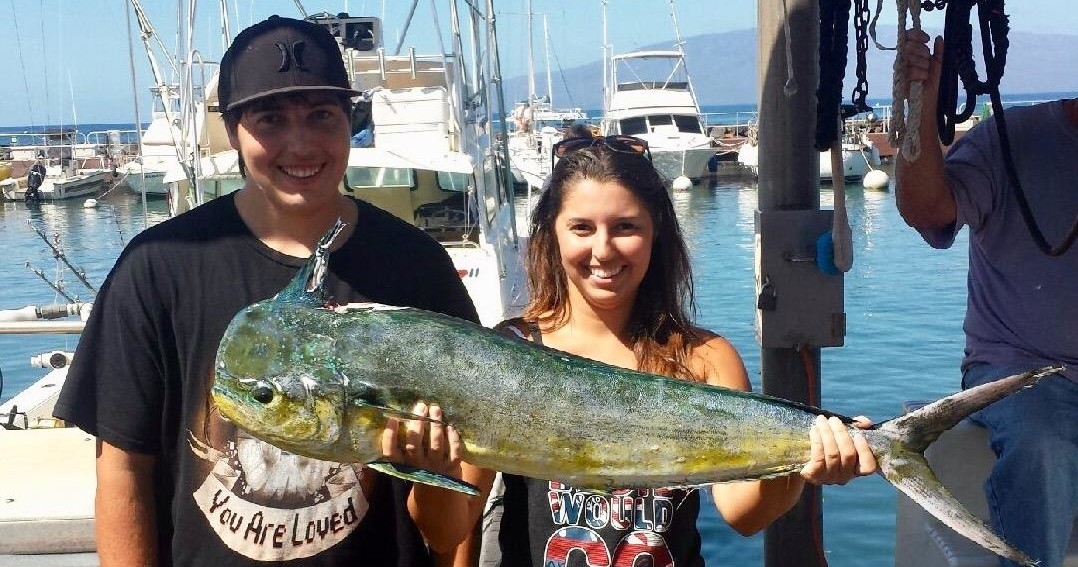 11
11Fishing
Perched on the rim of Kīlauea, Volcano Village is a surprisingly versatile base for anglers who want to pair lava-field hikes and rainforest mornings with serious fishing—whether that means a dawn charter out of Hilo, a surf session along the Puna coastline, or casting in high-country streams and reservoirs. This guide focuses on where to go, when to book, and how to prepare for fishing that respects both the island’s culture and its delicate environments.
Explore fishing →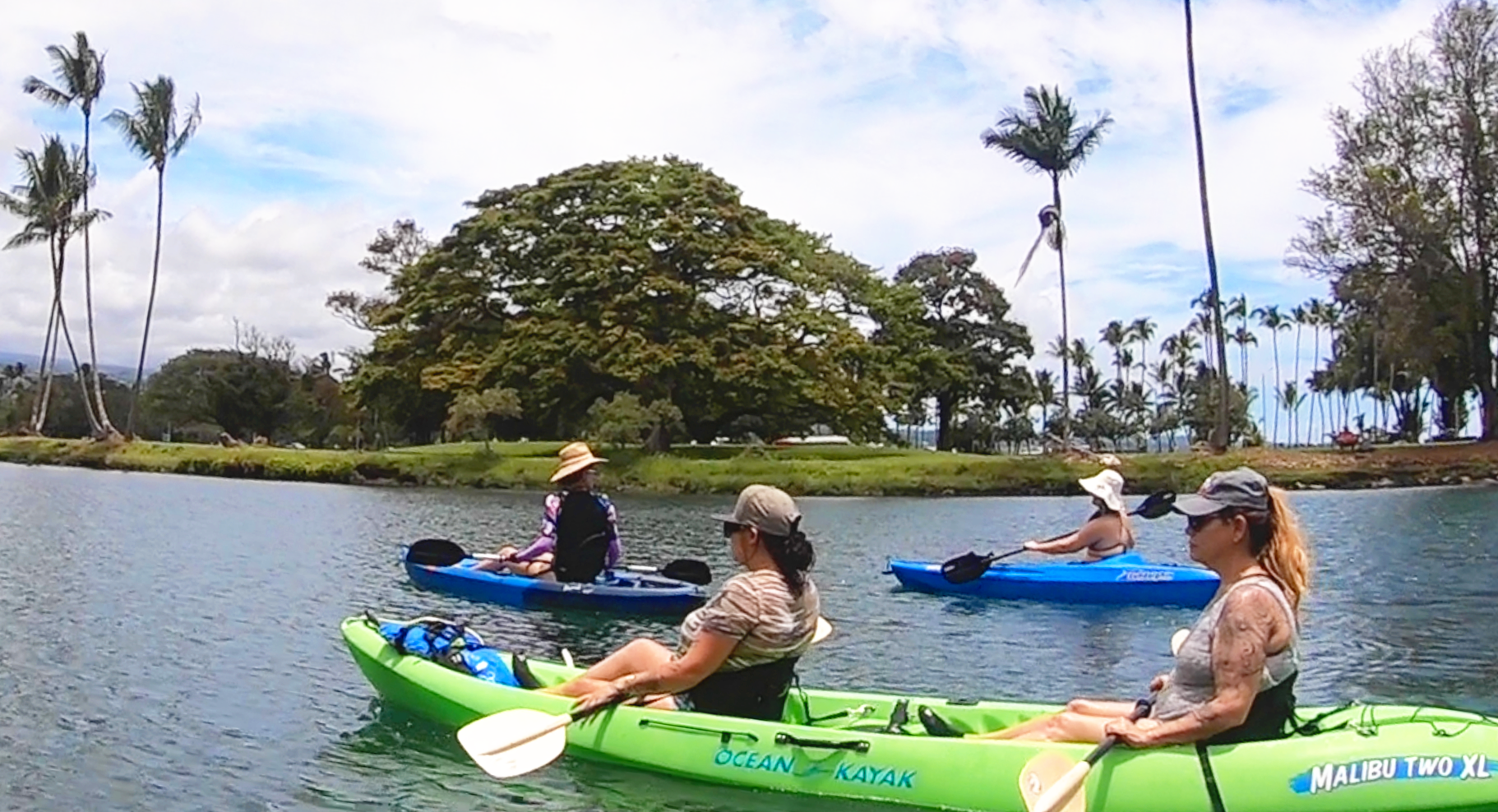 12
12Kayak
Perched on the cool, mist-splayed slopes of Kīlauea, Volcano Village is an improbable gateway to saltwater paddling. The village itself is a short drive from a dramatic coastline where black lava cliffs tumble into the sea, and from sheltered bays, estuaries and reef-edged coves where kayakers can watch the ocean meet the island’s volcanic geology. From calm estuary floats and guided shoreline explorations to exposed coastal runs that demand surf and current savvy, Volcano Village gives paddlers a basecamp that blends rainforest trails and volcanic vistas with ocean adventure a half-hour to an hour away.
Explore kayak → 13
13Snorkel
Perched above the rainforests and steaming craters of Hawaiʻi Volcanoes National Park, Volcano Village is an unconventional launch point for ocean encounters. While it’s inland and high-elevation, the village’s location puts it within comfortable drive time of a wide variety of snorkeling experiences—sheltered tidepools and black-sand beach coves on the Hilo and Puna coasts, clear-water reefs on Kona for day-trippers, and kayak or boat-access marine preserves for deeper dives into Hawaiʻi’s underwater world. This guide focuses on snorkeling access and planning for travelers using Volcano Village as their base: where to go, when the water is clear, what influences visibility and currents, and how to combine coastal exploration with time in the park.
Explore snorkel →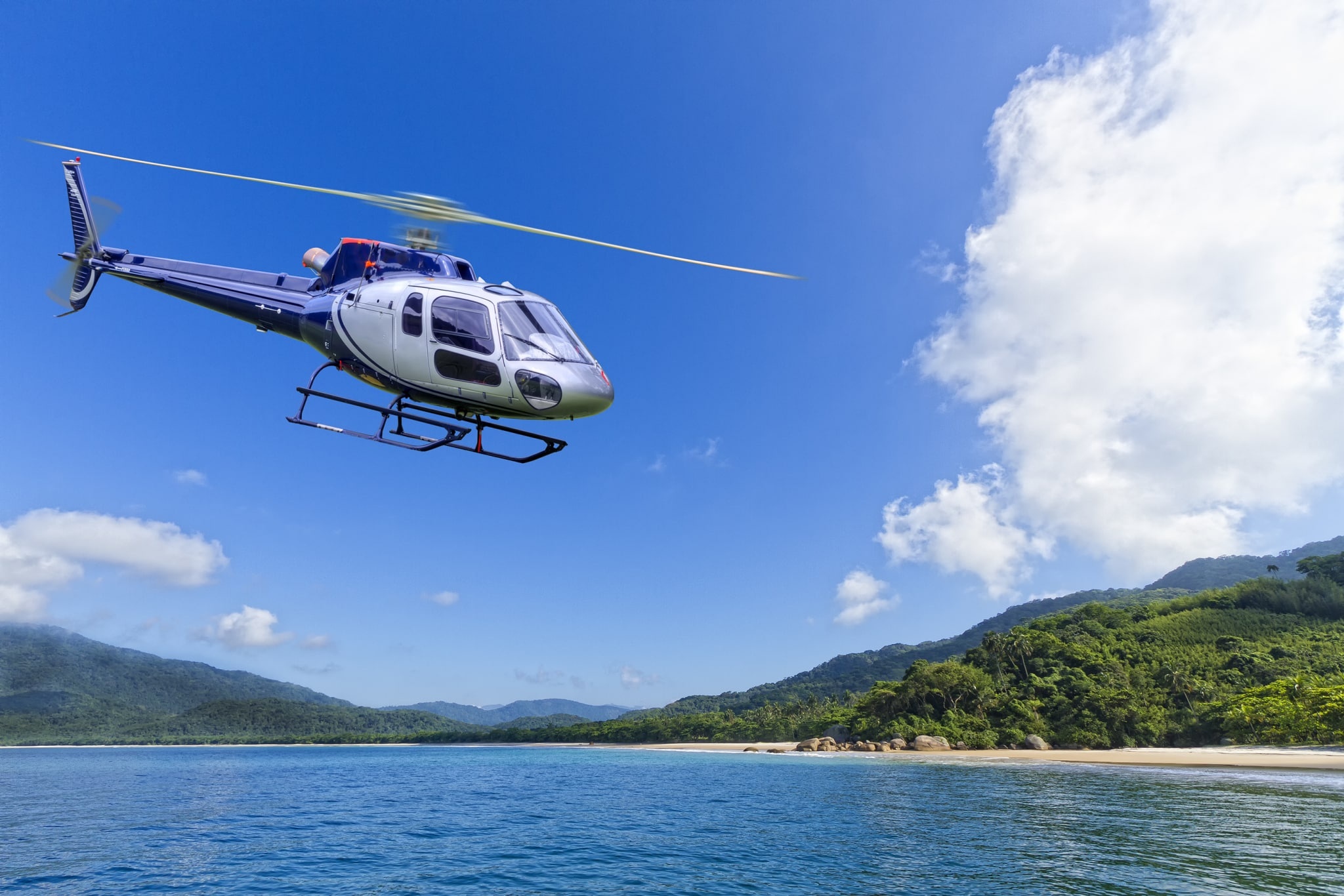 14
14Air Activities
Perched on the edge of one of the world's most active volcanic landscapes, Volcano Village is a launchpad for air-based exploration: from hush-of-dawn helicopter flights that reveal molten rivers and steam plumes to small-plane and ultralight scenic tours that trace rainforest ridgelines and dramatic coastal cliffs. This guide focuses on airborne experiences that place you above Hawaiʻi Island's geological drama—what to expect, when to go, and how to plan for visibility, winds, and the unique cultural and environmental considerations that come with flying over Pele’s realm.
Explore air activities →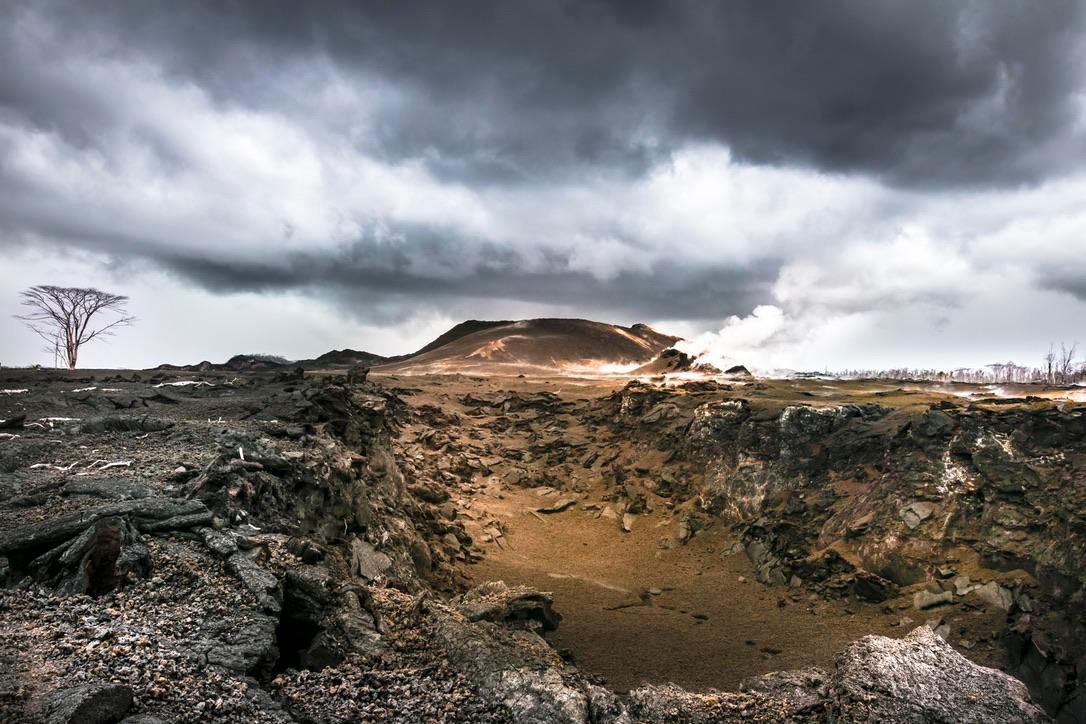 15
15Climbing
Around Volcano Village the land is both recent and raw — cooled flows, jagged aa ridgelines, and airy cinder cones define a climbing experience unlike classic granite crags. Climbing here is a hybrid of bouldering, scrambling, and route-finding across volcanic terrain, with a cultural and geological backdrop that rewards patience, respect, and preparation. Expect technical footing, rapidly changing access depending on volcanic activity, and a focus on low-impact, expert-conscious movement rather than crowded sport crags.
Explore climbing →The city and the sea
Why Volcano Village Belongs on Your Adventure Shortlist
Variety without surrendering the day to long transfers.
Volcano Village feels like a place where the map folds inward—roads narrow, the air cools, and the scale of things changes. Here, volcanoes are not distant backdrops but active storytellers: Kīlauea’s caldera exhales steam at dawn, lava-scarred slopes stitch into fern-draped gulches, and the trade winds carry the scent of rain and salt from the shore below. The setting is intimate enough to explore on foot—walking tours through native gardens and lava tube paths reveal how people and place have coexisted for generations—yet diverse enough to reward a week of mixed itineraries. Spend an early morning on a sightseeing tour that moves from crater overlooks to coastal cliffs, trade the afternoon for a photography tour as sunset paints the horizon, and schedule a day for water activities—snorkel or scuba to see coral gardens that thrive in richer, cooler pockets offshore. Volcano Village’s appeal is not just geological showmanship. It’s the blend of active adventure and quiet cultural context. Eco tours and guided hikes make the science legible: guides point out native ʻōhiʻa and fern regeneration on fresh pāhoehoe, explain the cultural significance of key sites, and flag safe access points where visitors can watch the landscape shift without disturbing it. For travelers who favor curated ease, bus tours and boat tours simplify logistics; for those wanting to cut their own track, there are hiking routes ranging from short crater loops to multi-hour ridge walks. Kayak and fishing options along the Hamakua and Puna coasts let you swap lava fields for open water; air activities—helicopter flights or small-plane tours—offer cinematic context, showing how lava meets sea. Whether you’re cataloguing images on a photography tour or seeking the quiet of a remote overlook after a day of snorkeling and scuba, Volcano Village rewards a layered approach: pair a couple of longer hikes with a mix of shorter sightseeing and water-based activities to taste the full ecology of island volcanism.
Access is straightforward from Hilo and the Kona coast—set Volcano Village as a base and day-trip to different zones of the park. Outfitters in town handle everything from guided hikes and photography tours to snorkeling, scuba, and kayak rentals, which makes it easy to combine land- and sea-based adventures without extra driving.
Local culture and small-town hospitality cushion the wild edges: supper spots feature island produce and poke, galleries and local guides share oral history, and community events often coincide with seasonal boat tours and eco outreach programs. Treat days as varied chapters—hiking, sightseeing, water activities, then an easy evening of stargazing or a short air-activity for perspective.
Conditions shape the day
The best time to visit Volcano Village.
Volcano Village sits in a transitional climate: cooler, wetter conditions at elevation and warm, humid coastal weather nearby. Trade winds bring morning clouds and occasional afternoon showers—pack layers and a rain shell. Winter months can be busier with holidays and whale-watching excursions on the coast; summer sees steady tourism too.
Best all-around window
Spring + fall
Comfortable mixed-itinerary weather, thinner crowds at beaches and lookouts, and more room to improvise.
Beach season
December–February and June–August see the highest visitation; book lodging and guided outings early.
Surf + whales
Shoulder seasons (spring and fall) offer fewer crowds, lower rates, and calm seas for snorkeling and scuba.
Coast to inland
Cool marine mornings often give way to warmer inland afternoons and breezy evenings.
Beginner
Short, accessible trails and calm coastal activities make Volcano Village friendly for first-time adventurers and families.
- Short crater rim walk inside Hawaiʻi Volcanoes National Park (guided or self-led)
- Introductory sightseeing tour of park highlights
- Half-day snorkeling trip to nearby protected bays
Intermediate
Longer hikes, mixed-terrain routes, and guided water outings for travelers comfortable with multi-hour outings.
- Multi-hour ridge hike with varied terrain
- Photography tour timed for sunrise or sunset
- Kayak day trip along sheltered coastal stretches
Advanced
Technical climbs, extended backcountry traverses, and skill-dependent water activities for seasoned adventurers.
- Backcountry lava-field routes with route-finding and map skills
- Technical climbing on volcanic rock (permit and guide recommended)
- Advanced scuba dives and boat-accessed reefs in variable conditions
Field kit
What to bring.
Pack for sun, salt water, walking, and a meaningful temperature swing between coast and inland Volcano.
Essential
Start here
- Layered clothing—mornings can be cool in the forest, while coastal afternoons are warm
- Sturdy hiking shoes with good traction for lava flow and wet roots
- Reef-safe sunscreen and a brimmed hat for coastal outings
- Water, high-energy snacks, and a reusable bottle
- Offline map or downloaded park alerts (cell signal is spotty in places)
Water days
Keep it dry
- Light waterproof shell for sudden trade-wind showers
- Daypack with hydration sleeve and dry sack for camera and phone
- Headlamp for early starts or late returns
- Trekking poles for uneven lava fields and steep trail sections
Long days
Stay flexible
- Underwater camera or GoPro for snorkel/scuba days
- Binoculars for seabird and whale spotting (seasonal)
- Compact microfiber towel and reef shoes for water activities
Insider note
Start early, then keep the geography tight.
Start early to catch quiet trails and the best light for photography—mornings are cooler and cloud cover often lifts by midday. Respect closed areas around active lava: these closures exist for safety and to protect fragile, regenerating landscapes. When planning water activities, ask outfitters about swell forecasts and reef health; choose reef-safe sunscreen and reef shoes to minimize impact. If you want aerial perspective, book air activities early for ideal weather windows; helicopter and small-plane flights fill fast on clear mornings. Finally, support local guides and businesses—many offer cultural context and up-to-date access information that transforms a visit into deeper understanding.
Good to know
Frequently asked questions.
Do I need a guide for Volcanoes National Park hikes?
Many trails are well-marked and suitable for independent hikers, but guided eco tours and technical hikes offer safety, interpretive context, and access to less-trafficked features.
Can I see lava from Volcano Village?
Observable lava activity varies. Check National Park updates and local guides for safe viewing locations and current access—do not approach active flows without an authorized guide.
Are water activities year-round?
Most snorkel and scuba operations run year-round, weather permitting. Winter swells can close some coastal launch sites—ask outfitters about conditions and alternatives like boat tours.
Ready when you are
Find the trip that fits your Volcano Village day.
Compare bookable experiences across the coast, city, and mountains—then save the ones that belong in your plan.
Explore all Volcano Village adventures ↗