
Springdale adventure guide
Find your way into Springdale.
Perched at the mouth of Zion’s red-rock amphitheater, Springdale is the small-town portal to some of the Southwest’s most iconic adventures. From corridor hikes that thread cliffside switchbacks to river runs that carve through slot canyons, the town is an active hub for hiking, climbing, photography tours, and both mellow and technical water activities. Outfitters line the main drag, making it easy to swap between a morning guided walking tour, an afternoon SUP or kayak session on calmer waters nearby, and an evening wildlife or stargazing outing.
Three ways into the city
Pick a landscape. Build a day around it.
Springdale is less a single destination than a collection of neighboring worlds. Start with the version of the city that matches your pace, then use the ranked guide below to fill in the details.

Begin where the city meets the sea.
Surf breaks, sheltered harbors, whale routes, and long beach paths make the coast LA’s most immediate outdoor playground.
Explore water activities →
Let a local connect the landmarks.
Use a guided city, walking, or sightseeing tour to turn LA’s sprawl into a coherent story.
Explore walking tour →
Ride the coast and the city.
Beach paths, river corridors, e-bikes, and ridge climbs reveal a more connected Los Angeles.
Explore bike rental →Choose your way into Springdale
The top 15 Springdale adventures.
Ranked by the number of currently listed trips. Each panel opens the complete local activity collection.
 1
1ATV/UTV
Springdale is the red‑rock threshold to Zion’s vertical canyons and a strategic base for exploring the surrounding high desert on wheels. While Zion National Park itself restricts motorized off‑roading, the greater Springdale region opens onto BLM mesas, Forest Service plateaus, and wide washes that reward ATVs and UTVs with slickrock lines, technical rock features, and sweeping views of canyon rims.
Explore atv/utv → 2
2Hiking
Springdale sits at the red-rock lip of Zion National Park, a compact town whose lifeblood is the canyon country that surrounds it. Hiking here is intimate and elemental: narrow slot canyons carved by a patient river, steep sandstone ridgelines scratched by feet, and desert sky that feels close enough to reach. This guide zeroes in on hiking experiences—day trips, river routes, and multi-day traverses—that start from Springdale or are easily reached from the town. Expect abrupt grade changes, scenic reward after technical scrambles, and a range of terrain from paved river walks to ankle-deep river hikes and exposed rim scrambles.
Explore hiking →3Walking Tour
Springdale compresses vast canyon drama into strollable distances: painted sandstone cliffs tower above town, creekside pathways thread through cottonwoods, and curated walking tours unpack geology, human history, and wildlife on easy-to-follow routes. This guide focuses on low-impact, high-sensory walking experiences—ideal for families, photographers, and anyone who prefers to explore at ground level rather than from a car or summit.
Explore walking tour →4Water Activities
Where red sandstone cliffs rise like cathedral walls, water carves the only green line through the desert. Springdale’s relationship with water is visceral: the Virgin River threads the town to the heart of Zion, slot-fed trickles become full-throated flows in spring runoff, and the iconic Narrows offers an elemental river hike that transforms the landscape into a blue-green corridor. This guide focuses on water-based experiences around Springdale—wading and river trekking, seasonal canyon swims and pools, guided river trips and river-adjacent photography—and the practical planning details that make them safe, legal, and unforgettable.
Explore water activities → 5
5Boat Rental
Springdale sits at the doorstep of towering Navajo sandstone and narrow slot canyons, where water shapes landscapes and itineraries alike. While Springdale itself is a pedestrian town hemmed by Zion National Park and the shallow Virgin River, boat rental experiences for everything from calm SUP paddles to multi-day houseboat trips are a short drive away. This guide focuses on how to find, plan, and enjoy boat-based outings that complement a Zion visit—covering nearby reservoirs, river floats, seasonality, safety, and the conservation considerations that come with desert waterways.
Explore boat rental →Sightseeing Tour
Springdale is less a town than a tidy threshold: the compact, red-stone settlement where visitors pause, tune their cameras, and step toward the great amphitheater of Zion National Park. Sightseeing here isn’t passive; it’s choreography—timed shuttle rides, short rim walks, and curated van tours that place you at light-drenched overlooks, along the Virgin River, and into the shallow corridors where the canyon’s scale becomes human. This guide focuses on how to see Zion and its immediate environs with intention—when to arrive for the best light, how to balance accessibility with secluded viewpoints, what kinds of guided tours are worth booking, and which short walks or scenic drives pair naturally with a half- or full-day outing. Expect dramatic sandstone layers, intimate riverside scenes, and a surprising number of micro-adventures you can complete between coffee and sunset.
Explore sightseeing tour → 7
7Surf
Springdale, perched at the red-rock threshold of Zion National Park, is not a seaside surf town—and that absence shapes its relationship to 'surf' as much as its landscape defines the local rhythm. For travelers who live for riding a face of water, Springdale is best thought of as a hub for creative wave-chasing: a place where surfers repurpose travel time into multi-day transit to coastal breaks, where river play and paddle sports offer alternative flow experiences, and where the cultural crossover between surf, skate, and desert exploration fuels inventive itineraries. This guide maps how to plan surf-focused travel from Springdale, how to combine surf with Zion’s geology, and what practical considerations every wave-chaser should pack for a trip that blends red rock and rolling swell.
Explore surf → 8
8Climbing
Springdale is the tidy, sun-baked gateway to some of America’s most arresting sandstone climbing. From steep, splitter lines that pull you up vertical faces to shorter, bolted sport pitches where exposure and desert light do half the storytelling, the area around Springdale is synonymous with long runouts, delicate footwork on polished stone, and a climbing culture that prizes light-touch ethics. This guide focuses on climbing specifics—terrain, seasons, access, and what to bring—so you can plan a trip that balances ambition and respect for one of the desert West’s most fragile rock environments.
Explore climbing → 9
9SUP
Springdale sits at the doorstep of Zion National Park, a town more often associated with canyoneering and canyon rims than with paddles and boards. But for stand-up paddleboarding (SUP) travelers, Springdale is a logical base for accessing some of southern Utah’s best flatwater and scenic paddling—glassy reservoirs tucked among red sandstone, calm coves framed by cottonwoods, and the narrow, intimate stretches of the Virgin River where water and canyon meet. This guide focuses on planning a SUP-focused trip based from Springdale: where to paddle, when to go, what to bring, and how to pair time on the water with Zion’s terrestrial adventures.
Explore sup →10Bike Rental
Springdale sits at the doorstep of Zion National Park and functions as a compact, service-rich base for renting bikes of every stripe—from chill cruisers for the Pa'rus Trail to sturdy gravel and e-assisted models for exploring canyon-edge roads. This guide zeroes in on the practical choices: where to pick up a bike, what to expect of local terrain and weather, how to pair riders with routes (including family-friendly spins and more ambitious road or gravel options), and the seasonal considerations that shape a smooth, memorable pedal through redrock canyons.
Explore bike rental → 11
11Kayak
At the foot of Zion's towering sandstone walls, Springdale rarely reads as a conventional paddling town—but that’s precisely the point. Kayaking here is less about long rapids and more about a sensory negotiation with desert water: reflective flatwater stretches framed by red cliffs, seasonal flows of the Virgin River where guided floats teach river etiquette, and easy access to larger reservoir and canyon paddling within a day’s drive. Expect a hybrid of mellow flatwater technique, close-up geology viewing, and desert weather planning—perfect for travelers who want a paddling day that pairs well with a morning slot canyon hike and an evening mesa sunset.
Explore kayak → 12
12Jet Ski Rental
Springdale is best known for red-rock slot canyons and desert trails, but the corridor that surrounds Zion also unlocks open-water playgrounds. Jet-ski rental options don’t sit in the town itself—because Springdale hugs a canyon rather than a reservoir—but a short drive leads to glassy reservoirs and wide canyon lakes where you can trade a dusty boot for a salty spray. This guide focuses on planning a jet-ski outing while basing in Springdale: how to pair it with hiking and canyoneering, what to expect from desert-water conditions, and practical considerations for renting personal watercraft in this uniquely arid-to-aquatic region.
Explore jet ski rental → 13
13Photography Tour
Perched at the mouth of Zion National Park, Springdale is the compact, creative hub for photographers chasing light across towering Navajo sandstone. Photography tours here condense sunrise cliffside panoramas, intimate river reflections, dramatic slot-canyon textures, and star-filled desert skies into guided half- and full-day outings. Whether you want guided instruction for landscape and night photography, access to lesser-known vantage points, or help timing the golden hour for perfect canyon light, Springdale's photography tours translate the region's volatile beauty into frame-ready moments.
Explore photography tour → 14
14Wildlife
Springdale is the quiet gateway to Zion’s dramatic cliffs and a surprisingly productive base for wildlife watching. From rim-top raptors carving thermals to secretive desert dwellers at dawn, this guide focuses on where to see animals, when to go, and how to plan wildlife-centered outings without disturbing fragile habitats.
Explore wildlife →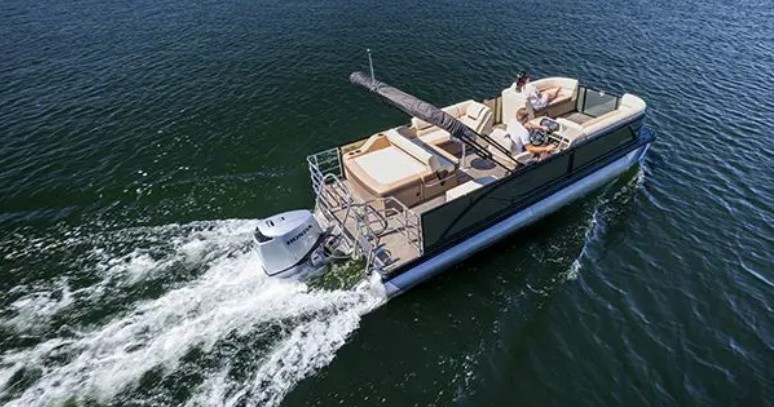 15
15Boat Tour
Springdale sits at the foot of Zion National Park where sandstone cliffs funnel light and sound into narrow canyons. Boat tours are not the town's headline attraction—Zion sells itself on hikes and slot-canyon walks—but the region is a natural stepping stone to several memorable water-based outings. From calm reservoir cruises a drive away to technical multi-day river trips on the Colorado River, Springdale is a planning hub for travelers who want to pair canyon hiking with time on the water.
Explore boat tour →The city and the sea
Why Springdale Belongs on Your Adventure Shortlist
Variety without surrendering the day to long transfers.
The first time you step out onto a Springdale trailhead at dawn you feel the canyon breathe. Light spills across Navajo sandstone like a slow ember, and the vertical walls—olive, rust, and sugar—close the horizon into an intimate amphitheater. Springdale is not an adventure town by accident; it exists because of Zion National Park, and its rhythm follows the park’s seasons and moods. Early mornings belong to hikers and climbers chasing sunlit ridgelines and empty switchbacks. Midday is for sightseeing tours, photography tours, and the steady hum of shuttle buses carrying day-trippers to pullouts like the Watchman or the Canyon Overlook. Late afternoons tilt toward the water: guides ready boots and neoprene for the Virgin River, SUP and kayak renters stage gear at calmer reservoir coves an hour away, and wildlife viewers take up vantage points for the golden-hour migrations of chukar and mule deer. This is a place where a walking tour can segue into a technical climb and a short ATV/UTV ride will introduce you to the wider high desert backcountry. The Adventure Collective’s top activities here read like a sampler of Southwest pursuits—hiking and climbing anchor most itineraries, while water activities and boat rental options appear on hotter months and at nearby lakes. If you’re inventorying reasons to come: the trails are dramatic and diverse (from the narrow squeeze of The Narrows to airy ridgewalks), the photographic opportunities near-constant, and the local guide ecosystem makes it straightforward to add skill-specific outings—rock climbing clinics, guided hikes for beginners, or multi-hour photography tours timed for the golden hour. Practicalities insert themselves into the romance. Zion’s shuttle system, permit windows for marquee routes (and the seasonal crowding that creates those permit windows), and the river’s fickle water levels all shape how a trip flows. Spring and fall deliver the most comfortable temperatures and the best light for photography and long hikes; summer brings intense heat that pushes people into shady slot canyons or toward water-based pursuits. Winter is quieter, with surprise clear days ideal for low-angle sunlight and longer shadows across the canyon walls. Whatever the season, take local guidance seriously: flash floods in narrow canyons, permit requirements for some hikes, and desert exposure call for simple but measured preparation. That balance—wild beauty paired with pragmatic choices—is why Springdale is a repeat destination for campers, day-hikers, SUP and kayak paddlers, climbers, photographers, and families seeking a compact but uncompromising taste of the Utah red-rock country.
Springdale’s compact footprint makes it a smart basecamp. You can walk from a coffee shop into a trailhead, book a last-minute climbing session with a local guide, and still have time for a sunset photography tour along the canyon rim. Outfitters on the main street simplify logistics for bike rental, kayak or SUP sessions, and guided wildlife or photography tours.
The town’s proximity to dramatic, short climbs and long, multi-hour traverses means you can tailor the day: beginner-friendly hikes early, then swap to a guided ATV/UTV backcountry exploration or a water activity in the heat of the afternoon. Permits, shuttle logistics, and seasonal closures are the practical notes to plan around—arrive informed, and the canyon rewards with views that justify the effort.
Conditions shape the day
The best time to visit Springdale.
Spring and fall deliver moderate daytime temperatures ideal for long hikes and photography; summer is hot with intense sun and low humidity—seek early starts and water activities during peak heat. Winter sees cooler days and a quieter park; light snow can accent sandstone contrasts but may close some routes.
Best all-around window
Spring + fall
Comfortable mixed-itinerary weather, thinner crowds at beaches and lookouts, and more room to improvise.
Beach season
Spring (wildflower and pleasant temps) and fall (clear skies and ideal hiking conditions) are busiest—arrive early and book guided outings and lodgings in advance.
Surf + whales
Late fall through winter offers lower rates, fewer crowds, and crisp light for photographers.
Coast to inland
Cool marine mornings often give way to warmer inland afternoons and breezy evenings.
Beginner
Short, well-marked trails and low-commitment outings that still reveal Zion’s signature geology.
- Riverside Walk and easy canyon strolls
- Guided walking tour of Springdale and canyon viewpoints
- Gentle SUP or kayak sessions on nearby calm waters (reservoirs)
Intermediate
Longer hikes with exposure, technical footing, or mild river wading; suitable for fit day adventurers.
- Angels Landing (permit required) or Watchman Trail at a brisk pace
- Photography tour timed for golden hour along canyon rims
- Guided kayak or SUP day trip on nearby lakes
Advanced
Technical climbing, canyoneering, multi-day routes, and water runs that demand technical skills and planning.
- Multi-pitch rock climbs with certified guides
- Slot canyon canyoneering and advanced route-finding
- Backcountry traverses and technical descents requiring ropes and permits
Field kit
What to bring.
Pack for sun, salt water, walking, and a meaningful temperature swing between coast and inland Springdale.
Essential
Start here
- Sun protection: hat, SPF 30+ sunscreen, sunglasses
- Hydration plan: 2–3 liters for day hikes; more in summer
- Sturdy hiking shoes with traction for sandstone and slick rock
- Light layers for significant temperature swings between canyon floor and rim
- Permit confirmations or printed directions for shuttle-based hikes
Water days
Keep it dry
- Daypack with rain shell and warm midlayer for cool mornings and evenings
- Water shoes or light neoprene socks if you plan The Narrows or other water activities
- Camera with polarizer and a compact tripod or gorillapod for low-light canyon shots
- Headlamp for early starts or late returns
Long days
Stay flexible
- Dry bag for phones and valuables during water activities
- Trekking poles for steep descents and river wades
- Binoculars for wildlife viewing and distant overlooks
Insider note
Start early, then keep the geography tight.
Start at dawn to avoid shuttle lines and capture the canyon in its best light. If a permit is required for a route, book early—the most iconic hikes fill out. On hot summer days, shift activity to shaded canyons or water-based outings; in winter bring traction devices for icy approaches. Use local outfitters for specialized activities—guided climbing, canyoneering, SUP/kayak trips, ATV/UTV backcountry excursions, and photography tours provide gear, local knowledge, and safety margins. Watch the weather—flash floods can make the Virgin River and slot canyons hazardous. Finally, pack out what you pack in: the delicate desert ecosystem responds badly to excessive erosion and human impact.
Good to know
Frequently asked questions.
Can I do most activities without a guide?
Yes for many hikes and sightseeing tours—well-marked routes like Riverside Walk and Watchman Trail are approachable. Hire a guide for technical rock climbing, complex canyoneering, or if you plan to paddle swift-water sections.
Is water-based activity common in Zion?
Water activities are possible but seasonal and variable: the Virgin River can be waded in sections like The Narrows with proper footwear and awareness of flows. SUP, kayak, and jet ski rental options are more common at nearby reservoirs and lakes—check local outfitters for day-trip options.
How early should I start during peak season?
Start at or before sunrise for popular trailheads—parking fills quickly and midday shuttle crowds intensify. Early starts also mean cooler temperatures and better light for photography.
Ready when you are
Find the trip that fits your Springdale day.
Compare bookable experiences across the coast, city, and mountains—then save the ones that belong in your plan.
Explore all Springdale adventures ↗