
Spring Park adventure guide
Find your way into Spring Park.
A compact lakeside town that feels larger than its map pin, Spring Park is where deck chairs meet paddle strokes and sunrise bike loops give way to late-afternoon boat rentals. This guide pairs the town’s water-first personality with accessible hiking, bike options, and seasonal winter pursuits—practical routes, local lore, and what to pack so you spend more time outside and less time guessing.
Three ways into the city
Pick a landscape. Build a day around it.
Spring Park is less a single destination than a collection of neighboring worlds. Start with the version of the city that matches your pace, then use the ranked guide below to fill in the details.

Begin where the city meets the sea.
Surf breaks, sheltered harbors, whale routes, and long beach paths make the coast LA’s most immediate outdoor playground.
Explore water activities →
Let a local connect the landmarks.
Use a guided city, walking, or sightseeing tour to turn LA’s sprawl into a coherent story.
Explore sightseeing tour →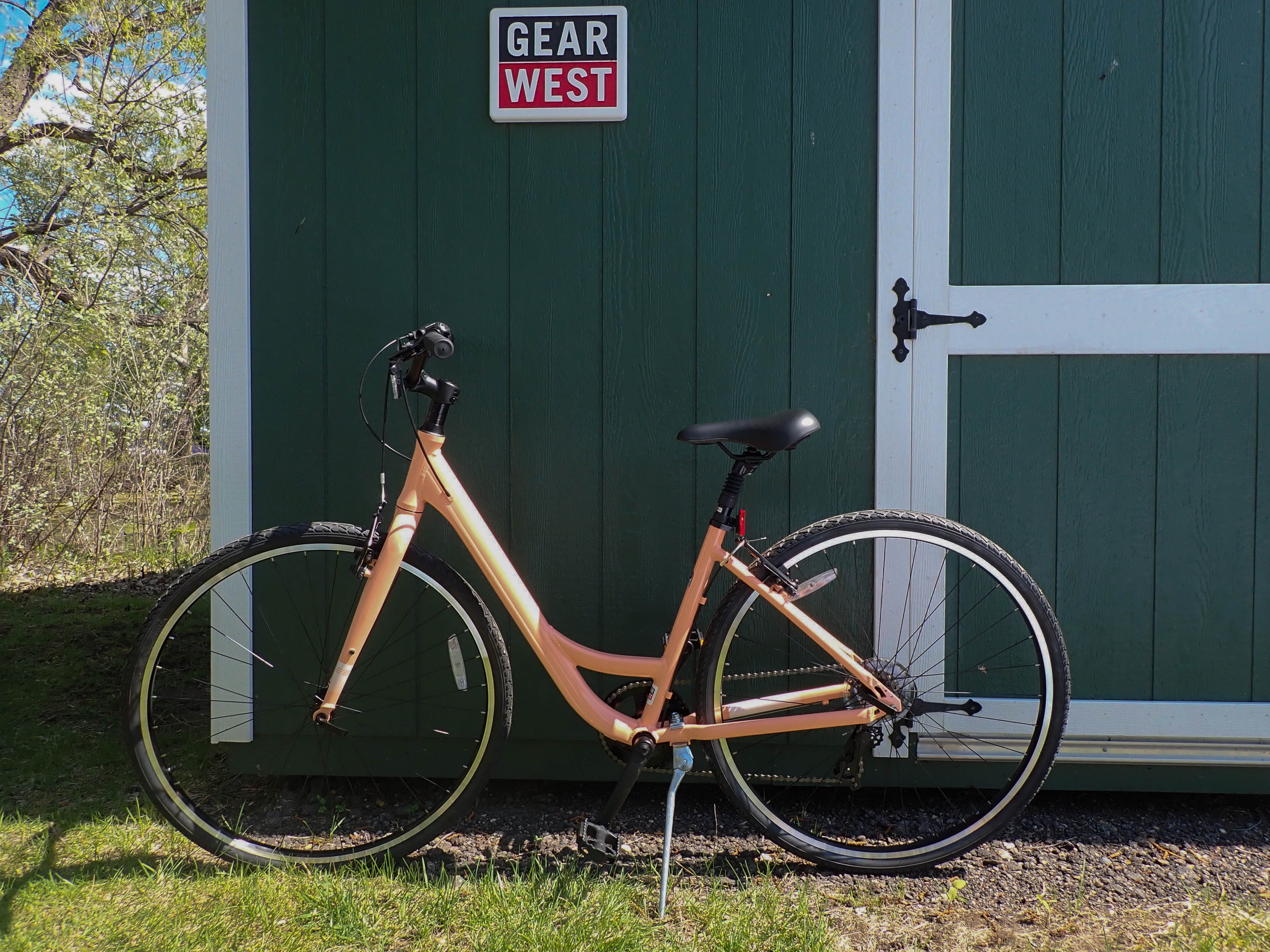
Ride the coast and the city.
Beach paths, river corridors, e-bikes, and ridge climbs reveal a more connected Los Angeles.
Explore e-bike →Choose your way into Spring
The top 15 Spring Park adventures.
Ranked by the number of currently listed trips. Each panel opens the complete local activity collection.
1Water Activities
Tucked along the eastern edge of Lake Minnetonka, Spring Park is a compact gateway to one of Minnesota’s storied lake systems. The town’s shoreline is a springboard for paddlers, anglers, sailors, and swimmers who come for calm bays, scatterings of islands, and easy access from the Twin Cities. This guide focuses on how to experience Lake Minnetonka from the water—from mellow SUP cruises and sheltered kayak loops to summer boat days and winter ice pursuits.
Explore water activities → 2
2Boat Rental
Spring Park sits on the eastern edge of Lake Minnetonka, where a braided shoreline, sheltered bays, and a network of marinas make it one of the most accessible and varied places in Minnesota to rent a boat. Whether you want a quiet paddle around bays, a pontoon for a family afternoon, or a fast run for wakeboarding, Spring Park's rental scene matches classic lake culture with modern convenience.
Explore boat rental →3Sightseeing Tour
Spring Park sits like a small harbor town on the western edge of the Twin Cities, where grand waterfront houses, island-dotted horizons, and quiet shoreline preserves create a compact playground for sightseeing. Tours focus on the lake itself—boat cruises and narrated launches that trace the shoreline and island communities—plus short walking and biking loops that reveal local history, architecture, and waterfront ecology. For travelers who want a calm, scenic outing with photographic moments, birdwatching, and a taste of Minnesota lake culture, Spring Park’s sightseeing options deliver focused, manageable experiences close to Minneapolis–St. Paul.
Explore sightseeing tour → 4
4Boat Tour
Spring Park sits on the eastern edge of Lake Minnetonka, and boat tours here are less about long oceanic passages and more about intimate conversations with water: cruising tree-lined bays, threading between islands, and catching the low, amber light of a lakeside sunset. Whether you choose a narrated sightseeing cruise, a private pontoon for a family afternoon, a classic wooden-boat tour that feels like a step back in time, or a focused wildlife-and-wildflowers excursion, Spring Park’s boat offerings are compact, rich, and effortlessly local.
Explore boat tour → 5
5City Tour
Spring Park is a compact, lake-kissed enclave on the southern shore of Lake Minnetonka where narrow streets, marinas, and historic cottages meet public parks and sweeping waterfront views. City tours here lean small-scale and sensory: walking routes that thread old resort-era architecture, guided boat circuits that reveal shoreline gardens and boathouses, and bike loops that link lakeside parks to neighborhood cafes. This guide focuses on curated ways to see Spring Park by foot, pedal, and watercraft—what to expect, when to go, and how to combine a half-day tour with nearby outdoor activities like paddleboarding, birdwatching, and regional bike trails.
Explore city tour → 6
6Hiking
Tucked on the eastern shore of Lake Minnetonka, Spring Park is a compact gateway to lakeside trails, oak-savanna ridges, and short, restorative loops that pair easy access with a strong sense of place. Hikes here favor water views over alpine panoramas—boardwalks and shoreline paths, gravel service roads through parklands, and patches of remnant prairie that bloom in late spring. The trail network is ideal for morning strolls, birding circuits, and family outings, with nearby longer routes and regional greenways available for hikers who want to extend the day.
Explore hiking → 7
7Lodging
Spring Park is a small, shoreline-minded town where lodging is as much about the water as it is the roof over your head. Expect a mix of classic midwestern lakeside motels, intimate boutique inns, vacation-home rentals with private docks, and a handful of seasonal camp and RV options. This guide focuses strictly on places to sleep and how your choice of lodging shapes the rest of your outdoor days—sunrise paddles, dockside grilling, bike loops around the lake, and quick hops into Minneapolis.
Explore lodging → 8
8Fishing
Spring Park sits on the western shore of Lake Minnetonka, a lake-system that folds in sheltered bays, rocky points, and weedy flats—an intimate and varied fishing landscape within reach of the Twin Cities. Whether you’re casting from a quiet shoreline park at dawn, trolling open water for walleye, coaxing smallmouth from a rocky break, or sitting through a glassy winter morning on the ice, Spring Park offers fishing rhythms that change with the season. This guide focuses on how to read the water around Spring Park, where to launch, what species matter most, and the practical planning details that let you spend more time fishing and less time guessing.
Explore fishing →9E-Bike
Spring Park compresses the pleasures of Minnesota lakeside living into a rider-friendly loop: quiet neighborhoods, parkland spur trails, and short stretches of shoreline that reward an e-bike’s ease with scenic payoff. This guide focuses on the electric-bike experience—where to ride, when to go, gear choices, and how to expand a single afternoon on two wheels into a full-day adventure that also includes walking trails, paddle launches, and lakeside dining.
Explore e-bike → 10
10Winter Activities
When winter arrives on the shores of Lake Minnetonka, Spring Park trades summer bustle for a hush of snow and open sky. The town becomes a compact base for ice-centric pursuits—skating, ice fishing, and frozen-lake strolls—while nearby parks and trails offer snowshoeing, fat-biking, and classical cross-country skiing on groomed or packed routes.
Explore winter activities → 11
11Bike Rental
Spring Park sits on a gentle edge of Lake Minnetonka where polished boardwalks, marina-lined harbors, and quiet neighborhood streets make it one of the most inviting places to roll a rental bike. Whether you want a breezy cruiser for lakeside errands, a nimble hybrid for mixed pavement and gravel, or an e-bike to extend the day's range, the town's compact scale and scenic shoreline give riders quick access to loop rides, waterfront parks, and connecting routes into neighboring towns. This guide zeroes in on the bike-rental experience here—what types of bikes you'll find, the terrain and distances to expect, how seasonality shapes availability, and what to pack for a safe, satisfying ride along Minnesota's most sociable lake.
Explore bike rental → 12
12Bike Tour
Spring Park sits on the western edge of Lake Minnetonka, where glassy water, narrow shoreline roads, and a patchwork of parks and greenways create some of the most inviting short-range bike touring in Minnesota. This guide focuses on approachable paved and mixed-surface routes that combine scenic lake views, small-town stops, and quiet backroads—perfect for day tours, families, and riders seeking a relaxed exploration of the lakeshore and nearby trails.
Explore bike tour → 13
13Wildlife
Set on the sheltered bays of Lake Minnetonka, Spring Park is a compact but surprisingly rich patchwork of shoreline, marsh, and tree-lined streets where suburban life and wild rhythms meet. This wildlife guide focuses on where to see waterfowl and raptors, where beavers and muskrats remake the shore, and how to plan small-boat, shoreline, and walking experiences that put you close to the animals without disturbing them. Ideal for morning birders, kayak photographers, and families seeking low-effort wildlife encounters, Spring Park delivers seasonal highs—especially during spring and fall migration—while offering steady year-round sightings from docks and pocket parks.
Explore wildlife → 14
14Canoe
Spring Park sits on the eastern edge of Lake Minnetonka, a broad, lobed lake whose calm bays, narrow channels, and tree-lined shore create one of the Midwest's most inviting canvases for canoeing. This guide focuses on paddling the sheltered arms and open-water crossings accessible from Spring Park — short loops for families, longer point-to-point outings, and wind-smart routes for paddlers looking to expand skills. Expect mirror-flat mornings, sudden afternoon breezes, and a landscape shaped by seasonal waterfowl, small islands, and century-old lake homes. Practical details and trip ideas here will help you plan paddles that fit your comfort level, time, and the fickle Minnesota weather.
Explore canoe → 15
15Kayak
Spring Park sits on the eastern edge of Lake Minnetonka, where a mosaic of sheltered bays, narrow channels, and small islands makes for some of the region’s most approachable and scenic paddling. This guide focuses on kayak experiences—day trips, guided outings, and multi-stop shoreline explorations—geared toward travelers who want to mix calm-water paddling with lakeside history, birding, and easy access from the Twin Cities.
Explore kayak →The city and the sea
Why Spring Park Belongs on Your Midwest Adventure List
Variety without surrendering the day to long transfers.
Spring Park is the kind of place that reads like an invitation: a low-slung shoreline sketched with docks, a small-town main street that funnels you toward the water, and a network of lanes and paths designed to be savored at human pace. It’s easy to imagine the town only as a summer weekend stop, but its character is more layered—the lakeshore dictates the rhythm in warm months with boat rentals, kayak and canoe launches, and sightseeing tours across the broad arms of Lake Minnetonka; in winter, the same water freezes into an arena for ice fishing and other cold-season recreation. What makes Spring Park special is accessibility. Outfitters on the water simplify logistics—launches, rentals, and guided boat tours remove friction so you can switch between a morning paddle and an afternoon lakeside picnic without a spreadsheet of reservations. Beyond the water, Spring Park sits within easy reach of trails and greenways that appeal to a wide range of travelers. E-bike and bike rental options turn neighborhood loops into micro-adventures, and short hikes and city tours connect visitors with local history and wildlife viewing opportunities along the shorelines and in pocket parks. The sensory contrast between open water and tree-lined streets is immediate: gulls and loons call across the lake while neighborhoods hum with the low-key commerce of cafes and outfitting shops. That balance—serious outdoor access paired with the amenities of a walkable town—means Spring Park works well as a primary destination for lake lovers and as a practical base for exploring the greater Twin Cities region. Plenty of travelers come for a single activity—renting a boat or joining a lake sightseeing tour—and surprise themselves by stacking experiences. Start the day with a calm kayak or canoe paddle through quieter coves, slip into a mid-morning fishing outing from a licensed guide if you want to target walleye or bass, then trade the oars for wheels: a late-afternoon e-bike ride or city tour connects you with lakeside neighborhoods and local eateries. For planners: summer weekends fill quickly. Book rentals and tours in advance, and consider weekday mornings for the quietest water. In shoulder seasons, the town offers a different rhythm—cooler air, migrating birds along the shoreline, and a chance to find trails and vantage points without the warm-season crush. Winter changes the rules but not the draw: frozen expanses create new access and a different kind of solitude. This is a place that rewards simple planning, lends itself to hybrid itineraries, and stays welcoming across seasons.
Access is the practical advantage: multiple launches, a concentration of boat rental businesses, and short drives to longer trail systems make it simple to mix paddling with a loop ride or city tour. Local outfitters often bundle gear with instruction, so first-time paddlers and families can get on the water confidently.
Pair the active with the social—lakeside taverns, fish fries, and seasonal events fill in the evening. For travelers who prefer a measured trip, lodging ranges from lakefront inns to family-friendly rentals, making it easy to recover after a long day on the water or a crisp winter outing.
Conditions shape the day
The best time to visit Spring Park.
Late spring through early fall provides warm water and stable paddling conditions; afternoon breezes can pick up on open arms of Lake Minnetonka so plan early launches. Winters are cold and offer ice-related activities—confirm ice thickness and local conditions before venturing out.
Best all-around window
Spring + fall
Comfortable mixed-itinerary weather, thinner crowds at beaches and lookouts, and more room to improvise.
Beach season
June–August for boating, fishing, and sightseeing tours; weekends draw the largest crowds and highest rental demand.
Surf + whales
Shoulder seasons (May and September) offer quieter water, migrating birds, and better weekday availability.
Coast to inland
Cool marine mornings often give way to warmer inland afternoons and breezy evenings.
Beginner
Short, sheltered paddles, lakeside city tours, and easy bike rental loops that require little prior skill.
- Gentle kayak loop in a protected Lake Minnetonka cove
- Half-day boat rental with a mapped route and brief orientation
- Short city tour on foot or bike rental around Spring Park shoreline
Intermediate
Longer paddles across wider water, guided fishing trips, and mixed e-bike or bike-tour days that cover distance and variable wind conditions.
- Guided fishing trip targeting bass or walleye
- E-bike tour to neighboring lakeside towns and park trails
- Canoe day trip that links multiple coves and public launches
Advanced
Open-water crossings on larger boats, multi-day itineraries combining boating and regional trail networks, or winter ice-based outings that require specialized gear and local knowledge.
- Full-day boat tour exploring the outer reaches of Lake Minnetonka
- Self-supported multi-stop lake-to-town bike tour with ferry/boat logistics
- Guided ice-fishing expedition with shelter and safety briefing
Field kit
What to bring.
Pack for sun, salt water, walking, and a meaningful temperature swing between coast and inland Spring.
Essential
Start here
- Waterproof layers and sun protection (hat, sunglasses, SPF 30+)
- Footwear that handles wet docks and rocky shorelines
- Reusable water bottle and snacks
- PFD (personal flotation device) for paddling or small-boat trips—often provided by rentals but bring your own if you have one
- Phone in a dry bag or waterproof case
Water days
Keep it dry
- Light wind shell for cool mornings out on the lake
- Microspikes or traction aids if visiting in shoulder seasons with frost or icy ramps
- Compact first-aid kit and whistle for solo outings
- Binoculars for birding and shoreline wildlife spotting
Long days
Stay flexible
- Action camera with floatation tether for water footage
- Fishing license and tackle for angling trips (confirm local rules)
- Small daypack for picnic supplies or a layered day on the water
Insider note
Start early, then keep the geography tight.
Book boat rentals and popular sightseeing tours at least a week in advance during summer weekends. Launch early—calm mornings make for the best paddling and the quietest wildlife viewing. On open stretches, watch for motorboat traffic and stay inside marked channels where possible. Rent a stable, wider kayak if you’re new to paddling or bringing small children. In shoulder seasons keep layers handy—temperatures swing from cool mornings to warm afternoons. For winter visits, rely on local ice reports and consider a guided ice-fishing trip rather than solo ventures until you’re familiar with conditions. Lastly, support local outfitters and lakeside eateries; they’re a great resource for current conditions and the best overlooked coves.
Good to know
Frequently asked questions.
Do I need a guide for lake activities?
No for calm, self-guided paddles in protected coves and for many boat rentals, but guides are recommended for fishing trips, unfamiliar waters, or if you prefer a narrated sightseeing tour. Guides provide local knowledge about channels, hazards, and wildlife.
Are boat rentals and launches easy to find?
Yes; boat rental operators and public boat launches are concentrated along Spring Park’s shoreline. Reservations are recommended during summer weekends, and some launch ramps may require a fee or pass.
Is Spring Park family-friendly?
Yes. Calm coves, shallow put-ins, and many outfitters that rent tandem kayaks and family-sized boats make it a strong choice for groups with kids. Always use PFDs and follow operator guidance.
Ready when you are
Find the trip that fits your Spring Park day.
Compare bookable experiences across the coast, city, and mountains—then save the ones that belong in your plan.
Explore all Spring Park adventures ↗