
San Juan adventure guide
Find your way into San Juan.
A salt-sweet city where colonial cobblestones meet turquoise edges: San Juan is a compact playground for water activities and culture alike. Mornings begin with a snorkel or scuba outing off La Perla and Isla Verde; afternoons slip into boat tours and kayak excursions through mangrove-lined estuaries. On land, walking and city tours thread history through plazas, while zipline and ATV/UTV excursions push the tempo for anyone eager to trade streets for jungle singletracks. Use this guide to stitch together boat rentals and eco tours, pair a bus tour or sightseeing tour with an evening of local cuisine, and plan fishing or deep-water charter days around the swell and winds.
Three ways into the city
Pick a landscape. Build a day around it.
San Juan is less a single destination than a collection of neighboring worlds. Start with the version of the city that matches your pace, then use the ranked guide below to fill in the details.
Begin where the city meets the sea.
Surf breaks, sheltered harbors, whale routes, and long beach paths make the coast LA’s most immediate outdoor playground.
Explore water activities →
Let a local connect the landmarks.
Use a guided city, walking, or sightseeing tour to turn LA’s sprawl into a coherent story.
Explore boat tour →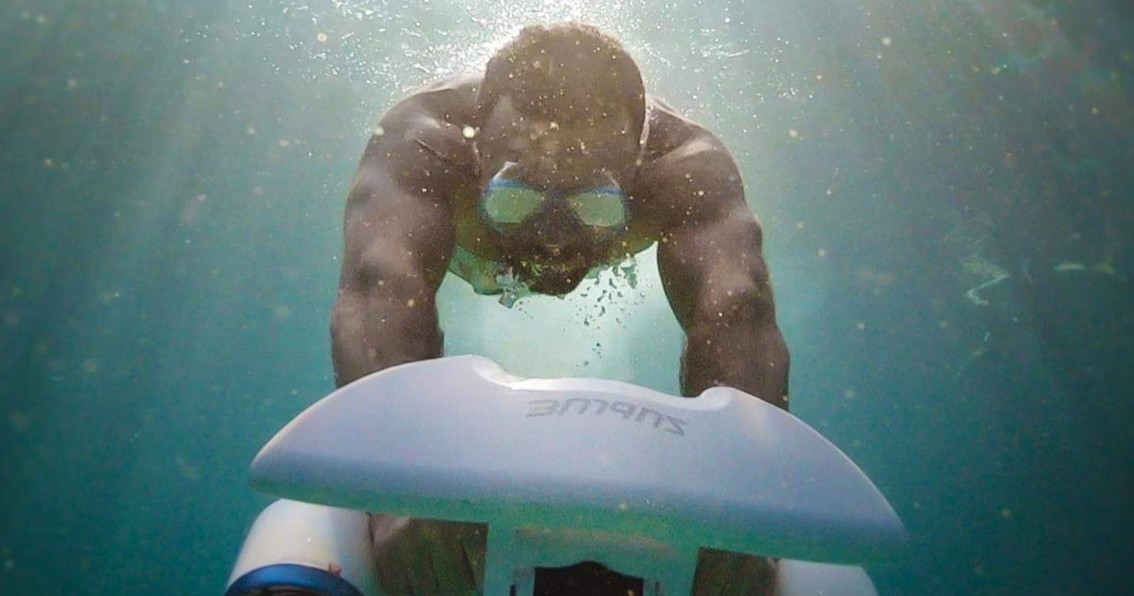
Ride the coast and the city.
Beach paths, river corridors, e-bikes, and ridge climbs reveal a more connected Los Angeles.
Explore snorkel →Choose your way into San
The top 15 San Juan adventures.
Ranked by the number of currently listed trips. Each panel opens the complete local activity collection.
Water Activities
San Juan is a compact, culture-rich launchpad for an extraordinary range of water activities — from reef snorkeling and calm-condition stand-up paddleboarding to surfable breaks and moonlit bioluminescent bay excursions a short drive away. Its combination of sheltered urban waterways and quick access to exposed Atlantic coastlines makes the city ideal for travelers who want variety: easy beach days, guided dives to colorful reefs, small-boat island hops, and adrenaline-fueled wind and wave sports are all within reach.
Explore water activities →2Boat Tour
From historic harbor cruises that frame centuries-old forts to salt-spray catamaran sails and nearby snorkeling runs, San Juan's boat tours are a concise curriculum in coastal Caribbean life—equal parts history, reef, and reef-side revelry. Expect short, accessible departures, vivid coastal scenery, and a convenient launch point from the city itself.
Explore boat tour →3Snorkel
San Juan pairs colonial streets and bustling beaches with a surprising underwater world—calm coral gardens tucked behind seawalls, rocky headlands teeming with reef fish, and easy shore entries that make it one of the most accessible snorkeling hubs in the Caribbean. Whether you’re stepping off a city beach or catching a short boat ride for clearer visibility, snorkelers can expect warm water, shallow reefs, and abundant marine life just minutes from the city.
Explore snorkel → 4
4City Tour
San Juan’s city tours compress centuries into a few hours: fortress ramparts, candy-colored colonial streets, high-energy street art, and a food scene that runs from roadside pinchos to refined criollo cuisine. Whether you’re walking Old San Juan’s cobblestones at dawn, pedaling along coastal Condado, or following a mural trail through Santurce, tours here are as much about texture and taste as they are about history. Expect humid air, lively rhythms, and a compact urban landscape that rewards slow, curious exploration.
Explore city tour → 5
5Walking Tour
San Juan is a city made to be walked: narrow, candy-colored streets threaded with history, seaside promenades that flicker with trade-wind light, and neighborhoods where murals, music, and mangroves meet. Walking tours here range from 45-minute guided loops through Old San Juan’s forts and plazas to multi-hour neighborhood crawls that stitch together food, street art, and local markets. Whether you’re tracing colonial stonework, sampling frituras at a roadside kiosk in Piñones, or following a curator through Santurce's mural-strewn blocks, walking is the best way to read the city at human pace.
Explore walking tour → 6
6Kayak
San Juan pairs urban history with Caribbean watercraft: mangrove-lined inlets, sheltered lagoons tucked behind Condado’s hotels, and easy ocean access where the Atlantic meets the harbor. Kayaking here is as much about place—paddling beneath colonial fort views and along reef-fringed beaches—as it is about lock-step practicality: short launches, plentiful outfitters, and a range of conditions from glassy dawn lagoons to wind-swept coastal runs.
Explore kayak →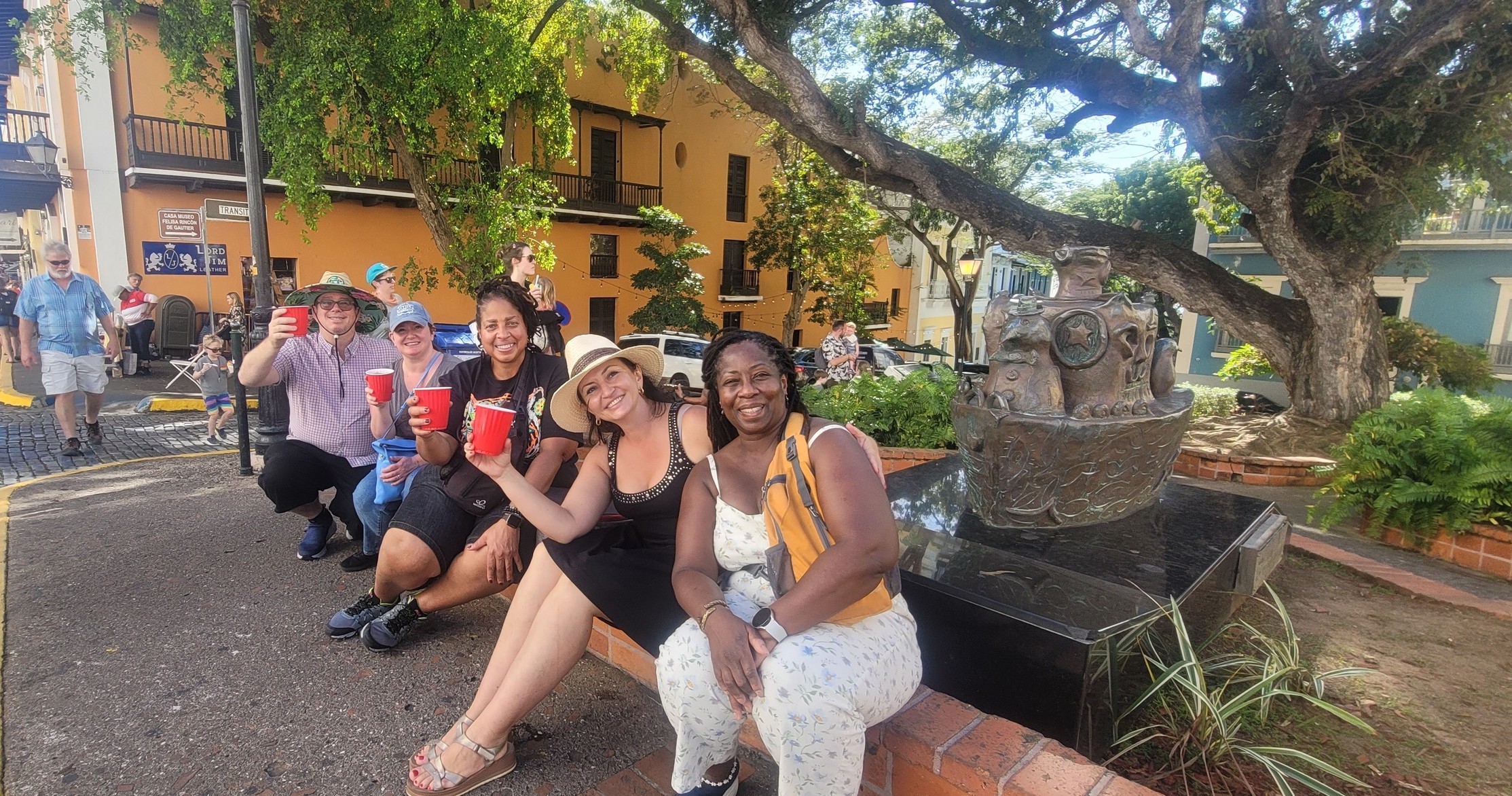 7
7Sightseeing Tour
San Juan is a layered city of color, salt, and stone where centuries of history fold into the easy cadence of Caribbean living. Sightseeing tours here move beyond checklist tourism: guided walks down cobblestone streets unspool colonial stories; boat cruises frame the city against sea-borne light; and culinary-tinged tours reveal the flavors that shaped a culture. This guide focuses on touring experiences—on-foot, by bike, boat, and bus—that let travelers feel the city pulse while staying grounded in practical planning and seasonal considerations.
Explore sightseeing tour →Hiking
San Juan pairs Caribbean coastal walks and historic fortress promenades with quick access to one of the Caribbean's most accessible rainforests. Expect short, dramatic city trails, mangrove boardwalks, and day-trip summits into El Yunque's dripping canopies—an uncommon mix of culture, coast, and green mountain terrain all within an hour of the city.
Explore hiking → 9
9Scuba
San Juan pairs city convenience with immediate access to vibrant reefs, historical wrecks, and calm shore entries that make it an excellent base for Caribbean scuba. Expect warm water, generally good visibility, and a dive scene that ranges from easy shore dives for newbies to guided wreck and drift outings for experienced divers. This guide highlights what to expect, when to go, and how to plan dives from within the city.
Explore scuba → 10
10Eco Tour
San Juan's eco tours compress a surprising range of Caribbean ecosystems into short drives from the city: mangrove labyrinths threaded with narrow channels, salt flats and urban estuaries humming with birds, and a coastline where sand, surf, and reef meet. This guide spotlights guided paddles, birding walks, coastal bike-and-eco-education trips, and conservation-focused experiences run by local stewards. For travelers who want interpretation alongside adventure, San Juan delivers tours that pair easy access with big learning: marine restoration, mangrove ecology, and community-led stewardship programs that reveal how island life is changing with climate, tourism, and waves of recovery after storms.
Explore eco tour → 11
11Boat Rental
From sun-drenched charter launches in Condado to sheltered glides through historic San Juan Bay, renting a boat is the most direct way to read the island’s coastline. Boat rentals here range from small powerboats and center consoles for island-hopping to skipper-led catamarans for sunset sails and snorkeling trips over vibrant reefs.
Explore boat rental → 12
12Zipline
Ziplining around San Juan is an island-scale thrill that stitches together two landscapes that define Puerto Rico: coastal blue and humid green. Within an hour of the capital you can step from urban streets to the canopy of El Yunque, clip into a harness above tropical foliage, and race along cables that reveal river valleys, reef-lined shorelines, and the patchwork of a living island. This guide distills 29 curated zipline experiences—short family-friendly circuits, canopy-and-hike combos, and longer, more extreme lines reachable as full-day escapes—so you can match pace, exposure, and logistics to your trip.
Explore zipline → 13
13Bus Tour
Bus tours in San Juan are a practical and poetic way to see the island’s contrasts: colonial stone streets give way to tropical canopy, ocean bluffs segue into neighborhood murals, and roadside kiosks offer fried plantains while the guide unspools centuries of history. From compact hop-on hop-off loops around Old San Juan to full-day drives into El Yunque and the eastern coast, buses compress distance and context—perfect for travelers who want breadth, local stories, and a low-impact footprint.
Explore bus tour → 14
14ATV/UTV
San Juan's ATV and UTV scene compresses island contrasts into a single afternoon: surf-side sand tracks, mangrove-fringed lanes, farm roads that cut through low hills, and greasy riverbed crossings after tropical storms. Close enough to the city for a half-day escape, the region’s motorized trails pair naturally with beach stops, local food kiosks, and short rainforest outposts—offering an adventurous, sensory tour of Puerto Rico’s northern fringe.
Explore atv/utv → 15
15Fishing
San Juan is a compact, salt-scented base for a surprising breadth of fishing experiences—from light-tackle reef trips and inshore bay sight-fishing to blue-water charters that hunt tuna, mahi-mahi, and billfish. The port city’s convenience, ferry links, and reef-ringed coastline make it an ideal place to pair a day on the water with the island’s culture and cuisine.
Explore fishing →The city and the sea
Why San Juan Belongs on Your Adventure Shortlist
Variety without surrendering the day to long transfers.
San Juan is a siren for travelers who want shoreline and story in equal measure. Here the Atlantic and Caribbean moods collide—one day you can be knee-deep in warm surf practicing paddle technique; the next you’re donning fins and slipping beneath a kaleidoscope of coral on a snorkeling or scuba trip. Yet the city never feels like a staging area divorced from place: Old San Juan’s pastel facades and military fortifications anchor each outing with history, while neighborhoods like Condado hum with restaurants and gear shops that make logistics simple. The beauty of San Juan is its compressibility: in a single day you can mix a morning kayak through a mangrove channel, an afternoon boat tour to a snorkeling reef, and a sunset walking tour that stops for street food and a rum cocktail. That adaptability is why travelers return—there’s the easy first-timer loop (boat rental + guided snorkeling) and the layered deep-dive for repeat visitors (guided scuba + an eco tour inland at El Yunque), and both feel like complete trips. Beyond seaside pursuits, San Juan’s activity palette includes hiking routes that edge into rainforest trails, zipline courses that launch you over verdant valleys, and ATV/UTV circuits for those who prefer throttle to paddle. Fishing charters leave from sheltered marinas at dawn; sport anglers and families alike can find half-day trips or full-day excursions depending on ambition and budget. Practical comforts are woven into the adventure fabric: frequent short flights and ferries connect to other islands, outfitters are concentrated in tourist nodes for easy pick-up, and a dense network of taxis and buses makes it straightforward to combine a city tour with a remote eco tour without renting a car. Seasonality is forgiving—San Juan is a year-round destination—though the driest months (December through April) offer the most reliable water visibility for snorkeling and scuba. Shoulder seasons often bring lower prices and softer crowds but increase the likelihood of brief tropical downpours; hurricane season (June–November) demands flexible itineraries and travel insurance. For planning, prioritize mornings for on-water activities when winds are calmest, book guided dives and specialized boat tours in advance during the high season, and treat boat rental and kayak launches as timed activities—tides, currents, and reef protections can dictate the best windows. When you layer a few guided experiences—an introductory scuba lesson, an eco tour of the mangroves, and a boat charter for reef snorkeling—you get a rounded view of Puerto Rico’s coastal ecosystems and the city’s role as their gateway.
Access is a strength here: small cruise-ship-friendly marinas, public beaches with gear rentals, and a compact historic core that’s walkable. Outfitters in Condado and the marina district make it easy to pair a morning kayak with an afternoon fishing charter or a sunset boat tour.
Culture and comfort follow the adventure: Old San Juan’s museums and forts offer dry-day programming, while local gastronomy—from roadside fritters to fine dining—anchors evenings. That blend of active days and civilized nights makes San Juan an ideal basecamp for travelers of mixed interests.
Conditions shape the day
The best time to visit San Juan.
Tropical climate with warm temperatures year-round. Drier conditions prevail late fall through spring; the wet and hurricane season runs roughly June–November. Mornings tend to be calmer for on-water activities; afternoons can bring brief showers.
Best all-around window
Spring + fall
Comfortable mixed-itinerary weather, thinner crowds at beaches and lookouts, and more room to improvise.
Beach season
December–April (holiday travel and the driest conditions for snorkeling and scuba).
Surf + whales
May–November offers lower rates and thinner crowds; expect more frequent rain showers and check policies during hurricane season.
Coast to inland
Cool marine mornings often give way to warmer inland afternoons and breezy evenings.
Beginner
Short, guided outings with low technical demand — ideal for first-timers and families.
- Guided boat tour to nearshore reefs for snorkeling
- Walking tour of Old San Juan’s forts and plazas
- Introductory kayak rental in a sheltered bay
Intermediate
Longer paddles, shallow reef snorkels, moderate hikes in El Yunque, or half-day fishing charters.
- Self-guided kayak trip through mangrove channels
- Half-day boat rental with snorkeling stops
- Guided zipline course near rainforest canopies
Advanced
Technical dives, offshore sportfishing, multi-hour river runs, and high-speed ATV/UTV routes requiring skill and planning.
- Certified scuba dives at deep reefs and wrecks
- Full-day offshore fishing charter
- Multi-stop marine excursions combining scuba, snorkeling, and spearfishing (with permits)
Field kit
What to bring.
Pack for sun, salt water, walking, and a meaningful temperature swing between coast and inland San.
Essential
Start here
- Lightweight breathable layers and a quick-dry swimsuit
- Reef-safe sunscreen (SPF 30+), sunglasses, and a hat
- Waterproof daypack or a small dry bag for phone and wallet
- Sturdy water shoes for rocky put-ins and mangrove launches
- Valid ID and certification card if planning to scuba
Water days
Keep it dry
- Snorkel mask and fins if you prefer your own fit
- Small first-aid kit and blister care for walking tours
- Light rain shell during the wet season
- Cash for smaller vendors, tips, and remote fees
Long days
Stay flexible
- Compact binoculars for coastal birding and reef spotting
- Action camera with float mount
- Polarized sunglasses for spotting fish from a boat
Insider note
Start early, then keep the geography tight.
Start water days early—winds and chop typically build in the afternoon. When booking a boat tour or scuba trip, ask about maximum group sizes and whether equipment is included; small-group outings deliver better reef time. For Old San Juan, pick a guided walking tour to learn the layered history quickly, then wander on your own for cafés and artisan shops. If you’re renting a boat, confirm where you can legally anchor for snorkeling—many reefs are protected and require operator knowledge. On the logistics side, carry a photocopy of your passport if you intend to travel between islands, and consider travel insurance that covers weather-related cancellations during hurricane season. Finally, tip guides and captains—they're often independent operators whose local knowledge elevates the day.
Good to know
Frequently asked questions.
Can I do most activities without a guide?
Yes for many walking tours, city sightseeing, and basic kayak rentals. Choose a guide for scuba, technical offshore fishing, remote eco tours, or zipline/ATV routes that require safety briefings.
Are beaches and reefs safe to swim and snorkel?
Many beaches are safe, but conditions vary by day and location. Pay attention to posted flags, talk to local outfitters about currents and reef access, and avoid isolated coves alone.
Is transportation easy between the city and El Yunque or other adventure hubs?
Yes, but options vary: organized tours and shuttles are the simplest. Public buses are limited for some trailheads—consider a guided eco tour or rental car for flexible schedules.
Ready when you are
Find the trip that fits your San Juan day.
Compare bookable experiences across the coast, city, and mountains—then save the ones that belong in your plan.
Explore all San Juan adventures ↗