
Richmond Heights adventure guide
Find your way into Richmond Heights.
A salt-spray, sunlit mix of waterborne play and easy urban access defines Richmond Heights. This guide collects the town’s most reliable pursuits—from boat tours and boat rental escapes to kayak mornings and late-afternoon fishing runs—so you can plan a day (or a long weekend) built around the water, the shoreline, and low-key local culture.
Three ways into the city
Pick a landscape. Build a day around it.
Richmond Heights is less a single destination than a collection of neighboring worlds. Start with the version of the city that matches your pace, then use the ranked guide below to fill in the details.

Begin where the city meets the sea.
Surf breaks, sheltered harbors, whale routes, and long beach paths make the coast LA’s most immediate outdoor playground.
Explore boat tour →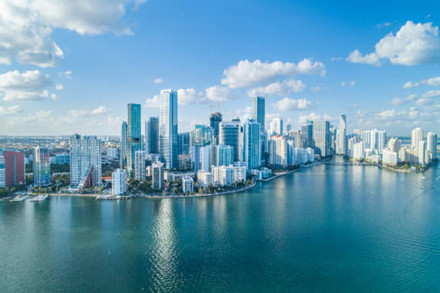
Let a local connect the landmarks.
Use a guided city, walking, or sightseeing tour to turn LA’s sprawl into a coherent story.
Explore sightseeing tour →
Ride the coast and the city.
Beach paths, river corridors, e-bikes, and ridge climbs reveal a more connected Los Angeles.
Explore bike rental →Choose your way into Richmond
The top 15 Richmond Heights adventures.
Ranked by the number of currently listed trips. Each panel opens the complete local activity collection.
1Boat Tour
Set a short drive from downtown Miami, Richmond Heights functions as an understated launch point to some of South Florida’s most evocative waterways. Boat tours from this pocket of Miami-Dade thread through mangrove tunnels, peel out into the crystalline shallows of Biscayne Bay, and push offshore toward coral outcroppings and sandbars. Whether you want a mellow sightseeing cruise at golden hour, a family-friendly snorkeling trip, or a sportfishing charter that chases sailfish and kingfish, the variety is enormous—477 local listings and counting. Expect bright coastal light, easy access to marine wildlife, and a boating culture that balances relaxed island time with practical safety and conservation measures.
Explore boat tour → 2
2Boat Rental
Richmond Heights puts the essentials of South Florida boating within easy reach: broad bays, sheltered channels, shallow flats, and a coastline that transitions from urban skylines to protected marine habitats. Whether you want an easy pontoon for a family afternoon, a nimble center-console for flats fishing, or a small cruiser for sunset runs, the rental scene here is built around access and ease — short drives to launches, flexible half-day options, and a wide range of craft for different comfort and skill levels.
Explore boat rental → 3
3Water Activities
Richmond Heights may read like a small, inland neighborhood on the map, but its access to South Florida's interwoven aquatic systems—canals, bay margins, and the Everglades fringe—makes it a quiet starting point for a wide range of water activities. From placid canal paddleboarding and family-friendly kayak loops to guided snorkeling and deep‑water charters a short drive away, this guide focuses on the water experiences that are most accessible from Richmond Heights and how to plan them responsibly.
Explore water activities →4Sightseeing Tour
Richmond Heights is a compact, layered entry point to South Florida’s contrasting scenes—quiet residential streets, coastal waterways, and fringe mangrove habitats. Sightseeing here favors short, sensory experiences: guided neighborhood walks that decode local history and public art; boat and eco‑cruise options that trade skyline views for mangrove ecology; and food-and-culture strolls that pair Cuban and Caribbean influences with Floridian seaside rhythms. This guide focuses on how to experience Richmond Heights up close, when to go, and how to combine tours with nearby outdoor activities like kayaking, birding, and coastal biking.
Explore sightseeing tour → 5
5Fishing
Richmond Heights sits on the city-side edge of South Florida’s mosaic of waterways—canals that thread suburban blocks, urban piers that drop into Biscayne Bay, and a short drive from the shallow flats and mangrove-lined estuaries that define Miami-Dade angling. For anglers, this neighborhood is less about remote wilderness and more about ease of access: quick launches, productive inshore waters, and a variety of guided options that turn an afternoon into a haul of snappers, snapper-sized reds, jack crevalle, and the seasonal thrills of tarpon or snook when conditions align. Expect a fishing experience that’s urban-adjacent: lively, practical, and rich with opportunities to combine a morning cast with kayaking, birding, or a waterfront meal afterward.
Explore fishing →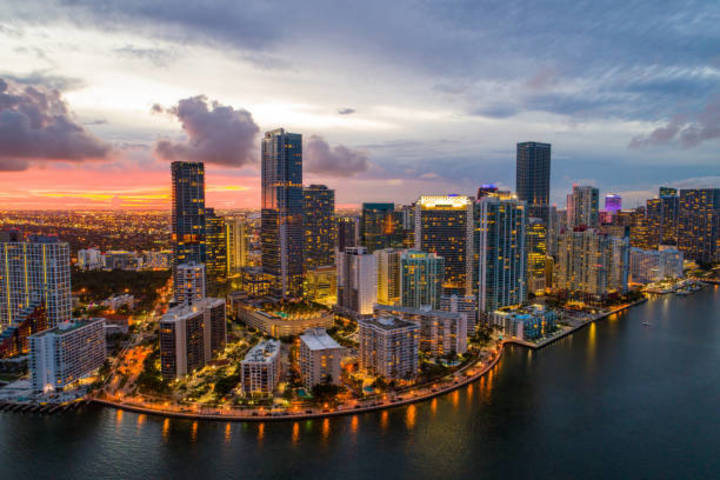 6
6City Tour
Richmond Heights condenses the coastal energy of South Florida into a compact, walkable rhythm—where mid-century bungalows meet mangrove-lined channels and sudden pockets of artisan coffee, music, and market stalls. This guide focuses on City Tour experiences: guided walks, self-led neighborhood rambles, food and market circuits, and the river-edge routes that let you frame the city from land or kayak. It’s a place where urban history and natural edges dovetail, creating short, discoverable routes that reward slow travel and curious eyes.
Explore city tour → 7
7Scuba
Richmond Heights sits just beyond Miami’s urban edge, a quiet launchpad for warm-water diving across Biscayne Bay, offshore reefs, and nearby wreck sites. Expect accessible boat charters, year-round conditions, and a blend of tropical marine life with historically interesting wrecks.
Explore scuba →Snorkel
Richmond Heights sits inland but within easy striking distance of some of South Florida’s most accessible snorkel environments: shallow coral patch reefs, seagrass flats, and sheltered mangrove shorelines. From short shore-entry swims in protected bays to half-day boat trips that drop you over reefs and shallow wrecks, snorkeling near Richmond Heights blends tropical marine life viewing with quick logistics and year-round warmth. This guide focuses on how to plan those outings—the best seasons and tides, basic skills that make the experience richer, and practical comparisons between shore snorkels, guided charters, and kayak-assisted mangrove explorations.
Explore snorkel → 9
9Bus Tour
Bus tours in Richmond Heights are the easiest way to read the region’s layered story: a low, sunlit coastline of wetlands, a quilt of cultural neighborhoods, and roads that thread from neighborhood stoops to Everglades marshes. Whether you want a short cultural loop through local markets and murals, an eco-focused run toward sawgrass and wading birds, or a private charter for a family reunion, the bus tour format here blends comfort and context—drivers double as guides, routes are accessible, and many itineraries are designed to pair with short walks, boat transfers, or food stops.
Explore bus tour → 10
10Kayak
Richmond Heights sits at the threshold between Florida’s urban fabric and its water-rich wilds. Kayaking here is an invitation to trade city noise for the lapping rhythm of canals, mangrove tunnels, and bay flats—short paddles that can feel remote and multi-hour explorations that open into wide estuaries. This guide focuses on how to get on the water from Richmond Heights, what to expect seasonally, and how to plan paddles that balance wildlife viewing, safety, and ease of access.
Explore kayak → 11
11Walking Tour
Richmond Heights condenses layered South Florida histories into short, walkable stretches—quiet residential blocks lined with tropical canopy, pockets of public art, small-business corridors, and neighborhood parks that anchor community life. Walking tours here move at an intimate pace: they emphasize lived history, culinary stops, and the urban ecology shaped by the region’s heat, water, and migration. Whether you’re on a guided cultural walk, a mural-and-eats itinerary, or a self-guided suburban nature loop, these tours reward attention to detail—the architecture, the sounds of neighborhood life, and the changing light under palm fronds.
Explore walking tour →12Bike Rental
Richmond Heights is a compact, surprisingly bikeable corner of greater Miami where short neighborhood rides meet longer bayfront and greenway loops. For visitors, renting a bike here unlocks an accessible way to explore quiet residential streets, park-side singletrack nearby, and coastal routes along Biscayne Bay. This guide focuses on choosing the right rental for your pace—cruiser, hybrid, gravel, or e-bike—plus seasonality, terrain notes, and practical tips to plan a safe, efficient ride.
Explore bike rental → 13
13Eco Tour
Richmond Heights sits at the intersection of suburban Miami and some of South Florida’s most fragile coastal ecosystems. Eco tours here focus on mangrove labyrinths, tidal creeks, and the mosaic of urban and wild habitats that define the edge of the Everglades and Biscayne Bay. These guided experiences emphasize wildlife, water, and restoration—perfect for travelers who want to learn while leaving a small footprint.
Explore eco tour → 14
14Airboat
Skimming the glassy flats around Richmond Heights in a low, rumbling airboat is an elemental Florida experience: wind and rooster-tail spray, a pilot’s practiced turns, and a horizon threaded by mangroves and wading birds. This guide focuses on the airboat — not just a ride but a lens into the region’s wetlands, wildlife, and human history — with practical advice for choosing a tour, what to expect on the water, and how to pair an airboat outing with other local adventures like birding, backcountry kayaking, and coastal fishing.
Explore airboat → 15
15Jet Ski Rental
Richmond Heights sits within Florida's broad coastal rhythm, where sun-bleached wakes and inland waterways invite short bursts of high-adrenaline freedom. This guide focuses on renting jet skis — from calm guided tours through protected channels to open-water runs along coastal shoals — highlighting what to expect, how to prepare, and how to pair a personal watercraft day with nearby paddling, fishing, or beach time.
Explore jet ski rental →The city and the sea
Why Richmond Heights Belongs on Your Water-Forward Itinerary
Variety without surrendering the day to long transfers.
Richmond Heights opens like a map with a coastline stitched into it: not a single marquee national park or epic mountain range, but a braided set of possibilities—boat tour mornings, afternoon kayak runs, sunset jet ski bursts, and slow eco tours that slow time down enough to watch wading birds quarter the shallows. You come for the water activities first—snorkel and scuba options lie within easy reach of local outfitters, and boat rental puts a private cove within minutes. Fishing is part ritual and part skill here; charter or cast from a public pier and you'll find the rhythm of tide and wind dictating what bites and when. The town itself folds into these marine rhythms: city tours and walking tours give a human-scale counterpoint to high-wind days, while bus tours and sightseeing tour options broaden the picture with a little regional context. Practical travelers will appreciate the simple logistics: bike rental and walking-tour routes keep you local and nimble, while airboat and eco tour operators head for wetlands and backcountry channels for wildlife viewing that feels intimate but is professionally run. Want more adrenaline? Jet ski rental and guided boat tours bring speed and cinematic coastlines; want calm—rent a kayak or paddle a sheltered estuary at dawn. Snorkeling and scuba trips are scheduled when visibility and current align, usually on the clearest tides, and outfitters package gear and instruction for beginners and certified divers alike. The mix of activities—boat rental, boat tour, fishing, kayak, scuba, snorkel, jet ski rental, airboat, eco tour, city tour, walking tour, bus tour, sightseeing tour, bike rental, water activities—means you can stack a morning out on the water, an afternoon of local flavor, and an early-evening wildlife cruise without reinventing the wheel. What lingers is the way the place rewards small decisions: an extra half-hour watching a mangrove inlet deliver a tarpon push or a heron stalking the shallows; choosing a local guide for a fishing charters who shows you a hidden cut for less pressure and more action; swapping a planned boat rental for an airboat when the forecast favors the marshes. For travelers who measure trips in moments rather than miles, Richmond Heights is a collection of moments—quiet sandbars, bright-finned glimpses beneath a snorkel mask, the thump of an outboard as you cross to an offshore reef. It’s a place to calibrate: novice anglers find simple, forgiving flats; families discover low-commitment boat tours and safe swimming coves; seasoned divers and kayakers can dial up difficulty at will. Practicalities matter—tide tables, sunscreen, and a plan B for the afternoon—so we fold gear tips and local know-how into the routes below. Whether you’re seeking a full-throttle jet-ski day or a slow eco tour that reads like a nature documentary, Richmond Heights gives you both, edged in salt and served with the kind of local hospitality that turns a single day into the reason to come back.
The practical advantage of Richmond Heights is ease: outfitters line the waterfront and simplify rentals, transfers, and guided departures. That means less time orienting and more time doing—drop in for a 90-minute boat tour, schedule a half-day fishing charter, or pick up a kayak for a few hours of island-hopping. Local operators tend to specialize, so shop for experience: a guide who knows local flats will read tides and winds in ways a first-timer won’t.
Pair adventurous mornings with mellow afternoons. After a high-energy jet ski or an airboat trip through the marsh, switch to a walking tour of the waterfront or a city tour that samples neighborhood food and history. For families, lean on short, certified snorkeling sessions or protected kayak estuaries; for experienced travelers, plan a scuba outing or a full-day fishing charter that requires a little patience—and yields stories worth retelling.
Conditions shape the day
The best time to visit Richmond Heights.
Cooler, drier months (late fall through spring) offer calm seas and lower humidity—ideal for kayaking, snorkeling, and long boat days. Summer is warm and offers longer daylight for water activities but can bring brief afternoon storms and higher heat and humidity.
Best all-around window
Spring + fall
Comfortable mixed-itinerary weather, thinner crowds at beaches and lookouts, and more room to improvise.
Beach season
Late fall through early spring—holiday travel and winter escapes inflate demand for boat tours, fishing charters, and scuba trips.
Surf + whales
Summer brings quieter prices and easier last-minute bookings; expect more afternoon thunderstorms and higher temperatures.
Coast to inland
Cool marine mornings often give way to warmer inland afternoons and breezy evenings.
Beginner
Short, guided excursions that prioritize safety and instruction—ideal for families and first-time paddlers or snorkelers.
- 90-minute boat tour of local waterways
- Guided snorkeling session in a sheltered bay
- Introductory kayak rental in protected estuaries
- City tour or walking tour to learn local history
Intermediate
Longer half-day outings, basic offshore fishing, and unguided boat rentals with route planning and tide awareness.
- Half-day fishing charter targeting nearshore species
- Self-guided kayak island-hopping with tide windows
- Scuba shore dives with modest current
- Eco tour exploring marshes and birdlife
Advanced
Extended offshore or deep-sea trips, technical scuba dives, and high-speed motorized activities that require experience and local knowledge.
- Full-day deep-sea fishing or multi-site scuba trips
- High-speed jet ski excursions along open coastlines
- Airboat expeditions into remote marsh networks with a professional guide
Field kit
What to bring.
Pack for sun, salt water, walking, and a meaningful temperature swing between coast and inland Richmond.
Essential
Start here
- Sunscreen (reef-safe where snorkeling or diving)
- Light, quick-dry clothing and a wind/rain shell
- Waterproof bag or dry sack for phone and wallet
- Hat and polarized sunglasses for glare on the water
- Tide chart or app and a printed rendezvous plan with your outfitter
Water days
Keep it dry
- Water shoes for rocky or mangrove shorelines
- Personal flotation device if you prefer your own life jacket
- Small first-aid kit and seasickness remedies if you’re prone
- A compact camera or action camera with a float leash
Long days
Stay flexible
- Binoculars for birding on eco tours
- Lightweight fishing gear if you plan to fish from shore or pier
- Snorkel mask and fins for personal comfort during guided snorkeling
Insider note
Start early, then keep the geography tight.
Book high-demand specialized trips—scuba, airboat, and deep-sea fishing—in advance during winter. For calmer conditions, target morning departures when wind tends to be lighter; save reef and snorkel sites for mid-tide windows when visibility is best. If fishing, ask local guides about recent bite patterns and use their recommended tackle. Bring reef-safe sunscreen and pack out trash; many fragile nearshore habitats rely on visitor stewardship. If you’re new to boating, hire a local captain for a first trip to learn channels and shallow-water hazards—these professionals will point out safe launch points and the best tide windows. Finally, consider a local eco tour to learn about mangrove ecology and how seasonal changes affect fisheries and bird migrations.
Good to know
Frequently asked questions.
Can I do most activities without a guide?
Many low-risk activities—short boat rentals, casual kayak outings in protected bays, city tours and walking tours—are accessible without a guide. Choose a licensed guide or charter for offshore fishing, scuba, airboat trips through wetlands, or if you’re unfamiliar with local tides and channels.
Are there safe places to snorkel and scuba for beginners?
Yes—guided snorkeling sessions and beginner scuba trips are common. Outfitters typically choose sheltered reefs or calm channels with easy entry and full briefings. Book a guided trip for your first time to ensure safety and local knowledge.
What permits or licenses do I need for fishing?
Recreational fishing regulations vary by state. Check the Florida Fish and Wildlife Conservation Commission (FWC) for current license requirements and seasonal rules before you go; many charters include licensing in their packages.
Ready when you are
Find the trip that fits your Richmond Heights day.
Compare bookable experiences across the coast, city, and mountains—then save the ones that belong in your plan.
Explore all Richmond Heights adventures ↗