
Pinellas Park adventure guide
Find your way into Pinellas Park.
A low-slung coastal hub on the edge of Tampa Bay, Pinellas Park is a practical launchpad for water-forward days: think sun-sparkled boat tours and boat rentals, kayak paddles through mangrove fingers, and sunset sails off the Gulf. This guide walks you through top picks—from family-friendly dolphin watches and snorkeling to higher-octane jet-ski rental and SUP sessions—while keeping the planning simple: where to rent, when to go, and what to pack.
Three ways into the city
Pick a landscape. Build a day around it.
Pinellas Park is less a single destination than a collection of neighboring worlds. Start with the version of the city that matches your pace, then use the ranked guide below to fill in the details.

Begin where the city meets the sea.
Surf breaks, sheltered harbors, whale routes, and long beach paths make the coast LA’s most immediate outdoor playground.
Explore boat tour →
Let a local connect the landmarks.
Use a guided city, walking, or sightseeing tour to turn LA’s sprawl into a coherent story.
Explore sightseeing tour →
Ride the coast and the city.
Beach paths, river corridors, e-bikes, and ridge climbs reveal a more connected Los Angeles.
Explore bike rental →Choose your way into Pinellas
The top 15 Pinellas Park adventures.
Ranked by the number of currently listed trips. Each panel opens the complete local activity collection.
1Boat Tour
Boating around Pinellas Park is less about the town’s grid and more about its watery neighborhood—quick runs to barrier islands, dolphin-scattered estuaries, and flat-water coastal cruises. From family-friendly sightseeing to private charters that chase sunsets, the region’s sheltered bays and nearby passes make boat tours accessible, wildlife-rich, and highly photogenic.
Explore boat tour → 2
2Water Activities
Pinellas Park sits at the hydraulic edge of the Tampa Bay region: an inland gateway to shallow bays, mangrove tunnels, and wide Gulf beaches within a short drive. This guide focuses on water activities reachable from Pinellas Park—paddleboarding calm backwaters, flats fishing at first light, eco-kayaking through mangrove fingers, boat charters out into the Gulf, and easy shore snorkeling when conditions allow. Practical, season-aware advice blends with on-the-water storytelling to help you plan outings that match your comfort level and curiosity.
Explore water activities → 3
3Boat Rental
Pinellas Park sits a short engine-run from some of Florida’s most accessible coastal waterways. Boat rentals here put you in control of a day of shelling, flats fishing, sunset cruising, or skinny-water exploration through mangrove-lined channels. Expect calm backwaters, quick access to open Gulf routes for day trips, and a range of rental options—from small outboards and center consoles to family-friendly pontoons and guided charters when you want a captain at the helm.
Explore boat rental → 4
4Kayak
Pinellas Park sits quietly at the edge of Tampa Bay’s mosaic of estuaries, mangrove fingers, and urban lakes—making it a surprising launchpad for accessible paddling. From glassy morning laps on Lake Seminole to explorations that push toward nearby Boca Ciega Bay and mangrove mazes, kayaking here blends calm-water confidence-building with quick access to coastal ecosystems and big-water vistas. This guide focuses on kayak experiences that start, finish, or pass through Pinellas Park, and it threads practical planning, seasonal cues, and local context into a clear map for every paddler.
Explore kayak →5Sightseeing Tour
Pinellas Park sits at the flatter, sunnier edge of the Tampa Bay loop—an unassuming suburban hub that’s perfectly positioned for short, highly enjoyable sightseeing tours. Expect a low-slung landscape of parks, water-filled preserves, historic neighborhoods, and easy access to the Gulf’s barrier islands. Sightseeing here trades alpine drama for coastal light, close-up encounters with wading birds, and a human-scale mix of roadside diners, craft breweries, and colorful public art. Tours range from gentle walking circuits around Sawgrass Lake and neighborhood mural crawls to short guided boat trips that thread salt marshes and small inlets. Because the terrain is flat and streets are short, Pinellas Park sightseeing is accessible, adaptable, and ideal as a half-day complement to beach days, cycling on the Pinellas Trail, or paddling in nearby mangroves.
Explore sightseeing tour → 6
6Fishing
Pinellas Park sits at the crossroads of Gulf flats, protected bays, and freshwater lakes—an unassuming launchpad for anglers looking to sample the full spectrum of Floridian fishing. From light-tackle inshore trips for snook and redfish to calm mornings chasing largemouth on Lake Seminole, the area's water mosaic delivers quick, varied days on the water. This guide curates shore-casting spots, kayak flats, guided half-day charters, and family-friendly pier outings, blending practical directions with the seasonal nuance you'll need to plan a successful trip.
Explore fishing →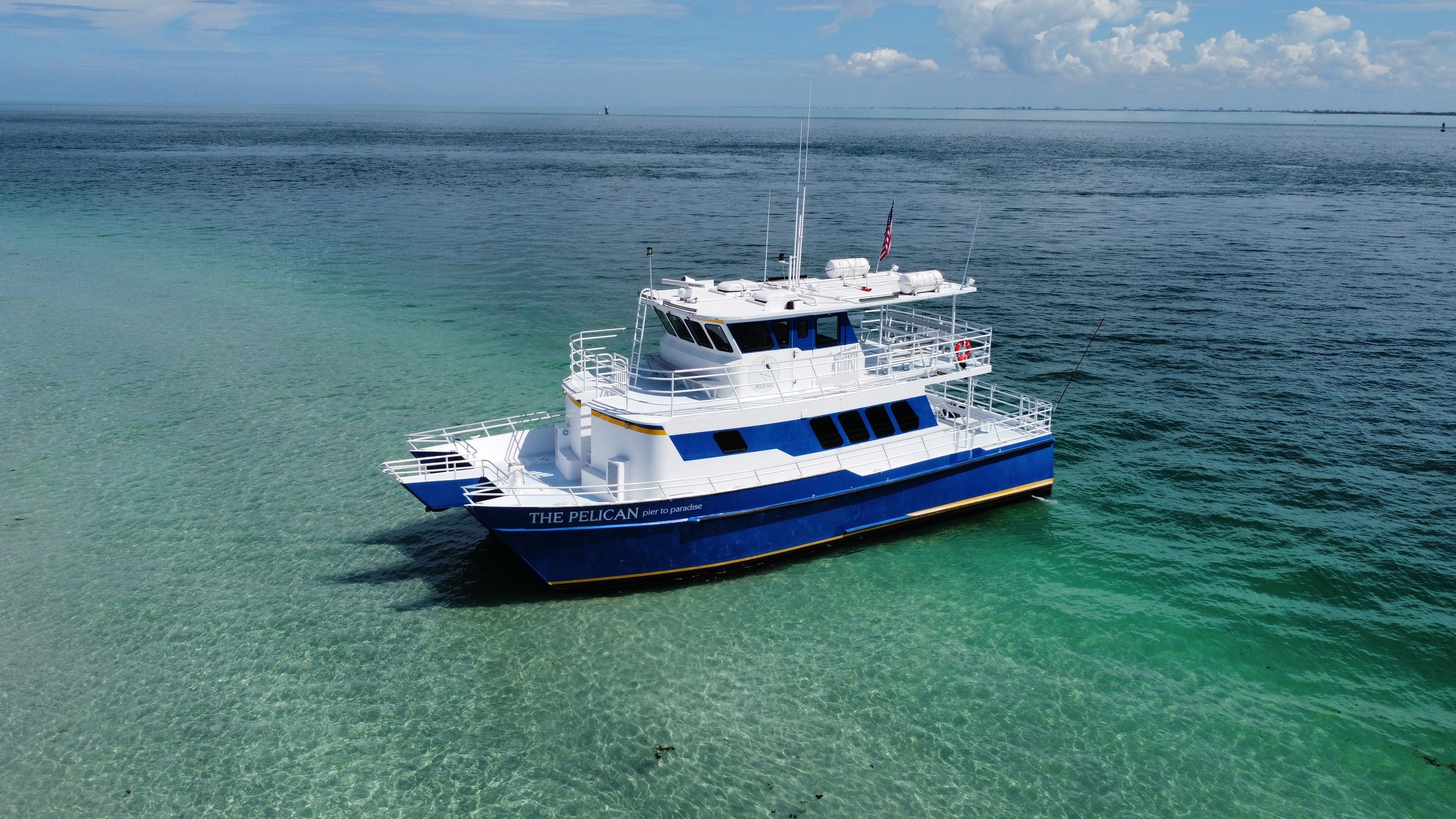 7
7Dolphin
Pinellas Park sits inland of one of Florida's most productive coastal interfaces, and its proximity to sheltered bays, mangrove-lined channels, and the open Gulf creates reliable dolphin encounters. Whether you prefer a quiet paddle through backwater estuaries, an interpretive eco-boat cruise, or a family-friendly sightseeing trip, the waters around Pinellas Park deliver frequent sightings of bottlenose dolphins framed by salt marshes, sandbars, and endless Floridian light.
Explore dolphin →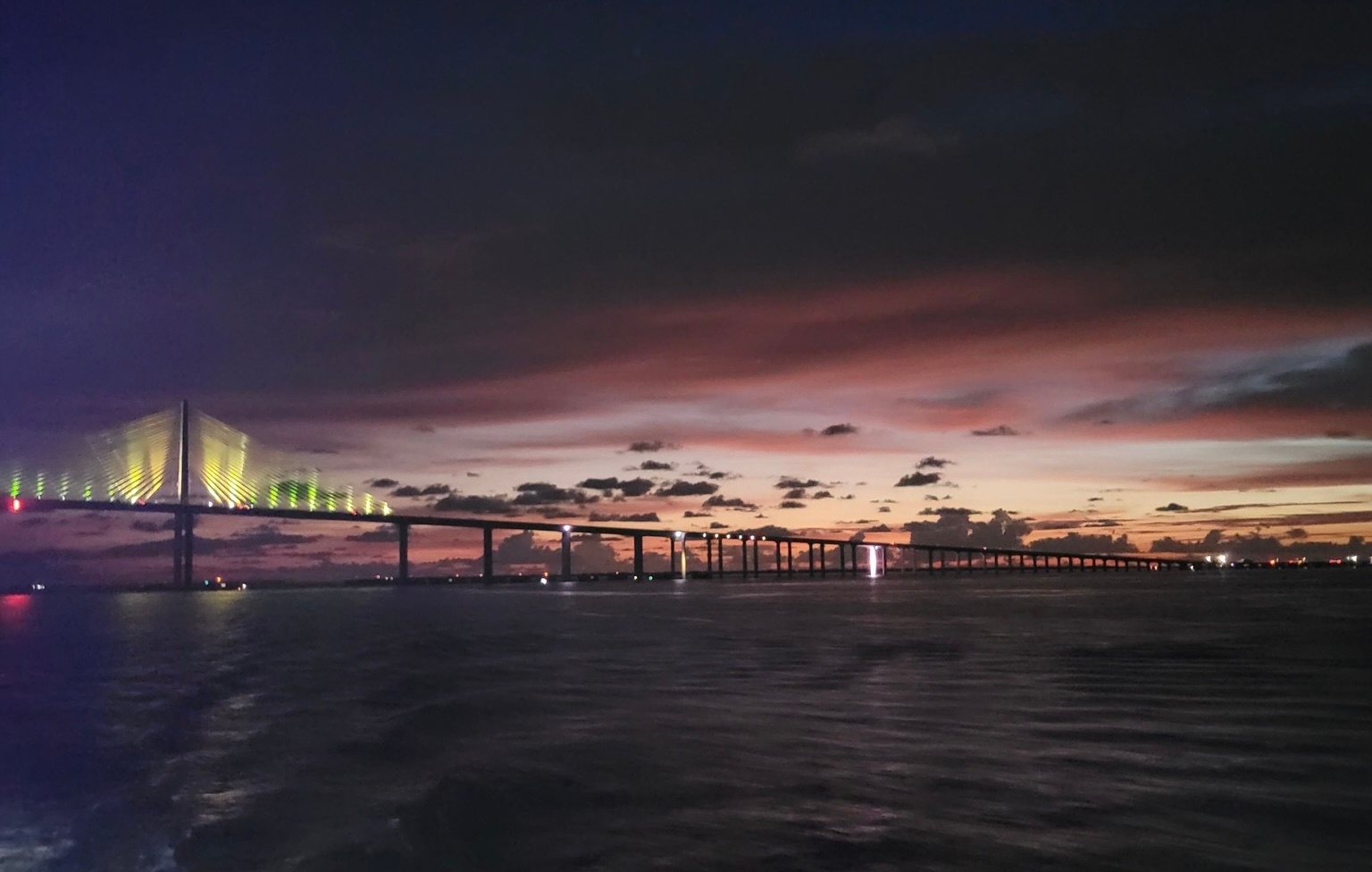 8
8Sailing
Pinellas Park sits inland but within minutes of some of Florida's most sailable waterways. From sheltered bays and mangrove-lined creeks to open-Gulf day sails and sunset charters, this pocket of the Tampa Bay region offers easy access to calm waters, steady seasonal breezes, and short coastal hop options that suit beginners and seasoned skippers alike.
Explore sailing →9Bike Rental
Flat, sun-drenched, and threaded with paved greenways, Pinellas Park is a quietly efficient launchpad for two-wheeled exploration. Bike rental options here cater to beach cruisers, electric-assist commuters, family rigs, and the occasional roadie who wants to connect to the larger Pinellas County network. This guide focuses on renting, riding, and planning rides that make the most of the area's mild winters, coastal access, and easygoing terrain.
Explore bike rental → 10
10City Tour
Pinellas Park's city tours are a study in the ordinary made interesting: low-slung neighborhoods, pocket parks, public art, and a surprising number of local cafés and craft makers clustered between the thoroughfares that carry commuters to St. Petersburg and Clearwater. These tours are best experienced at a walking or rolling pace—bike routes, guided food walks, and historic neighborhood loops reveal a community where suburban Florida meets ecological edges and Gulf-coast leisure. This guide focuses on how to see Pinellas Park by foot, bike, and short guided itineraries, with practical notes on terrain, accessibility, seasons, and how to combine a city tour with nearby outdoor escapes.
Explore city tour → 11
11Snorkel
Pinellas Park sits inland amid a county that reads like a snorkeler’s cheat sheet: barrier islands, shallow bays, artificial reefs, and a coastline studded with parks and boat-launch points. While Pinellas Park itself is a short drive from the shore, the snorkel experiences that define this place are found on nearby barrier islands and in the protective bays of Pinellas County. From quick shore dips over seagrass beds to guided boat runs out to shipwrecks and artificial reefs, the region delivers approachable snorkeling for first-timers and rich, wildlife-focused dives for experienced surface explorers.
Explore snorkel → 12
12Wildlife
Pinellas Park sits inland from Florida’s glittering Gulf coast but functions like a hinge between suburban neighborhoods and some of the Suncoast’s most productive wildlife habitats. Birdlife flashes through city greenways and ponds; larger estuarine systems—just a short drive away—host shorebirds, wading birds, dolphins, and seasonal visitors from the north. This guide focuses on wildlife-focused outings you can start from Pinellas Park: dawn birding at freshwater edges, mid-morning kayak floats in nearby estuaries, and short drives to coastal reserves where migratory flocks and marine mammals dominate the scene.
Explore wildlife → 13
13Jet Ski Rental
Pinellas Park sits inland, but its best days on a jet ski are spent chasing sunlit wakes across the broad, sheltered waters that ring the city. Rentals here are a launchpad to long, flat runs through the Intracoastal, fast coastal stretches toward the Gulf, and sheltered bay tours where dolphins, manatees, and seabirds make frequent, memorable appearances. This guide focuses narrowly on jet ski rental experiences — from short hourly spins to guided eco-tours and full-day open-water runs — and includes practical planning notes for seasonality, safety, rules, and complementary activities.
Explore jet ski rental → 14
14Eco Tour
Pinellas Park sits at the northern edge of the Tampa Bay estuary system, where mangroves, salt marshes, and shallow seagrass beds create a compact but richly productive coastal landscape. Eco tours here read like an introduction to coastal Florida ecology—kayak through mangrove tunnels, watch avian migration from low boardwalks, or join a boat-based seagrass and manatee survey. This guide focuses on guided and small-group Eco Tours that unlock wildlife viewing, conservation stories, and hands-on learning while emphasizing low-impact travel and seasonal planning.
Explore eco tour → 15
15SUP
Pinellas Park sits inland from Florida's glittering Gulf beaches but serves as a quietly strategic launchpad for stand-up paddleboarding (SUP). Within a short drive are sheltered bays, mangrove-lined sloughs, calm urban lakes, and easy access to the Intracoastal Waterway — all ideal for flatwater paddling, wildlife viewing, and short coastal runs. This guide focuses on the paddle-centric experiences you can plan from Pinellas Park: beginner-friendly lake loops, guided manatee and birdwatching tours, sunset paddles in protected channels, and longer open-water crossings when conditions allow.
Explore sup →The city and the sea
Why Pinellas Park Belongs on Your Coastal Shortlist
Variety without surrendering the day to long transfers.
Pinellas Park sits quietly between the urban hum of St. Petersburg and the wide, welcoming beaches of the Gulf of Mexico—an ideal staging area for water activities, eco tours, and quick-day escapes. The real draw is access: within a short drive you'll find launching points for boat tours that thread shallow bays, guided kayak routes into mangrove tunnels, and snorkeling ledges where seagrass flats meet clearer water. Fishing charters and boat rentals let you tailor a day to skill and appetite, while dolphin sightings are common enough to make sunrise and sunset cruises feel reliably cinematic. For travelers who prefer to move under their own power, the area supports an easy mix of active options—rent a bike to link quiet neighborhoods and waterfront parks, paddle a SUP across a tranquil backbay, or jump on a guided kayak tour to learn local ecology. If you want speed, jet-ski rental and guided fishing offer adrenaline and purpose; if you want to slow down, eco tours and wildlife walks deliver close-up moments with manatees, wading birds, and shorebirds. The regional outfitters are well-practiced at outfitting a range of abilities, from first-timers on a sightseeing tour to experienced sailors chartering a sunset passage.
Practical access and plentiful outfitters make Pinellas Park a smart basecamp. Many operators offer half-day and full-day boat rentals, kayak trips, and combined kayak+snorkel itineraries that simplify logistics—shuttles, gear, and local know-how are usually included.
Pair water outings with short, pleasant land breaks: local parks and coastal trails provide picnic spots and easy bike routes, while nearby towns like St. Pete and Clearwater supply cafés, galleries, and dinner options after a day on the water.
Conditions shape the day
The best time to visit Pinellas Park.
Florida's Gulf Coast sees mild, drier winters and humid summers. Shoulder months (late fall and spring) offer calm seas, lower humidity, and optimal visibility for snorkeling. Summer brings warm water and frequent afternoon thunderstorms—plan mornings for ocean excursions.
Best all-around window
Spring + fall
Comfortable mixed-itinerary weather, thinner crowds at beaches and lookouts, and more room to improvise.
Beach season
Winter–spring (November–April) draws visitors seeking sun and shelter from northern winters; book popular boat tours and rentals in advance.
Surf + whales
Summer weekdays often feature better deals on rentals and charters; if you tolerate midday heat, you can score last-minute bookings and quieter docks.
Coast to inland
Cool marine mornings often give way to warmer inland afternoons and breezy evenings.
Beginner
Short, guided activities suited to first-timers—calm bays and sheltered flats make for gentle introductions to paddling, snorkeling, and wildlife watching.
- Half-day kayak tour through mangroves
- Guided dolphin sightseeing tour aboard a stable boat
- Intro SUP lesson on a protected bay
Intermediate
Longer outings and light-navigation days that ask for basic boat-handling or paddling skills—good for people who are comfortable on water but prefer guided logistics.
- Self-guided boat rental for a sunset cruise
- Snorkel trip to local seagrass flats with a short paddle
- Coastal bike-and-beach combo route linking parks and piers
Advanced
Full-day charters, offshore fishing, and sailing that require experience, stamina, or formal certifications—plan ahead and consider a licensed captain for open-water itineraries.
- Private sailing charter into the Gulf
- Offshore or deep-sea fishing trip with a licensed charter
- High-speed jet-ski rental for extended coastal runs
Field kit
What to bring.
Pack for sun, salt water, walking, and a meaningful temperature swing between coast and inland Pinellas.
Essential
Start here
- Light, breathable sun-protective clothing and a brimmed hat
- Waterproof sunscreen (reef-safe recommended) and lip protection
- Reusable water bottle and snacks for half-day outings
- Small dry bag for phone, keys, and wallet
- Close-toed water shoes for rocky or shell-strewn shorelines
Water days
Keep it dry
- Sunglasses with retention strap and polarized lenses for spotting fish and dolphins
- Light rain shell in summer months (afternoon storms can pop up)
- Compact first-aid kit and seasickness remedies if you're prone
- Waterproof phone case or action camera with float
Long days
Stay flexible
- Binoculars for birding and distant wildlife
- Mask and snorkel for spontaneous shallow-water swims
- Compact folding chair or beach blanket for shoreline downtime
Insider note
Start early, then keep the geography tight.
Start early for calmer water and cooler temperatures—many boat tours and kayak trips run best at first light. When booking, compare half-day and full-day options: half-days minimize exposure to sun and heat, while full-day trips let you reach cleaner snorkel spots. If wildlife viewing is your goal, aim for morning or late afternoon; for snorkeling, choose three to five days after calm weather for best visibility. Finally, prioritize operators who emphasize safety briefings and local stewardship—eco tour operators often include naturalists who enhance the experience and model low-impact viewing.
Good to know
Frequently asked questions.
Do I need a license to rent a boat or jet ski?
Many rental companies require a brief safety orientation and may ask to see ID; some require a boating license depending on craft type and local regulations. Check with the outfitter before arrival.
Are dolphin-watching tours safe and ethical?
Reputable operators follow wildlife guidelines—keeping distance and minimizing disturbance. Look for companies that are transparent about their practices and avoid tours that chase or encircle animals.
Can I snorkel directly from the beach?
Snorkel conditions vary—many of the best nearshore snorkeling spots are accessible by short boat ride. For beach snorkeling, choose calm days and areas with clear water and minimal surf; local outfitters can point you to the safest, most productive sites.
Ready when you are
Find the trip that fits your Pinellas Park day.
Compare bookable experiences across the coast, city, and mountains—then save the ones that belong in your plan.
Explore all Pinellas Park adventures ↗