
Pine adventure guide
Find your way into Pine.
Tucked into the ponderosa and spruce of Colorado's Front Range foothills, Pine reads like a short-story town for anyone who wants to trade signal bars for star maps. The top things to do here tilt toward outdoor motion: walking tours through historic pockets of town, ridge-line hiking above timberline, seasonal climbing on pocketed granite, and water activities when alpine creeks spill into lowland runs. Outfitters nearby support bike rentals, bike tours, and river-based rafting or mellow float days; winter activities shift the playbook to snowshoeing and quiet cross-country loops. Whether you favor a guided sightseeing tour from a low-slung bus or a self-guided eco tour that traces watershed health, Pine gives you a compact menu of adventures to stack into a long weekend or a week-long retreat.
Three ways into the city
Pick a landscape. Build a day around it.
Pine is less a single destination than a collection of neighboring worlds. Start with the version of the city that matches your pace, then use the ranked guide below to fill in the details.

Begin where the city meets the sea.
Surf breaks, sheltered harbors, whale routes, and long beach paths make the coast LA’s most immediate outdoor playground.
Explore water activities →
Let a local connect the landmarks.
Use a guided city, walking, or sightseeing tour to turn LA’s sprawl into a coherent story.
Explore walking tour →
Ride the coast and the city.
Beach paths, river corridors, e-bikes, and ridge climbs reveal a more connected Los Angeles.
Explore bike rental →Choose your way into Pine
The top 15 Pine adventures.
Ranked by the number of currently listed trips. Each panel opens the complete local activity collection.
1Walking Tour
Pine’s walking tours compress wide-open mountain air, small-town history, and fir-striped forest trails into strollable, memorable slices of Colorado. From interpretive nature loops along the South Platte to lantern-lit ghost walks through the town’s historic core, walking here is intimate—measured in bird calls, the scrape of boots on bark-strewn paths, and the slow reveal of views framed by ponderosa and granite outcrops.
Explore walking tour → 2
2Hiking
Tucked into the mid-elevation foothills west of Denver, Pine is a compact trail hub where high-desert ridgelines meet river corridors and dense stands of ponderosa and aspen. Hikes here are intimate and varied: short, steep viewpoint walks, braided singletrack that carves through sage and pine, and river-side paths that offer easy, restorative outings. This guide focuses on hiking—how to choose routes, read the terrain, and prepare for the weather and seasonal quirks that make Pine both accessible and quietly wild.
Explore hiking → 3
3Climbing
Perched in the foothills southwest of Denver, Pine is a compact climbing destination where sun-warmed slabs, pocketed gneiss, and tight boulder problems sit within striking distance of the South Platte corridor. The area’s climbing is intimate and varied: short sport and trad faces for half-day missions, concentrated bouldering fields that reward persistence, and a handful of longer routes that feel alpine without the lengthy approaches. This guide focuses on climbing-specific terrain, seasonal strategy, and planning details for getting the most out of Pine’s rock.
Explore climbing →4Water Activities
Tucked into the high-foothill pines outside the Front Range, Pine’s water scene is quietly varied: clear creeks braided through granite and aspen, sheltered reservoirs slick with morning glass, and river stretches that hold trout and a slow kind of solitude. This guide zeroes in on water activities — kayaking, SUP, fishing, tubing, swimming, and calm-water paddling — that fit Pine’s scale: accessible, scenic, and shaped by seasonal flows and high-country weather.
Explore water activities → 5
5City Tour
Nestled among high-conifer forests and sun-scorched granite outcrops, Pine, Colorado is a small-mountain town built for slow discovery. City tours here are less about skyscrapers and more about place — a ribbon of historic storefronts, locally run galleries, riverside access points, and scenic drives that stitch together rural neighborhoods, open meadows, and trailheads. Whether you choose a guided walking loop through the townsite, a self-paced driving route down Bear Creek Canyon, or a combined walking-and-bike day that dips into nearby nature corridors, Pine's city tours celebrate small-town character, outdoor access, and regional history.
Explore city tour → 6
6Sightseeing Tour
Perched in the lower corridors of the Front Range, Pine, Colorado unfolds as a compact showcase of high-country color, quiet river corridors, and roadside overlooks that reward slow travel. Sightseeing tours here lean into the landscape — scenic drives and short interpretive walks, historic ranches and aspen-lined lanes — all within reach of Denver but framed by an easygoing mountain tempo.
Explore sightseeing tour →7Bike Rental
Pine is a small, high-desert mountain hamlet that punches above its weight as a gateway to the Front Range foothills—compact, raw, and threaded with gravel roads, mellow singletrack, and accessible forest service routes. Bike rentals here cater to riders who want a quick turn onto scenic dirt, a gravel escape from congested mountain towns, or an e-bike-assisted climb up valley roads. This guide focuses on rental options, terrain types, seasonal considerations, and how to pair a rental day with nearby hiking, paddling, and scenic drives.
Explore bike rental → 8
8Bike Tour
Tucked into the pines and granite outcrops southwest of Denver, Pine blends tight, twisty singletrack with runnable forest roads and high-desert gravel—an appealing mix for bike tourers who want technical variety without a full alpine commitment. This guide focuses on bike touring options: guided singletrack loops, multi-surface gravel routes, and mellow road rides that use Pine as a launch point for classic Front Range scenery.
Explore bike tour → 9
9ATV/UTV
Pine sits on the forests-and-sky edge of the Front Range, where sandy two-tracks, rocky bench trails, and open ridgelines create a compact playground for ATVs and UTVs. This guide highlights ten standout rides and areas around Pine—routes that reward careful driving with wide views, creek crossings, and pine-scented solitude.
Explore atv/utv →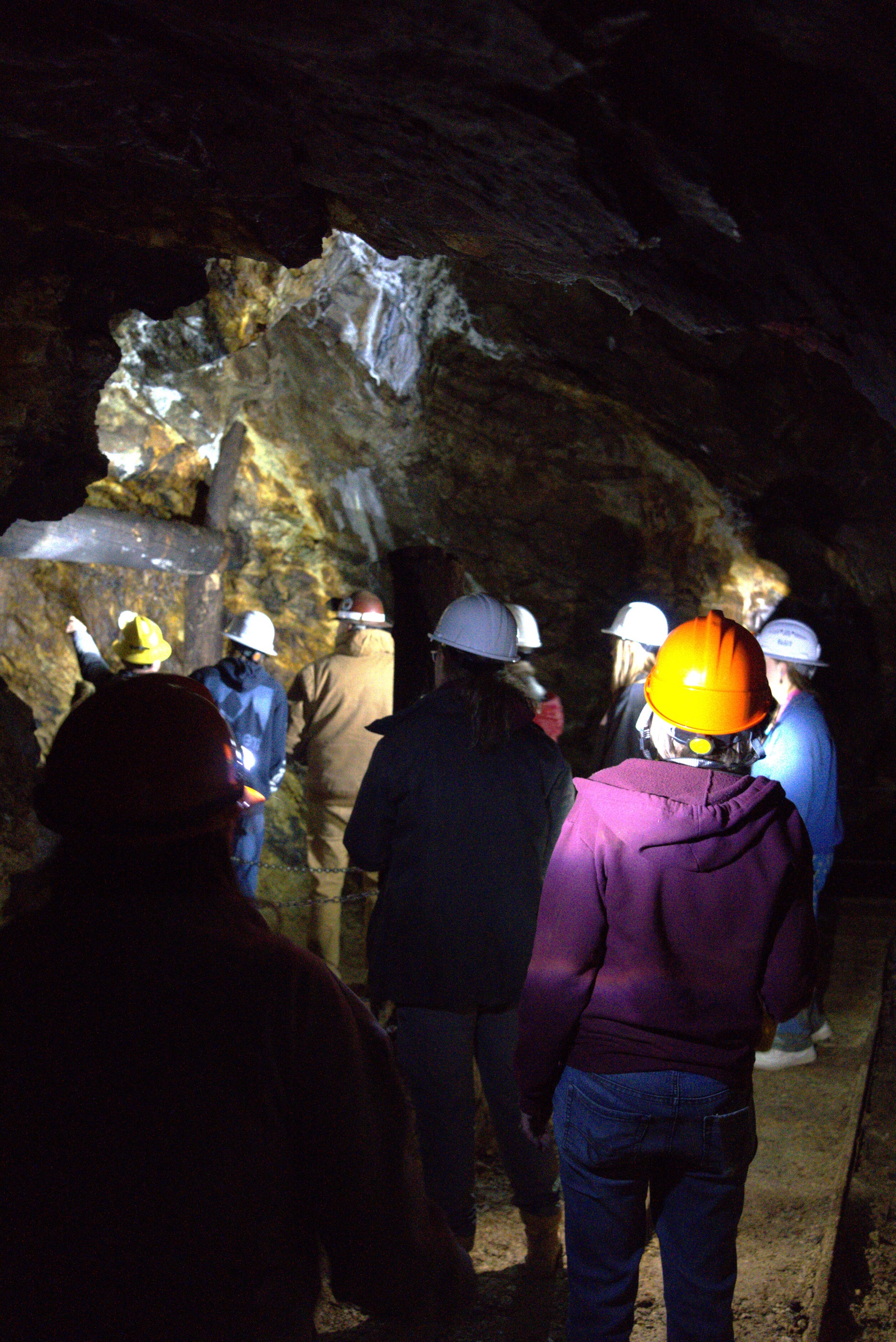 10
10Train
Nestled in the high-forest bowl of the Front Range foothills, Pine offers an unexpectedly rich seam of rail-based experiences—short scenic excursions that thread spruce and ponderosa stands, seasonal holiday rides that feel like a moving storybook, and opportunities to pair slow travel with hiking, fishing, and historic interpretation. This guide focuses on train travel as an intentional way to see the landscape: a measured, sensory mode of movement that accentuates the corridor between mountain communities rather than the rush between them.
Explore train → 11
11Winter Activities
Tucked into a bowl of ponderosa and lodgepole pines along the Highway 285 corridor, Pine transforms in winter from a mellow mountain hamlet into a compact playground for low-elevation, high-scenic snow adventures. Think quiet singletrack for fat bikes, groomed cross-country loops within a short drive, sheltered snowshoe routes that thread open meadows and timbered ridges, and easy-to-reach sledding spots that feel remote even at midday. This guide focuses on the winter activities that work best in Pine’s terrain—accessible, scenic outings that pair well with a day of exploration or a slow weekend escape from Denver.
Explore winter activities → 12
12Rafting
Pine is a compact mountain town whose name hints at the dominant character of the landscape: dense stands of lodgepole and ponderosa pine, steep canyon walls, and short reaches of river that pulse with spring runoff. Rafting here isn’t about epic multi-day whitewater—it's about crisp, intimate runs through forested canyons, seasonal commercial float trips, and the access to nearby stretches that match every appetite from mellow family floats to guided, boulder-strewn rapids. Short drives from Denver and other Front Range communities make Pine a practical day-trip or an easy weekend base for water-focused adventure in the South Platte watershed.
Explore rafting → 13
13Bus Tour
Nestled on a high-forested bench above the South Platte, Pine’s bus tours are less about big-city sightseeing and more about slow, intimate encounters with mountain light, aspen groves, and canyon geology. These guided drives and shuttle-style excursions open access to short trailheads, historic sites, and scenic overlooks—perfect for travelers who want fresh-air adventure without the navigation stress.
Explore bus tour → 14
14Eco Tour
Set among montane conifer forests, riparian valleys, and high meadows, Pine is a small mountain enclave that punches well above its size when it comes to nature-based learning. Eco tours here range from intimate birding and riparian restoration walks to full-day river-ecology floats and ranch-based sustainability experiences. The mix of public forest, private ranchlands, and river corridors makes Pine ideal for guided outings that blend wildlife observation, local history, and hands-on conservation.
Explore eco tour → 15
15Lodging
Tucked into high forest and long ridgelines, Pine is a microclimate of pines, quiet roads, and cabin-friendly clearings. Lodging here favors small-scale character — wood cabins, family-run lodges, and vacation homes that double as basecamps for hiking, mountain biking, and snowshoeing. Expect rustic comfort, strong night skies, and practical considerations like dirt-road approaches and winter access.
Explore lodging →The city and the sea
Why Pine Belongs on Your Adventure Shortlist
Variety without surrendering the day to long transfers.
There is a particular hush that arrives in Pine as the sun drops behind the ramparts of the Front Range — a deep, cool hush that carries the smell of pine pitch and the distant clack of a single train on a passing siding. It’s the kind of place where a walking tour of town feels like a chapter in a longer trip: carved wooden storefronts, a community trail network, and maples that flush in autumn. For outdoor travelers, Pine is best understood not as a single attraction but as a convergence point. Mornings are for hiking the nearby ridgelines and pocket canyons, afternoons for bike tours or a measured set of water activities on slow creeks and nearby reservoirs, and evenings for stargazing or a low-key sightseeing tour of local history. The activity mix here favors close-to-nature, low-impact outings—eco tours and guided nature walks are popular for families and photographers—yet there's also room to crank the pace. Climbers pick through short, technical routes on sun-warmed rock; mountain bikers and those who rent bikes for an afternoon will find singletrack and gravel connectors that feel remote despite their short drives from town. This is a town that scales: beginner hikers can notch short loops that end with a view and a coffee, intermediates can link multiple trailheads for a half-day ridge traverse, and advanced parties can plan full-day pack-outs or technical climbs when conditions allow. Winter activities recast the terrain into a quieter palette—snowshoe and fat-bike access open up new, silent corridors. For travelers who prefer guided logistics, Pine’s outfitters cover everything from shuttle-supported bike tours to whitewater rafting and eco-driven bus tours. For independent travelers, bike rental and self-guided sightseeing routes make it easy to curate your own pace. Ultimately, Pine rewards those who come with a flexible plan: start early to beat crowds on popular walking-tour loops, carry layers for the mountain microclimate, and weave in one local-led eco or historical tour to ground the trip in place and story.
Outfitters and small operators are the connective tissue here. They simplify logistics—shuttles for multi-point hikes and bike tours, raft guides for seasonal whitewater, and local bus or train options for scenic transfers—so you can spend more time outside and less time planning.
Pine works as both a basecamp and a destination. Pair vigorous mornings on climbs or ridge hikes with gentler afternoons: a guided walking tour, a sightseeing drive along the foothills, or a family-friendly raft float. Lodging ranges from rustic cabins to forest-side inns, making it easy to sync your comfort level with the day's adventure.
Conditions shape the day
The best time to visit Pine.
Spring and fall deliver the most comfortable hiking weather; summer warms the high-country and opens opportunities for raft and creek-based water activities but can bring afternoon thunderstorms. Winter offers crisp, clear days ideal for snowshoeing and fat-biking but expect shorter daylight and cold snaps.
Best all-around window
Spring + fall
Comfortable mixed-itinerary weather, thinner crowds at beaches and lookouts, and more room to improvise.
Beach season
Late June through August for warm-weather outdoor activities and holiday weekends.
Surf + whales
Late fall and winter weekdays offer quieter trails and value lodging; use microspikes or snowshoes after early-season snow, and check road access for remote trailheads.
Coast to inland
Cool marine mornings often give way to warmer inland afternoons and breezy evenings.
Beginner
Short, well-marked walking tours and easy loop hikes close to town; mellow water activities on calm reservoirs or guided raft float options.
- Town walking tour and local history stop
- Short forest loop under ponderosa pines
- Gentle paddle on a nearby reservoir with rental gear
Intermediate
Longer ridge hikes, mixed singletrack and gravel bike tours, or eco tours that include moderate elevation gain and route-finding.
- Half-day ridge traverse with scenic overlooks
- Guided bike tour on mixed terrain
- Guided eco tour and watershed walk
Advanced
Technical climbing routes, multi-segment pack hikes, river runs in season, and winter backcountry missions requiring specialized gear and experience.
- Technical granite climbs requiring ropes and gear
- Full-day mountain bike backcountry loop with remote shuttles
- Seasonal whitewater rafting or guided winter mountaineering
Field kit
What to bring.
Pack for sun, salt water, walking, and a meaningful temperature swing between coast and inland Pine.
Essential
Start here
- Layered clothing for mountain microclimates
- Sturdy hiking shoes and traction-ready footwear
- Water (1–2 liters) and high-energy snacks
- Sun protection (hat, SPF 30+, sunglasses)
- Small daypack with basic first-aid and map
Water days
Keep it dry
- Light rain shell and wind layer
- Headlamp for short dusk or dawn missions
- Microspikes if venturing on icy winter trails
- Dry bag for phone and keys during water activities
Long days
Stay flexible
- Binoculars for birding and ridge overlooks
- Compact camera or action cam with float tether
- Portable water filter for longer backcountry loops
Insider note
Start early, then keep the geography tight.
Start early to catch sunrise light and quieter trailheads. After storms, choose gravel connectors and lower-traffic loops to protect fragile soils. If you're sampling water activities, time trips for mid-morning to avoid afternoon gusts; guided rafting runs and eco tours follow local safety protocols and are worth booking on busy summer weekends. For winter visits, carry traction devices and know that some trailheads require a short snowshoe approach. Pack out everything you bring and respect private land—many popular approach roads cross mixed public and private parcels.
Good to know
Frequently asked questions.
Can I do most activities without a guide?
Yes—many walking tours, hikes, and bike rentals are easy to do independently. Choose a guide for technical climbing, whitewater rafting, or if you want local ecological context on an eco tour.
Are rivers and creeks safe for swimming?
Not always. High-elevation streams can be cold and swift in spring and early summer. Swim only in designated or calm areas and obey local signage; guided rafting trips include safety briefings and appropriate gear.
How do I choose between bike rental and a guided bike tour?
Rent a bike if you’re confident navigating local trails and prefer to set your own pace. Pick a guided bike tour for technical singletrack, shuttle logistics, or to learn local trail etiquette and history.
Ready when you are
Find the trip that fits your Pine day.
Compare bookable experiences across the coast, city, and mountains—then save the ones that belong in your plan.
Explore all Pine adventures ↗