
Pepeekeo adventure guide
Find your way into Pepeekeo.
A narrow ribbon of coastline on the Big Island, Pepeekeo pairs fern-draped gullies with shoreline strolls and rare coastal rainforest. This guide stitches together short hikes, boat and sightseeing tours, and salt-scented afternoons so you can plan everything from a sunrise photography tour to a mellow snorkeling or whale-watch outing.
Three ways into the city
Pick a landscape. Build a day around it.
Pepeekeo is less a single destination than a collection of neighboring worlds. Start with the version of the city that matches your pace, then use the ranked guide below to fill in the details.
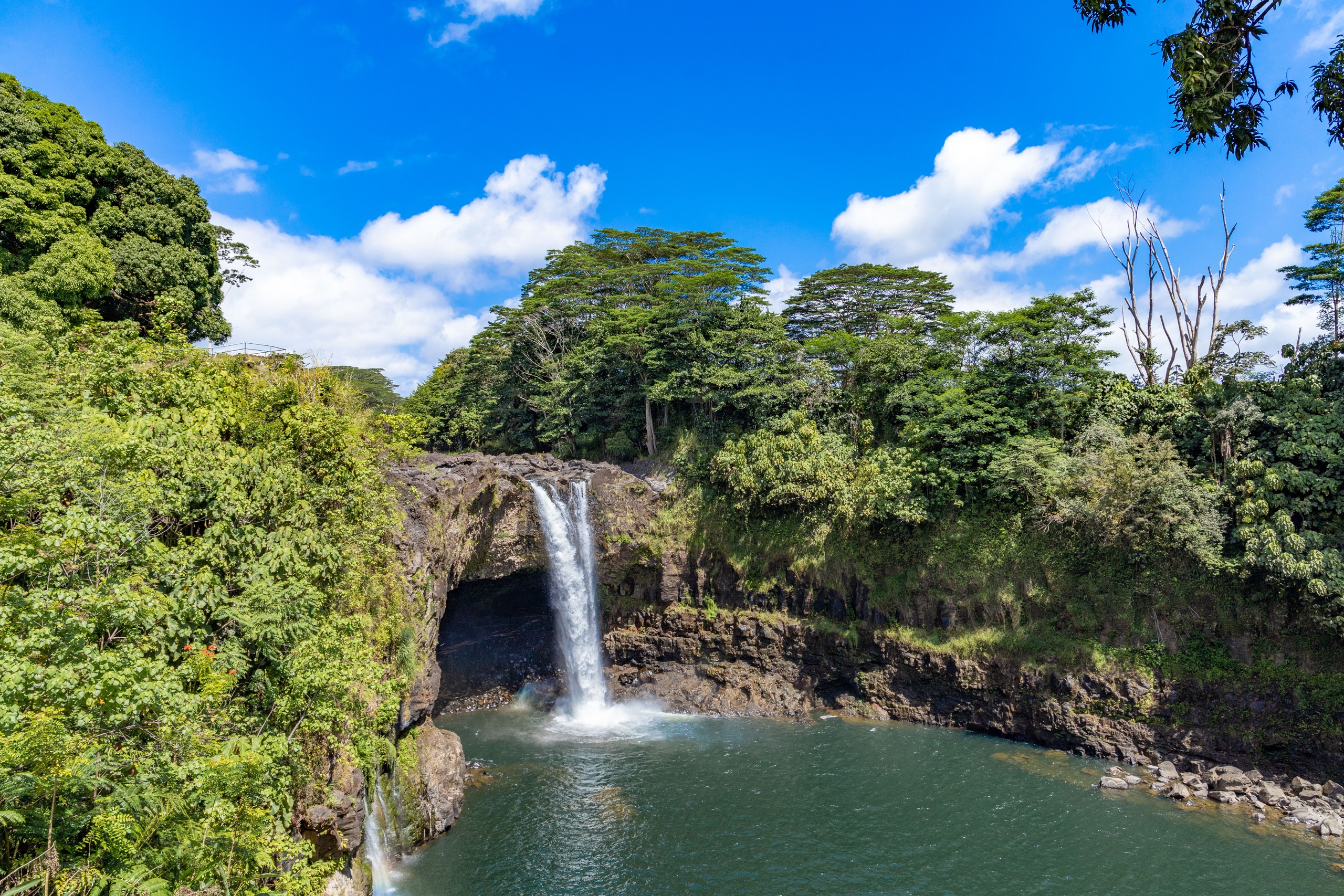
Begin where the city meets the sea.
Surf breaks, sheltered harbors, whale routes, and long beach paths make the coast LA’s most immediate outdoor playground.
Explore water activities →
Let a local connect the landmarks.
Use a guided city, walking, or sightseeing tour to turn LA’s sprawl into a coherent story.
Explore sightseeing tour →Ride the coast and the city.
Beach paths, river corridors, e-bikes, and ridge climbs reveal a more connected Los Angeles.
Explore water activities →Choose your way into Pepeekeo
The top 15 Pepeekeo adventures.
Ranked by the number of currently listed trips. Each panel opens the complete local activity collection.
1Sightseeing Tour
Pepeekeo is a compact ribbon of coast and rainforest where the sensory details of the Hamakua shoreline—the spray of surf, the perfume of plumeria, the sudden hush of a rain shower—shape every sightseeing hour. This guide focuses on curated tours and easy-access experiences: coastal drives that unwind into jungle roadside stops, short guided walks through one of the island’s most celebrated botanical collections, and small-boat or kayak options that put the cliffline and adjacent reefs within view. Expect strong microclimates, intimate cultural encounters, and plenty of short, photo-ready stops that reward travelers who slow down rather than race through.
Explore sightseeing tour →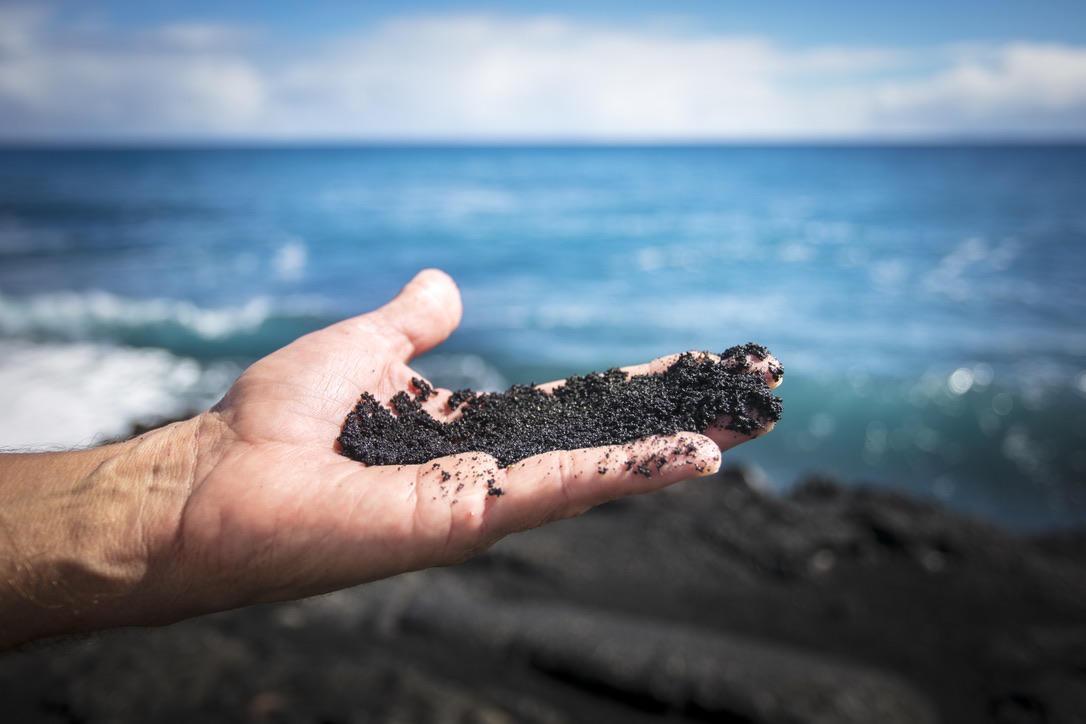 2
2Hiking
Pepeekeo is a compact but verdant doorway to the Hāmākua Coast’s wet‑forest hikes, sea‑spray vistas, and creek‑carved gulches. Trails here lean into the island’s tropical temper, delivering mossy paths, ferned ravines and frequent waterfall rewards within easy reach of Hilo. This guide collects the best single- and half-day hikes, shoreline walks, and quick nature loops—ideal for travelers who want to trade the car window for damp roots, dramatic coastal outlooks, and the hush of ancient ‘āina.
Explore hiking →3Water Activities
Pepeekeo sits on Hawaii Island’s verdant Hamakua Coast where the road meets the sea in a patchwork of rocky shorelines, sheltered coves, and tidepools. Water activity here is intimate and coastal: think dawn swims in glassy coves, shoreline snorkeling at low tide, paddle sessions launched from quiet roadside pullouts, and seasonal whale watching framed by cliffside rainforest. This guide focuses on the distinct coastal experiences that make Pepeekeo a quietly compelling water destination.
Explore water activities → 4
4Boat Tour
Pepeekeo’s shoreline sits where rainforest meets reef, and the best way to read that meeting is from a small boat. Boat tours here are intimate: half-day wildlife cruises, coastal circumnavigations that peer up at basalt cliffs and waterfalls, and snorkel hops onto nearshore reefs. This guide focuses purely on boat-based experiences—what you’ll see, when to go, how to prepare, and complementary adventures to stitch into a water-forward itinerary.
Explore boat tour → 5
5Walking Tour
Pepeekeo condenses the mellow rhythm of old Hawaii into walking routes that move at the pace of footfalls: coastal lanes lined with ironwood and banyan, narrow lanes that recall plantation-era life, and a fingertip of tropical rainforest where orchids cling to cliffs. These walking tours favor the senses—salt, mist, birdsong—over vertical gain, and reward travelers who prefer discovery over speed.
Explore walking tour →Eco Tour
Perched along Hawai‘i Island’s lush Hamakua Coast, Pepeekeo is a compact corridor of coastal rainforest, rocky shorelines, and steep stream valleys that reward slow, curious travel. Eco tours here focus on place-based learning: interpretive coastal walks, botanic and bird-focused excursions, tide-pool explorations, and cultural-land stewardship experiences led by local guides. These outings emphasize quiet observation, restoration work, and connection to Hawaiian cultural practices alongside accessible adventure — ideal for travelers who want to experience Big Island nature with intention rather than speed.
Explore eco tour → 7
7Snorkel
Pepeekeo's narrow ribbon of coastline—where black lava meets emerald jungle—hides some of the most intimate shore snorkel experiences on Hawaii Island. Expect sheltered coves, rocky reef edges, and tide pools that reward a careful eye: vivid reef fish, foraging surgeonfish, and the slow, patient presence of green sea turtles when conditions are calm. This guide focuses on snorkeling opportunities clustered around Pepeekeo and the nearby Hilo coastline—ideal short swims, guided boat access for deeper reef encounters, seasonal considerations, and practical advice to plan safe, low-impact marine adventures.
Explore snorkel →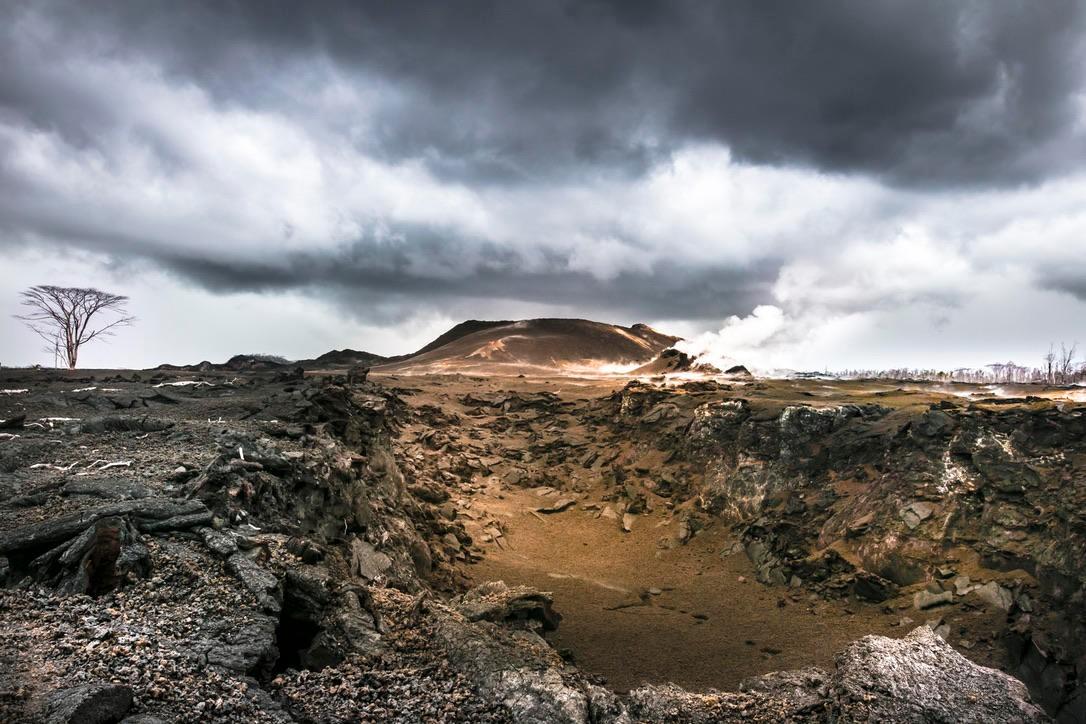 8
8Photography Tour
Pepeekeo is a narrow stretch of the Hāmākua coastline where near-constant moisture, steep lava cliffs, and a network of small bays create a photographer's playground. Expect saturated greens, dramatic waterfalls, tidepools framed by volcanic rock, and light that shifts from golden coastal glow to misty, soft overcast in minutes—perfect for everything from wide-angle seascapes to intimate macro work.
Explore photography tour →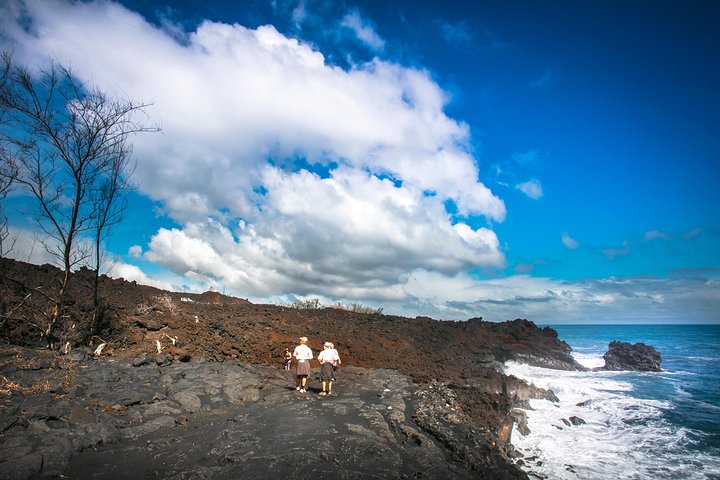 9
9Bus Tour
Pepeekeo sits along Hawaii’s lush Hāmākua Coast, where small-group and narrated bus tours thread narrow coastal roads, waterfall viewpoints, and plantation-era landscapes. These guided rides are ideal for travelers who want a stress-free introduction to the region’s geology, cultural history, and microclimates—complete with photo stops at towering falls, botanical garden detours, and commentary on local ʻāina (land) stewardship.
Explore bus tour → 10
10City Tour
Pepeekeo is not a city in the metropolitan sense — it’s a narrow ribbon of tropical coast and small-town life where the Pacific meets old plantation roads, banyan trees, and roadside fruit stands. City tours here read like a slow, sensual essay: short walking routes through village lanes, interpretive stops at historic sites, and guided drives that stitch together tide pools, botanical corners, and roadside farms. The pace is intimate and pedestrian-friendly; tours are best when they move at the tempo of the island — lingering at lookouts, tasting local fruit, and pausing for the sudden, misty showers that drape the Hamakua cliffs.
Explore city tour → 11
11Scuba
Pepeekeo's coastline reads like an invitation: narrow strips of black lava rock, sudden coral gardens, and surf-sculpted drops that slip into Pacific blue. For scuba divers, this quiet village on the Hilo-facing Hamakua Coast is a low-key gateway to rich reef life, dramatic underwater topography, and clear days that reward careful planning. The dives here favor intimate encounters over commercial spectacle—short boat hops or shore entries that place you among schools of reef fish, curious moray eels, and pockets of hard and soft coral formed on ancestral lava flows.
Explore scuba →Fishing
Pepeekeo carves a quiet, green edge into the Pacific—a place where black lava shelf meets surf, reef gives way to deep blue, and the rhythm of the trade winds sets the tempo for anglers. Fishing here is an intimate mix: surfcasting and rock-lined shore sessions for reef fish, morning launches for nearshore trolling, and access to charters that push the continental slope for pelagic species. This guide focuses on how to read the coast, when to go, and how to plan trips that match your experience—whether you’re casting from the lava, hopping a small-boat, or booking a half-day charter out of nearby harbors.
Explore fishing →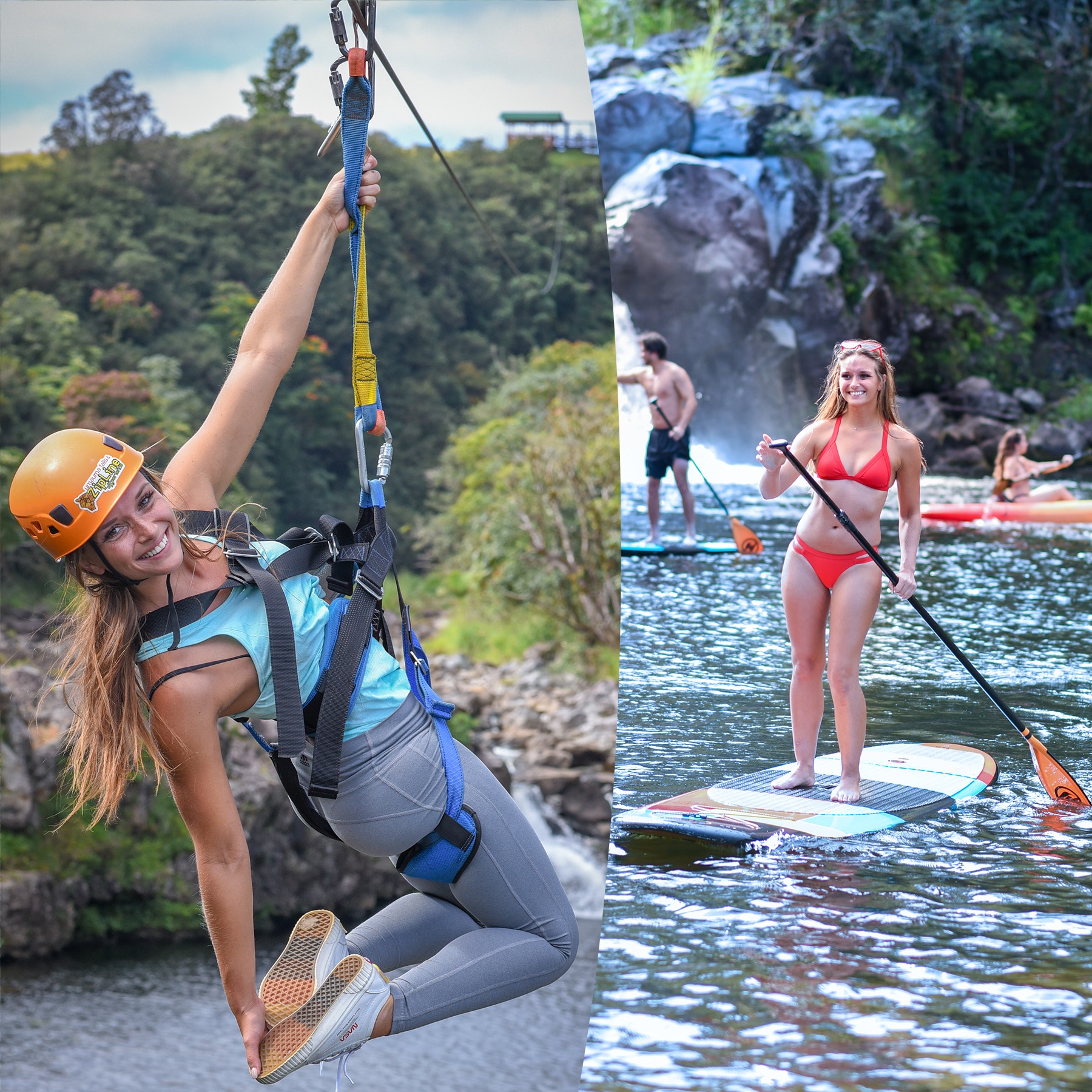 13
13Zipline
Pepeekeo's ziplines thread through the lush fringe of Hilo's windward coast—where steep, waterfall-carved gulches meet the Pacific. Expect runs that skim over verdant valleys, cross ravines choked with fern and ʻōhiʻa, and open onto broad ocean views. This guide focuses on the zipline experience here: the terrain, seasonal weather to watch for, practical packing and accessibility considerations, and how to pair a canopy session with nearby hikes, coastal drives, and waterfall viewpoints.
Explore zipline → 14
14Whale Watch
Perched on the windward flank of Hawaii Island, Pepeekeo is a quietly powerful vantage for the annual humpback migration. From cliffside lookout points and sheltered coves to short boat runs that skirt deep offshore channels, whale watching here blends intimate shore-based encounters with small-boat expedition style tours. This guide focuses on experiences that get you close to breaches, pectoral slaps, and migrating pods while respecting the rhythms of the ocean and local marine protections.
Explore whale watch → 15
15Air Activities
Perched on the verdant Hāmākua coast, Pepeekeo reads like a map built for the air: plunging waterfalls, serrated cliffs, crescent bays, and deep gulches carved by long rain and volcanic time. Air activities here aren’t just about altitude—they're about perspective. Helicopter and small-plane tours thread the coastline and carve into canyon mouths, seaplanes glide past offshore cliffs and reefs, and tandem paragliding or ultralight experiences let you linger above surf and palm-fringed valleys. This guide focuses on what makes flying over Pepeekeo singular—weather windows and wind patterns, visual highlights from the sky, accessibility from nearby Hilo, and how to plan and pack so your aerial day is as smooth on the ground as it is in the air.
Explore air activities →The city and the sea
Why Pepeekeo Belongs on Your Adventure Shortlist
Variety without surrendering the day to long transfers.
Pepeekeo is the type of place that rewards a slow approach: arrive before dawn, and the coast will offer a private show—mist rising from gulches, the distant silhouette of Mauna Kea, and the hush of surf on black lava. Compared with the island’s busy resort corridors, this hamlet on the Hamakua Coast feels quietly curated by nature. Trails thread through a rare coastal rainforest, waterfalls spill toward the sea, and a handful of local outfitters run focused sightseeing tours and eco tours that prioritize intimate encounters over checklist tourism. The practical magic of Pepeekeo is its adjacency. Drive a short, scenic stretch of Highway 19 and you can move from an easy walking tour along the Onomea Bay Trail to a photography tour at the botanical garden, then park for an afternoon of water activities—snorkel or scuba in protected coves or book a boat tour that turns into a whale watch when humpback season arrives. For those who prefer to keep their feet on land, guided walking tours and bus tour options introduce local natural history and Hawaiian cultural context without demanding technical skill. Fishing and small-boat experiences are available for anglers and families, while air activities—helicopter or small-plane excursions from nearby Hilo—offer the sweeping perspective that makes the coastline’s geology click into place. Given Pepeekeo’s compact scale, you can plan layered days: a morning hike or photography tour, a midday swim and snorkel in clear pockets of reef, and an afternoon eco tour that weaves cultural storytelling into botany and shoreline ecology. Crowd pressure is lowest in shoulder seasons—spring and fall—yet the climate here allows for year-round exploration. Practical considerations matter: trail surfaces can be muddy, sun is deceptively strong between clouds, and marine conditions shift with swell and wind. Bring layers, reef-safe sunscreen, and a compact daypack, and you’ll find Pepeekeo is a place that favors curiosity over conquest—an ideal stop for travelers who want to sample hiking, water activities, boat tours, and mindful sightseeing in a single, easily navigable coastal stretch.
Accessibility is a strong suit: short trailheads, roadside pullouts, and a botanical garden with well-maintained paths make it simple to build half-day or full-day itineraries. Local guides and outfitters handle equipment, shuttles, and permits, which is especially useful if you plan to combine snorkeling or scuba with a boat tour.
Pepeekeo’s tempo blends wild and domestic—small farms, neighborhood markets, and a few excellent roadside stands mean you won’t go hungry between outings. The best trip here strings gentle hikes, a photography tour at daybreak, and a late-afternoon whale watch into a single, satisfying day.
Conditions shape the day
The best time to visit Pepeekeo.
Pepeekeo sits on the windward (eastern) side of the island—expect frequent, brief showers and lush, green landscapes. Trade-offs: winter months bring larger surf and better whale-watching conditions; shoulder seasons offer lower crowds and mild water temperatures.
Best all-around window
Spring + fall
Comfortable mixed-itinerary weather, thinner crowds at beaches and lookouts, and more room to improvise.
Beach season
December through March sees higher visitor numbers across the island and the best humpback whale season, increasing demand for boat tours and guided snorkeling trips.
Surf + whales
Late spring and early fall deliver fewer crowds, better availability for guided hikes and photography tours, and often better rates for small-group boat charters.
Coast to inland
Cool marine mornings often give way to warmer inland afternoons and breezy evenings.
Beginner
Short, well-marked trails and guided sightseeing or walking tours are ideal for newcomers and families. Minimal gear required; focus on comfortable shoes and sun protection.
- Strolls in Hawaii Tropical Botanical Garden
- Onomea Bay Trail short loop
- Half-day sightseeing tour and coastal photography session
Intermediate
Longer hikes along coastal ridgelines, multi-stop eco tours, and half-day snorkel or fishing trips that require basic stamina or comfort in open water.
- Guided eco tour combining shoreline and forest
- Snorkeling trips to nearby sheltered coves
- Half-day boat tour with sightseeing and possible whale watch
Advanced
Technical scuba dives, multi-day coastal exploration, or private air activities to remote parts of the island. These require certified skills, advanced planning, or specialized guides.
- Certified scuba dives on offshore reefs
- Private fishing charter for deep-water angling
- Helicopter air activities for aerial exploration and remote-access landings
Field kit
What to bring.
Pack for sun, salt water, walking, and a meaningful temperature swing between coast and inland Pepeekeo.
Essential
Start here
- Reef-safe sunscreen and sunhat
- Light waterproof jacket for quick coastal showers
- Sturdy trail shoes or grippy sandals for wet rock
- Daypack with water, snacks, and a small first-aid kit
- Waterproof phone case or dry bag
Water days
Keep it dry
- Snorkel mask and fins (or confirm rental availability)
- Light layers for early-morning breezes
- Compact tripod and polarizing filter for photography tours
- Insect repellent for early-morning forest sections
Long days
Stay flexible
- Fishing license and basic tackle for anglers
- Binoculars for birding and whale watching
- Floatation device or reef shoes for swell-prone shore entries
Insider note
Start early, then keep the geography tight.
Start early to beat roadside crowds and to catch the best light for photography tours. After rain, prefer hardened paths and boardwalks to limit erosion on softer singletrack. Use reef-safe sunscreen and avoid stepping on coral when snorkeling or scuba diving. For boat tours and whale watches, choose small-group operators focused on respectful viewing; for fishing, check licensing requirements and seasonal closures. Finally, support local vendors—roadside produce stands, small cafes, and local guides—which keeps the community connected to sustainable tourism.
Good to know
Frequently asked questions.
Can I do most activities without a guide?
Yes for short hikes, the botanical garden, and casual beach snorkeling in calm conditions. Opt for a guide for scuba, remote boat tours, fishing charters, or technical coastal access to learn safety and local cultural context.
When is whale watching season?
Humpback whale season generally runs from December through April; book boat tours early in peak months to secure space on the best operators.
Are trails suitable for families?
Many paths—like those in the botanical garden and the Onomea Bay Trail—are family-friendly. Some coastal trail segments can be uneven or slippery; supervise children and wear appropriate footwear.
Ready when you are
Find the trip that fits your Pepeekeo day.
Compare bookable experiences across the coast, city, and mountains—then save the ones that belong in your plan.
Explore all Pepeekeo adventures ↗