
Pauma Valley adventure guide
Find your way into Pauma Valley.
A pocket of sun-baked orchards, rolling chaparral, and low-slung ridgelines, Pauma Valley feels like the desert and the coast folded together. Days here move to a different tempo: mornings spill cool and clear across avocado groves, noon slides into lazy vineyard tastings and river-side picnics, and late afternoons soften into long, golden light over the hills. Use this guide to stitch together short hikes, wildlife spotting, calm water outings, and cultural detours—water activities and boating options are the headline pulls, but there is also wildlife viewing along creek corridors, walking tours of local history, and easy city- and sightseeing-style loops that pair well with a winery stop. Whether you’re chasing a sunrise balloon silhouette against Palomar or an afternoon on a rented skiff, this list balances small-scale adventure with practical, day-ready planning.
Three ways into the city
Pick a landscape. Build a day around it.
Pauma Valley is less a single destination than a collection of neighboring worlds. Start with the version of the city that matches your pace, then use the ranked guide below to fill in the details.

Begin where the city meets the sea.
Surf breaks, sheltered harbors, whale routes, and long beach paths make the coast LA’s most immediate outdoor playground.
Explore water activities →
Let a local connect the landmarks.
Use a guided city, walking, or sightseeing tour to turn LA’s sprawl into a coherent story.
Explore boat tour →
Ride the coast and the city.
Beach paths, river corridors, e-bikes, and ridge climbs reveal a more connected Los Angeles.
Explore wildlife →Choose your way into Pauma
The top 15 Pauma Valley adventures.
Ranked by the number of currently listed trips. Each panel opens the complete local activity collection.
1Water Activities
Pauma Valley's water experiences are intimate rather than vast: seasonal creeks tucked beneath live oaks, swimming holes cut into granite, and nearby reservoirs and mountain streams that shape a quiet, sunlit palette of water-based recreation. This guide focuses on the valley's best ways to move through, cool off in, and appreciate its waterways—tubing seasonals, fly-fishing pockets, creekside wades, and nearby paddle sessions—framed by local history, hydrology, and practical planning.
Explore water activities →2Boat Tour
Pauma Valley’s boat tours are a quieter alternative to Southern California’s coastal flotillas: slow, contemplative excursions across inland waters framed by agricultural terraces, oak-covered hills, and the long light of the valley. Expect guided naturalist outings, private charters, and self-powered options that prioritize wildlife viewing, sunset cruises, and easygoing time on the water.
Explore boat tour → 3
3Scuba
Pauma Valley is inland citrus and avocado country, but for divers it functions as a quiet staging ground: a place to sleep, tune gear, and drive an hour to Southern California’s productive nearshore reefs and kelp forests. The dives most accessible from Pauma range from sheltered shore entries in La Jolla and south San Diego to boat runs that reach kelp forests, wrecks, and island walls off Catalina. Visibility, species mix, and conditions vary—expect endemic marine life like garibaldi, kelp forests thick with stipes and fronds, schooling fish, and the seasonal spectacle of leopard sharks and sea lions along the coast.
Explore scuba →4Wildlife
Pauma Valley is a stitched landscape of oak savanna, river corridor, seasonal wetlands and working ranchland where wildlife moves between cover and forage in plain sight. This guide focuses on where to look, when to go, and how to plan responsible, high-return wildlife outings—whether you came for birding, mammal spotting, vernal-pool season, or sunset predator watches.
Explore wildlife → 5
5Sightseeing Tour
Pauma Valley is a quiet pocket of rolling hills, orchard-lined roads, and ranchland views that reward slow travel and curious eyes. This guide focuses on sightseeing tours—scenic drives, vineyard and olive grove visits, cultural and wildlife-focused outings, and approachable field-to-table experiences that showcase the agricultural and cultural character of the valley. Expect golden light, low traffic, and chances to pair roadside panoramas with short walks, tasting experiences, or a stop at a mountaintop overlook.
Explore sightseeing tour → 6
6Boat Rental
Pauma Valley’s version of boating is intimate rather than epic: think early-morning kayak glides across still water, quiet fishing runs in a small motorboat, and stand-up paddleboard sunsets framed by oak-stippled hills. The valley sits inland from the coast, where reservoirs and managed lakes create pockets of calm water for rental craft. This guide focuses on the practicalities of renting and using boats here—what the water feels like, how to plan around seasonal levels and tribal access, and how to pair a day on the water with nearby hiking, birding, and wine-country detours.
Explore boat rental → 7
7Bus Tour
Pauma Valley’s bus tours stitch together slow-rolling agricultural landscapes, low ridgelines, and a patchwork of boutique wineries, family farms, and tribal cultural sites. These guided drives transform a short drive into a curated story—stops for tastings and farm-to-table bites, panoramic pullouts for photos, and seasonal experiences like avocado blossom and grape harvest. Bus tours in Pauma are less about long coach transfers and more about close-up familiarity: easy access to private vineyards, informative stops that decode local land stewardship, and options to pair with hikes, horseback rides, or a day in nearby Temecula.
Explore bus tour → 8
8Walking Tour
Pauma Valley's walking tours trade dizzying summit views for a quieter kind of immersion: citrus-scented lanes, oak-studded ridgelines, and low-traffic country roads where the scale is human and the story is layered—ranchland, Indigenous history, and boutique farms. These walks favor discovery over conquest: short guided village strolls, vineyard and olive grove loops, wildlife-friendly creekside meanders, and interpretive cultural walks that anchor the landscape to the people who steward it.
Explore walking tour → 9
9Sailing
Sailing from Pauma Valley is less about long ocean passages and more about tailoring wind, water, and season into purposeful, local experiences—flatwater practice sessions on inland reservoirs, dawn catboat loops in sheltered coves, and quick drives to coastal harbors for full-sail ocean days. This guide focuses on how to find the right kind of sail near Pauma Valley, when to go, and how to combine small-boat instruction and calm-water practice with nearby coastal charters when you want bigger water and steadier sea breezes.
Explore sailing → 10
10Balloon
Float above citrus groves, rolling hills and patchwork vineyards as the morning unfurls—a hot-air balloon in Pauma Valley is less a thrill ride and more a deliberate unraveling of landscape. Pilots lift at first light to chase laminar air and low winds, giving passengers a long, quiet drift measured in light and scent: eucalyptus on the breeze, the sweet tang of orchard blossoms, and the muted clink of a distant ranch. This guide focuses on ballooning itself—sunrise flights, champagne landings, photography-centric trips, and tethered demos—while pointing toward related experiences that make Pauma Valley an easy overnight escape: nearby wine-tasting, ranch stays, and gentle trail hikes for post-flight stretching.
Explore balloon → 11
11Surf
Pauma Valley sits inland among citrus groves and rolling hills, but it functions like a surf suburb: quiet mornings here can turn into glassy dawn sessions on nearby North County beaches within a 30–60 minute drive. This guide maps surfable breaks accessible from Pauma Valley, explains seasonality and tides, and distills practical planning tips—whether you’re chasing a mellow longboard cruise or a hollow point reef break.
Explore surf →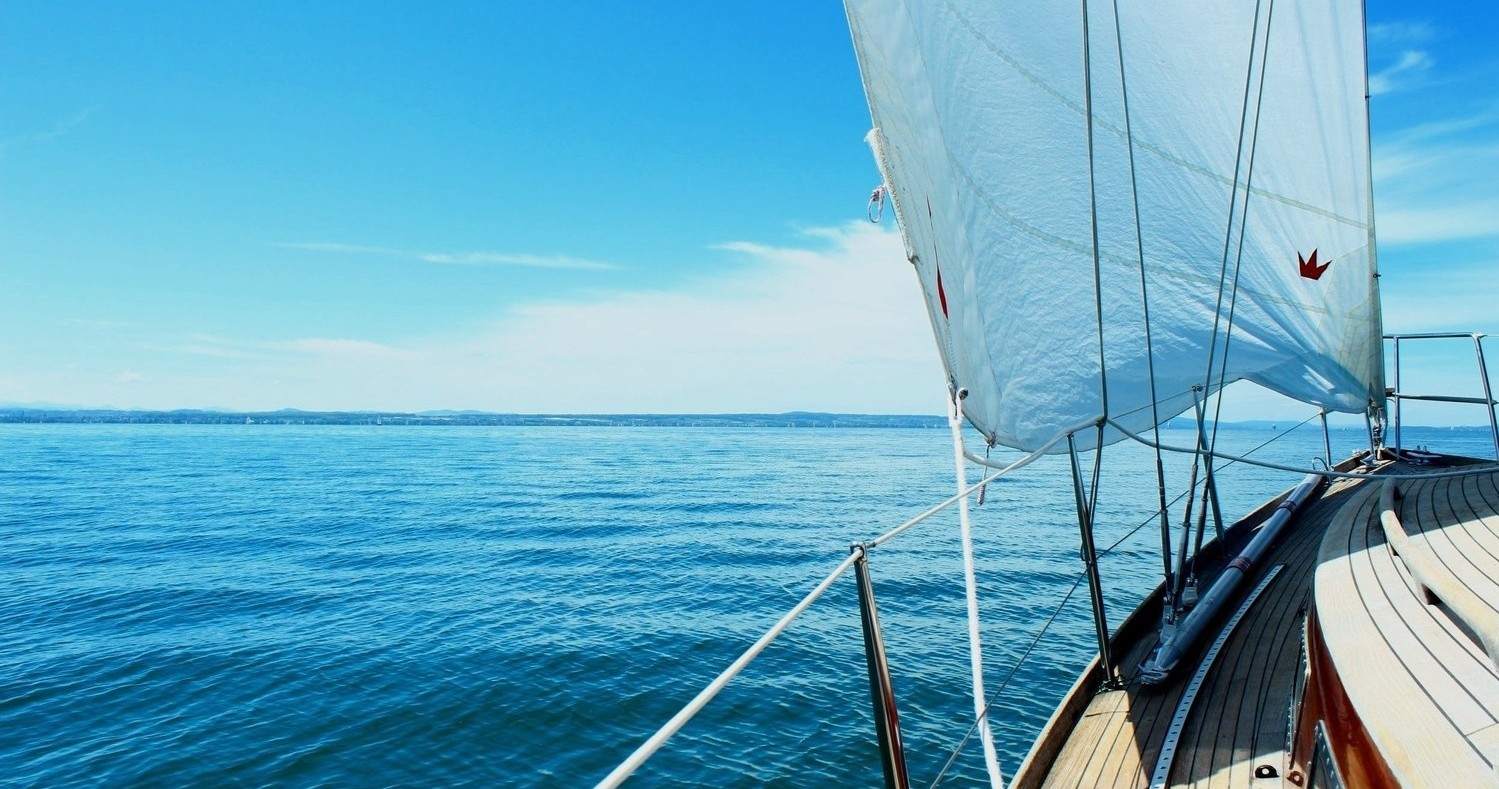 12
12Dolphin
Pauma Valley sits inland amid rolling chaparral and avocado groves, but its best wildlife stories begin at the coast a short drive west. Dolphin encounters are some of the most accessible marine adventures for travelers based in Pauma: morning wildlife cruises from nearby harbors, small-group kayak and paddleboard trips in sheltered coves, and offshore charters that follow feeding pods into the blue. This guide focuses on dolphin-specific experiences that pair observation ethics with easy logistics for day trips from Pauma Valley.
Explore dolphin → 13
13Eco Tour
Pauma Valley folds quiet agricultural terraces, oak-studded hills, and riparian corridors into a compact patchwork that rewards slow, curious travel. Eco tours here are intimate—small-group walks through preserved woodlands, guided farm visits that pair ecology with harvest season, and culturally informed outings that foreground native stewardship. For travelers who prefer listening to the landscape over ticking off landmarks, Pauma's eco experiences are a model of low-impact, locally rooted exploration.
Explore eco tour → 14
14Zoo
Pauma Valley doesn't read like a traditional zoo destination — it reads like a slow, observant conversation with the animals that live where ranchland, chaparral, and tribal stewardship meet. The 'zoo' experience here is intimate, often outdoors, and centered on sanctuaries, animal education programs, rescue-and-rehab projects, and farm visits that bring you close to birds, small mammals, and the region's rich birdlife. For a classic zoo day, nearby regional institutions like the San Diego Zoo Safari Park sit within easy driving range and pair well with half-day wildlife tours and cultural stops in Pauma.
Explore zoo → 15
15City Tour
Pauma Valley is a small, sun-drenched ribbon of rural community tucked between Palomar’s oak-strewn ridges and the broader vineyards of Temecula. City tours here are less about skyscrapers and more about slow drives down country lanes, short walking loops through farm stands and tasting rooms, and cultural stops that reveal Luiseño history. Expect tactile, sensory experiences—citrus and lavender in the air, low-slung ranch architecture, and roadside signs for local artisans—plus easy connections to hiking, horseback riding, and wine-country day trips.
Explore city tour →The city and the sea
Why Pauma Valley Belongs on Your Adventure Shortlist
Variety without surrendering the day to long transfers.
Pauma Valley is one of those rare Southern California places that feels both intimate and expansive. Surrounded by the Palomar foothills, the valley opens onto broad skies and a patchwork of citrus, avocado, and olive groves where dust roads lead to unexpected access points: a quiet creek ambled by songbirds, a small marina for gentle water activities, or a tucked-away trail that climbs to a view of the sea on a clear day. The valley’s human story—ranching, indigenous Luiseño heritage, and a growing craft wine and olive oil scene—gives texture to each outing. Start the day with a brisk walking tour through a historical property or a short hike to a ridge with distant ocean glimpses; by midday, swap boots for a boarding around a sheltered cove or an easy boat rental for a slow, reflective float. What distinguishes Pauma is scale. This isn’t a place for long, technical traverses; it’s for stacking accessible experiences that feel cinematic: a balloon ride over sun-warmed fields at dawn, an afternoon scouting for wildlife along riparian corridors, an evening taste-testing at a boutique winery while the sky cools. That makes it excellent for families who want gentle water and wildlife options, for couples combining sightseeing and tasting, and for solo travelers looking to disconnect without committing to a multi-day backpack. The valley’s trails and waterways invite a curious kind of travel—less about ticking off strenuous peaks and more about slowing down and savoring the small scenes: herons in a marsh, the low rumble of a distant ATV on a ranch road, the way the trough of a valley collects the last light. Practically, Pauma works well as a base for short, varied days. Outfitters in nearby Temecula and North County simplify boat rentals, guided eco- or wildlife tours, and equipment for paddle or surf practice on calmer water. For photographers and birders the patchwork of habitats—from lowland creek to oak-studded slopes—creates a concentrated corridor of species and light. Seasonally, spring and fall are the clearest windows for comfortable hiking and paddling, while summer mornings remain excellent for early starts before inland heat builds. Above all, Pauma rewards unhurried itineraries: plan short activity blocks—an hour of stand-up paddling, a two-hour wildlife walk, an afternoon winery stop—and you’ll leave with the feeling of having lived several small adventures in a single day.
Access is straightforward: a short drive from coastal San Diego counties and inland freeways places trailheads, vineyards, and river put-ins within easy reach. Local outfitters provide rentals and guided trips, which helps with logistics for water activities, boat rental, and eco tours.
The valley pairs rural calm with cultural curiosity—seasonal farmer’s markets, small tasting rooms, and occasional walking and sightseeing tours add local flavor between outings. Use Pauma as a gentle hub from which to day-trip to Palomar Mountain or the broader Temecula wine region.
Conditions shape the day
The best time to visit Pauma Valley.
Pauma Valley enjoys a Mediterranean climate—mild, wet winters and warm, dry summers. Spring and fall offer the most comfortable temperatures for hiking, paddling, and outdoor touring; summer mornings are excellent for early activities before inland heat peaks.
Best all-around window
Spring + fall
Comfortable mixed-itinerary weather, thinner crowds at beaches and lookouts, and more room to improvise.
Beach season
Late spring and fall—weekends around harvest and wine-tasting events may see higher visitation; book guided tours and tastings ahead.
Surf + whales
Winter weekdays are quieter and can offer good value for lodging and guided outings; some water activities may be chillier but still accessible on mild days.
Coast to inland
Cool marine mornings often give way to warmer inland afternoons and breezy evenings.
Beginner
Short, well-marked trails, mellow paddles on sheltered water, and easy walking tours—low commitment with big scenery.
- Short riparian walks for birding and wildlife viewing
- Gentle stand-up paddle session on a calm reservoir or slow creek
- Leisurely winery tasting and a local walking tour
Intermediate
Longer loops, modest elevation gain, mixed-terrain hikes, and self-guided boat or SUP rentals on lakes and slow rivers.
- Ridge hike to panoramic viewpoints near Palomar foothills
- Half-day boat rental exploring shoreline coves and wildlife
- Guided eco tour focused on local flora and fauna
Advanced
Full-day traverses, technical singletrack on nearby mountains, or multi-activity days combining ballooning, hiking, and coastal outings requiring planning.
- Full-day Palomar Mountain ridgeline loop
- Multi-stop day combining a morning balloon flight, midday hike, and evening winery tasting
- Guided wildlife and photo expedition focused on rare species and remote access
Field kit
What to bring.
Pack for sun, salt water, walking, and a meaningful temperature swing between coast and inland Pauma.
Essential
Start here
- Light layers—mornings can be cool, afternoons warm quickly
- Sun protection (wide-brim hat, SPF 30+, sunglasses)
- Sturdy trail shoes or hiking sandals for creek-side walks
- Reusable water bottle and snacks
- Phone with offline map or a paper map for rural roads
Water days
Keep it dry
- Dry bag for water activities and boat rentals
- Binoculars for wildlife and birding
- Light rain shell in spring or brief coastal-influenced storms
- Small daypack for lunch and layers
Long days
Stay flexible
- Action camera with a float tether for boat or paddle sessions
- Compact tripod or fast lens for wildlife and low-light winery shoots
- Portable cooler for picnic-style tastings
Insider note
Start early, then keep the geography tight.
Start early—Pauma’s best light and cooler temperatures arrive at dawn. If you’re booking water activities or a boat rental, reserve morning slots to avoid heat and afternoon winds. For wildlife viewing, target low-angle light near creeks and avoid noisy approaches; binoculars and a quiet mindset pay off. Pair a walking tour with a tasting room visit for a balanced day. After rain, stick to established trails and avoid soft, muddy roads to protect sensitive terrain. Lastly, if you’re making a coastal add-on for scuba or dolphin watching, plan logistics the day before—drive time and port access are best handled with a buffer.
Good to know
Frequently asked questions.
Can I do most activities without a guide?
Yes—many short hikes, walking tours, and basic water activities can be done independently. Use a guide for specialized boating, eco tours, or unfamiliar waterways to ensure safety and local insight.
Are there scuba or dolphin trips directly from Pauma Valley?
No—scuba and dolphin-watching trips operate from coastal ports. Pauma is a convenient inland base for pairing a land-based day with a coastal boating excursion.
Is Pauma Valley family-friendly?
Yes. The valley’s easy walks, calm water options, and tasting rooms make for a relaxed family itinerary. Choose shorter loops and guided boat rentals for younger children.
Ready when you are
Find the trip that fits your Pauma Valley day.
Compare bookable experiences across the coast, city, and mountains—then save the ones that belong in your plan.
Explore all Pauma Valley adventures ↗