
Paʻaʻa adventure guide
Find your way into Paʻaʻa.
Tucked into a shoreline that feels like a private postcard, Paʻaʻa is an island microcosm built for water-forward travel. From boat tours that thread sea caves to surf breaks that test and teach, this is a place where snorkeling, scuba, kayaking, sailing, and stand-up paddleboarding all compete for daylight. Mix in hiking ridgelines, eco tours, photography stops, and seasonal whale and dolphin watching and you’ve got a compact bucket-list of ocean-first adventures.
Three ways into the city
Pick a landscape. Build a day around it.
Paʻaʻa is less a single destination than a collection of neighboring worlds. Start with the version of the city that matches your pace, then use the ranked guide below to fill in the details.

Begin where the city meets the sea.
Surf breaks, sheltered harbors, whale routes, and long beach paths make the coast LA’s most immediate outdoor playground.
Explore water activities →
Let a local connect the landmarks.
Use a guided city, walking, or sightseeing tour to turn LA’s sprawl into a coherent story.
Explore boat tour →
Ride the coast and the city.
Beach paths, river corridors, e-bikes, and ridge climbs reveal a more connected Los Angeles.
Explore bike tour →Choose your way into Paʻaʻa
The top 15 Paʻaʻa adventures.
Ranked by the number of currently listed trips. Each panel opens the complete local activity collection.
1Water Activities
Paʻaʻa compresses a remarkable variety of ocean experiences into a compact stretch of Hawaiian shoreline: glassy snorkeling flats, reef-fringed swims, paddle-friendly coves, and shorebreaks that charge when the swell lines up. This guide drills into the water-based adventures that define the place—what the sea feels like, when to go, and how to plan each outing with safety and respect for fragile marine ecosystems.
Explore water activities →2Boat Tour
From low-slung reef edges to vertical lava cliffs, Paʻaʻa’s shoreline reads like a seafarer’s field guide. Boat tours here shrink distance between land and sea, delivering encounters with coral gardens, sea caves that breathe with the tide, and the occasional spout of a migrating whale. Whether you’re on a sunrise wildlife cruise, a snorkel-focused zodiac run, or a private charter that keys off into lesser-traveled coves, Paʻaʻa’s boat-based experiences are the fastest way to read the coastline, learn the local currents, and access marine life that’s otherwise impossible from shore.
Explore boat tour → 3
3Snorkel
Paʻaʻa is a small Hawaiian coastal enclave where volcanic rock meets clear, shallow reef flats. Snorkeling here emphasizes intimate encounters with reef fish, sea turtles, and pocketed coral gardens accessed from sheltered coves and easy shore entries. This guide focuses on how to read the sea, choose the right entry, and plan for the conditions that make Paʻaʻa a repeatable and restorative snorkeling destination.
Explore snorkel → 4
4Surf
Paʻaʻa is a compact coastal enclave where glassy morning walls and wind-scoured afternoon lines share reef shelves and sandy paddling zones. This guide focuses on surfing here—where conditions can flip from forgiving summer rollers to winter swells that demand experience and respect. Expect a strong local surf identity, varied breaks for every skill level, and easy access to complementary ocean activities like snorkeling, SUP, and coastal hikes.
Explore surf → 5
5Sightseeing Tour
Paʻaʻa's sightseeing tours thread together a coastline of jagged lava, sheltered bays, and patchwork agricultural terraces with a quieter, local pulse that feels removed from the island postcard crowds. Tours here range from short guided walks through historic village centers to boat cruises that skirt sea cliffs and reveal marine life below the surface. Expect a sensory mix—salt air, bright greens, and the steady undercurrent of Hawaiian history—delivered in half-day jaunts and relaxed full-day excursions designed for photographers, families, and curious travelers alike.
Explore sightseeing tour → 6
6Whale Watch
Paʻaʻa sits where deep island slopes meet broad nearshore shoals—a meeting place that funnels migrating humpbacks and shapes one of Hawaii’s most reliable whale-watching seasons. This guide focuses on how to experience those encounters responsibly: from short shore vigils at sunrise to full-day boat runs, plus nearby excursions that pair perfectly with a day on the water.
Explore whale watch → 7
7Scuba
Paʻaʻa’s underwater edges feel like a secret that refuses to stay quiet. Off its volcanic shoreline, a patchwork of lava fingers, coral gardens, and steep drop-offs hosts an energetic mix of reef fish, turtles, and seasonal megafauna. This guide focuses tightly on scuba in Paʻaʻa—where to go, what to expect, and how to plan dives that balance safety with discovery. Whether you’re a certified open-water diver wanting easy shore entries or a seasoned tech diver drawn to dramatic walls and current-run drift routes, Paʻaʻa serves a compact, wildly scenic playground that pairs flawlessly with snorkeling, freediving, and short coastal hikes.
Explore scuba → 8
8Hiking
Paʻaʻa compresses the elemental contrasts of Hawai‘i into short drives and even shorter hikes: volcanic rock and green jungle, sea-spray ridgelines and fern-carpeted gulches. This guide focuses on hiking experiences—day trips, steep ridgeline scrambles, and gentle coastal walks—giving practical advice for seasons, terrain, and multi-activity days that blend trail time with swimming, snorkeling, and cultural stops.
Explore hiking → 9
9Eco Tour
Paʻaʻa is a quiet, biodiverse pocket of Hawai‘i where coastal reefs, taro terraces, and windward valleys meet a long tradition of stewardship. Eco tours here focus less on adrenaline and more on knowledge—guided reef walks, forest restoration hikes, cultural stewardship visits, and citizen-science snorkeling sessions that reveal the island’s fragile interdependence. This guide lays out what to expect, when to go, and how to prepare for meaningful, low-impact nature experiences.
Explore eco tour → 10
10Photography Tour
Paʻaʻa compresses a surprising variety of Hawaiian scenery into a small radius: jagged sea cliffs, sheltered coves, fern-dark valleys, and lava-sculpted black sand. Photography tours here focus on light and timing—sunrise over rocky headlands, mist-filled gulches at golden hour, and long-exposure surf shots under a changing sky—guided by local knowledge of tides, access, and cultural sensitivity.
Explore photography tour → 11
11Kayak
Paʻaʻa’s waterborne rhythm is intimate and immediate: turquoise shallows that shiver with reef life, narrow inlets framed by lava cliffs, and the steady breath of Pacific trade winds. Kayaking here compresses oceanic scale into manageable, unforgettable excursions—half-day paddles to secret coves, sea-cave runs, and reef snorkeling from your kayak. This guide focuses on how to plan paddles, when the water is most forgiving, and which experiences pair best with hiking, snorkeling, and coastal culture in and around Paʻaʻa.
Explore kayak →Sailing
Paʻaʻa is a coastal pocket where trade winds and shoreline variety create a singular playground for sailors: short coastal hops, multi-day island runs, sheltered bay daysails, and blue-water passages are all within reach. This guide curates 41 sailing experiences—charters, instruction-centric excursions, racing weekends, and expedition-style cruises—designed for crews who want both the poetry of the ocean and the clear, pragmatic know-how to plan a safe, memorable trip.
Explore sailing →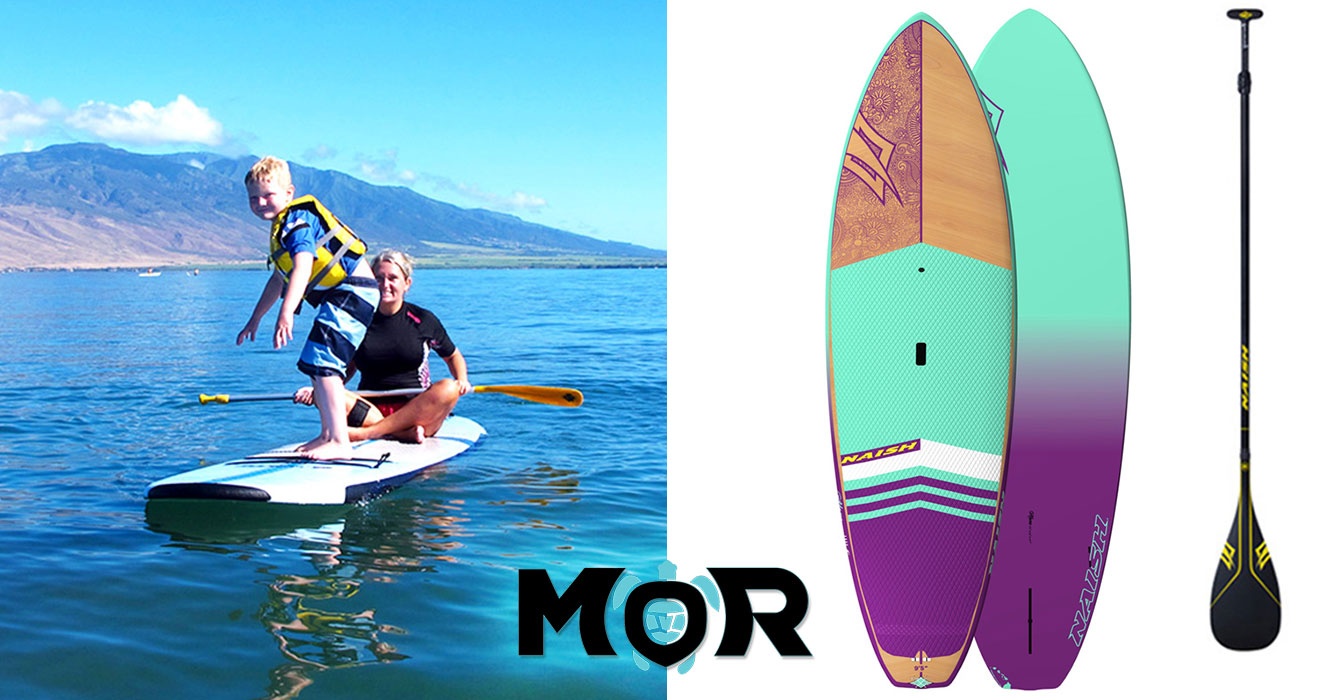 13
13SUP
Paʻaʻa is a stand‑out place to stand up: sheltered coves, reef‑guarded channels, and glassy mornings make this small Hawaiian coastal hub ideal for SUP paddlers of all stripes. From serene flatwater tours past native wetland birds to adrenaline‑tinged downwind runs on seasonal trade winds, Paʻaʻa offers an approachable yet varied paddling palette that pairs easily with snorkeling, coastal hikes, and cultural site visits.
Explore sup →14Bike Tour
Paʻaʻa condenses the pleasures of Hawaiian cycling into short slices of coastline, cane roads, and dramatic shoreline vistas. Whether you’re carving mellow seaside lanes, exploring former plantation routes, or taking an e-bike for a leisurely cultural loop, Paʻaʻa’s compact landscape makes bike touring accessible, scenic, and deeply transportive.
Explore bike tour → 15
15Dolphin
Paʻaʻa’s turquoise bays and sheltered fringing reefs make this stretch of the Hawaiian coast one of the most intimate places to see dolphins. From dawn acoustic choruses to lazy afternoon bow-rides, dolphin experiences here range from low-impact shore viewing to guided kayak and small-boat trips that prioritize respectful distances and clear interpretation. This guide focuses on how to plan, what to expect, and how to pair a dolphin outing in Paʻaʻa with other marine activities like snorkeling, stand-up paddleboarding, and coastal hikes.
Explore dolphin →The city and the sea
Why Paʻaʻa Belongs on Your Adventure Shortlist
Variety without surrendering the day to long transfers.
Paʻaʻa arrives not as a single attraction but as a collection of edges—reef edges, shoreline edges, and the thin seam where island geology meets ocean. The first thing you notice is how quickly the landscape changes: a morning paddle past glittering tidepools becomes an afternoon surf lesson on a friendly break, and by evening photographers are trading notes over the light as it slants across volcanic cliffs. That variety is no accident. Paʻaʻa sits at a crossroads of currents and culture, where boat tours and sailing excursions map out the swell lines and hidden bays while snorkel and scuba trips thread into coral gardens that bloom with color and life. Whale-watch seasons turn the horizon into a slow, breathing theater; dolphin encounters punctuate calm mornings with kinetic grace. There’s a practical rhythm to getting the most from Paʻaʻa. Start with water: a gentle SUP or kayak tour gets you comfortable with local wind patterns and puts you in range of the reefs and coves you’ll want to return to. From there, a guided snorkel or introductory scuba dive opens up an undersea world that’s best explored with a local’s eye for currents and reef etiquette. If you prefer landward adventures, short coastal hikes and eco tours deliver context—native flora, ancient heiau, and vantage points that are ideal for photography tours. Bike routes follow quieter roads into pineapple-country turns and coastal overlooks, while outfitters around town make it simple to combine a morning surf session with an afternoon boat trip for whale watching or dolphin sightings. Paʻaʻa’s appeal is both immediate and cumulative. Solo travelers can stitch a day out of a kayak trip, a snorkel stop, and a sunset walk; families can lean on accessible boat tours and sheltered beaches for safe, age-friendly days; experienced sea-goers will find challenging surf, open-water sailing, and multi-day liveaboard-style outings that push farther from shore. Practical details matter: tides and trade winds shape every plan, so local guides and tide charts are worth their weight. Likewise, the best shorelines for swimming are not always the most photogenic—pay attention to posted safety info and ask guides about currents and reef conditions. When you get it right, Paʻaʻa rewards a deliberate approach: short travel distances between activities, consistently warm water, and a pace that lets you sample many of the island’s top experiences in a single long weekend.
Access and logistics are friendly: small local outfitters focus on boat tours, guided snorkel and scuba trips, and kayak/SUP rentals, meaning you can often book same-day. Parking at popular put-ins fills early, so aim for first light during summer and holiday weekends.
Pair active days with cultural stops—local markets and coastal viewpoints—so you balance adrenaline with perspective. Shoulder seasons (spring and fall) offer calmer seas, fewer crowds, and easier booking for whale-watch and dolphin excursions.
Conditions shape the day
The best time to visit Paʻaʻa.
Paʻaʻa enjoys warm, stable temperatures year-round. Trade winds pick up regularly in the afternoon; mornings are the calmest window for kayaks, SUP, and sheltered snorkeling. Winter months bring larger surf and the best whale-watching opportunities, while late-summer and early-fall often offer the clearest water for visibility under the surface.
Best all-around window
Spring + fall
Comfortable mixed-itinerary weather, thinner crowds at beaches and lookouts, and more room to improvise.
Beach season
Holiday windows and winter months (holiday travel plus whale-watch season) bring higher prices and fuller tours—book guided excursions in advance.
Surf + whales
Late spring and fall shoulder months deliver fewer crowds, better weekday availability, and often calmer seas for beginners.
Coast to inland
Cool marine mornings often give way to warmer inland afternoons and breezy evenings.
Beginner
Short, guided outings and sheltered beaches make entry-level options easy. Choose calm-water kayaks, SUP in protected coves, and boat tours for wildlife watching.
- Guided snorkeling in a protected reef
- Half-day boat tour for sightseeing and dolphin watching
- Beginner surf lesson at a mellow break
Intermediate
Longer paddles, unguided coastal hikes, and surf sessions in consistent breaks challenge skill progression without requiring advanced certifications.
- Guided kayak to sea caves and reef scrambles
- Multi-site snorkel trip combined with a photography tour
- Intermediate surf sessions with local coaching
Advanced
Open-ocean sailing, advanced scuba (deep or drift dives), big-surf rides, and long-distance paddle or bike routes demand experience, planning, and often a guide or support boat.
- Advanced scuba dives on remote reef walls
- Open-water sailing or overnight liveaboard excursions
- Big-wave or deep-water surf sessions with a spotter
Field kit
What to bring.
Pack for sun, salt water, walking, and a meaningful temperature swing between coast and inland Paʻaʻa.
Essential
Start here
- Reef-safe sunscreen and sun-protective clothing
- Light wind shell for cooler early mornings
- Waterproof bag for phone and documents
- Quick-dry layers and a rashguard for paddle/surf days
- Reusable water bottle and electrolyte snacks
Water days
Keep it dry
- Mask/snorkel set that fits well (or rent locally)
- Water shoes for rocky shore entries
- Portable power bank and extra memory card for photography tours
- Light daypack for short hikes and beach changes
Long days
Stay flexible
- Compact waterproof camera or action cam with float
- Lightweight binoculars for whale and dolphin watching
- Travel wetsuit or 3/2mm suit for longer scuba exposures
Insider note
Start early, then keep the geography tight.
Book popular boat tours, scuba trips, and surf lessons in advance during holiday and winter whale seasons. For the clearest snorkeling, aim for windless mornings and low to mid tide; post-storm days can temporarily reduce visibility. Respect marine life and reef rules—no touching coral or feeding fish—and use reef-safe sunscreen to protect fragile ecosystems. If you plan a photography tour, bring polarizing filters and extra batteries; the color underwater and the angle of light at golden hour reward preparation. Finally, pack a flexible schedule: a delay for weather often opens a better window the next morning.
Good to know
Frequently asked questions.
Do I need a guide for snorkeling and diving?
Not always—calm reef areas are fine for confident snorkelers. For scuba, unfamiliar currents, or visits to remote reefs, a guided trip is strongly recommended for safety and the best wildlife viewing.
Are beaches safe for swimming year-round?
Many beaches are safe, but conditions change with swell and tides. Look for posted signage and ask local outfitters about current conditions—some coves are sheltered while others have strong shorebreaks.
Can I combine activities like hiking and a boat tour in one day?
Yes. Paʻaʻa’s compact geography lets you stack short hikes or photography stops with half-day boat tours or afternoon surf sessions. Plan logistics around tide and wind windows for the smoothest day.
Ready when you are
Find the trip that fits your Paʻaʻa day.
Compare bookable experiences across the coast, city, and mountains—then save the ones that belong in your plan.
Explore all Paʻaʻa adventures ↗