
Olga adventure guide
Find your way into Olga.
A pocket of shoreline, cedared cottages, and wind-shaped firs, Olga sits on the southern flank of Orcas Island and reads like a slow-motion travel essay. Days are measured in tides, ferry whistles, and the arc of a sailing schooner across the channel. This guide stitches practical choices—kayak launches, whale-watch departures, bike rentals, and quiet hikes—into an itinerary for people who want to turn lazy island hours into purposeful adventure.
Three ways into the city
Pick a landscape. Build a day around it.
Olga is less a single destination than a collection of neighboring worlds. Start with the version of the city that matches your pace, then use the ranked guide below to fill in the details.

Begin where the city meets the sea.
Surf breaks, sheltered harbors, whale routes, and long beach paths make the coast LA’s most immediate outdoor playground.
Explore water activities →
Let a local connect the landmarks.
Use a guided city, walking, or sightseeing tour to turn LA’s sprawl into a coherent story.
Explore sightseeing tour →
Ride the coast and the city.
Beach paths, river corridors, e-bikes, and ridge climbs reveal a more connected Los Angeles.
Explore bike rental →Choose your way into Olga
The top 15 Olga adventures.
Ranked by the number of currently listed trips. Each panel opens the complete local activity collection.
1Water Activities
Olga sits like a quiet punctuation on the shoreline of Orcas Island — a gateway to sea-swept bays, kelp-strewn shallows, and narrow channels that reward small-water craft. From flat-water paddles in protected coves to choppy crossings that test seamanship, Olga is a place where the ocean’s moods shape the day and where every outing is a close-up lesson in Pacific Northwest marine ecology.
Explore water activities →2Sightseeing Tour
Perched on a quiet cove of Orcas Island, Olga is a small village with outsized access to the marine wonders of the San Juan Islands. Sightseeing here is less about one iconic overlook and more about a stitched collection of sensory moments—ferry horns in the fog, spines of glacial erratics along rocky shores, and the slow loop of eagles on thermals. This guide focuses on trips designed to show you the maritime soul of Olga: shoreline drives and village walks, guided boat tours for wildlife and geology, short kayak excursions along protected channels, and narrated island cruises that place the landscape in cultural and natural context.
Explore sightseeing tour → 3
3City Tour
Olga is less a town and more a slow, breathing postcard: a handful of weathered storefronts, historic homesteads, and waterfront meadows cradled by the soft arc of Orcas Island’s eastern shore. City tours here trade fast-paced sightseeing for intimate, sensory exploration—walking through tidal edges, chatting with gallery owners, and following narrow lanes that reveal artisan farms, maritime history, and vantage points for orca and seabird watching. This guide frames city touring in Olga as a layered experience of village life, coastal ecology, and outdoor side-trips that are easily woven into a half-day or full-day itinerary.
Explore city tour →4Bike Rental
Olga sits like a quiet page on the southern flank of Orcas Island—an ideal launch point for cycling the island’s rolling coastal roads, forested lanes, and gravel tracks. Bike rental here is less about urban utility and more about slow island travel: exploring tide-salted shorelines, climbing ridge roads to panoramas, and linking to trails at Moran State Park. Whether you want an e-assist hybrid for longer loops, a sturdy gravel bike for back roads, or a family-friendly cruiser for the flats, Olga’s rental scene outfits riders to match the island’s laidback rhythms.
Explore bike rental → 5
5Boat Tour
From quiet bay cruises past shoreline meadows to full-day island-hopping charters, boat tours launched from Olga offer an intimate perspective on the San Juans. Expect eagle-swept skies, photogenic coves, and marine life encounters framed by low, forested islands—an ideal base for both gentle sightseeing trips and more active sea adventures.
Explore boat tour → 6
6Kayak
Olga is a quiet, tide-sculpted entry point to some of the most intimate sea-kayaking on Orcas Island and the surrounding Salish Sea. Paddlers here trade long ferry queues for sheltered bays, sculpted shorelines, and immediate access to island chains, eelgrass flats, and hidden coves. Routes from Olga suit day paddles to multi-day coastal itineraries, with opportunities to combine paddling with beach camping, birding, and short shoreline hikes.
Explore kayak → 7
7Bike Tour
Olga is a small, salt-scented gateway to some of the San Juan Islands' finest bike touring: quiet county lanes that thread past shoreline coves, steep climbs into mossed cedar forests, and gravel spurs that feel like private backroads. With minimal vehicle traffic, dramatic views of the Salish Sea, and direct access to Moran State Park’s climb to Mount Constitution, Olga offers a compact but rich basecamp for cyclists seeking scenic road rides, mixed-surface tours, and easy connections to kayaking, hiking, and wildlife watching.
Explore bike tour → 8
8Boat Rental
Olga is a quiet, shoreline gateway to the deep-water channels and sheltered coves of the San Juan Islands. Boat rentals here put you at the edge of kelp beds, seal haul-outs, and orca corridors—perfect for short island hops, wildlife-focused cruises, or launching into multi-day explorations of nearby coves and state park moorings.
Explore boat rental → 9
9Bus Tour
Olga is a tiny, lyrical hamlet on Orcas Island where the map folds in on itself and trips feel like a slow exhale. Bus tours here are less about motorcoach monotony and more about curated island travel: narrated shuttles linking ferry landings, scenic loops around Moran State Park, and multi-modal excursions that pair comfortable road travel with short walks, viewpoints, and wildlife spotting. For visitors who want the ease of a guided itinerary without the work of driving, bus tours around Olga deliver coastal forests, salt-scented air, and a quietly dramatic Pacific Northwest landscape threaded with local history.
Explore bus tour → 10
10Sailing
Perched on Orcas Island, Olga is less a town than a seamark for sailors: a quiet launch point into the mosaic of islets and channels that make the San Juan archipelago one of the Pacific Northwest’s most compelling coastal cruising grounds. From sheltered day sails around neighboring coves to multi-day island-hopping journeys that chase whales and sunsets, Olga gives access to narrow passages, quiet anchorages, and intimate coastal water travel that feels both immediate and remote.
Explore sailing → 11
11SUP
Olga sits at the quieter edge of Orcas Island, a cluster of sheltered bays, kelp beds, and tidal flats that make it one of the most intimate places to stand up and paddle in the San Juans. Paddle from calm tidal coves to open-channel views framed by evergreen ridgelines; watch harbor seals and porpoises weave through kelp forests; and learn to read tidal corridors and wind shadows that turn a good outing into a great one. This guide focuses purely on SUP — where to go, when to paddle, what to pack, and how to layer SUP into an island itinerary that includes kayaking, sailing, and shoreline foraging.
Explore sup → 12
12Walking Tour
Olga is a quiet, salt-scented pocket of Orcas Island where short, walkable routes thread shoreline, pasture, and mixed forest. These walking tours highlight low-key village loops, tidepool-strewn beaches, and gentle woodland paths — all the small-scale, access-friendly experiences that make the San Juan Islands feel intimate.
Explore walking tour →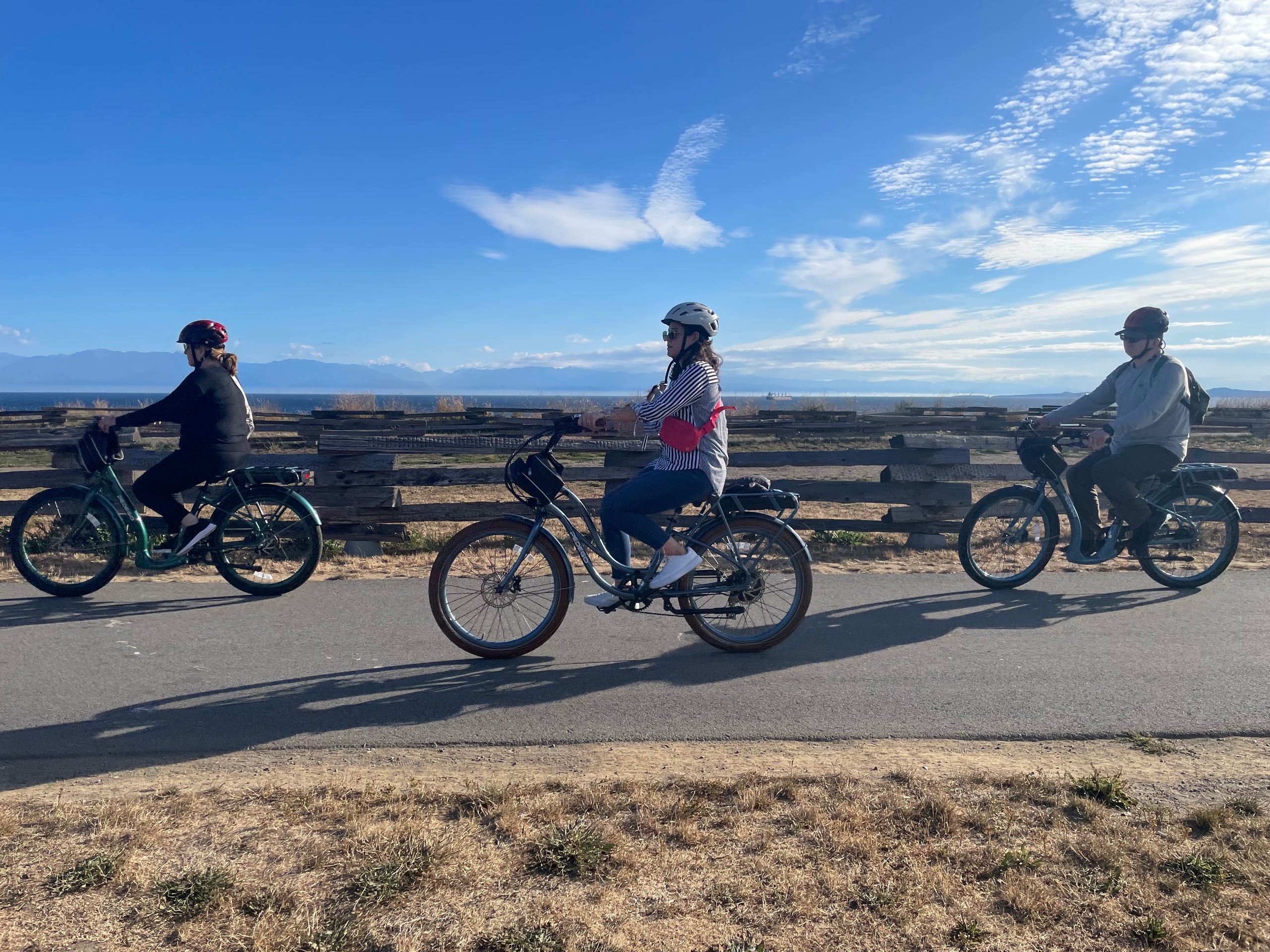 13
13E-Bike
Olga, a quiet hamlet tucked into the southeastern shore of Orcas Island, is a surprisingly perfect pocket for e‑bike exploration. Rolling coastal lanes, farm roads that cut through meadows and shoreline ridgelines that wink at the Salish Sea—Olga offers short, scenic loops and multi‑hour rides that reward an inquisitive rider with landing fields of light, dense Douglas‑fir shade and islands piling up on the horizon. This guide focuses on E‑Bike experiences: where to ride, what to expect of terrain and logistics, and how to plan rides that blend culture, tide views, and island wilderness.
Explore e-bike → 14
14Whale Watch
Olga is a quietly scenic gateway to some of the Pacific Northwest's most rewarding whale-watching waters. Tucked into Orcas Island's shoreline, Olga offers easy access to the channels, straits, and sheltered bays where orcas, humpbacks, gray whales, and other marine life gather each year. This guide highlights boat-based excursions, small-boat charters, and complementary coastal experiences that maximize wildlife viewing while keeping safety, etiquette, and local stewardship front and center.
Explore whale watch → 15
15Wildlife
Perched on the quieter eastern shore of Orcas Island, Olga is a gateway to shoreline life, migrating marine mammals, and raptors that wheel above forested ridgelines. This guide focuses on wildlife-centered outings—shoreline birding, tidepooling, kayak and boat trips for whale and seal encounters, and forest walks for deer and songbirds—plus the practical planning details to make responsible, memorable sightings.
Explore wildlife →The city and the sea
Why Olga Belongs on Your Island Adventure List
Variety without surrendering the day to long transfers.
Olga is an island hamlet that asks you to slow down and notice. You arrive by car ferry or a short drive from Eastsound and immediately trade the interstate’s urgency for an inventory of marine textures: the briny scent of eelgrass, the click of oyster shells at low tide, and a horizon stitched with other islands. From Olga’s handful of coves you can stack a day that samples the best of the San Juans—launch a kayak for a morning circumnavigation, switch to an afternoon of sailing or a boat tour to the deeper channels, and finish with a shoreline stroll that turns up tidepool wonders. For travelers who catalog experiences by type, Olga checks a surprising number of boxes. Water activities dominate—kayak, SUP, boat tours, boat rentals, sailing, and whale-watch excursions—but the feel here is less theme-park and more field notebook: wildlife sightings (marine and shore), small-group sightseeing tours, and walking tours that fold in local history. Bike rental and e-bike options make island exploring practical; a relaxed bike tour lets you connect the built and natural landscapes without committing to a steep technical route. For a thoughtful day, consider pairing a guided kayak trip that includes tidepool ecology with a later wildlife-focused whale-watch in the deeper channel waters. This is also a place where practical planning pays off. Tides and currents shape access: put-ins and tidepools are best at lower tides, while whale-watching and outer-channel sailing are weather-dependent and shine on clear, low-wind days. Outfitters in Eastsound and nearby ferry towns offer shuttles, rentals, and combined options that remove the logistics friction—book those in season. Culturally, the islands are Coast Salish country; learning a bit about local tribal stewardship and respecting posted closures, harvest boundaries, and private shorelines is part of responsible travel here. If you want solitude, head to Obstruction Pass State Park trails at sunrise or seek sheltered coves for a quiet paddle; if you want social energy, join a small-boat wildlife or sightseeing tour mid-morning when wildlife guides are most active. The island’s built layer—historic cottages, working docks, and small galleries—pairs with this natural rhythm in a way that makes every outing feel curated but authentic. For the adventurous and the curious alike, Olga is both a launch point and a destination: a place where practical choices—timing a tide, choosing between kayak and SUP, or opting for a guided whale-watch—translate into memorable days on the water and shore.
Access is straightforward but seasonal: Washington State Ferries connect the archipelago, and on-island roads are quiet but narrow. Outfitters in Eastsound provide kayak, SUP, and boat rentals, plus guided whale-watch and wildlife tours that maximize sighting odds while explaining local ecology and safety.
Combine active mornings with slow afternoons—paddle a protected bay, then take a sightseeing tour or a sail for perspective on the channel’s seascape. Always check tide charts and weather forecasts before launching, and give whales and seals ample room; reputable tours follow best-practice viewing guidelines.
Conditions shape the day
The best time to visit Olga.
Late spring through early fall offers the warmest, driest weather and calmer seas—ideal for kayaking, SUP, sailing, and whale watching. Summer brings the highest tourist levels; shoulder months (May and September) provide quieter access with good conditions. Winters are wet and windy; some boat services reduce schedules but winter wildlife viewing (eagles, sea birds) can be excellent on clear cold days.
Best all-around window
Spring + fall
Comfortable mixed-itinerary weather, thinner crowds at beaches and lookouts, and more room to improvise.
Beach season
June–August: busiest for ferries, rentals, and guided tours—book outings and lodging in advance.
Surf + whales
Late fall through early spring can yield quieter trails, discounted lodging, and dramatic storm-watching.
Coast to inland
Cool marine mornings often give way to warmer inland afternoons and breezy evenings.
Beginner
Accessible, low-risk outings: short shore walks, calm bay paddles, and guided sightseeing cruises that require no previous experience.
- Protected bay kayak with a local outfitter (Water Activities, Kayak)
- Short walking tour of Olga shoreline and cultural points (Walking Tour)
- Leisurely sailing day trip or boat tour to nearby islands (Sailing, Boat Tour)
Intermediate
Longer paddles, standalone bike tours, and self-guided boat rentals that require basic navigation and weather-awareness skills.
- Cross-channel kayak loop with tide planning (Kayak, Water Activities)
- Full-day bike tour of Orcas Island using Bike Rental or E-Bike options (Bike Tour, E-Bike)
- SUP around sheltered coves at low wind (SUP)
Advanced
Open-water crossings, wilderness camping or multi-stop sailing trips, and DIY wildlife photography expeditions that demand planning, skill, and conservative risk management.
- Self-supported open-water paddle between islands on a favorable forecast day (Kayak, Water Activities)
- Multi-day sailing charter with anchoring and navigation responsibilities (Sailing, Boat Rental)
- Advanced whale-watch or marine wildlife photo expedition with tide and current strategy (Whale Watch, Wildlife)
Field kit
What to bring.
Pack for sun, salt water, walking, and a meaningful temperature swing between coast and inland Olga.
Essential
Start here
- Layered clothing and a windproof shell for marine exposure
- Waterproof day pack or dry bag for phone and layers
- Non-slip footwear suitable for slippery rocks and docks
- Sunscreen and a brimmed hat—reflected light off the water intensifies sun exposure
- Tide chart or app, and a basic map of local launch points
Water days
Keep it dry
- Light watershoes or neoprene booties for rocky put-ins
- Personal flotation device if renting a kayak or SUP (many outfitters provide them)
- Binoculars for whale and seabird spotting
- Small first-aid kit and blister care
Long days
Stay flexible
- Compact camera with zoom for wildlife photography
- Portable power bank for phone navigation and photos
- Insect repellent for shaded trails and marsh edges
Insider note
Start early, then keep the geography tight.
Start early to beat afternoon winds and ferry queues; many paddles and sails are smoothest in the morning. Book guided whale-watch and specialty boat tours at least a week ahead in summer. When paddling, carry a VHF or fully charged phone in a dry bag and know your pick-up options—outfitters can advise on safe put-ins and shuttles. Give marine mammals wide berth and follow local viewing guidelines; join a licensed wildlife tour for the best sightings and the least disturbance. Finally, treat private shorelines and tribal areas with respect—use public access points and observe posted signs.
Good to know
Frequently asked questions.
Can I do most activities without a guide?
Yes for many low-risk options like short hikes, walking tours, and calm-water kayaking near shore—if you have basic paddling skills and check tides. Choose a guide for open-water crossings, complex currents, or if you want the best whale-watch and wildlife-spotting odds.
How do I get to Olga and move around the islands?
Washington State Ferries connect the major islands; once on Orcas, Olga is a short drive from Eastsound. On-island roads are narrow—allow extra time. Bike rental and e-bike options make exploring easier without a car.
What wildlife should I expect to see?
Common sightings include harbor seals, porpoises, bald eagles, and a variety of seabirds. Seasonal gray whale and orca sightings occur—book a whale-watch tour for higher sighting probability and local guide context.
Ready when you are
Find the trip that fits your Olga day.
Compare bookable experiences across the coast, city, and mountains—then save the ones that belong in your plan.
Explore all Olga adventures ↗