
Nanakuli adventure guide
Find your way into Nanakuli.
Set on Oʻahu’s rugged leeward coastline, Nanakuli is where long blue swells meet old Hawaiian loko iʻa (fishponds) and a community that still moves to island time. This guide stitches together Water Activities like snorkeling and scuba with surf sessions, sailing mornings, and sunset boat tours. Whether you’re chasing a sup sunrise, booking a whale-watch in season, hiring a boat rental for a half-day reef run, or signing up for a photography tour that frames lava-scarred headlands and crashing surf, Nanakuli delivers a condensed coastal itinerary. Expect sightseeing tours that point out cultural sites and eco tours that foreground native plants, plus dolphin encounters and bus- or city-tour options for slower days. Practical and picturesque, Nanakuli is a primer for travelers who want Water Activities, Boat Tour, Snorkel, Surf, Scuba, Sailing, SUP, Whale Watch, Dolphin viewing, Photography Tour, Eco Tour, Boat Rental, Sightseeing Tour, Bus Tour, and City Tour experiences along a single shoreline.
Three ways into the city
Pick a landscape. Build a day around it.
Nanakuli is less a single destination than a collection of neighboring worlds. Start with the version of the city that matches your pace, then use the ranked guide below to fill in the details.

Begin where the city meets the sea.
Surf breaks, sheltered harbors, whale routes, and long beach paths make the coast LA’s most immediate outdoor playground.
Explore water activities →
Let a local connect the landmarks.
Use a guided city, walking, or sightseeing tour to turn LA’s sprawl into a coherent story.
Explore boat tour →Ride the coast and the city.
Beach paths, river corridors, e-bikes, and ridge climbs reveal a more connected Los Angeles.
Explore snorkel →Choose your way into Nanakuli
The top 15 Nanakuli adventures.
Ranked by the number of currently listed trips. Each panel opens the complete local activity collection.
1Water Activities
On Oʻahu’s leeward flank, Nanakuli is where a working coastline meets wide sand, reef-protected lagoons, and surf that swings from playful summer rollers to winter north swells. This guide focuses on the water experiences that define Nanakuli—shore snorkeling and reef exploration, longboard and bodyboard surf windows, stand-up paddleboarding in calm bays, and local coastal fishing traditions—while highlighting hazards, seasonality, and how to plan an authentic, low-impact visit.
Explore water activities →2Boat Tour
Nanakuli’s boat tours sit where leeward reef flats meet the deep Pacific—an interface of sheltered snorkeling grounds, offshore points, and raw coastline. From short snorkeling runs over coral gardens to sunset cruises that skim the western horizon, a boat from Nanakuli puts you where the water is most alive: spinner dolphins riding bow waves, seasonal humpbacks migrating past Kaʻena Point, and reef fish glinting below turquoise shallows. These outings balance soft-adventure accessibility with a distinctly local coastal character—operators are small, often family-run, and trips pair naturally with shore-based snorkeling, paddleboarding, and coastal hikes.
Explore boat tour →Snorkel
Nanakuli's shallow reefs and long sandy shorelines on Oʻahu's leeward coast offer some of the island's most accessible shore-entry snorkeling. Protected by fringing coral and backed by dramatic pali (cliffs), the area rewards swimmers with bright reef fish, healthy coral patches in calm months, and secluded coves when conditions cooperate. This guide focuses strictly on snorkeling: how to pick the right entry, when the ocean is safest, what to expect underwater, and how to pair a snorkel day with local experiences on land.
Explore snorkel → 4
4Sightseeing Tour
Nanakuli offers a sightseeing palette that’s intimate and elemental: broad, unbroken ocean horizons, low coastal ridgelines, and a community-forward shoreline culture. Sightseeing tours here are as much about reading the land and sea—tide lines, fishpond remnants, and sacred shoreline places—as they are about ticking off viewpoints. Expect short, soulful drives along the leeward highway, guided cultural walks, boat and snorkeling options off calm days, and photography-ready vistas at sunrise and during golden-hour west-facing sunsets.
Explore sightseeing tour → 5
5Surf
Nanakuli sits on Oahu’s leeward shore, a stretch of reef, sand, and low coastal hills where surf sessions can feel both elemental and intimate. From mellow longboard-friendly rollers to hollow reef peaks, the town’s breaks reward a wide spectrum of surfers: learners carving on gentle inside waves, intermediates working a variety of wind- and swell-driven conditions, and advanced riders seeking punchy reef sections when the west swell lays in. This guide focuses on the surf—the techniques, the tides, the local rhythms—and pairs practical advice with cultural and environmental context so you can plan smart, respectful sessions.
Explore surf →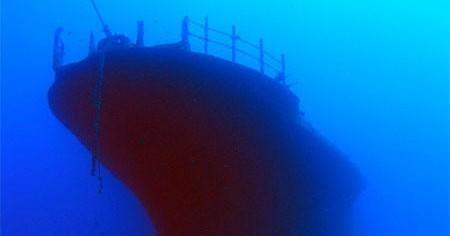 6
6Scuba
Nanakuli sits on Oʻahu's rugged leeward shore, where reef flats give way to deeper coral gardens and hidden channels. Scuba here is intimate—shore entries, pocket reefs, and nearshore drop-offs deliver encounters with reef fish, green sea turtles, and seasonal pelagics. This guide focuses on planning safe, respectful dives off Nanakuli, what to expect underwater, and the best ways to pair diving with local coastal adventures.
Explore scuba → 7
7Sailing
Nanakuli sits on Oahu’s leeward shore where the sea opens into long lines of glassy water and sudden oceanic drama. For sailors, that means approachable nearshore passages, broad horizons for sunset runs, and quick access to snorkeling coves, remote headlands like Kaʻena Point, and offshore wildlife. This guide focuses on how to experience Nanakuli from the deck—charters, day sails, coastal navigation, and the mixed ocean conditions that shape every outing.
Explore sailing →Bus Tour
Nanakuli's compact coastline and cultural heart make it an ideal launching point for bus tours that favor local stories, coastal panoramas, and surf-spot stops. Whether you're on a shared minibus tracing the leeward shore, a private van for a customized cultural route, or a larger coach linking botanical, historical, and beachfront sights, bus tours here emphasize place — the interplay of sea and mountain, plantation history and contemporary Hawaiian life.
Explore bus tour → 9
9SUP
Nanakuli’s long, sun-washed shoreline and reef-framed shallows make it a magnetic place for stand-up paddleboarding. Here paddlers slide between turquoise flats and reef passes, skirt dramatic lava headlands, and—when conditions line up—take measured rides on long, rolling waves. The experience blends casual touring, glassy flatwater paddles at dawn, and an approachable entry point to SUP surfing for intermediate riders. This guide focuses squarely on SUP: where to launch, how to read local conditions, seasonality, logistics, and the complementary ocean activities that make a day on the board feel like a complete Leeward coast adventure.
Explore sup →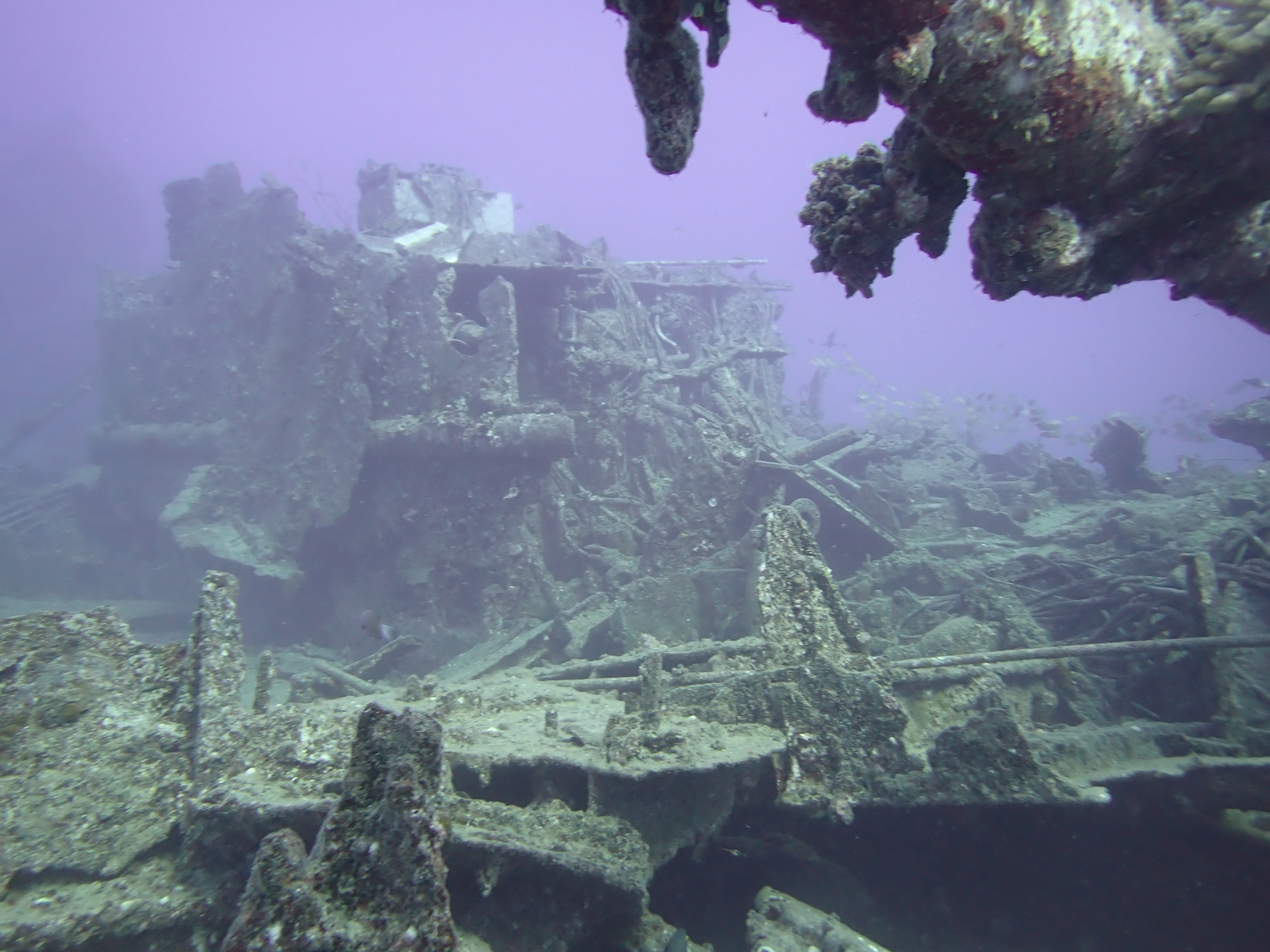 10
10Whale Watch
Nanakuli sits on Oʻahu’s rugged leeward shore where the deep offshore shelf, seasonal migrations, and a patchwork of coastal habitats create reliable opportunities to see humpback whales up close. Whether you watch from a wind-swept bluff, a sandy beach, or a small, guided vessel launched from a nearby harbor, the experience here emphasizes quiet observation, natural rhythms, and a strong connection to Hawaiian marine stewardship. This guide focuses specifically on whale watching practices around Nanakuli—when to go, what you’ll likely see, how to plan a shore- or boat-based outing, and how to pair a whale-watch with snorkeling, coastal hikes, and cultural stops along Oʻahu’s leeward coast.
Explore whale watch → 11
11City Tour
Nanakuli is a compact, coastal community where everyday life and deep Hawaiian traditions meet shoreline access and rugged coastal scenery. City tours here are less about monuments and more about human scale: murals and storefronts that tell generational stories, sandwiched between wide beaches, taro patches, and the distant silhouette of the Waianae Range. A Nanakuli city tour blends neighborhood walking, cultural interpretation, and outdoor edges—beachfront promenades, tidepool stops, and short trail linkages—that reveal a Leeward Oʻahu that many visitors miss when they stick to Honolulu and Waikīkī.
Explore city tour →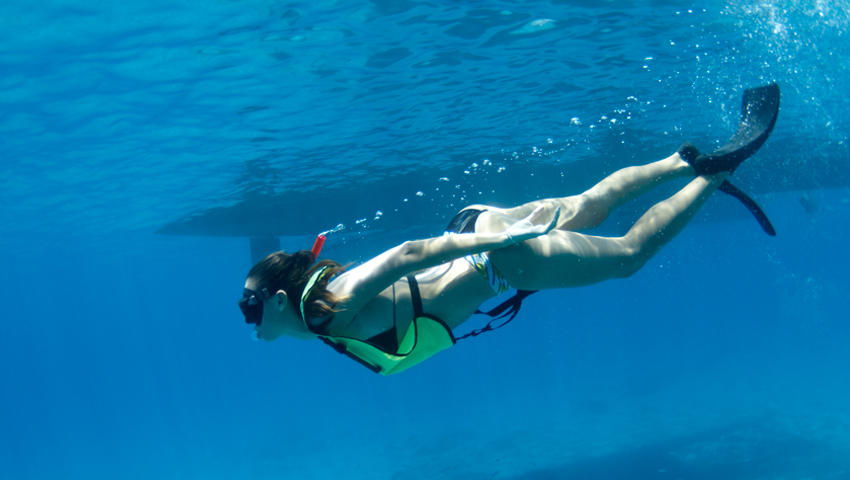 12
12Dolphin
Off the sunbaked shoreline of Nanakuli, where rugged pali give way to wide ocean horizons, dolphin encounters turn routine afternoons into small ceremonial moments. Spinner and spotted dolphins weave through the reef-edge swells here, offering encounters that can be intimate, fleeting, and unforgettable. This guide focuses on dolphin-centered activity—watching, photographing, snorkeling near pods, and the small-boat culture that makes the leeward coast an accessible marine-adventure corridor.
Explore dolphin → 13
13Photography Tour
Nanakuli’s low, sweeping coastline and raw leeward light make it a quietly cinematic stop for photographers. From broad Pacific horizons and shoreline rock textures to community scenes and mountain silhouettes, photography tours here emphasize golden-hour composition, surf and tidepool detail, and respectful cultural storytelling.
Explore photography tour → 14
14Eco Tour
Nanakuli's west Oʻahu shoreline offers eco tours that are as much about cultural resurgence as they are about ecology: guided walks through restored fishponds, coastal wetland birdwatching, community-led shoreline restoration, and reef-aware snorkeling excursions. These outings foreground Kanaka ʻŌiwi stewardship, teaching visitors how people and place have shaped each other over generations while showcasing fragile coastal ecosystems that benefit from careful visitation.
Explore eco tour →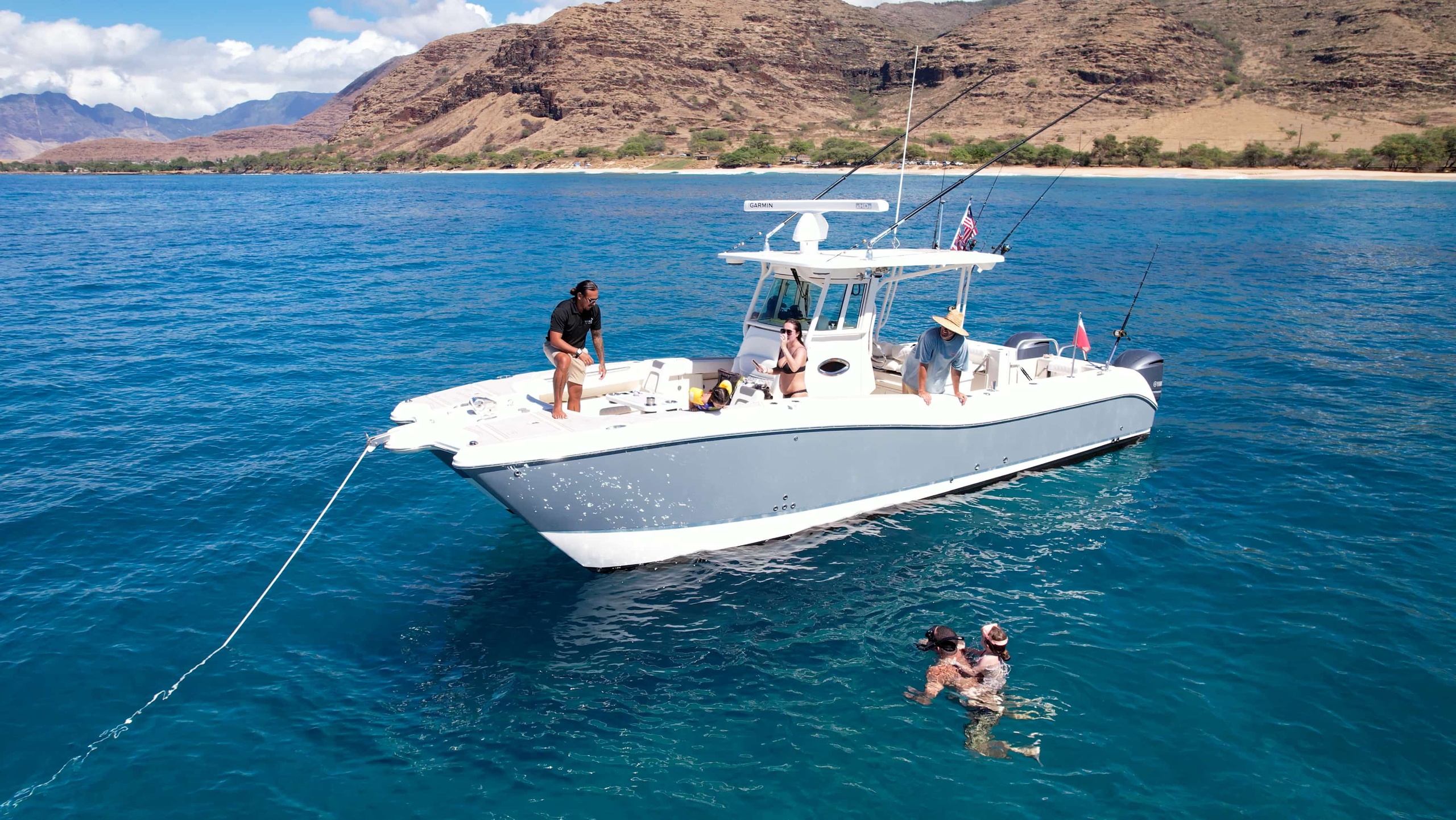 15
15Boat Rental
On Oʻahu’s quieter west shore, Nanakuli’s shoreline unfolds like a low-slung atlas of reefs, channels, and secluded sand—a place where renting a boat transforms a day into a private expedition. Boat rentals here are less about high-speed runs and more about calibrated access: to snorkel gardens tucked behind reef flats, to chase dolphins and humpbacks in season, to reach wind-sculpted rock points, or to anchor off a near-empty beach for a picnic under the trade winds. This guide covers the practicalities of renting everything from small center consoles to pontoon-style cruisers and emphasizes local conditions, cultural respect, and how to pair a boat hire with snorkeling, fishing, paddleboarding, and beachcombing along Nanakuli’s leeward coast.
Explore boat rental →The city and the sea
Why Nanakuli Belongs on Your Adventure Shortlist
Variety without surrendering the day to long transfers.
On Oʻahu’s leeward coast the land falls away and the ocean takes over—not with the manicured glamour of Waikīkī but with unvarnished shorelines, wind-sculpted reefs, and surf that rewards timing and respect. Nanakuli’s name—often translated as “pulling the fish”—hints at an ancient relationship to the sea. Walk any shoreline here and you’ll find evidence: paʻakai-stained rocks, small loko iʻa tucked behind low dunes, and reef passes where local surfers read the ocean like a living map. That relationship is the best context for planning your trip: most of the top activities are water-first, but they’re also cultural and ecological. Book a boat tour to see the coastline from sea level, then switch to snorkel gear for a coral garden; paddle a SUP lazily along the protected coves at dawn; or surf one of the long lefts when the swell lines up. If you prefer to learn as you go, eco tours and photography tours frame the biological and human history of the place, and bus or city tours offer low-effort ways to connect with nearby towns and food stops. Practicality wins in Nanakuli. Tides, wind direction, and swell size dictate whether a plan becomes a highlight or a lesson in humility. Mornings are typically the calmest for snorkeling, scuba, and SUP; afternoons bring the trade winds that fill sails and belly out longboarding sessions. Whale-watch excursions cluster in winter months off the leeward coast but the rest of the year you can still expect steady marine life—dolphins bow-riding on inbound swells, hawksbill or green turtles hauling out near reef edges. Outfitters here specialize: you’ll find everything from private boat rentals to guided scuba trips and community-led eco tours. For photographers the contrast is addictive—saturated surf, ironwood-shadowed beaches, and dramatic sky at dusk. The result is approachable variety: short boat tours, day-long sailing trips, and shore-based city or sightseeing tours that pair cultural history with easier access points. Pack a sense of respect—many sites are culturally sensitive—and a flexible schedule. Rain, wind, and surf are part of the landscape; they’re also what turns ordinary island days into stories you’ll retell.
Access is straightforward: Nanakuli sits about 30–40 minutes west of central Honolulu, making it an efficient base for wedge days combining surf, snorkeling, and a late-afternoon photography run to Kaʻena Point. Outfitters and small operators can arrange gear, lessons, and boat rentals that spare you from hauling large kits on the bus.
Combine the active with the local—flatwater SUP or a family-friendly snorkeling outing in the morning, then a food-stop circuit sampling plate-lunch spots. For people who want to stretch a single day into multiple experiences, the leeward coast’s compact geography rewards mixing and matching: a morning whale watch or dolphin encounter, an afternoon snorkel or scuba site, and a sunset sail or surf session.
Conditions shape the day
The best time to visit Nanakuli.
Hawaii is broadly year-round for most activities. Mornings tend to be calmer for snorkeling, scuba, and SUP; trade winds pick up in the afternoon, favoring sailing and surf. Winter months bring larger north- and west-facing swells and whale season (Dec–Apr). Brief showers are common—carry a light shell.
Best all-around window
Spring + fall
Comfortable mixed-itinerary weather, thinner crowds at beaches and lookouts, and more room to improvise.
Beach season
Winter (December–April) for whale watching and holiday travel; summer months see increased beach traffic and family bookings.
Surf + whales
Late spring and fall offer fewer crowds and consistent sea conditions for snorkeling and scuba.
Coast to inland
Cool marine mornings often give way to warmer inland afternoons and breezy evenings.
Beginner
Short, guided excursions and protected-water options that introduce ocean skills with low commitment.
- Guided snorkeling in calm reef gardens
- Intro SUP in morning glassy conditions
- Half-day sightseeing or city tour to local cultural sites
Intermediate
Longer paddles, open-ocean snorkeling, and surf sessions on approachable breaks with more variable conditions.
- Guided boat tour with snorkel stops at deeper reefs
- Stand-up paddle to nearby coves and reef passes
- Group surf lessons on consistent leeward breaks
Advanced
Offshore sailing, scuba beyond the reef, surf on larger swells, and multi-activity days that require solid ocean experience.
- Private boat rental for offshore scuba or reef exploration
- Sail or race-day outings in trade-wind conditions
- Advanced surf sessions on seasonal larger swells
Field kit
What to bring.
Pack for sun, salt water, walking, and a meaningful temperature swing between coast and inland Nanakuli.
Essential
Start here
- Reef-safe sunscreen (required in many rental agreements)
- Light rashguard or wetsuit top for sun and chafe protection
- Quick-dry layers and a light wind shell
- Waterproof phone case or small dry bag
- Wide-brim hat and polarized sunglasses
Water days
Keep it dry
- Water shoes for rocky reef entries
- Compact first-aid kit and water bottle
- Small reef-safe snorkeling kit (mask, snorkel, fins) or rent locally
- Lightweight camera with waterproof housing or an action camera
Long days
Stay flexible
- Binoculars for whale/dolphin viewing
- Inflatable day-sail essentials if you plan to rent a boat
- Compact binoculars or monocular for coastal birding
Insider note
Start early, then keep the geography tight.
Start early for calmer water and easier parking; mornings are prime for snorkeling, scuba, and SUP. Use reef-safe sunscreen and give turtles, monk seals, and seabirds plenty of space—violations can lead to fines. Check tide charts and wind forecasts: reef entries are simplest near mid-tide on light-wind mornings. If you rent a boat, confirm equipment (VHF, life jackets, float plans) and local radio channels; cellphone coverage can be spotty offshore. Respect cultural sites and private property along the shore—ask before photographing iwi kupuna or loko iʻa features. Finally, favor small, local outfitters when possible; they offer place-based knowledge, better stewardship, and a chance to hear stories you won’t find in guidebooks.
Good to know
Frequently asked questions.
Can I do most activities without a guide?
Yes for basic beach snorkeling, SUP in protected coves, and beach-based sightseeing. Choose a guide for scuba certification dives, offshore boat trips, or when unfamiliar currents and reef entries are present.
Are there seasonal restrictions or marine protections I should know about?
Yes. Some reef areas and haul-out zones for turtles and monk seals are protected—obey signage, keep distance from wildlife, and use reef-safe sunscreen. Kaʻena Point and nearby preserves may have access rules; local outfitters will brief you.
How do I get around without a car?
Public bus service reaches parts of the leeward coast, but schedules can be sparse. Many visitors rely on local outfitters for transfers, boat rentals, or guided shuttles. Rideshares operate but may be limited in rural zones.
Ready when you are
Find the trip that fits your Nanakuli day.
Compare bookable experiences across the coast, city, and mountains—then save the ones that belong in your plan.
Explore all Nanakuli adventures ↗