
Nags Head adventure guide
Find your way into Nags Head.
Nags Head is the Outer Banks’ well-worn porch: wind-scoured dunes, salt-scented mornings, and an improbable mix of beach-town ease and wild coastal adventure. This guide stitches together water activities, surf sessions, eco tours, and salt-marsh paddles with practical tips for planning boat tours, kayak trips, scuba excursions, and day sails along the sound and ocean.
Three ways into the city
Pick a landscape. Build a day around it.
Nags Head is less a single destination than a collection of neighboring worlds. Start with the version of the city that matches your pace, then use the ranked guide below to fill in the details.

Begin where the city meets the sea.
Surf breaks, sheltered harbors, whale routes, and long beach paths make the coast LA’s most immediate outdoor playground.
Explore water activities →
Let a local connect the landmarks.
Use a guided city, walking, or sightseeing tour to turn LA’s sprawl into a coherent story.
Explore boat tour →
Ride the coast and the city.
Beach paths, river corridors, e-bikes, and ridge climbs reveal a more connected Los Angeles.
Explore wildlife →Choose your way into Nags
The top 15 Nags Head adventures.
Ranked by the number of currently listed trips. Each panel opens the complete local activity collection.
1Water Activities
Nags Head is where the Atlantic meets shallow sounds, a narrow strip of shifting sandbars, inlets, and dunes that turns every water day into a study in contrasts. Here you'll find world-class surf breaks, calm sound flats for beginner paddling, kiteable winds, and estuarine backwaters rich with wildlife. This guide focuses on 44 water-based experiences—surf lessons and guided surf trips, stand-up paddleboard (SUP) excursions across serene marshes, kayak routes through quiet inlets, fishing charters, kiteboarding and windsurfing, and nighttime trips for bioluminescence viewing—each tailored to different skills and seasonal rhythms.
Explore water activities →2Boat Tour
From glass-slick morning inlets to wind-creased ocean swells, boat tours out of Nags Head are a way to read the Outer Banks by water. These excursions range from gentle wildlife cruises through sound-side marshes to spirited ocean trips that search for dolphins, shipwrecks, and the ever-moving edge of the Atlantic. Expect salt air, wide horizons, and encounters that connect coastal history, ecology, and the work of local fishermen and guides.
Explore boat tour → 3
3Surf
Nags Head is where the Atlantic writes in sand and swell—long, shifting sandbars produce a variety of beach breaks that welcome beginners at mellow tides and reward experienced surfers when late-summer groundswell arrives. This guide focuses on surfing Nags Head's shoreline: reading the sandbars, timing tides and wind, finding lesson-friendly zones, and knowing when to chase bigger swell up and down the Outer Banks.
Explore surf → 4
4Eco Tour
Nags Head’s eco tours are an invitation to slow down and lean into barrier-island ecosystems: marsh creeks threaded like veins, wind-sculpted dunes, hush of maritime forest, and the restless edge where sound meets sea. Guides translate tide and weather into stories—of migratory shorebirds, sea turtle nests, and a cultural history shaped by fishing and rescue. These ten curated experiences emphasize low-impact access, expert-led interpretation, and seasonal wildlife highlights that bring this fragile coastline into focus.
Explore eco tour → 5
5Kayak
Nags Head is where Atlantic surf and placid soundwater meet—an edge-of-the-world spot for kayakers who want contrast. Paddle marsh-lined creeks at dawn, thread tidal channels beneath egrets and ospreys, or step up to ocean surf runs and long-distance coastal crossings. This guide focuses on sea, coastal, and sound kayaking specific to Nags Head: the rhythms of tide and wind, launch access, seasonal must-knows, and the experiences that make paddling here unique.
Explore kayak → 6
6Boat Rental
Nags Head is where the Outer Banks opens into a playground of flats, channels, and open sound water—and where boat rentals turn a day on the water into something elemental. From sunrise flats fishing in a shallow skiff to a late-afternoon pontoon cruise past roosting marshbirds, renting a boat here is as much about reading light and tide as it is about horsepower. Expect headlands of sand, shifting shoals, and waterways that reward local knowledge; rental options range from no-license-required pontoons and center consoles to captained charters for offshore fishing and guided eco-tours through salt marshes.
Explore boat rental → 7
7Sailing
Nags Head is a launching pad for every flavor of North Carolina sailing: sheltered sound cruises among marsh islands, brisk afternoon reaches along the Atlantic shore, and blue-water excursions that test sea legs. Expect broad horizons, rich birdlife, variable winds and the local rhythm set by tidal shoals and inlet currents. This guide collects the best ways to get on the water—charters, lessons, and independent options—while giving practical advice for seasons, safety, and local access.
Explore sailing →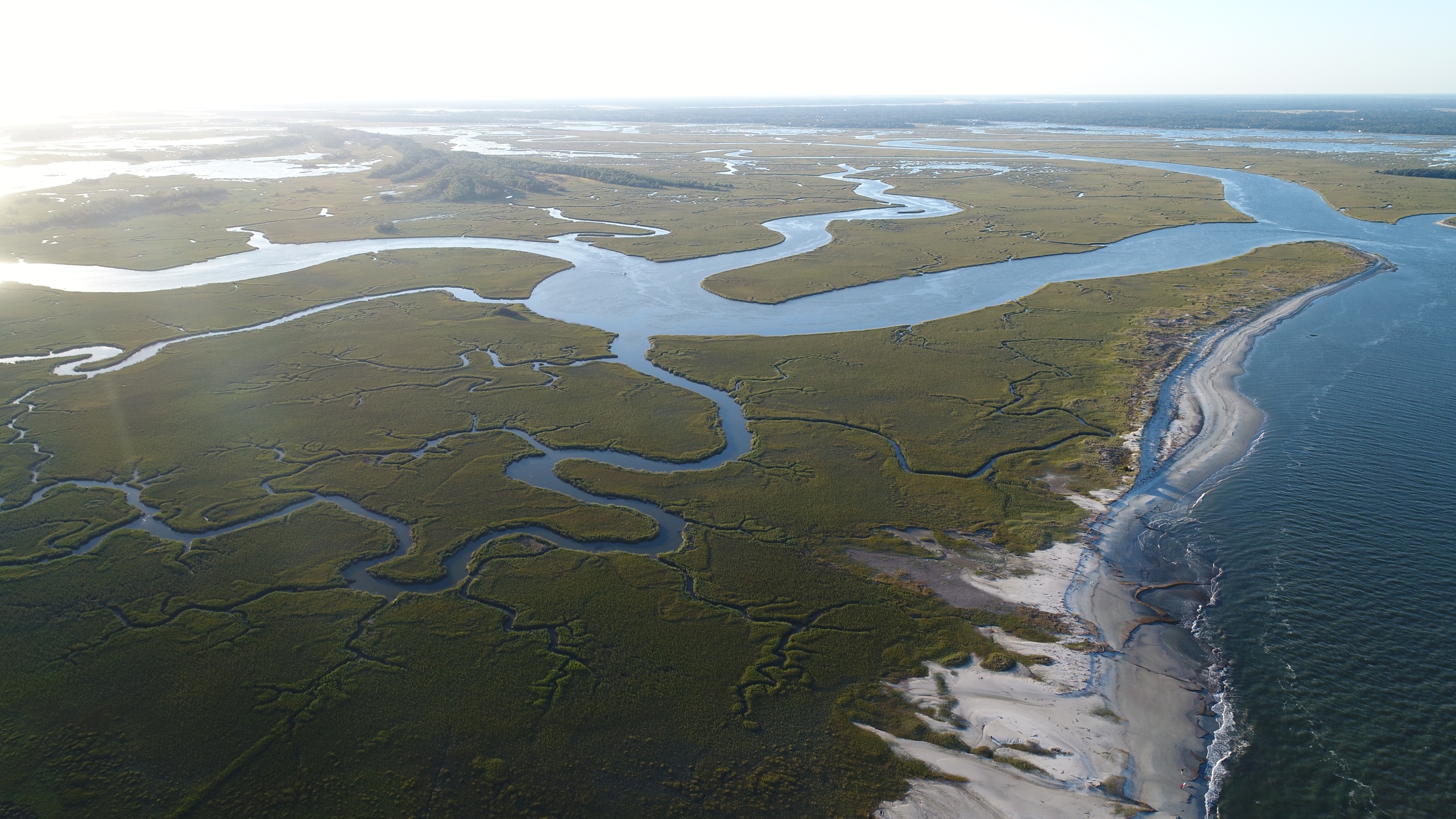 8
8Sightseeing Tour
Nags Head frames the Outer Banks story in salt and wind: wide beaches, a shifting dunescape, waterways threaded with history, and a thin ribbon of road that invites slow discovery. Sightseeing tours here are less about checking boxes and more about being guided through living coastline—lighthouses and shipwrecks, marsh-ringed estuaries full of birds, and sand-swept ridges that feel both ancient and newly formed. Whether you choose a sunset cruise, a narrated beach-and-lighthouse loop, a kayak through tidal creeks, or a ranger-led walk on the dunes, tours in Nags Head give context to a landscape in motion.
Explore sightseeing tour →9Wildlife
Nags Head is a coastal mosaic where Atlantic beach, sound, and marsh meet—an intersection that concentrates wildlife. From ebbing shorebirds on exposed sandbars to summer sea turtle nesting and wintering waterfowl on the sound, this guide covers the best ways to encounter the Outer Banks' animals with respect and success.
Explore wildlife → 10
10Scuba
Nags Head is where the Atlantic writes its own map: a shifting coastline of shoals, sandbars and nearshore wrecks that lure divers from across the Southeast. From shallow reef dives along the beach to offshore charters that put you on lonely, mysterious hulks, the town is a practical and soulful entry point to Outer Banks diving. Expect variable visibility, tidal currents that reward planning, and a seasonal rhythm of sea life—turtles, rays, schools of forage fish, and the occasional pelagic visitor. Local operators turn logistics into a breeze, offering guided shore entries, half-day dives, and full-day trips to deeper wrecks and reefs. For divers who like to pair scuba with kayak surveys, birding along the sound, or a sunset beach walk, Nags Head delivers an uncomplicated coastal adventure grounded in salt, sand, and stories of the sea.
Explore scuba → 11
11Fishing
Where the barrier island tilts into the Atlantic, Nags Head is a fishing place shaped by tides, shifting sands, and long migratory corridors. This guide focuses on the best ways to fish the sound, surf, piers, and nearshore waters around Nags Head—whether you’re casting a plug from the beach, sight-fishing in shallow creeks, or heading offshore with a charter.
Explore fishing →Dolphin
Nags Head’s waters are a magnet for Atlantic bottlenose dolphins year-round, but late spring through early fall brings the highest concentrations and the liveliest displays. From calm soundside outings to oceanfront boat trips and kayak approaches pioneered by local guides, dolphin encounters here blend easy family-friendly viewing with opportunities for quieter, more intimate wildlife experiences. This guide focuses squarely on dolphin-focused outings and the practical knowledge you need to choose the right trip, prepare for sea conditions, and watch responsibly.
Explore dolphin → 13
13Golf
Nags Head is salt air and wind-swept fairways—a compact but distinct coastal golf scene where low, sandy dunes and maritime pines frame short strategic holes. The town’s courses are shaped by surf-side geography: exposed approaches, seaside vistas, and firm playing surfaces that reward thoughtful shot-making more than brute distance. This guide focuses on the town’s best golf experiences, how the ocean and weather shape play, and practical tips for tee times, rentals, and combining rounds with other Outer Banks outdoor activities like surf, paddleboarding, and coastal birding.
Explore golf → 14
14Parasail
From a harnessed lift above the Atlantic to slow-turning, salt-scented panoramas of the Outer Banks, parasailing in Nags Head is an accessible way to feel the coast from an impossible vantage. Operators launch off the shoreline and charter boats, sending riders skyward for five to twenty minutes of quiet altitude, wide-angle views, and—on a clear day—the elegant curve of the barrier islands. This guide focuses on what to expect, when to go, how to plan, and how parasailing pairs with other coastal activities so you can make the most of your Outer Banks visit.
Explore parasail → 15
15E-Bike
Nags Head folds the best of the Outer Banks into a compact playground for e-bike exploration: long paved stretches along the ocean, quieter sound-side lanes that thread marsh and maritime forest, and easy links to ferry-served islands. E-bikes extend your range without demanding fitness extremes—letting you chase sunrise, skirt dune ridgelines, and slip between surf shops, piers, and birding hotspots in a single day. Expect salt-sketched views, wind, and routes that reward curiosity as much as speed.
Explore e-bike →The city and the sea
Why Nags Head Belongs on Your Adventure Shortlist
Variety without surrendering the day to long transfers.
Nags Head sits where the Atlantic presses against a ribbon of barrier island and every day rearranges the shoreline. Walk the wide beaches at dawn and you’ll watch fishermen rig rods for surf and charter captains coiling lines before a morning boat tour skims past the markers. Paddle a calm sound at golden hour and the marsh goes quiet except for the click of clapper rails and the occasional slap of a tail from a foraging fish. The place is a study in contrasts: placid tides hem the sound-side where e-bike rides and family-friendly paddles feel effortless, while the ocean-facing beaches and sandbars reward surfers, parasailers, and thrill-seekers with steady wind and punchy breaks. There’s a layered history here—Indigenous presence, colonial shipwrecks, and a long tradition of commercial and recreational fishing that still defines much of the local culture. That history threads into modern outings in tangible ways: eco tours that explain how shifting shoals shape inlets, dolphin cruises that double as lessons in coastal ecology, and scuba dives that visit artificial reefs built from purpose-sunk structures and old vessels. Bring curiosity and a pair of binoculars; the wildlife viewing can be astonishing—porpoises and dolphins nearshore, migratory birds on the marsh, and seasonal whale sightings off Hatteras for those who time it right. Practically, Nags Head is easy to access and forgiving to try new things. Outfitters cluster along US 158 and on the waterfront, offering boat rental, guided kayak tours, surf lessons, and full-day fishing charters. If you’re after solitude, target shoulder seasons: spring and fall stretch warm days and cooler nights into long windows of exploration without mid-summer crowds. For families and mixed-ability groups, there’s a menu where scenic sightseeing tours, gentle kayak loops, and golf rounds sit comfortably next to more athletic options—surf sessions and kite-assisted parasail flights. Bring layers, reef-safe sunscreen, and a tide chart: the island’s moods change with the tide, and planning around slack water often makes the difference between a relaxed paddle and a long, tiring drift. Above all, Nags Head is an invitation to mix pursuits—spend a morning chasing waves, an afternoon on a wildlife-friendly eco tour, and an evening on a sleepy sound-side sail for a day that feels resolutely coastal and utterly complete.
Outfitters and local guides turn logistics—shuttle for a surf launch, a baited cooler for a fishing trip, or a certified dive operator for scalloped reefs—into low-friction experiences. That makes Nags Head a great training ground for newcomers while still offering technical outings for experienced adventurers.
The Outer Banks’ geography concentrates activities: you can move from a surf lesson to a boat rental to a dolphin tour in one day without long drives. Add local seafood and small coastal museums and you have a travel rhythm that’s equal parts active and restorative.
Conditions shape the day
The best time to visit Nags Head.
Warm, humid summers bring consistent ocean breezes ideal for parasail and sailing; spring and fall offer milder temperatures and offshore visibility that help scuba and wildlife sightings. Hurricane season (June–November) affects late-summer plans—monitor forecasts.
Best all-around window
Spring + fall
Comfortable mixed-itinerary weather, thinner crowds at beaches and lookouts, and more room to improvise.
Beach season
June–August—busy beaches, higher prices, and full charter schedules.
Surf + whales
Late fall through early spring offers storm-watching, empty beaches, and lower rates; many outfitters scale back services, so book guided trips in advance during shoulder seasons.
Coast to inland
Cool marine mornings often give way to warmer inland afternoons and breezy evenings.
Beginner
Gentle, guided outings with low technical demand: calm-sound paddles, beach surf lessons, sightseeing tours, and family-friendly wildlife cruises.
- Guided sound-side kayak tour
- Beginner surf lesson at a lifeguarded beach
- Sightseeing dolphin cruise in the afternoon
Intermediate
Longer outings, variable conditions, and modest navigation skills—flatwater paddles with tidal planning, shore-based surf sessions in mixed swell, and boat rentals for island-hopping.
- Full-day kayak trip through tidal creeks and marsh
- Boat rental to explore nearby shoals and fishing spots
- Sailing lessons or half-day charters on the sound
Advanced
Technical or endurance-focused activities: offshore scuba, big-wave surf days, multi-hour fishing charters, and high-wind parasail or kite-assisted outings requiring experience and local knowledge.
- Offshore wreck scuba dive with a certified operator
- Bluewater fishing charter targeting pelagic species
- Long-crossing surf session on a day with strong northeast swell
Field kit
What to bring.
Pack for sun, salt water, walking, and a meaningful temperature swing between coast and inland Nags.
Essential
Start here
- Reef-safe sunscreen and a brimmed hat
- Vector layers for cool, windy mornings and humid afternoons
- Water-resistant phone case or dry bag for paddles and boat tours
- Sturdy sandals or water shoes for shelling, surf, and rocky shore entries
- Tide chart and knowledge of local currents for exposed beaches and inlets
Water days
Keep it dry
- Binoculars for birding and dolphin watches
- Light wind shell for late-afternoon sails or parasail meetups
- Wetsuit or spring suit (seasonal) for surf and scuba
- Compact first-aid kit and blister care for long beach walks
Long days
Stay flexible
- Action camera with float leash
- Fishing license (if you plan to fish independently)
- Portable charger and extra water bottles
- Sand stake and light beach blanket
Insider note
Start early, then keep the geography tight.
Book popular outings—scuba charters, dolphin cruises, and parasail rides—well in advance during June–August. For calmer water, plan paddles around slack tide and launch from sound-side access points. Bring reef-safe sunscreen to protect local habitats and pack a small flotation device for shore fishing. If you want solitude, aim for sunrise launches or weekdays in late spring and early fall. Finally, chat with local captains and guides: they’ll point you to lesser-known fishing marks, current-protected paddle routes, and the best stretches of beach for shelling after a northeaster.
Good to know
Frequently asked questions.
Can I rent gear locally for all activities?
Yes—most outfitters in Nags Head rent kayaks, paddleboards, boats, and surf gear. Specialized services like scuba and parasail operate seasonally; book ahead, especially in summer.
Are beaches swimmable and safe for families?
Many beaches are swimmable, but currents and rip tides occur—swim near lifeguarded sections, check flags, and heed local advisories. Sound-side coves are calmer for kids and beginner paddlers.
Do I need a license for fishing or boating?
Yes—state fishing licenses apply for recreational anglers; boating regulations and safety equipment requirements follow U.S. Coast Guard rules for vessels. Ask your charter operator if a license or captain is required for a rental.
Ready when you are
Find the trip that fits your Nags Head day.
Compare bookable experiences across the coast, city, and mountains—then save the ones that belong in your plan.
Explore all Nags Head adventures ↗