
Mount Carmel adventure guide
Find your way into Mount Carmel.
Perched where red sandstone meets the high desert sky, Mount Carmel is a compact springboard for canyon-country adventures. The town itself is a quiet knot of roadside cabins and service stops, but step off Highway 9 and you’re in a landscape built for exploration: hiking slot canyons and rim trails, photography tours at golden hour, and wildlife watches from dusty pullouts. For variety, layer motorized exploration—ATV/UTV runs on legal routes—with low-impact options like walking tours and guided sightseeing tours along the Zion‑Mount Carmel corridor. Water activities are less dominant here than in coastal destinations, but nearby reservoirs and riverine stretches make kayak, SUP, and boat rental viable options in summer. Pack a bike and you’ll find bike-rental and bike-tour-friendly routes that link scenic viewpoints; climbers can pick lines on local sandstone; photography-tour operators often use Mount Carmel as a quiet base for sunrise and night-sky shoots. This is a place for layered days: morning hikes, afternoon photography or wildlife spotting, and an evening spent reflecting on the ridgelines that frame Utah’s canyon country.
Three ways into the city
Pick a landscape. Build a day around it.
Mount Carmel is less a single destination than a collection of neighboring worlds. Start with the version of the city that matches your pace, then use the ranked guide below to fill in the details.

Begin where the city meets the sea.
Surf breaks, sheltered harbors, whale routes, and long beach paths make the coast LA’s most immediate outdoor playground.
Explore water activities →
Let a local connect the landmarks.
Use a guided city, walking, or sightseeing tour to turn LA’s sprawl into a coherent story.
Explore walking tour →
Ride the coast and the city.
Beach paths, river corridors, e-bikes, and ridge climbs reveal a more connected Los Angeles.
Explore bike rental →Choose your way into Mount
The top 15 Mount Carmel adventures.
Ranked by the number of currently listed trips. Each panel opens the complete local activity collection.
 1
1ATV/UTV
From sandstone slickrock to sandy washes that thread into pinyon-juniper benches, Mount Carmel is a concentrated playground for ATV and UTV riders. Close to Zion’s eastern approaches and framed by the pink cliffs of the Grand Staircase, the area offers everything from buttery scenic loops to technical rock sections—ideal for riders who want high-desert vistas and easy access from nearby towns.
Explore atv/utv →2Walking Tour
Perched on the high plateau above Zion’s eastern flank, Mount Carmel is a compact, evocative launching point for walking tours that trade crowds for context. Here, every stroll is a cross-section of southern Utah—red sandstone backdrops, juniper-sage roadside, and small-town history braided with the geology that draws visitors to the region. These walking tours range from short interpretive loops through village streets and roadside viewpoints to longer geology- and history-focused ambles that thread quiet backroads, short trail segments, and scenic pullouts. They’re ideal for travelers who want to move at walking pace—savoring landscapes, stories, and light—without committing to steep canyon descents or long backcountry treks.
Explore walking tour → 3
3Hiking
Perched on the edge of Zion's eastern approach and the sweeping Grand Staircase, Mount Carmel is a doorway to red-rock ridgelines, sculpted sandstone fins, and unexpected pockets of forest. Hiking here feels elemental: wide desertlight on slickrock, narrow washes that cut like rivers through stone, and short, surprising climbs that reward wide western views. This guide focuses on hiking—day loops, rim walks, and route-finding adventures that thread between iconic parks and quieter federal lands.
Explore hiking →4Water Activities
Mount Carmel sits on the edge of the Colorado Plateau’s stark red-country — a place where water is both a rare commodity and a defining force. For travelers drawn to watery contrasts — cool wades through sandstone narrows, wind-swept reservoirs framed by white cliffs, and seasonal desert streams that surge then hush — Mount Carmel is an understated gateway. This guide focuses on experiencing the area’s water-based adventures, from gentle riverside strolls and slot-canyon swims to paddleboarding and reservoir outings, with practical planning, safety notes, and local context to help you turn curiosity into a well-executed trip.
Explore water activities → 5
5Boat Rental
Mount Carmel sits at an intersection of red-rock canyons and high-desert plateaus — a surprising gateway for water-based exploration. While the town itself is known for road access to Zion, boat rentals in the greater Mount Carmel region open a complementary chapter of the Southwest: calm reservoirs and ribbon-like rivers that contrast the cliffs. This guide focuses on renting and running boats near Mount Carmel — what to expect, practical planning, seasonal rhythms, and how water time pairs with iconic desert pursuits.
Explore boat rental → 6
6Sightseeing Tour
Perched where red-rock canyons begin to fold into high desert plateaus, Mount Carmel is less a single landmark than a hinge between landscapes. Sightseeing tours here are intimate—short scenic drives, curated photo stops, and interpretive routes that unpack the geology and human stories carved into the sandstone. Expect wide light, quick changes in color at sunrise and sunset, and the practical reality that many of the best views are roadside pulls, small overlooks, and short interpretive walks that pair well with nearby hikes in Zion and the Grand Staircase region.
Explore sightseeing tour → 7
7Surf
Mount Carmel sits in the high-desert seam between Zion’s red walls and the wide washes of southern Utah. It isn't a seaside town, but for travelers who think of 'surf' as a feeling and a skill set, Mount Carmel is a surprising hub for water-surface and sand-surface riding: wakes and foils on nearby reservoirs, wind- and kite-assisted sailing across sheltered coves, and sandboarding where dune faces behave like powdered waves. This guide maps those unconventional surf experiences, explains seasonal wind and water conditions, and lays out how to plan a trip that combines carving with hiking, canyoneering, and evening stargazing.
Explore surf → 8
8Climbing
Red sandstone fins, short desert faces, and the looming presence of Zion on the horizon make Mount Carmel an intimate but varied climbing ground. Whether you’re easing into sport routes on sun-warmed stone, working corner cracks that reward precise footwork, or linking a long multi-pitch with desert exposure, the climbing here is defined by fragile sandstone, broad views, and the slow rhythm of the high desert. Approaches are often short but sun-exposed, logistics are locally simple, and the surrounding landscape invites complementary adventures — canyoneering in Zion, dirt-road exploration, and wide-open stargazing after a long day on the rock.
Explore climbing → 9
9SUP
Mount Carmel sits on a high desert edge with a palette of red rock, pinyon-juniper ridgelines, and quiet bodies of water within day-trip range. For paddlers, the region is a study in contrasts: glassy reservoir coves framed by sandstone cliffs, narrow slow-moving river stretches that carve shady canyons, and wide-open shorelines that pick up afternoon wind. This guide focuses on stand-up paddleboarding in and around Mount Carmel—how to find safe launches, when the water is at its best, and how to pair a paddle with hikes and scenic drives in this lesser-traveled slice of southern Utah.
Explore sup →10Bike Rental
Mount Carmel sits like a quiet sentinel on the threshold of Zion and the high desert plateaus beyond. For cyclists and casual explorers alike, the town’s bike-rental offerings turn an ordinary drive-through into a day—or multi-day—of discovery on paved scenic byways, mellow gravel backroads, and beginner-friendly loops. This guide zeroes in on renting two wheels in Mount Carmel: what to expect from the terrain, which bike types suit which routes, seasonal considerations, and how to stitch rentals into rides that range from gentle family cruises to exploratory gravel jaunts and e-bike-assisted climbs.
Explore bike rental →Photography Tour
A short drive from the eastern rim of Zion, Mount Carmel sits at the crossroads of fractured redrock, sun-bleached sandstone walls, and high desert skies—an intimate stage for photographers who chase dramatic light and quiet compositions. This guide collects six guided and self-guided photography experiences that emphasize golden-hour panoramas, intimate desert textures, and night-sky framing, with practical notes on accessibility, seasons, complementary activities, and how to translate Southern Utah's light into memorable images.
Explore photography tour → 12
12Wildlife
Mount Carmel sits at a crossroads of canyons, plateaus, and desert scrub — a quiet, ecotonal place where upland wildlife and migratory birds pass through in waves. This guide focuses on five prime wildlife experiences around Mount Carmel: from dawn stakeouts for desert bighorn and mule deer to riparian birding and nocturnal mammal listening. Expect short drives to observation points, modest hikes into varied terrain, and excellent opportunities for photography and interpretation paired with nearby hiking and scenic drives.
Explore wildlife → 13
13Jet Ski Rental
Mount Carmel sits at the edge of desert canyons and blue water: a launch pad for high-speed days on reservoirs and the vast Glen Canyon system. This guide focuses on renting and riding personal watercraft near Mount Carmel—where desert light meets wide water, and afternoons are measured in wake lines and canyon echoes.
Explore jet ski rental → 14
14Kayak
Mount Carmel sits on a quiet ridge between canyon country and irrigated valleys, an unlikely but excellent launch point for paddle-based exploration. Kayaking here is not about whitewater thrills; it’s a study in contrasts — glassy, sunlit coves tucked beneath red cliffs, slow-moving desert streams edged with cottonwood, and reservoir basins that reflect towering sandstone. From early-morning flatwater paddles that feel almost private to short technical runs that require scouting and a few portages, Mount Carmel offers an intimate, contemplative paddling experience ideal for photographers, families comfortable with the sun, and seasoned paddlers seeking solitude within reach of Zion and other Southern Utah attractions.
Explore kayak →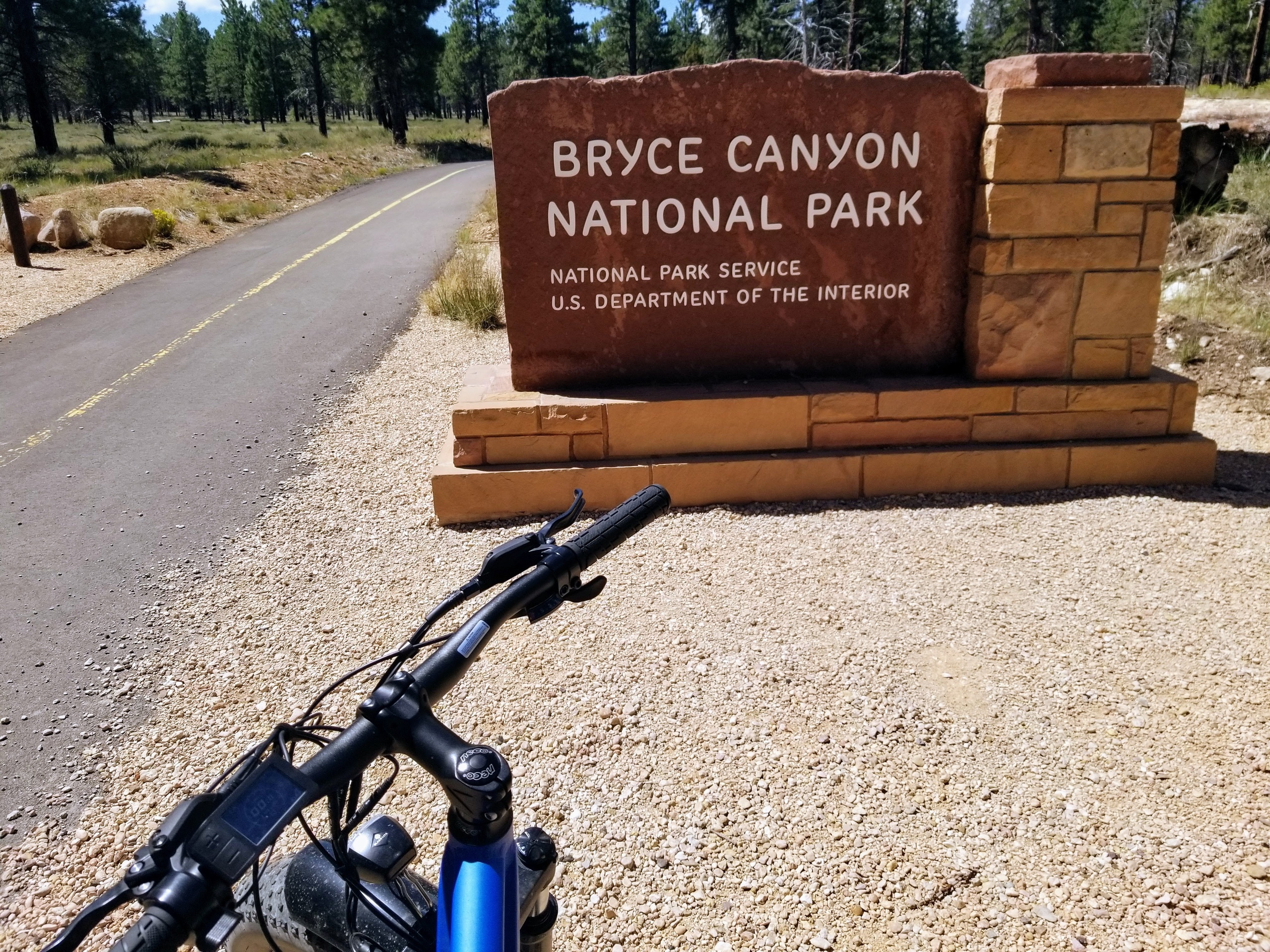 15
15Bike Tour
Nestled between the red cliffs of Zion and the patchwork sage of southern Utah high desert, Mount Carmel is a gateway for bike tours that balance cinematic scenery with remarkably rideable pavement and quiet gravel. Cyclists come here for long, flowing descents, tunnel-slit canyons, and the chance to thread between national-park drama and small-town solitude. This guide highlights curated day tours and multi-segment rides that emphasize route quality, seasonal timing, and the logistics that make Mount Carmel a savvy base for both road cyclists and gravel explorers.
Explore bike tour →The city and the sea
Why Mount Carmel Belongs on Your Adventure Shortlist
Variety without surrendering the day to long transfers.
Mount Carmel sits like an honest waypoint between the cobalt arcs of Zion and the broader sweep of Utah’s red-rock country. There’s no pretense here—no polished visitor center or traffic-choked overlooks—just access. That access is the story: quick entrances to trailheads for hiking and climbing, open shoulders for bike tours and bike rental pick-ups, and backroads that invite ATV/UTV, moto, and photography-tour itineraries. Because the town is compact, you can build a day that feels deliberately varied—an early-morning ridge walk that finishes with a photography session, followed by an afternoon exploring narrows or a calm SUP paddle on a nearby reservoir. The result is a layered itinerary that suits families and endurance seekers alike. Geography does the heavy lifting. The region’s geology sculpts natural amphitheaters and sculpted fins that photographers love; sunrise and sunset throw long shadows that reward a patient lens. Walking tours and sightseeing tours take on a new dimension here because every stop is a lesson in erosion and human endurance—pioneer roads and old bridges sit within view of ancient Navajo Sandstone. Climbing opportunities cluster where sandstone is clean and protected; route difficulty can change rapidly, so local guide services exist for both safety and economy of time. If you want speed and range, ATV/UTV outings and guided motorized trips open greater terrain—just be mindful of route rules and private land boundaries. Water activities are intentionally theatrical: they are not the dominant theme, but they offer a welcome coolness. Where small lakes and reservoirs collect, outfitters provide kayak, SUP, and boat rental options; on calm mornings you can swap a dusty trail for glassy water and photograph mirrored cliffs. Wildlife viewing is a quiet reward—desert bighorn, raptors, and transient elk show up in season, and a photography tour is one of the best ways to connect with both species and light. For visitors who value flexibility, bike rental and bike tours let you stitch together overlooks and side roads at your own pace. And for those who prefer to travel light, a walking tour combined with a well-timed sightseeing tour covers the essentials without fuss. Practicality balances romance. Mount Carmel is a logistics-friendly place: fuel, basic supplies, and a handful of local guides; more extensive services cluster a short drive away in Springdale and the gateways to Zion. That makes it a smart base for multi-day plans—split your time between technical climbs and mellow SUP sessions, swap photography mornings for ATV evenings, and always leave room for a spur-of-the-moment walking tour. The terrain rewards curiosity and respect: follow Leave No Trace, check local access and seasonal restrictions, and build any motorized or climbing plans around permitted routes. In return, Mount Carmel gives back a quiet, deeply photogenic corner of Utah that feels like a secret only until you arrive.
Access is straightforward: Highway 9 threads the valley and places trailheads, viewpoint pullouts, and small outfitters within minutes. That proximity lets you stack shorter activities—an early hike, a midday kayak, and a late-afternoon photography tour—without long transfers.
The area supports a full range of abilities. Beginner-friendly walks and gentle scenic drives live beside intermediate ridgeline hikes and technical climbing. Outfitters and local guides offer options across that spectrum, from guided sightseeing tours to advanced rock-climbing coaching.
Conditions shape the day
The best time to visit Mount Carmel.
Spring and fall deliver the most temperate days and crisp, clear light for photography. Summers are hot, with high sun and significant diurnal swings; winter brings cold nights and occasional snow that reduces crowding but can affect road access.
Best all-around window
Spring + fall
Comfortable mixed-itinerary weather, thinner crowds at beaches and lookouts, and more room to improvise.
Beach season
Late spring through early fall—holiday weekends and autumn leaf windows nearby increase visitation.
Surf + whales
Late fall through winter weekdays offer quieter roads and lower prices; plan around short daylight windows and check weather notices for road conditions.
Coast to inland
Cool marine mornings often give way to warmer inland afternoons and breezy evenings.
Beginner
Short, well-marked walks, easy viewpoint drives, and calm water paddles suitable for newcomers.
- Short walking tour of local sandstone overlooks
- Gentle bike tour on paved scenic sections using bike rental
- SUP or kayak on a nearby sheltered reservoir
Intermediate
Longer hikes with moderate grades, half-day paddles with wind exposure, and mixed-terrain bike routes.
- Ridge hike with moderate elevation gain and photography stops
- Guided sightseeing tour with short hikes and viewpoint walks
- Half-day ATV/UTV excursion on permitted routes
Advanced
Technical climbs, multi-pitch routes, full-day backcountry traverses, and off-road motorized ventures that require skill and planning.
- Technical sandstone climbing with traditional protection
- Full-day bike tour combining paved and singletrack segments
- Extended ATV/UTV routes with navigation and mechanical readiness
Field kit
What to bring.
Pack for sun, salt water, walking, and a meaningful temperature swing between coast and inland Mount.
Essential
Start here
- Sun protection: hat, SPF 30+, sunglasses
- Sturdy footwear suitable for loose sandstone and slick rock
- Hydration system (2–3 liters for day hikes in summer)
- Light first-aid kit and blister care
- Photocopies of permits or guide confirmations when required
Water days
Keep it dry
- Layered clothing for large diurnal temperature swings
- Compact binoculars for wildlife viewing and distant ridgelines
- Small dry bag for phones and camera gear during SUP or kayak sessions
- Headlamp for pre-dawn starts and post-sunset returns
- Portable power bank for camera and phone recharge
Long days
Stay flexible
- Climbing helmet and personal rack if planning independent trad climbs (check access rules first)
- Action camera or mirrorless kit with wide and tele lenses for sandstone photography
- Lightweight camp chair for long sunset sessions
Insider note
Start early, then keep the geography tight.
Start early to beat heat and dust; morning light also rewards photography and wildlife viewing. If you plan motorized outings (ATV/UTV), make sure you have current maps and permission for routes—many old roads cross private or closed sections. For climbing, consult local guide services about route conditions and seasonal restrictions; sandstone can be fragile after rain. Water activities are best scheduled midweek when rentals are more available. Pack out all trash, stick to durable surfaces, and avoid social-media-only ‘hidden’ spots that can damage sensitive habitats when crowded.
Good to know
Frequently asked questions.
Can I do most activities without a guide?
Yes for many of the walking tours, moderate hikes, and scenic drives. Choose a guide for technical climbing, unfamiliar ATV/UTV routes, or to access private or regulated areas safely.
Are water activities like kayaking and SUP available locally?
Yes—nearby reservoirs and calmer river stretches support kayak, SUP, and limited boat rental options. Jet ski rental and surf conditions are limited or absent in the immediate region, so check with outfitters beforehand.
Is Mount Carmel a good base for photography and wildlife viewing?
Absolutely. Low light pollution and open vistas make sunrise, sunset, and night-sky sessions rewarding; raptors, deer, and seasonal elk appear along ridgelines and riparian strips—book a photography tour or a guided wildlife outing for the best results.
Ready when you are
Find the trip that fits your Mount Carmel day.
Compare bookable experiences across the coast, city, and mountains—then save the ones that belong in your plan.
Explore all Mount Carmel adventures ↗