
Moose Pass adventure guide
Find your way into Moose Pass.
A thin ribbon of road threads through evergreen and glacier-carved ridges — Moose Pass is the alpine gateway where the Kenai Mountains meet the sea. Days here spread along the water: guided fishing on braided streams, boat tours that skirt fjords, and kayak lines cut into still arms of the inlet. Winters flip the script: snowmobile corridors and inland air excursions transform the same slopes into a powder playground. This guide distills the top 15 activities — from fishing and boat tours to snowmobile runs and wildlife watch — so you can pick a day, a season, and a rhythm that fits you.
Three ways into the city
Pick a landscape. Build a day around it.
Moose Pass is less a single destination than a collection of neighboring worlds. Start with the version of the city that matches your pace, then use the ranked guide below to fill in the details.
Begin where the city meets the sea.
Surf breaks, sheltered harbors, whale routes, and long beach paths make the coast LA’s most immediate outdoor playground.
Explore boat tour →
Let a local connect the landmarks.
Use a guided city, walking, or sightseeing tour to turn LA’s sprawl into a coherent story.
Explore sightseeing tour →
Ride the coast and the city.
Beach paths, river corridors, e-bikes, and ridge climbs reveal a more connected Los Angeles.
Explore wildlife →Choose your way into Moose
The top 15 Moose Pass adventures.
Ranked by the number of currently listed trips. Each panel opens the complete local activity collection.
 1
1Fishing
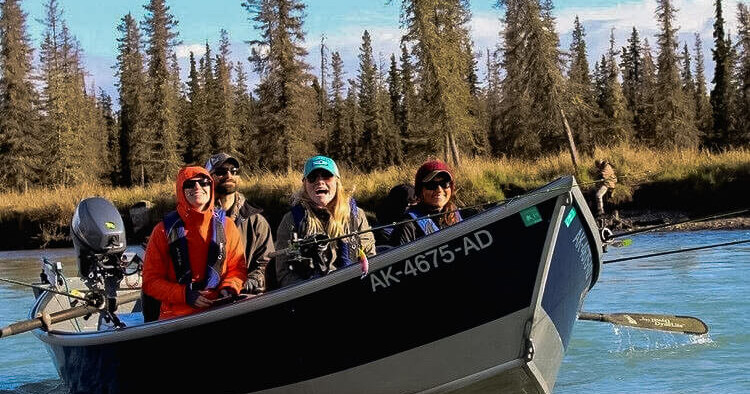
Moose Pass sits where spruce and peaks crowd the highway and rivers spill from glacial basins—giving anglers a concentrated, high-value playbook of freshwater and nearshore saltwater fishing. From calm alpine lakes and fish-rich tributaries to the tidal opportunities of Resurrection Bay and guided runs on the Kenai system, this compact corridor delivers big-spec species and accessible days on the water for beginner casters and seasoned anglers alike.
Explore fishing →2Boat Tour
Moose Pass sits at the spine of the Kenai Peninsula, a lodge-and-lake community that makes a quietly excellent base for boat tours to glaciers, fjords, and wildlife-rich coastal waters. From calm lake cruises to ocean-going glacier expeditions that depart nearby Seward, the boat tour options clustered around Moose Pass deliver sweeping ice-carved scenery, tight-up encounters with marine mammals, and a front-row seat to the dynamic interface of sea, snow, and mountain.
Explore boat tour → 3
3Kayak
Moose Pass sits at the hinge between glacier-fed lakes and the wild coast. For paddlers it’s a compact, remarkably varied launching point: glassy alpine paddles on Kenai Lake and inlet-fed estuaries that open toward Resurrection Bay, short technical river runs on Trail River, and guided sea-kayak excursions that trace fjord walls and wildlife-rich shorelines. This guide is for paddlers who want both the stillness of inland water and the dramatic possibility of coastal wildlife encounters—packed with practical planning details for cold-water recreation in Alaska.
Explore kayak → 4
4Water Activities
Moose Pass is a quiet hinge between glacier-fed lakes and saltwater bays, a place where paddles meet mirror-calm alpine lakes in the morning and where guided ocean excursions fan out from nearby Seward. This guide focuses on water-based experiences that define the area—paddling Kenai Lake at dawn, float-fishing tributaries, and connecting to larger sea- and river-based adventures across the Kenai Peninsula.
Explore water activities → 5
5Hiking
Framed by glacier-carved ridgelines, glacier-fed lakes, and the wide sweep of Turnagain Arm to the north, Moose Pass condenses Alaska’s backcountry character into a compact and accessible hiking playground. Trails radiate from a small mountain town whose history is tied to the railroad and the rhythms of the Kenai Peninsula—offering everything from mellow lakeside strolls to multi-day wilderness traverses. This guide focuses on hiking routes that showcase alpine meadows, river corridors, and the long reaches of the Resurrection Pass corridor, with practical notes for seasonality, terrain, access, and trip planning.
Explore hiking →6Sightseeing Tour
Moose Pass is quiet ribbon townlife framed by spruce and water—an unassuming staging ground for some of Alaska's most cinematic sightseeing tours. From scenic drives along the Seward Highway to boat and flightseeing departures that thread ice, tide, and mountains, the area is built for short, intense encounters with coastal wilderness. Tours concentrate on three themes: lake- and fjord-focused water trips, aerial glacier-and-coastline flights, and guided road- and rail-based scenic loops that highlight wildlife, geology, and human history. Practical and compact, Moose Pass lets you start big days early and return to a small-town pace in the evening—perfect for travelers who want dramatic views without the busier ports farther south.
Explore sightseeing tour → 7
7Walking Tour
Moose Pass condenses the Alaskan wilderness into walkable moments: cedar-scented boardwalks, quiet railroad history, and wide-open views of the Kenai Mountains. These walking tours are short on fuss and long on sensory detail—perfect for travelers who want close-up encounters with coastal temperate rainforest, moose country, and the human stories that cling to this small highway town.
Explore walking tour →8Wildlife
Moose Pass sits at a quiet hinge between coastal fjords and inland forest—an understated doorway to Alaska’s most intimate wildlife encounters. Here, the landscape folds from spruce-and-cedar rainforest into salmon-rich streams and alpine ridgelines, creating stacked habitats where moose, bears, eagles, and a chorus of migratory birds concentrate seasonally. This guide focuses on wildlife viewing: when to go, where to look, what to bring, and how to pair sightings with complementary outdoor experiences like boat trips to Resurrection Bay, guided hikes into the Kenai National Wildlife Refuge, and shoreline photography.
Explore wildlife → 9
9Boat Rental
Moose Pass punches above its weight as a springboard for boat-based exploration on the eastern edge of the Kenai Peninsula. Tucked between dense spruce forests and long glassy lakes, the town’s rental options give access to placid lake cruising, targeted fishing for trout and salmon, and short coastal runs toward the more exposed fjords near Seward. Renting a boat here is as much about calm mornings and wildlife-rich shorelines as it is about navigation: expect quiet coves, tree-lined channels, and the occasional mountain-glacier backdrop—all within a short drive from the highway.
Explore boat rental → 10
10Eco Tour
A tight-knit gateway between mountains and saltwater, Moose Pass funnels the wild of the Kenai Peninsula into accessible, purpose-driven eco tours. From shoreline birding to salmon-stream strolls and glacier-adjacent boat trips, eco tours operating out of Moose Pass deliver high-value wildlife viewing and conservation-minded interpretation without long travel days.
Explore eco tour → 11
11Lodging
Moose Pass sits like a quiet hinge between the Kenai Mountains and the coastal fjords—small enough to feel remote, close enough to Seward to make day trips inevitable. Lodging here is a study in balance: timbered cabins and understated lodges that trade city bells for bird calls, woodstoves, and the steady rhythm of weather. Choose Moose Pass when you want a base that puts trailheads, rivers, and glacier-access day trips within easy reach while preserving the sense that you’ve stepped out of time. This guide focuses on the stay itself—what to expect from properties, how terrain and season shape the experience, and practical planning so nights are as rewarding as the days outside your door.
Explore lodging → 12
12Rafting
Moose Pass sits at the threshold of the Kenai Mountains where meltwater and mountain streams fold into braids and canyons—an intimate, wild pocket of Alaska that delivers a small but memorable range of rafting options. From short guided floats across slow glacial lakes to adrenaline-tinged runs on braided, silt-laden channels, rafting in and around Moose Pass is a lesson in water that’s fed by snow, storms, and tide. This guide covers what to expect, when to go, how to choose the right trip for skill level, and how to pair river time with fishing, hiking, and coastal exploration on the Kenai Peninsula.
Explore rafting → 13
13Snowmobile
Moose Pass is a compact launchpad for true Alaskan snowmobiling: think long lake runs, forested valley corridors and easy access to sprawling backcountry that feels remote despite the nearby highway. This guide focuses on the snowmobile experience here—where to ride, when to go, what to expect, and how to pair sled trips with fishing, winter camping, and scenic drives along Turnagain Arm.
Explore snowmobile → 14
14Air Activities
Perched between the spruce-lined valley and the ragged teeth of the Kenai Mountains, Moose Pass is a quiet launchpad for flight-based adventures. From floatplane drops onto glassy alpine lakes to helicopter landings on remote glaciers, the air here is the most direct route to Alaska’s wild heart—fast, panoramic, and immediate.
Explore air activities → 15
15City Tour
Moose Pass is a compact town that reads like a living postcard: railroad heritage, cabin-front views of alpine slopes, and a string of short trails that feed into the larger Chugach wilderness. City tours here are intimate—walkable routes, scenic drives, and short guided outings that layer local history with wildlife and landscape observation. These tours are ideal for travelers who want an approachable Alaskan feel without the logistics of a big-city itinerary.
Explore city tour →The city and the sea
Why Moose Pass Deserves a Stop on Your Alaska Itinerary
Variety without surrendering the day to long transfers.
Moose Pass is the kind of place that arrives slowly: first in the sideways light on the Seward Highway, then as the scent of spruce and salt that fills the cab when you park. It’s intimate but rugged — a small cluster of lodges and outfitters that funnel day-trippers and multiday travelers into a vast network of water and mountain. The landscape compels two opposing impulses at once: to linger by a quiet river and to chase a horizon that keeps opening. You can spend a morning on a drift boat trolling for silver, an afternoon weaving kayaks through protected coves, and a late evening listening for wolves across the valley. Or, in winter, swap your waders for a helmet and carve a path by snowmobile across broad fields of wind-polished snow. What makes Moose Pass useful as a base is its adjacency. The Seward Highway is both spine and lifeline: from it flows access to rafting stretches, put-ins for kayak tours, and short hikes that repay little effort with big views. Local guides specialize in tailored days — think fly-fishing drifts focused on trout or salmon, eco-tours that thread through estuaries for sea otters and eagles, and air-activity options that let you stand over glaciers within an hour. For travelers who prize variety over single-minded endurance, Moose Pass condenses Kenai-region highlights into approachable outings. Practical rhythms matter here: tides and weather shape every plan. Water activities dominate late spring through early fall, while winter opens technical options — snowmobile routes, fat-bike loops where maintained, and air trips that land on snowy flats. Lodging tends to be small-scale and seasonal; book ahead for summer and late-spring salmon runs. The result is a place built for layering days: a quiet harbor paddle before lunch, a boat tour in the afternoon, and a cozy lodge dinner that trades fish tales and river maps. This guide pairs evocative scenes with concrete planning notes: how to choose between a guided kayak tour or a boat rental, when to prioritize a wildlife eco-tour over a fishing charter, and what to pack for a shoulder-season day that might begin in mist and end in sunlight. Moose Pass rewards travelers who arrive with curiosity and leave with a list of next visits.
Access to the Kenai Mountains and nearby fjords means short transfers can deliver radically different experiences: calm estuarine paddling in the morning and gusty, eagle-dense boat tours in the afternoon. Outfitters in town are small and specialized—expect personalized service, knowledgeable local gear, and a willingness to tailor itineraries to weather and tide.
Wildlife is omnipresent but elusive; eagles perch on low limbs, moose browse near willow flats, and bears follow the salmon runs. Responsible viewing matters: keep distance, follow guides’ instructions, and pack bear spray when hiking or camping in summer months.
Conditions shape the day
The best time to visit Moose Pass.
Summers are mild and wet with long daylight; shoulder seasons bring clearer skies and excellent wildlife viewing. Coastal fog and sudden coastal squalls are common—check local forecasts. Winters are cold and snowy; many water-based services pause for the season.
Best all-around window
Spring + fall
Comfortable mixed-itinerary weather, thinner crowds at beaches and lookouts, and more room to improvise.
Beach season
June–August for fishing, kayaking, and boat tours; expect the highest visitation during salmon runs and summer holiday weekends.
Surf + whales
Late fall and winter open snowmobile corridors, guided backcountry skiing, and scenic air activities (weather permitting); itinerary flexibility and proper winter gear are essential.
Coast to inland
Cool marine mornings often give way to warmer inland afternoons and breezy evenings.
Beginner
Short, low-commitment outings that require minimal technical skill: calm estuary paddles, guided boat tours, easy walks and wildlife viewing from shore.
- Guided boat tour of nearby inlets
- Introductory kayak tour in protected coves
- Short wildlife walking tour or guided nature walk
Intermediate
Activities that require moderate fitness and situational awareness: full-day fishing charters, self-guided kayak trips with tide planning, or longer hikes into ridgelines.
- Half-day drift-boat fishing for trout or salmon
- Self-guided kayak exploration with tide planning
- Day hike into Kenai Mountain viewpoints
Advanced
Full-day, technical, or seasonally demanding adventures that require specialized skills or guide services: whitewater rafting on regional rivers, backcountry skiing, or multi-hour snowmobile expeditions.
- Guided whitewater rafting on higher-gradient rivers
- Backcountry snowmobile runs with avalanche-aware guides
- Bush plane air-activity landing on remote glaciers
Field kit
What to bring.
Pack for sun, salt water, walking, and a meaningful temperature swing between coast and inland Moose.
Essential
Start here
- Layered outerwear: waterproof shell and warm midlayer
- Sturdy waterproof boots for shore and trail approaches
- Personal flotation device or knowledge of PFD sizing (for boat/kayak days)
- Bear spray and a basic understanding of bear-aware behavior
- Tide chart or digital app for coastal put-ins and estuary tours
Water days
Keep it dry
- Quick-dry clothing and spare socks for water activities
- Waterproof dry bag for electronics and a phone with protective case
- Binoculars for wildlife viewing at a distance
- Compact first-aid kit and sunscreen
- Lightweight headlamp for early starts or late returns
Long days
Stay flexible
- Microspikes or traction devices for shoulder-season ice and early-winter hikes
- Fishing license (purchase ahead if planning a self-guided trip)
- Action camera with floatation tether for paddling
- Snorkel or underwater camera for clear estuary swims
Insider note
Start early, then keep the geography tight.
Start your day early to catch still water and the best light for wildlife. For fishing, schedule around local run timing and confirm whether your trip targets trout or salmon. If you’re renting a boat or kayak, get a quick shoreline orientation from the outfitter — local currents and submerged hazards are easy to miss. When hiking, tell someone your plan and estimated return; cell coverage can be patchy. In winter, work with a guide for snowmobile and air activities; avalanche conditions and whiteout risks change quickly. Finally, support small local operators and lodges—most are family-run and provide both gear and the local knowledge that makes a short visit feel like an intimate discovery.
Good to know
Frequently asked questions.
Do I need a guide for fishing or kayaking?
Guides are recommended for salmon-season fishing and first-time sea kayaking on the Kenai coast due to tides, currents, and local knowledge. Experienced anglers and paddlers can rent boats or kayaks, but always check conditions and tides.
Are there wildlife viewing opportunities without a long hike?
Yes. Short walking tours, roadside pullouts on the Seward Highway, and guided boat or eco tours offer excellent wildlife viewing with minimal effort.
Is Moose Pass accessible in winter?
Yes, the town and Seward Highway remain accessible, but services are more limited. Winter activities like snowmobiling and air tours run seasonally and may require advance booking.
Ready when you are
Find the trip that fits your Moose Pass day.
Compare bookable experiences across the coast, city, and mountains—then save the ones that belong in your plan.
Explore all Moose Pass adventures ↗