
Monument adventure guide
Find your way into Monument.
Perched along the northern edge of the Palmer Divide and a short drive from Colorado Springs, Monument is a compact base for big-mountain microadventures. Rock faces invite climbing and scrambling; small lakes and reservoirs offer kayaking, canoeing, and SUP on glass-calm mornings; singletrack and gravel corridors suit e-bike outings and bike rental riders alike; and winter's hush opens opportunities for snowshoeing and nearby skiing. This guide stitches climbing, hiking, water activities, sightseeing tour options, ATV/UTV access, and city- and walking-tour ideas into a practical blueprint—ideal whether you're chasing sunrise ridge runs, a mellow paddle at dusk, or an afternoon of guided kayak instruction.
Three ways into the city
Pick a landscape. Build a day around it.
Monument is less a single destination than a collection of neighboring worlds. Start with the version of the city that matches your pace, then use the ranked guide below to fill in the details.

Begin where the city meets the sea.
Surf breaks, sheltered harbors, whale routes, and long beach paths make the coast LA’s most immediate outdoor playground.
Explore water activities →
Let a local connect the landmarks.
Use a guided city, walking, or sightseeing tour to turn LA’s sprawl into a coherent story.
Explore sightseeing tour →
Ride the coast and the city.
Beach paths, river corridors, e-bikes, and ridge climbs reveal a more connected Los Angeles.
Explore bike rental →Choose your way into Monument
The top 15 Monument adventures.
Ranked by the number of currently listed trips. Each panel opens the complete local activity collection.
 1
1Climbing
Perched on the northern edge of the Pikes Peak foothills, Monument is an understated entry point to Front Range climbing. The area around town and the nearby Rampart Range offers short approaches to crags and quarry faces that suit everything from first-time top-rope sessions to technical trad lines and close-to-town bouldering. Climbers staying in Monument benefit from short drives to classic Colorado Springs venues while enjoying quieter access, wide skyviews, and a mix of sport routes and crack climbs framed by sagebrush and pine.
Explore climbing →2Water Activities
Nestled along the Palmer Divide between Colorado Springs and Denver, Monument offers an understated but rewarding palette of water-based escapes. Think calm paddle sessions at small lakes, quick shoreline fishing stops, creek-side walks, and the occasional float or tubing run on warmer afternoons. These experiences pair neatly with the region’s hiking, cycling, and rock-climbing opportunities—making water days a restorative counterpoint to the high-desert scrub and granite that define the area.
Explore water activities → 3
3Hiking
Perched between the high plains and the Rampart Range, Monument offers a compact but surprisingly varied hiking playground — from wind-battered ridgelines and granite outcrops to shaded creekside loops and wide-open prairie views. This guide collects the eight best local hikes that showcase Monument's easy access to alpine vistas, neighborhood trailheads, and classic Colorado weather patterns, with practical notes on terrain, seasonality, and trip planning.
Explore hiking →4Sightseeing Tour
Set against the high plains and the jagged silhouette of the Front Range, Monument’s sightseeing tours condense big-sky Colorado into short drives, easy walks and memorable photo stops. These tours are made for people who want landscape drama without a technical climb—perfect for a half-day outing or a relaxed morning of discovery.
Explore sightseeing tour → 5
5Boat Rental
Monument sits at the edge of Colorado’s Front Range, a small-town staging ground for low-elevation lake outings and short drives to high-country reservoirs. Boat rentals here are about easy mornings on calm water, quick escapes to paddle a glassy inlet, and the practical side of getting afloat in a region where lakes are seasonal and shoreline access can be limited. This guide focuses on renting boats around Monument—what to expect, how to plan, and how to pair a waterside day with hiking, fishing, and sunset picnics.
Explore boat rental → 6
6ATV/UTV
From red-rock outcrops to high-country scrub and wide, open service roads that roll toward Pikes Peak, the terrain around Monument delivers an ATV/UTV playground that’s both accessible and varied. Expect dusty singletrack-style two-track, technical rock sections around the Rampart Range, and long, scenic corridor rides that finish at alpine meadows or quiet reservoirs—ideal for one-day loops or multiday backcountry runs.
Explore atv/utv →7Bike Rental
Monument sits where high plains meet granite foothills, and that edge is where bike rentals come alive. From casual e-bike rides along Monument Creek to gravel loops and singletrack adventures that skirt Pikes Peak’s shadow, local outfitters simplify the logistics so you can focus on terrain, views, and good miles.
Explore bike rental → 8
8SUP
Monument’s stand-up paddleboarding scene is intimate but rewarding: calm municipal lakes, small reservoirs and slow-moving creek reaches framed by the high-plains light and distant Pikes Peak. This guide focuses on easy-access paddling that suits beginners, families, and day-trip paddlers who want scenic reflections, birdlife, and the convenience of short drives from town.
Explore sup → 9
9Canoe
Canoeing around Monument is a study in small-water calm: pocket reservoirs, slow-moving creek stretches, and tree-lined shorelines that reflect the Pikes Peak foothills. It’s an ideal place for first-time paddlers, families, anglers, and anyone who prefers a low-key day on glassy water over the churn of a river. Short drives from town open into water that feels private — the kind of paddling that emphasizes shoreline exploration, birdwatching, and long, lounger-style strokes.
Explore canoe → 10
10Kayak
Monument’s kayak scene is intimate and practical: small, calm reservoirs and tree-lined waterways that reward low-key exploration. Close enough to the Front Range’s backbone to feel alpine in temperament—cool mornings, sudden sun, and afternoon clouds—Monument’s paddling tends toward flatwater and sheltered coves, perfect for learning strokes, fishing from a sit-on-top, or sneaking a sunrise paddle before the weekend crowds arrive. For paddlers looking to combine a few hours on the water with hiking, birding, or a short drive to bigger rivers, Monument is a quietly efficient base.
Explore kayak → 11
11Walking Tour
Monument's walking tours are a compact, sunlit invitation to the Front Range edge: short, human-scale routes that combine small-town architecture, creekside paths, and quick access to natural open space. These walks favor discovery over endurance—ideal for travelers who want to move slowly through place, linger at a café, or pair a gentle town stroll with a nearby nature loop. Expect a mix of paved sidewalks, multi-use paths along Monument Creek, and short dirt connectors into local preserves. The following guide focuses on the experience of walking Monument—how it feels underfoot, when to go, what to expect, and how to stitch together complementary adventures like birding, bike rides, and short hikes.
Explore walking tour →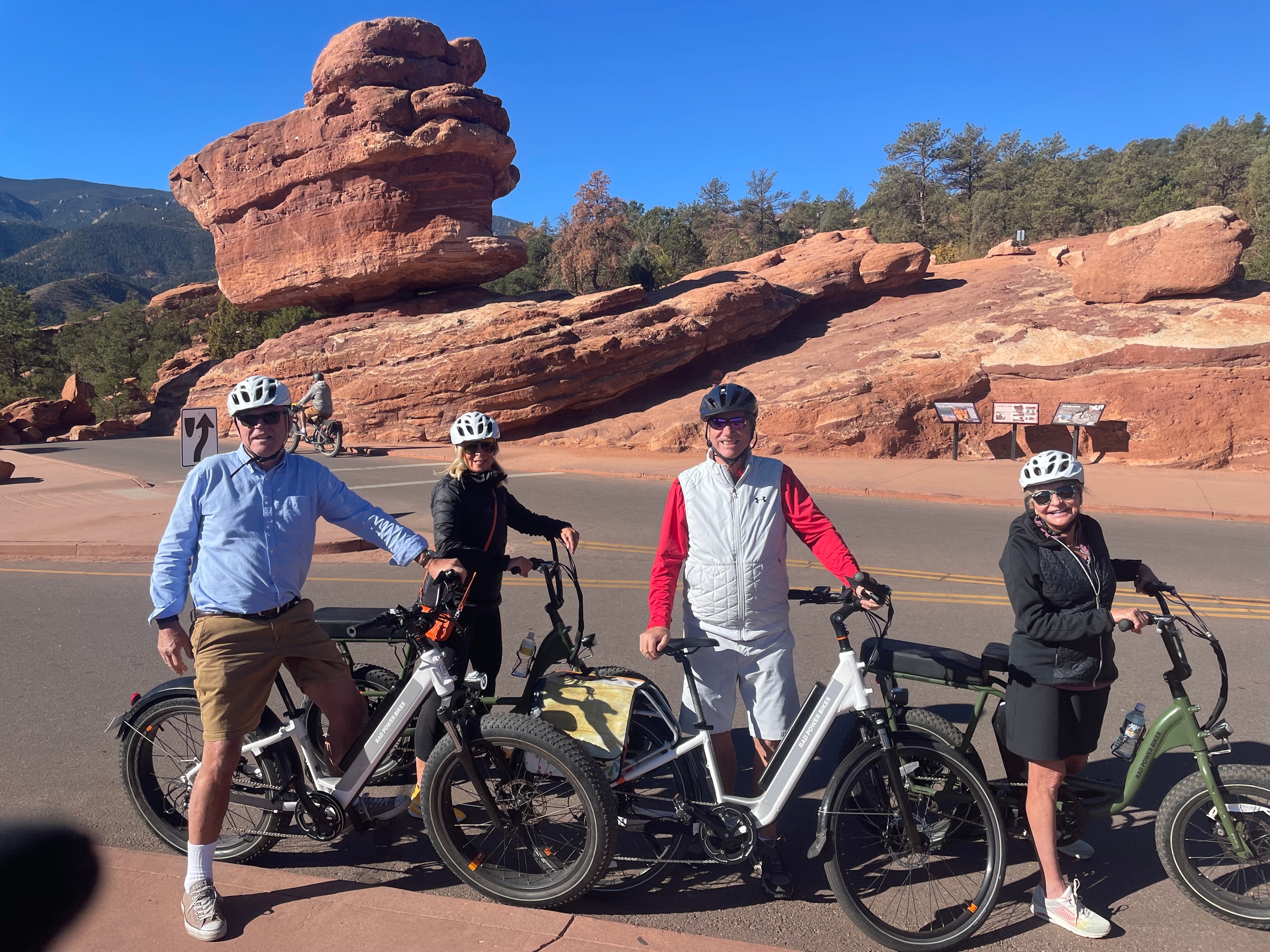 12
12E-Bike
Monument’s high-plains foothills and mosaic of paved multi‑use corridors, gravel ranch roads, and punchy singletrack make it an ideal, close‑to‑town playground for e‑bike riders. Short climbs deliver big views of Pikes Peak and the Palmer Divide, while linked corridors and quiet county roads create enticing loop options. This guide focuses specifically on e‑biking: where to ride, when to go, how to plan for battery range and weather, and which complementary activities (gravelling, light mountain biking, and lakeside cruising) fit naturally into a day or weekend in and around Monument.
Explore e-bike → 13
13Winter Activities
Perched on the Palmer Divide between Denver and Colorado Springs, Monument becomes a quiet access point to winter landscapes that feel far wilder than the drive suggests. In cold months the scrubby foothills and high mesas trade green for brittle grasses and snow pockets; short drives put you into wide, wind-sculpted meadows, groomed county paths and the deeper tree-lined corridors that hold snow long after sunny slopes have melted. This guide focuses on the winter-specific ways to move in and around Monument—snowshoe loops, fat-bike outings, Nordic-style glides, and crisp winter hikes—while pointing to nearby opportunities on Pikes Peak’s lower approaches and sheltered canyons where the season stretches out. Expect pragmatic routes that reward early-morning solitude, variable snow depths, and a chance to read the landscape rather than race it.
Explore winter activities → 14
14City Tour
Monument is a compact town where prairie light meets foothill shadow — an ideal place for city-style tours that feel intimate but never small. City tours here blend Main Street retail and café stops with short nature-linked detours: a walking loop through brick-front shops, a bike-friendly route that skirts reservoir shores, and a relaxed driving tour that threads historic neighborhoods and scenic viewpoints. Each option offers a different pace and perspective on how this small Colorado community sits at the threshold of the Rockies and invites exploration beyond the sidewalks.
Explore city tour → 15
15Ski
Perched at the edge of the Palmer Divide and a short drive from the higher alpine valleys of the Front Range, Monument is an understated gateway for winter hill days, backcountry tours, and resort runs farther up the spine of Colorado. These three curated ski options emphasize close-to-town access, a range of terrain from groomers to powder chutes, and practical planning for visitors using Monument as a basecamp.
Explore ski →The city and the sea
Why Monument Belongs on Your Adventure Shortlist
Variety without surrendering the day to long transfers.
Set against the low-slung ramps of the Front Range, Monument feels deliberate: compact roads, open skies, and a landscape that folds between lake edges and granite outcrops. For travelers who lean toward active days rather than long drives, Monument's mix of short approaches and high-payoff views is a rare commodity. In a single 24-hour window you can lace up for a ridge hike at first light, swap into a harness and climb sun-warmed granite by midmorning, then finish with a late-afternoon paddle on a reservoir where wind often dies as the valley exhales. Outfitters and local rental shops make it easy to pivot between activity types—bike rental and e-bike options mean you can pedal gravel approaches to classic climbing areas, or trade two wheels for a SUP session when the wind slacks. The top recreational tags here—climbing, water activities, hiking, sightseeing tour, boat rental, ATV/UTV, bike rental, SUP, canoe, kayak, walking tour, e-bike, winter activities, city tour, and ski—aren’t just checklist items. They’re a palette for building days that balance effort and ease. A climbing morning is rewarded by a quick drive to a kayak put-in; a long ridge hike pairs naturally with a late-afternoon boat rental and a picnic on shore. Monument’s scale is part of its charm and its utility. Trails tend to be accessible without elaborate backcountry planning, but the terrain remains resolutely mountain—rocky ridgelines, exposed outcrops, and lakes set in basins carved by wind and water. That means you can design itineraries that serve mixed-ability groups: a beginner can enjoy guided kayaking or a walking tour around town while intermediates tackle a multi-pitch climb or a technical singletrack loop. For advanced users, the surrounding ranges and access to private guided services let you string together more committing lines: longer alpine approaches, winter skin-and-ski days in nearby ranges, or technical rock routes where a rope and a partner are mandatory. Practicality threads every good day here. Parking and trailhead logistics are straightforward, outfitters offer shuttle and rental packages, and the short distances between activity hubs let you stack adventures in a single sunrise-to-sunset stretch. Weather is a discipline—summer afternoons can bring pop-up thunderstorms and winter cold snaps can lay down crusty snow—so local timing (early starts, midday shelter from storms) makes the difference between a great day and a swept-short one. For travelers who want big-feel outings with small-town convenience, Monument is a low-fuss gateway to the Front Range’s more dramatic edges.
Access and variety are Monument’s strengths. Multiple trailheads and lake put-ins are within a short drive, and local outfitters supply bike rental, kayaks, canoes, and guided climbs—so you can mix activities without packing the car with specialized gear.
The town pairs outdoor pursuits with easy logistics: eateries for refueling, a handful of lodging options that clear your legs overnight, and short drives to higher-elevation day trips when you want to widen the scope.
Conditions shape the day
The best time to visit Monument.
Spring and fall offer cool, clear air ideal for climbing and hiking. Summer brings warm days and occasional late-afternoon thunderstorms—plan early starts. Winter is colder with periodic snow; lower-elevation trails remain accessible but higher routes will require winter gear.
Best all-around window
Spring + fall
Comfortable mixed-itinerary weather, thinner crowds at beaches and lookouts, and more room to improvise.
Beach season
Late spring through early fall—lake and paddling activity peaks in summer, and trail use climbs on long, dry weekends.
Surf + whales
Late fall through winter yields quieter trails and good value on lodging; snowshoeing and nearby ski areas provide alternative adventures.
Coast to inland
Cool marine mornings often give way to warmer inland afternoons and breezy evenings.
Beginner
Short, well-marked trails, calm flatwater paddles, and guided city or walking tours make Monument accessible to newcomers.
- Gentle lakeside SUP or canoe session
- Introductory guided climbing clinic on a single-pitch route
- Walking tour of local history and scenic viewpoints
Intermediate
Longer ridge hikes, moderate singletrack loops, and intermediate-level climbs or kayak tours that require basic route-finding and comfort with exposure.
- Half-day ridge hike with rocky scrambling
- E-bike loop over mixed gravel and singletrack
- Guided kayak tour with wind-exposure risk management
Advanced
Technical rock routes, multi-pitch climbs, long alpine traverses, and motorized backcountry runs that require specialized skills and planning.
- Multi-pitch trad or sport climb with established anchors
- Full-day mixed-terrain bikepacking or backcountry e-bike route
- ATV/UTV backcountry expedition on technical tracks
Field kit
What to bring.
Pack for sun, salt water, walking, and a meaningful temperature swing between coast and inland Monument.
Essential
Start here
- Layered clothing for strong diurnal swings
- Light technical rain shell (summer storms move fast)
- Sturdy footwear for rocky trail and approach crossings
- Hydration (2–3 liters for a full day) and compact snacks
- Helmet for climbing, ATVs, and certain e-bike rides
Water days
Keep it dry
- Personal flotation device or dry bag for water activities
- Lightweight harness and basic trad/lead gear if you plan on roped climbing
- Compact first-aid kit and multi-tool
- Sun protection (sunglasses, hat, SPF 30+)
- Phone offline maps or GPS device for longer routes
Long days
Stay flexible
- Traction devices or microspikes for winter trail approaches
- Action camera with protective housing
- Binoculars for bird and wildlife viewing
- Small camp stove and mug for alpine coffee
Insider note
Start early, then keep the geography tight.
Beat the heat and the wind by starting early—paddles or SUP sessions are most pleasant just after sunrise. For climbing, late morning usually yields optimal rock warmth without midday glare. Respect seasonal closures: lakes and reservoirs sometimes restrict motorized access and some sensitive areas close to protect wildlife. If you rent bikes or e-bikes, ask about battery range and local charging options; many routes involve sustained climbs. For winter plans, verify road and trail grooming, and carry traction and warm layers. Finally, pack out everything you bring—Monument’s small footprint depends on low-impact visitors.
Good to know
Frequently asked questions.
Can I do most activities without a guide?
Yes for many hikes, paddles on calm lakes, and basic bike rides. Choose a guide for technical rock climbing, high-consequence routes, ATV/UTV backcountry runs, or if you’re unfamiliar with local water conditions.
Are lake and reservoir water levels reliable for paddling?
Levels can vary seasonally. Summer months usually offer reliable access, but check local reservoir advisories and outfitters for current put-in locations and any restrictions.
What's the best way to avoid crowds?
Start at dawn, pick weekday outings, and favor lesser-known trailheads. Late-season shoulder months offer the best quiet conditions without extreme winter weather.
Ready when you are
Find the trip that fits your Monument day.
Compare bookable experiences across the coast, city, and mountains—then save the ones that belong in your plan.
Explore all Monument adventures ↗