
Mims adventure guide
Find your way into Mims.
A low, wide landscape of marsh and mangrove where waterways braid into the Atlantic—Mims reads like Florida's quieter waterfront chapter. Here, Water Activities dominate the itinerary: kayak tours that thread through aldered creeks, airboat runs that throw spray and stories, and dolphin‑watching cruises that slow to let pods decide the schedule. Between Boat Tours, Boat Rentals, and fishing charters, the day is modular: sunrise cast, midday wildlife drift, late‑afternoon SUP on a glassy inlet. Eco tours and Environmental Attractions turn birding into a headline, while Walking Tours and Bike Rental options offer gentle landward ways to experience the region. Practical, accessible, and endlessly wet, Mims is a place for patient observation and active play—ideal for families, anglers, and anyone who measures a good day by tides and tailwinds.
Three ways into the city
Pick a landscape. Build a day around it.
Mims is less a single destination than a collection of neighboring worlds. Start with the version of the city that matches your pace, then use the ranked guide below to fill in the details.

Begin where the city meets the sea.
Surf breaks, sheltered harbors, whale routes, and long beach paths make the coast LA’s most immediate outdoor playground.
Explore water activities →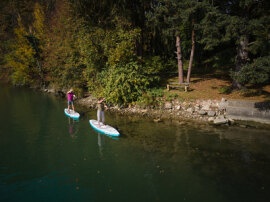
Let a local connect the landmarks.
Use a guided city, walking, or sightseeing tour to turn LA’s sprawl into a coherent story.
Explore boat tour →
Ride the coast and the city.
Beach paths, river corridors, e-bikes, and ridge climbs reveal a more connected Los Angeles.
Explore wildlife →Choose your way into Mims
The top 15 Mims adventures.
Ranked by the number of currently listed trips. Each panel opens the complete local activity collection.
1Water Activities
Nestled inland from Florida’s Atlantic fringe, Mims is a quiet gateway to some of the Space Coast’s best flatwater and estuarine adventures. Expect long, slow paddles through mangrove-framed creeks, inshore fishing on tidal flats, guided manatee and bird-watching tours, and easy launches for stand-up paddleboarding. This guide focuses on water-based experiences concentrated around the Indian River Lagoon, St. Johns River tributaries, and the barrier islands that frame them—ideal for travelers who want accessible, wildlife-rich outings without the crowds of busier beach towns.
Explore water activities → 2
2Kayak
Mims is a low-slung, water-rich entry point to Central Florida’s intricate estuarine network. Kayakers come for sheltered mangrove tunnels, wide lagoon flats, and wildlife encounters—everything from skittering shorebirds to curious manatees—plus the option to paddle into quieter backwaters where the tide writes the itinerary. This guide focuses on routes, seasonality, and planning specifics for paddlers who want to explore the water that shapes this place.
Explore kayak →3Boat Tour
Boat tours out of Mims thread through one of North America's most productive coastal estuaries. Flatwater channels, mangrove-lined creeks, and open lagoon expanses create a range of boat experiences—from slow, wildlife-focused eco-cruises to faster sight-seeing runs that showcase launches, birds, and the odd pod of dolphins. This guide breaks down the seasons, terrain, access, and planning essentials so you can pick the right tour for the scene you want to see.
Explore boat tour →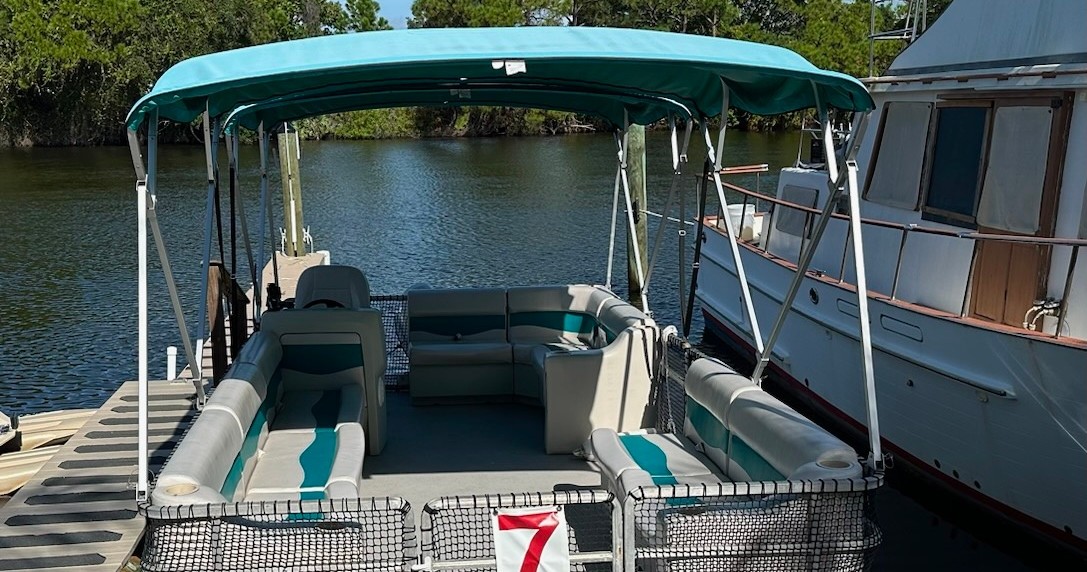 4
4Boat Rental
Mims sits on the western edge of the Indian River Lagoon, a braided waterway of sheltered bays, ditches and tidal flats ideal for rented boats. Whether you’re after a lazy pontoon cruise with sun and sandwiches, a flats skiff for sight fishing, or a small outboard to explore mangrove-lined creeks, Mims provides calm water, abundant wildlife, and quick access to barrier islands and inlets without the ocean swell.
Explore boat rental → 5
5Fishing
Set where the St. Johns River curls toward the Atlantic and the Indian River Lagoon threads along Florida’s Space Coast, Mims is a quietly strategic base for anglers pursuing freshwater bass, estuarine redfish and snook, and quick access to nearshore saltwater species. This guide focuses on how to fish the mix of rivers, lagoons, marsh canals, and nearby inlets: where to launch, which seasons favor which species, and how to plan a day (or a week) of productive casting without losing the laid-back Florida vibe.
Explore fishing → 6
6SUP
Mims sits at a quiet edge of Florida’s lagoon coast, where tidal waterways, mangrove-fringed creeks, and wide estuarine flats invite paddlers of every stripe. This guide focuses on stand-up paddleboarding (SUP) in and around Mims — from gentle wildlife-filled morning paddles to wind-challenged coastal runs — to help you pick the right water, season, and route for your skill level.
Explore sup → 7
7Eco Tour
Mims sits at the quiet hinge between estuary and river, a low-slung landscape where mangroves stitch land to water and salt marshes hum with migratory birds. Eco tours here are intimate: shallow-draft boats slip through tannin-dark channels, kayaks thread root tangles, and boardwalks reveal fiddler crabs and sea grass beds. Whether your aim is close-up wildlife encounters or a deeper look at the fragile systems that sustain Florida’s Space Coast, Mims is an accessible launching point for responsible, interpretive nature experiences.
Explore eco tour →8Wildlife
Nestled between broad tidal flats and inland freshwater marshes, Mims is a quiet gateway to the Indian River Lagoon ecosystem. For travelers focused on wildlife, the town’s proximity to estuaries, canals, and protected shorelines concentrates sightings—wading birds at dawn, bottlenose dolphins at the river mouths, and alligators lounging on sunlit banks. This guide centers on where to look, when to go, and how to plan wildlife-first outings that balance ethical viewing with real-world logistics: short roadside stops, kayak and boat trips, saltmarsh walks, and nearby preserves that reward patient observers.
Explore wildlife → 9
9Sightseeing Tour
Mims is a low-slung, riverine place where marsh, citrus groves, and a broad tidal lagoon meet a sky that periodically writes itself with rocket exhaust. Sightseeing here is less about a single summit than about layered perspectives: boat decks at sunrise watching manatees and osprey, quiet roadside pullouts that frame endless marsh reflections, and guided outings that fold in the region’s natural history and space-age culture. Tours range from short narrated drives and eco-boat excursions to paddle trips and launch-viewing shuttles—each one attuned to the water, the birds, and the long reach of human activity on Florida’s Atlantic edge.
Explore sightseeing tour → 10
10Dolphin
Where the Indian River Lagoon widens into sheltered bays and mangrove-lined channels, dolphins are a near-constant presence. Mims sits at the northern edge of a complex estuarine system famous for high biodiversity—bottlenose dolphins cruise the shallows, mothers teach calves in quiet coves, and pods occasionally stage dramatic bow-riding shows along intercoastal waterways. This guide is all about encountering dolphins responsibly: from casual shore sightings and low-key kayak float trips to guided eco-boat tours and photography-focused charters. Expect calm water, easy access, and year-round opportunities—paired with practical notes on timing, ethics, and complementary activities like birding, fishing, and kayaking that make a day on the lagoon feel complete.
Explore dolphin → 11
11Environmental Attraction
Mims sits at the intersection of freshwater river systems, blackwater swamps, and the coastal estuaries that define Florida’s central Atlantic edge. Environmental attractions here are quiet, watery, and wildlife-rich: cypress-tangled creeks, wide floodplain forests, and access points for paddling into marshes where wading birds, otters, and seasonal migratory species stage and feed. This guide highlights the specific habitats around Mims, how to experience them responsibly, and the practical planning details for visiting wetlands, refuges, and river corridors in every season.
Explore environmental attraction → 12
12Walking Tour
Mims is compact on the map but expansive in texture: tidal waterways, citrus-rowed backroads, and pockets of maritime hammock that host wading birds and quiet history. The walking tours here are intimate by design — short, revealing routes that stitch together ecological fringe, lived-in neighborhoods, and glimpses of Florida’s coastal interior. Expect a mix of guided birding loops, historical main-street rambles, shoreline boardwalks, and self-guided walks that pair perfectly with nearby kayaking, cycling, or a sunrise launch watch toward the Space Coast.
Explore walking tour → 13
13Bike Rental
Mims is a quietly satisfying base for cyclists who prefer low-elevation, coastal rides threaded with lagoon views, wildlife watching, and the occasional rocket plume on the horizon. Bike rentals here skew practical and approachable—hybrids, cruisers, and increasingly e-bikes—perfect for families, casual explorers, and anyone who wants to trade car windows for handlebar perspectives along quiet backroads and waterfront paths.
Explore bike rental → 14
14Surf
Mims sits inland on the Indian River Lagoon, but it’s a short, clear-eyed commute to some of Florida’s most reliable east-coast surf. This guide focuses on surfing access for travelers using Mims as a base—day-trip breaks, seasonal swell patterns, skills-based tips, and practical planning to turn a short drive into a memorable surf session. Expect longboard-friendly beach breaks, occasional longer-period swells after storms, and a coastal culture that blends casual warmth with wary respect for the water.
Explore surf → 15
15Airboat
Slip into the low-slung bench of an airboat and feel the fan wheeze as sawgrass and tannin-stained water blur into a living map. Around Mims, airboat trips carve shallow highways through marsh, oyster bars, and braided channels where alligators sun themselves on cypress knees and marsh wrens thread the reeds. These are not theme-park rides; they’re short, sensory explorations of a coastal riverine system—equal parts natural history, wildlife window, and beginner-friendly thrill.
Explore airboat →The city and the sea
Why Mims Belongs on Your Adventure Shortlist
Variety without surrendering the day to long transfers.
If you picture Florida as beaches and theme parks, Mims arrives quietly to rewrite the script. The town sits at the inland edge of the Indian River Lagoon—a mosaic of estuary, marsh, and shell‑strewn shoreline that makes the ordinary act of boating into an intimate wildlife exchange. Kayak and SUP tours peel off from small ramps beneath pines; airboats launch from scrub and send up ragged wakes that mirror the sky. The rhythm here is dictated by tides and light. Dawn is for anglers and early paddlers, when the lagoon gleams and gulls slash the surface for waking fish. Midday softens into long, inspectorial eco tours—binoculars out, guides narrating the language of wading birds, turtles, and the occasional manatee. By late afternoon the estuary takes on a honeyed hush; dolphins bob through channels like punctuation marks. Mims rewards a layered approach to travel. A single morning can pair a half‑day fishing charter with an afternoon walk in the shaded oak hammocks of Merritt Island National Wildlife Refuge, where migratory birds and raptors are part of the daily roll call. For families, activities scale down neatly—short boat rentals, gentle kayak loops, and dock fishing are all accessible. For more committed outdoor travelers, there are days stitched together with a guided fly‑fishing lesson, an island‑hopping boat tour, and an evening tide chase for bioluminescence in the right season. The town's hospitality is pragmatic: outfitters and rental shacks prioritize gear that stands up to salt and sun, and local guides know the microclimates of creeks and canals better than any map. That local knowledge—when to run a route because of wind, or which creeks close to seabird nesting—is the asset that turns a good outing into a memorable one. The cultural note is subtle but present. Titusville and nearby coastal towns lean into an understated coastal Florida aesthetic—seafood counters, bait shops, and museums that commemorate the region's maritime and aerospace heritage. Coupled with wide, navigable waterways and an emphasis on wildlife and environmental tours, Mims reads as both a launching point and a destination: you come for the water, and you stay because you want to read the place more slowly. Practical takeaways are straightforward: plan around tides, bring reef‑safe sun protection, and expect that the best wildlife moments often arrive when you surrender to a slower pace.
Access is the ace for Mims. Small ramps, public boat launches, and outfitters cluster within minutes of one another—shuttles and guided pickups are common. That means you can stack a morning kayak tour, a midday boat rental, and an evening wildlife cruise without wasting hours in transit.
Seasonality tilts toward shoulder months for comfort: spring and fall offer lower humidity and active migration for birds, while summer is high‑heat and high‑water activity—ideal for swimmers and anglers who don’t mind afternoon thunderstorms. Winter is mild and pleasantly uncrowded, turning the estuary into a quiet observatory.
Conditions shape the day
The best time to visit Mims.
Mims has a subtropical climate: winters are mild and dry, spring and fall are ideal for lower humidity and active bird migration, and summers are hot with frequent afternoon thunderstorms. Wind can build in the afternoon—plan paddles for morning slack water.
Best all-around window
Spring + fall
Comfortable mixed-itinerary weather, thinner crowds at beaches and lookouts, and more room to improvise.
Beach season
Late winter through spring brings migrants and comfortable temperatures; spring break weekends increase local activity around launches.
Surf + whales
Summer offers warm water and abundant fishing opportunities with fewer tourists on weekdays; winter weekdays are quiet, making them great for birding and low‑stress boating.
Coast to inland
Cool marine mornings often give way to warmer inland afternoons and breezy evenings.
Beginner
Short, sheltered paddles and guided wildlife tours that emphasize safety and slow observation.
- Guided beginner kayak tour of a quiet mangrove creek
- Half‑day boat rental on the Indian River Lagoon
- Family‑friendly dolphin sightseeing cruise
Intermediate
Longer paddles that require basic navigation and some tidal planning, or full‑day fishing and eco tours.
- Cross‑lagoon SUP paddle with wind considerations
- Inshore fishing charter for slot species and spotted trout
- Self‑guided bike loop and walking tour around refuge trails
Advanced
Tidal route navigation, back‑channel exploration in shallow draft craft, and multi‑segment trips needing weather and tide planning.
- Multi‑day island hopping or backwater exploration with planned landings
- Airboat excursions into deeper marsh channels at high speed
- Technical angling trips targeting specific seasonal runs
Field kit
What to bring.
Pack for sun, salt water, walking, and a meaningful temperature swing between coast and inland Mims.
Essential
Start here
- Reef‑safe sunscreen and sun hat—Florida sun is direct and relentless
- Hydration: at least 1L per person for half‑day outings
- Waterproof dry bag for phone, keys, and layers
- Insect repellent and lightweight long‑sleeve shirt for dusk
- Closed‑toe water shoes for rocky ramps and oyster beds
Water days
Keep it dry
- Binoculars for birding and dolphin watches
- Quick‑dry layers and a light wind shell for early mornings
- Compact first‑aid kit and adhesive for small cuts (oysters and docks)
- Charged phone or GPS device with offline maps of local waterways
Long days
Stay flexible
- Polarized sunglasses for viewing below the surface
- Underwater camera or action cam with float tether
- Small tackle box and license if planning to fish from boat or shore
Insider note
Start early, then keep the geography tight.
Tide matters here—check local tide tables and plan paddles for incoming or slack tide depending on your route. Bring reef‑safe sunscreen and expect bugs near dusk; a light headnet or long sleeve can make evening outings more comfortable. Many prime launch points are small and unpaved—arrive early on weekends to secure parking. Respect wildlife buffers in the Merritt Island National Wildlife Refuge and follow posted speed limits in no‑wake zones. If fishing, verify license requirements and local size/season regulations. Finally, favor local outfitters for guided eco tours and airboat experiences—their knowledge of channels, bird colonies, and seasonal patterns is the fastest way to turn a day on the water into a memorable, responsible encounter.
Good to know
Frequently asked questions.
Can I do most activities without a guide?
Yes for basic kayak loops, short SUP sessions, and boat rentals if you have shoreline navigation experience. Hire a guide for complex tidal routes, eco tours, airboat trips into difficult marsh, or if you want targeted fishing instruction.
Are there alligators or dangerous wildlife? How do I stay safe?
Alligators are present in inland freshwater bodies—observe from a distance, do not feed wildlife, and keep small children and pets supervised near shore. On estuarine waters, be mindful of boat wakes around manatees and dolphins.
When are dolphin and manatee sightings most likely?
Early morning and late afternoon when waterways are calmer. Tidal shifts can concentrate fish and draw marine mammals; local guides often schedule tours around these windows.
Ready when you are
Find the trip that fits your Mims day.
Compare bookable experiences across the coast, city, and mountains—then save the ones that belong in your plan.
Explore all Mims adventures ↗